Discover the Delightful Peach Phithranthra: A Gem for Indian Gardens
The Peach phithranthra, with its charming appeal and vibrant presence, has slowly but surely captured the hearts of plant enthusiasts across India. Its delightful appearance and relatively easy care make it a wonderful addition to both bustling urban balconies and expansive home gardens. Whether you’re a seasoned gardener or just starting your green journey, the Peach phithranthra offers a rewarding experience, bringing a touch of natural beauty and a splash of inviting colour to any space.
At Plantrea, the online plant platform by Wynorg, a trusted Indian brand known for delivering healthy live plants safely across India, we understand the joy a new plant brings. That’s why we’re dedicated to providing comprehensive guides like this one, ensuring you have all the knowledge to help your Peach phithranthra thrive and become a cherished part of your green sanctuary.
Botanical Overview
While the Peach phithranthra is cherished for its beauty, its specific botanical details can be an area of interest for many gardeners. The plant is primarily known by its common name, Peach phithranthra, which beautifully captures its essence. While a formal classification can sometimes be complex for unique cultivars or hybrids, it is generally appreciated as an ornamental plant grown for its attractive features.
- Botanical Name: Peach phithranthra (as it is commonly identified for horticultural purposes)
- Plant Family: Typically belongs to families known for ornamental flowering plants, often a member of a group renowned for vibrant blooms.
- Origin: Many ornamental plants cultivated in India have tropical or subtropical origins, adapting well to the Indian climate. The Peach phithranthra is believed to thrive in warm, humid conditions.
- Plant Type: This lovely plant is generally considered a perennial, meaning it lives for more than two years, offering continuous beauty if cared for properly. It often grows as a bushy shrub.
- Growth Habit: The Peach phithranthra usually exhibits a compact to moderately spreading growth habit, forming a neat and attractive bush that can be managed with regular pruning.
Why People Love This Plant
The allure of the Peach phithranthra extends beyond its botanical charm. Its aesthetic appeal and ease of integration into various garden styles make it a popular choice.
Appearance
The overall appearance of the Peach phithranthra is one of lushness and vibrancy. It typically forms a dense, rounded shrub, providing a full and inviting presence in any setting. Its structure is well-suited for both individual planting and as part of a mixed border.
Flowers
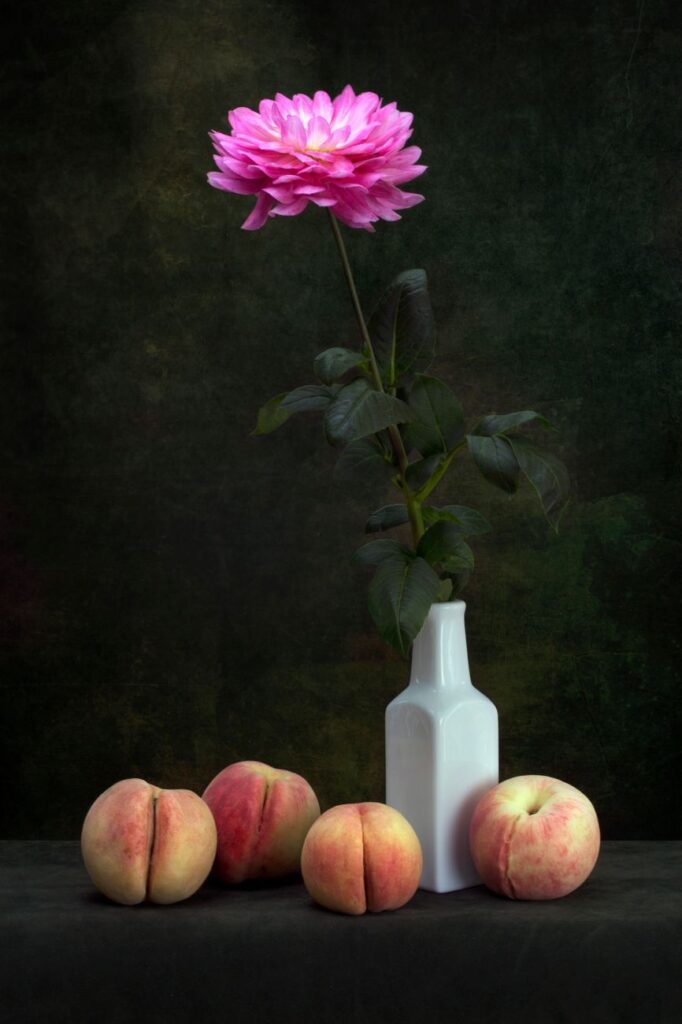
The star of the Peach phithranthra is undoubtedly its flowers. These are often noted for their soft, warm peach hues, ranging from delicate pastels to richer, more vibrant tones, reminiscent of a ripe peach. The blooms can be abundant, creating a spectacular display that truly lights up a garden or balcony. They often appear in clusters, adding to their visual impact.
Foliage
Complementing the beautiful blooms, the foliage of the Peach phithranthra is typically a rich green, providing an excellent backdrop. The leaves are usually ovate or elliptical, glossy, and healthy-looking, contributing to the plant’s overall lush appearance even when not in full bloom.
Fragrance
While not all ornamental plants are known for strong fragrances, some varieties of Peach phithranthra might offer a subtle, pleasant aroma, especially noticeable on warm evenings or close inspection. This delicate scent can add another layer of sensory delight to your garden experience.
Decorative Value
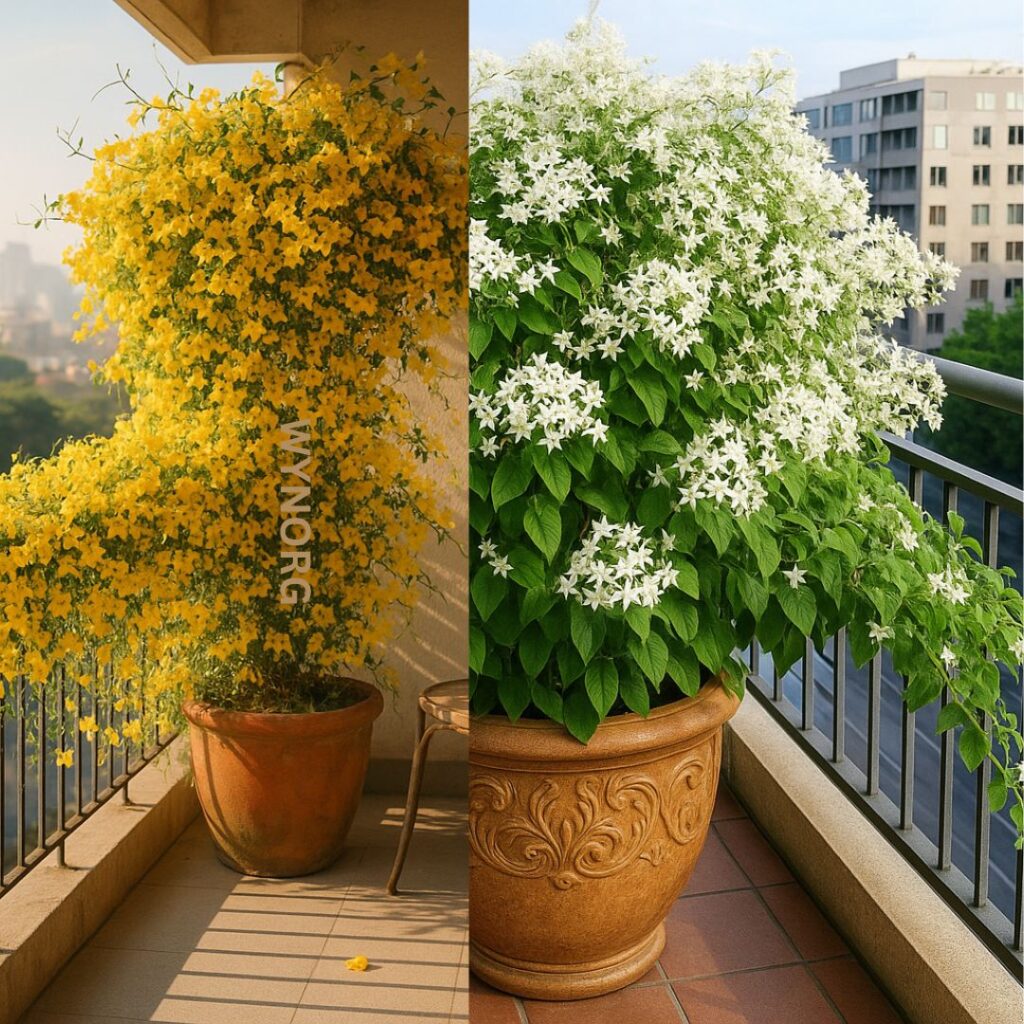
From a decorative perspective, the Peach phithranthra is highly versatile. Its appealing colour palette makes it suitable for various garden themes, from tropical to cottage gardens. It looks stunning in terracotta pots on a patio, as a vibrant border plant, or even as a focal point in a small lawn. The consistent bloom period ensures long-lasting visual interest, enhancing the beauty of your home and garden.
Growing Requirements
To ensure your Peach phithranthra thrives and showers you with its beautiful blooms, understanding its basic growing requirements is crucial. These conditions are well-suited to many parts of India.
- Light: The Peach phithranthra prefers bright, indirect sunlight to partial shade. In the scorching Indian summer, protection from the harsh midday sun is essential, especially in northern and central regions. A spot that receives morning sun and afternoon shade is often ideal. Too much direct, intense sun can scorch the leaves, while too little light can reduce flowering.
- Water: Consistent moisture is key for the Peach phithranthra. Water thoroughly when the top inch of the soil feels dry to the touch. During the growing season (spring and summer), this might mean watering daily or every other day, depending on the heat and humidity. Reduce watering slightly in winter. Always ensure good drainage to prevent waterlogging, which can be detrimental.
- Temperature: This plant thrives in warm temperatures, typically between 20°C to 35°C. It is sensitive to frost, so protection is needed in areas where winter temperatures drop significantly. For most of India, ambient temperatures are quite suitable for its growth.
- Humidity: Being a lover of warmer climates, the Peach phithranthra appreciates moderate to high humidity. In very dry conditions, especially indoors, misting the leaves occasionally or placing the pot on a pebble tray with water can help increase local humidity.
- Soil: Well-draining, fertile soil is paramount. A slightly acidic to neutral pH (6.0-7.0) is generally preferred. Good garden loam enriched with organic matter works wonders.
- Potting Mix: For container-grown Peach phithranthra, a high-quality potting mix that offers good drainage and aeration is essential. A mix of garden soil, coco peat, and perlite or sand in equal proportions makes an excellent choice.
- Fertilizer: During its active growing and flowering season (spring to early autumn), feed your Peach phithranthra with a balanced liquid fertilizer every 2-4 weeks. A fertilizer with a slightly higher phosphorus content can encourage more blooms. Reduce feeding during winter when the plant’s growth slows down.
How to Care for This Plant
With the right approach, caring for your Peach phithranthra can be a deeply satisfying experience. Here’s a step-by-step guide to keep it flourishing:
- Watering Wisely: As mentioned, regular watering is crucial, but avoid overwatering. Check the soil moisture before watering. Water at the base of the plant to keep foliage dry and reduce fungal issues.
- Pruning for Shape and Health: Regular pruning is beneficial for the Peach phithranthra. Light pruning after a flush of flowers encourages new growth and more blooms. You can also prune to maintain a desired size and shape, removing any dead, diseased, or crossing branches.
- Deadheading: Pinching off spent flowers (deadheading) is a simple but effective task. This redirects the plant’s energy from seed production to producing more flowers, resulting in a longer and more abundant blooming season.
- Repotting (for Container Plants): If your Peach phithranthra is in a pot, it will eventually outgrow its container. Repotting every 1-2 years into a slightly larger pot with fresh potting mix is ideal, preferably in early spring.
- Winter Care: In regions with mild winters, the Peach phithranthra will likely continue to thrive. In colder areas within India, it might experience slower growth or require protection from cold drafts or very low temperatures. Mulching around the base can help protect the roots.
- Propagation: The Peach phithranthra can often be propagated from semi-hardwood cuttings taken in the spring or late summer. Dip the cut end in rooting hormone and plant in a well-draining rooting medium.
Common Problems and Solutions
Even with the best care, plants can sometimes face challenges. Here are some common issues you might encounter with your Peach phithranthra and how to address them:
- Yellow Leaves:
- Cause: Often due to overwatering (leading to root rot), underwatering, or nutrient deficiencies (especially nitrogen or iron).
- Solution: Check soil moisture. If soggy, reduce watering frequency and ensure good drainage. If too dry, water more regularly. Consider a balanced fertilizer if nutrient deficiency is suspected.
- Pests:
- Cause: Common pests include aphids, spider mites, and mealybugs, especially in hot, dry conditions.
- Solution: Regularly inspect your plant. For mild infestations, spray with a strong stream of water or a neem oil solution. For severe cases, consider insecticidal soap or appropriate organic pesticides.
- Fungal Diseases:
- Cause: Fungal issues like powdery mildew or leaf spot can occur in high humidity with poor air circulation or prolonged leaf wetness.
- Solution: Ensure good air circulation, avoid overhead watering, and remove affected leaves. Apply a natural fungicide if necessary.
- Root Rot:
- Cause: Almost always due to persistent overwatering and poor drainage, leading to roots suffocating and decaying.
- Solution: Improve drainage in the pot or garden bed. If caught early, repotting the plant into fresh, well-draining soil after trimming off rotten roots can save it.
- Poor Flowering:
- Cause: Insufficient light, lack of nutrients (especially phosphorus), or improper pruning (e.g., pruning off flower buds).
- Solution: Move to a brighter spot, ensure adequate feeding with a bloom-boosting fertilizer, and learn about the plant’s flowering cycle to prune at the right time.
- Slow Growth:
- Cause: Often a sign of inadequate light, nutrient deficiency, or compacted soil preventing root development.
- Solution: Provide more light, fertilize regularly during the growing season, and ensure the soil is loose and well-aerated.
- Leaf Drop:
- Cause: Can be a reaction to sudden environmental changes (temperature, light), severe underwatering or overwatering, or pest infestation.
- Solution: Identify the stressor and rectify it. Ensure consistent care and environment.
Benefits
Beyond its undeniable beauty, the Peach phithranthra offers several benefits that make it a truly valuable addition to any Indian home or garden.
- Home Decoration: The vibrant peach blooms and lush green foliage make it an outstanding choice for enhancing interior aesthetics. Placed near a window or in a bright corner, it adds a pop of natural colour and life.
- Balcony Gardening: Its manageable size and attractive growth habit make the Peach phithranthra perfect for balcony gardens. It thrives in containers, transforming small spaces into vibrant retreats.
- Landscaping: In larger gardens, this plant can be used effectively in borders, as a low hedge, or as a specimen plant. Its consistent flowering brings continuous interest to the landscape design.
- Pollinator Friendly: Many flowering plants, including varieties of Peach phithranthra, are known to attract beneficial pollinators like bees and butterflies to the garden. This contributes to local biodiversity and supports the ecosystem.
Frequently Asked Questions
How often should I fertilize my Peach phithranthra?
During the active growing and flowering seasons (typically spring through early autumn), it’s recommended to fertilize your Peach phithranthra every 2-4 weeks with a balanced liquid fertilizer. Reduce or stop fertilizing during the cooler, dormant months of winter.
Why are the leaves of my Peach phithranthra turning yellow?
Yellowing leaves on your Peach phithranthra can be an indication of several issues. The most common causes are either overwatering (leading to root rot) or underwatering. It can also signal a nutrient deficiency, especially if the yellowing is widespread. Check your watering schedule and soil moisture, and ensure the plant is receiving adequate nutrients through regular feeding.
Can I grow Peach phithranthra in a pot?
Absolutely! Peach phithranthra is very well-suited for container gardening. Choose a pot that is adequately sized for the plant’s current growth and has excellent drainage holes. Ensure you use a high-quality, well-draining potting mix and consider repotting every 1-2 years to provide fresh nutrients and room for root growth.
Final Thoughts
The Peach phithranthra is a truly delightful plant, offering vibrant colours and a relatively straightforward care routine that makes it accessible to gardeners of all experience levels across India. By providing it with the right balance of light, water, and nutrients, along with a little attentive pruning, you can enjoy its charming blooms for many years to come. It’s a plant that not only beautifies your space but also brings the simple joy of gardening to your daily life.
Plantrea is the online plant platform from Wynorg, helping plant lovers across India discover quality plants, practical growing advice, and trusted nursery sourcing. We hope this guide helps you nurture your Peach phithranthra into a flourishing spectacle in your home or garden.
Interested in This Plant?
If the beautiful Peach phithranthra has captured your imagination, you might have more specific questions or want to know how you can bring this lovely plant into your own home or garden. Our Plant Expert chat, located at the bottom-right corner of every page, is here to assist you.
You can use the Plant Expert to check if the Peach phithranthra is currently available and ready for delivery. Our friendly experts can also provide personalised plant recommendations tailored to your specific home environment and gardening goals. Whether you have questions about its care, need advice on placement, or just want to explore similar plants, our Plant Expert is ready to help.
Think of the Plant Expert as your personal gardening assistant, offering guidance and information to ensure your plant journey is successful and enjoyable. Feel free to reach out with any queries about the Peach phithranthra or any other plant you’re curious about!
Image by: Valentin Ivantsov
https://www.pexels.com/@valentin-ivantsov-2154772556