White Jaboticaba (Myrciaria aureana) | Grow & Care Guide
There’s a special charm in growing fruit trees in our Indian homes and gardens, a joy that comes from nurturing a plant and eventually harvesting its delicious bounty. Among the many delightful options, the White Jaboticaba, or Myrciaria aureana, stands out as a unique and increasingly popular choice. Its unusual growth habit, where fruits ripen directly on the trunk and branches, coupled with its sweet, translucent white fruits, makes it a fascinating addition to any plant enthusiast’s collection. It’s a tropical gem that offers both ornamental beauty and edible rewards, bringing a touch of the exotic to your green space.
For those looking to expand their garden with such distinctive plants, finding reliable information and healthy specimens is crucial. Plantrea is the online plant platform by Wynorg, a trusted Indian brand known for delivering healthy live plants safely across India, ensuring you get the best start for your gardening journey. In this comprehensive guide, we’ll delve into everything you need to know about successfully growing and caring for your White Jaboticaba, tailored for Indian climates and gardening conditions.
Botanical Overview
The White Jaboticaba, scientifically known as Myrciaria aureana, belongs to the Myrtaceae family, which also includes common Indian plants like guava and eucalyptus. This fascinating plant originates from the rich Atlantic Forest regions of Brazil, where it thrives in its natural habitat as an understory tree or shrub.
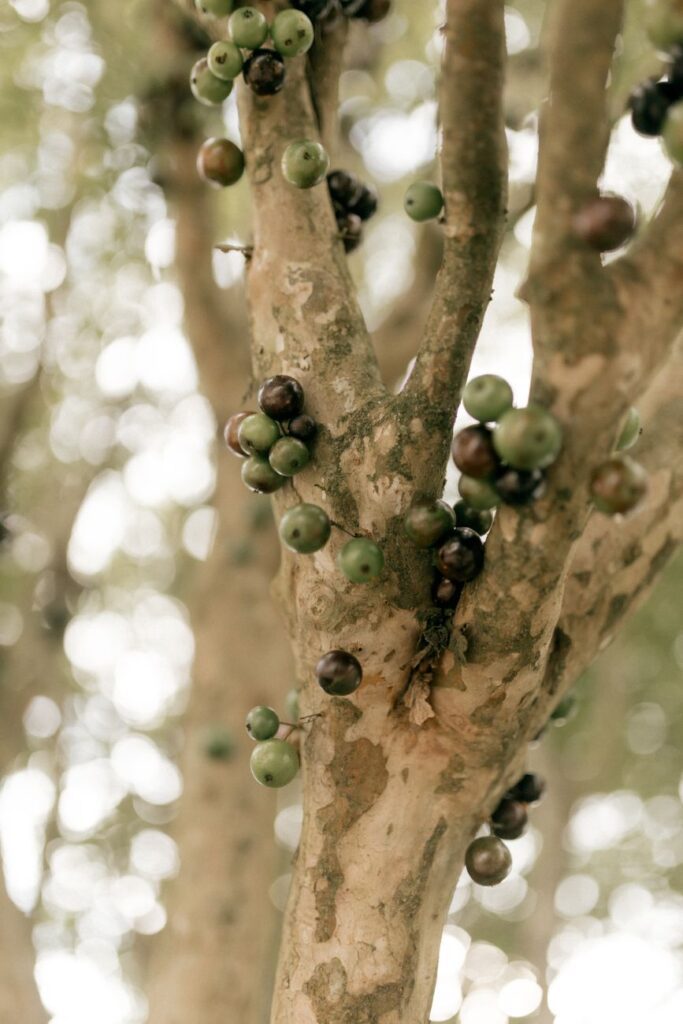
It is an evergreen fruit tree, meaning it retains its foliage throughout the year, offering continuous greenery to your garden. The White Jaboticaba exhibits a unique growth habit; it typically grows as a small tree or a large shrub, forming a dense, rounded canopy. What truly sets it apart is its “cauliflorous” nature—a botanical term that describes plants producing flowers and fruits directly on their woody trunks and older branches, rather than on new growth or at the tips of branches. This characteristic gives the White Jaboticaba an incredibly distinctive and enchanting appearance, especially when laden with ripening fruit.
Why People Love This Plant
The allure of the White Jaboticaba extends far beyond its delicious fruit, captivating gardeners with its striking appearance, delightful fragrance, and significant decorative value. This tropical edible plant offers a multi-sensory experience that makes it a beloved addition to any garden.
Appearance
The White Jaboticaba is a visually appealing plant even when not in fruit. It develops a dense, rounded canopy composed of small, glossy, dark green, elliptical leaves. This rich green foliage provides a beautiful backdrop, making the plant an attractive specimen year-round. The neat, compact growth habit adds to its ornamental charm, allowing it to fit well into various garden designs.
Flowers
One of the most captivating features of the White Jaboticaba is its unique flowering habit. Small, delicate white flowers emerge directly from the bark of the trunk and older branches. These blossoms appear in multiple flushes throughout the year, often triggered by heavy rains, creating a truly spectacular sight. Imagine a tree trunk adorned with a flurry of white blooms—it’s an unforgettable display that signals the promise of sweet fruit to come.
Foliage
As an evergreen, the White Jaboticaba’s foliage remains vibrant and lush throughout the seasons. The small, dark green leaves are glossy, giving the plant a healthy and refined appearance. The dense canopy not only provides aesthetic appeal but also offers welcome shade, making it a pleasant feature in a sunny garden.
Fragrance
While not overtly strong, the small white flowers of the White Jaboticaba emit a mildly sweet and pleasant fragrance. This subtle aroma can add another layer of enjoyment to your garden, especially during its prolific flowering periods, inviting you to take a closer look at its unique blooms.
Decorative Value
Beyond its edible harvest, the White Jaboticaba boasts significant decorative value. Its attractive evergreen foliage provides year-round beauty. The unique cauliflorous flowering habit is a conversation starter, and the sight of translucent white to pale yellow fruits clinging directly to the trunk is truly magical. Whether used as a focal point in a small garden, integrated into a tropical landscape, or grown in a decorative pot, this tree is a living piece of art that enriches any space.
Growing Requirements
To ensure your White Jaboticaba thrives and produces its delightful fruits, understanding its specific growing requirements is key. While it’s a relatively easy plant to care for once established, providing the right conditions from the start will lead to a healthier and more productive tropical edible plant.
Light
The White Jaboticaba performs best in full sun to partial shade. For optimal fruiting, it requires at least 6 hours of direct sunlight per day. In the intense summer heat of some parts of India, a spot that receives morning sun and some afternoon shade can be beneficial to prevent leaf scorch, especially for younger plants. If growing in a container indoors, ensure it receives ample bright light, ideally near a south-facing window, or supplement with grow lights.
Water
This plant has moderate to high watering needs. It requires consistent and regular watering, particularly during dry spells and when it is flowering or fruiting. The soil should be kept moist but never waterlogged. Good drainage is absolutely crucial to prevent root rot, which is a common issue for many plants in over-saturated soil. Check the soil moisture regularly by sticking your finger about an inch or two into the soil; if it feels dry, it’s time to water.
Temperature
As a tropical plant, the White Jaboticaba prefers warm temperatures, ideally between 10°C and 30°C (50°F – 86°F). It is sensitive to frost and cold temperatures, which can cause leaf drop and even stem dieback. In regions where temperatures drop significantly in winter, especially below 5°C, providing protection is essential. This might involve moving container plants indoors or providing frost covers for in-ground trees.
Humidity
Moderate to high humidity is beneficial for the White Jaboticaba, mimicking its native rainforest environment. In drier Indian climates, especially during certain seasons, you can increase humidity around the plant by misting its leaves regularly, placing it near a humidifier, or grouping it with other plants. For container plants, a pebble tray with water can also help create a more humid microclimate.
Soil
The ideal soil for White Jaboticaba is rich in organic matter, well-draining, and slightly acidic to neutral, with a pH ranging from 5.5 to 6.5. Good drainage is paramount. Heavy clay soils that retain too much water should be amended with organic matter like compost, sand, or perlite to improve aeration and drainage. Conversely, sandy soils can be improved by adding compost to enhance water retention and nutrient availability.
Potting Mix
For container-grown White Jaboticaba, a high-quality potting mix designed for fruit trees or tropical plants is recommended. This mix should be well-draining and contain a good amount of organic matter. You can create your own by mixing equal parts of potting soil, perlite or coarse sand, and compost or coco coir. Ensure the pot has ample drainage holes.
Fertilizer
To support its growth and fruiting, the White Jaboticaba benefits from regular fertilization. Apply a balanced, slow-release granular fertilizer or an organic compost spread twice a year. The best times for application are during the active growing seasons, typically in early spring and again in late summer or early autumn. For young plants, a fertilizer with a slightly higher phosphorus content can encourage root development. Always follow the manufacturer’s instructions for application rates to avoid over-fertilization, which can harm the plant.
How to Care for This Plant
Caring for your White Jaboticaba is a rewarding experience. With consistent attention to its basic needs, this Brazilian jaboticaba will flourish in your Indian garden. Here’s a practical, step-by-step guide to help you maintain a healthy and productive plant.
- Water Consistently: The most crucial aspect of White Jaboticaba care is consistent watering. The soil should remain moist but never waterlogged. During hot, dry periods and when the plant is actively flowering or fruiting, increase watering frequency. Reduce watering slightly during cooler, dormant periods. Always ensure excellent drainage.
- Provide Adequate Sunlight: Place your White Jaboticaba in a location that receives full sun to partial shade, aiming for at least 6 hours of direct sunlight daily for best fruit production. Rotate container plants periodically to ensure all sides receive sunlight.
- Monitor Temperature and Humidity: Protect your plant from frost. If you live in a region with cold winters, consider growing your White Jaboticaba in a container so it can be moved indoors, or provide frost protection for outdoor trees. Maintain moderate to high humidity through misting or pebble trays, especially during dry spells.
- Fertilize Regularly: Feed your plant with a balanced, slow-release fertilizer or organic compost twice a year, in spring and late summer/early autumn. This will replenish nutrients and support vigorous growth and fruit development.
- Prune Minimally: White Jaboticaba generally requires minimal pruning. Focus on shaping the tree, removing any dead, diseased, or crossing branches to improve air circulation and plant health. For container-grown plants, light pruning can help maintain a manageable size and encourage a bushier habit.
- Control Weeds: Keep the area around the base of your White Jaboticaba free from weeds, as they compete for water and nutrients. A layer of organic mulch can help suppress weeds, retain soil moisture, and gradually enrich the soil.
- Repot Container Plants: If growing in a pot, repot your White Jaboticaba every 2-3 years into a slightly larger container with fresh potting mix. This provides new nutrients and prevents the plant from becoming root-bound.
- Propagation: The White Jaboticaba can be propagated from fresh seeds, which should be planted soon after extraction. For faster fruiting and to ensure desired traits, grafting is a more common method.
Common Problems and Solutions
While the White Jaboticaba is a generally robust plant, like all living things, it can encounter a few challenges. Understanding these common problems and knowing how to address them will help you keep your plant healthy and productive.
- Yellow Leaves (Chlorosis):
- Problem: Leaves turning yellow while veins remain green often indicate iron chlorosis, especially in alkaline soils where iron uptake is hindered. It can also be a sign of general nutrient deficiency or poor drainage.
- Solution: Test your soil pH; if alkaline, apply chelated iron supplements or adjust soil pH with acidic amendments like elemental sulfur or peat moss. Ensure a balanced fertilizer is used and that drainage is excellent.
- Pests:
- Problem: Common pests include fruit flies, which can damage ripening fruits, and scale insects, found on leaves and stems, sucking sap and weakening the plant.
- Solution: Regular inspection is key. For fruit flies, use traps or organic sprays. For scale insects, manually remove them with a soft brush, use horticultural oil, or neem oil sprays. Encourage beneficial insects in your garden.
- Fungal Diseases (e.g., Sooty Mold):
- Problem: Sooty mold appears as a black, powdery coating on leaves, often a secondary problem resulting from sap-sucking insect infestations (like scale or aphids) that excrete honeydew.
- Solution: The best approach is to control the primary insect infestation. Once the insects are gone, the sooty mold will eventually flake off or can be gently wiped away. Ensure good air circulation around the plant.
- Root Rot:
- Problem: Overwatering and poor drainage lead to waterlogged soil, depriving roots of oxygen and causing them to rot. Symptoms include wilting leaves, stunted growth, and eventually plant death.
- Solution: Prevent root rot by ensuring your potting mix or garden soil is well-draining. Water only when the top inch or two of soil is dry. For container plants, always use pots with drainage holes. If root rot is suspected, repot the plant in fresh, well-draining soil after trimming away any rotten roots.
- Leaf Drop:
- Problem: Sudden leaf drop can be a sign of cold damage or frost exposure, as the White Jaboticaba is sensitive to low temperatures. It can also occur due to severe water stress (either too much or too little) or a sudden change in environmental conditions.
- Solution: Protect the plant from frost by moving container plants indoors or covering outdoor trees during cold spells. Ensure consistent watering and avoid abrupt changes in light or temperature.
Benefits
Beyond its aesthetic appeal and the unique joy of harvesting fruit directly from the trunk, the White Jaboticaba offers several practical and environmental benefits, making it a valuable addition to many Indian homes and gardens.
- Home Decoration: With its dense, glossy evergreen foliage, unique cauliflorous flowers, and decorative white fruits, the White Jaboticaba serves as an excellent ornamental plant. It adds a tropical touch and a distinctive visual interest to patios, balconies, and garden landscapes.
- Balcony Gardening: As a slow-growing, compact tree that responds well to pruning, the White Jaboticaba is perfectly suited for container cultivation. This makes it an ideal choice for balcony gardening or small urban spaces where in-ground planting isn’t feasible, allowing apartment dwellers to enjoy fresh, tropical fruit.
- Landscaping: Its manageable size and attractive form make it suitable for various landscaping purposes. It can be planted as a specimen tree, used in edible landscaping designs, or incorporated into mixed shrub borders, adding both beauty and productivity.
- Pollinator Friendly: While not explicitly a “pollinator magnet” for bees as some flowering plants are, its numerous small white flowers attract various local wildlife, including small insects that can aid in pollination, contributing to the biodiversity of your garden. Birds are also attracted to the ripe fruits.
- Air Purification: While many plants contribute to improving air quality, specific scientific claims about the air-purifying capabilities of Myrciaria aureana are currently unknown. However, like all plants, it naturally converts carbon dioxide into oxygen, contributing to a healthier environment.
- Delicious and Versatile Fruit: The primary benefit is undoubtedly its sweet, juicy, white pulp fruit with a thin, edible skin. These refreshing fruits can be eaten fresh directly from the tree, used to make flavorful jams, jellies, juices, or even fermented into wine, offering a delightful tropical flavor for culinary experimentation.
Frequently Asked Questions
How long does White Jaboticaba take to produce fruit?
The White Jaboticaba is known for being a slow-growing plant. If grown from seed, it can take anywhere from 5 to 10 years, or even longer, to start producing fruit. However, if you acquire a grafted plant, it may begin fruiting much sooner, often within 2 to 4 years, as grafting uses mature scion wood from a fruiting plant.
Can White Jaboticaba be grown in a pot or container?
Yes, absolutely! The White Jaboticaba is an excellent choice for container cultivation. Its slow growth habit and relatively compact size make it well-suited for growing in pots, especially for those with limited garden space or who need to move the plant indoors during cold winters. Ensure you use a large pot with good drainage and a suitable potting mix, and repot as it grows.
What does White Jaboticaba fruit taste like?
The fruit of the White Jaboticaba is highly prized for its delicious and refreshing flavor. It has a sweet, juicy, white pulp with a thin, edible skin. The taste is often described as a delightful tropical flavor, a unique blend that is sweet and slightly acidic, reminiscent of grapes, lychees, or a mild passion fruit, but with its own distinct character.
Final Thoughts
The White Jaboticaba (Myrciaria aureana) is more than just a fruit tree; it’s a statement piece, a conversation starter, and a source of incredible tropical delight for any Indian gardener. Its unique cauliflorous fruiting, evergreen beauty, and delicious harvest make it a truly rewarding plant to cultivate. With the right care—attending to its light, water, and soil preferences, and protecting it from extreme cold—you can enjoy the beauty and bounty of this Brazilian jaboticaba for many years to come.
Embracing the world of unique tropical edible plants enriches our lives and gardens, connecting us more deeply with nature’s wonders. Plantrea is the online plant platform from Wynorg, helping plant lovers across India discover quality plants, practical growing advice, and trusted nursery sourcing. We hope this guide empowers you to successfully grow your White Jaboticaba and savor the joy of its sweet, unique fruits.
Interested in This Plant?
Are you captivated by the unique charm of the White Jaboticaba and curious to bring this tropical treasure into your own garden? We understand that every gardening journey comes with questions, especially when nurturing such distinctive plants.
Our Plant Expert chat, conveniently located at the bottom-right corner of every page, is here to assist you. Think of it as having an experienced gardening assistant right at your fingertips. You can use the Plant Expert to check whether the beautiful White Jaboticaba is currently available, ensuring you don’t miss out on adding this wonderful plant to your collection.
Beyond availability, our Plant Expert can provide personalised plant recommendations tailored to your specific home or garden conditions. Perhaps you have questions about the ideal spot for your White Jaboticaba, or need more detailed care and maintenance tips for your local climate. Our experts are ready to provide insightful advice. And if, for any reason, the White Jaboticaba isn’t quite the right fit or is temporarily unavailable, the Plant Expert can also help you discover suitable alternatives that will thrive in your space.
Image by: Alexander Mass
https://www.pexels.com/@rebornfilmes