Chrysanthemum – Queen of Autumn Gardens | Wynorg Nursery
The arrival of autumn in India brings with it a burst of vibrant colours, and at the heart of this seasonal transformation is the magnificent Chrysanthemum. Revered for its dazzling array of hues and intricate petal formations, the Chrysanthemum is a beloved sight in Indian homes and gardens. From festive celebrations to serene balcony displays, these resilient flowers embody the spirit of the cooler months, bringing joy and a touch of elegance wherever they bloom. Their popularity isn’t just due to their beauty; they are also relatively easy to care for, making them a favourite among both seasoned gardeners and beginners. Plantrea is the online plant platform by Wynorg, a trusted Indian brand known for delivering healthy live plants safely across India, and we’re here to guide you through cultivating these autumn beauties.
Known affectionately as “mums,” Chrysanthemums hold a special place in cultural festivities across India, adorning temples, homes, and public spaces with their cheerful presence. Their long-lasting blooms and diverse forms make them incredibly versatile, suitable for everything from elaborate floral arrangements to simple potted gifts. Understanding the nuances of their care can help you unlock their full potential, transforming your garden or balcony into a spectacular autumn showcase. Let’s delve into the world of Chrysanthemums and discover how you can grow these stunning flowers with ease.
Botanical Overview
The beauty we admire in our gardens goes by the botanical name of Chrysanthemum morifolium, though many horticultural varieties and hybrids exist under the broader genus Chrysanthemum. These captivating plants belong to the Asteraceae family, which also includes daisies, sunflowers, and marigolds – a family renowned for its diverse and colourful members. Originating primarily from East Asia, particularly China, where they have been cultivated for centuries, Chrysanthemums have a rich history entwined with culture and art.
As a plant type, Chrysanthemums are typically perennial, meaning they can live for more than two years. However, in many Indian climates, especially when grown for seasonal displays or as a ‘festival flower,’ they are often treated as annuals, replaced after their main flowering period. Their growth habit is generally upright and bushy, forming a compact mound of foliage crowned with an abundance of flowers. Depending on the variety, these plants can reach heights of 1 to 3 feet, making them suitable for various garden settings, from mass plantings to elegant pot mums on a balcony.
Why People Love This Plant
There are countless reasons why Chrysanthemums have captured the hearts of plant enthusiasts across India. Their sheer variety and seasonal appeal make them truly exceptional.
Appearance
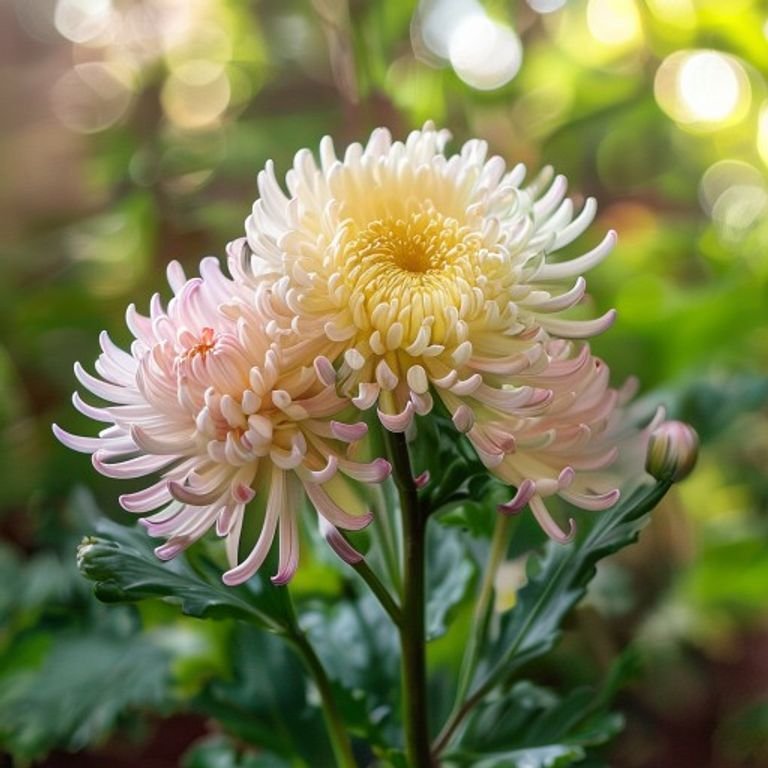
The visual appeal of Chrysanthemums is undeniable. They produce showy, multi-layered flowers that come in an astonishing range of shapes and sizes. From tight, button-like pompons to large, shaggy spider forms and delicate anemone types, each variety offers a unique aesthetic. Their petals can be smooth, quilled, or spoon-shaped, adding to their intricate beauty.
Flowers
The most striking feature of the Chrysanthemum is, of course, its flowers. These autumn flowers bloom in an impressive spectrum of colours, including crisp whites, sunny yellows, soft pinks, fiery reds, deep purples, and vibrant oranges. This vast palette allows for endless creative possibilities in garden design and floral arrangements. The autumn flowering season ensures a spectacular display when many other plants are fading, making them a true highlight of the cooler months.
Foliage
While the flowers steal the show, the foliage of the Chrysanthemum also contributes to its charm. The leaves are typically green, often deeply lobed or toothed, providing a lush backdrop for the colourful blooms. They have a distinct, slightly aromatic scent, which adds another dimension to the plant’s sensory appeal.
Fragrance
Many varieties of Chrysanthemum possess a subtle yet distinctive fragrance. It’s often described as earthy, spicy, or slightly herbaceous. While not as intensely perfumed as some other flowering plants, the aroma adds a pleasant touch, especially when the plants are grown in clusters or used in indoor arrangements.
Decorative Value
The decorative value of Chrysanthemums, particularly as a festival flower, is immense. They are indispensable for Diwali, Durga Puja, and other festive occasions, gracing homes, temples, and celebratory spaces. Their long vase life makes them excellent cut flowers, allowing the beauty of your garden to be brought indoors. As potted plants, or “pot mums,” they make beautiful gifts and can instantly brighten up any balcony, patio, or entranceway, offering a spectacular burst of autumn colour.
Growing Requirements
To ensure your Chrysanthemums thrive and deliver their spectacular autumn display, understanding their specific growing requirements is key. These plants are moderately easy to care for, but a little attention to detail will go a long way.
Light
Chrysanthemums are sun-loving plants. For optimal growth and prolific flowering, they require full sun, meaning at least 6 hours of direct sunlight per day. In the Indian climate, especially during the peak summer months before their autumn bloom, ensure they receive ample light. If they don’t get enough sunlight, their growth can become leggy, and flowering will be sparse or non-existent.
Water
These plants prefer moderate watering. The key is consistent moisture, especially during their active growth phase and when they are flowering. The soil should be kept evenly moist but never waterlogged. Always check the top inch of the soil; if it feels dry, it’s time to water. Reduce watering slightly in cooler, dormant periods. Overwatering can lead to serious problems like root rot.
Temperature
Chrysanthemums thrive in moderate temperatures. While they can tolerate the heat of late summer in India, they truly come into their own and produce their best blooms when temperatures start to cool down, ideally between 15°C and 25°C. This makes them perfectly suited for the Indian autumn and winter months. Protect them from extreme heat during summer and from severe frost if you intend to grow them as perennials in colder regions.
Humidity
Moderate humidity levels are generally suitable for Chrysanthemums. Excessive humidity, especially when combined with poor air circulation, can lead to fungal issues. In very dry conditions, a light misting can be beneficial, but focus more on consistent soil moisture.
Soil
Well-draining, fertile soil is crucial for healthy Chrysanthemums. They prefer a slightly acidic to neutral pH range, typically between 6.0 and 7.0. A good garden soil enriched with organic matter, such as compost or well-rotted manure, will provide the nutrients and drainage they need.
Potting Mix
For Chrysanthemums grown in pots, a high-quality potting mix is essential. Choose a mix that offers excellent drainage while retaining some moisture. A good blend usually contains peat moss, perlite, vermiculite, and compost. Ensure your pots have adequate drainage holes to prevent waterlogging.
Fertilizer
Regular feeding supports vigorous growth and abundant flowering. During the active growing season (spring and summer), use a balanced liquid fertilizer every 2-4 weeks. As the plant approaches its flowering period in late summer and early autumn, switch to a fertilizer higher in potassium to encourage strong bloom development. Always follow the manufacturer’s instructions for dosage.
How to Care for This Plant
Caring for Chrysanthemums is a rewarding experience, and with these practical steps, you can ensure a spectacular display of autumn flowers.
- Pinching for Bushiness: This is perhaps the most important step for getting a bushy Chrysanthemum plant with plenty of blooms. Starting in June and continuing through July (or until early August, depending on your climate), pinch off the top 1-2 inches of new growth from each stem. This encourages the plant to branch out, resulting in a fuller, more rounded shape and significantly more flowers. Stop pinching by late July or early August to allow flower buds to form for autumn blooming.
- Consistent Watering: As mentioned, Chrysanthemums need consistent moisture. Water deeply when the top inch of soil feels dry. Avoid overhead watering, especially in the evenings, as wet foliage can encourage fungal diseases. Water directly at the base of the plant.
- Feeding Schedule: Stick to your fertilization routine. Begin with a balanced fertilizer in spring/early summer and switch to a high-potassium formula as flowering time approaches. Remember, a hungry plant won’t bloom to its full potential.
- Deadheading Spent Blooms: To encourage continuous flowering and maintain a neat appearance, regularly remove faded or spent flowers. This process, known as deadheading, prevents the plant from expending energy on seed production and directs it towards producing more blooms.
- Providing Support: Taller varieties of Chrysanthemums, or those heavily laden with flowers, may need support to prevent their stems from bending or breaking. Use stakes or a grow-through plant support ring early in the season, allowing the plant to grow up through it naturally.
- Pest and Disease Monitoring: Regularly inspect your plants for any signs of pests or diseases. Early detection makes treatment much easier and more effective.
- Seasonal Pruning (for Perennials): If you plan to overwinter your Chrysanthemums as perennials, cut back the entire plant to about 6-8 inches above the ground after the flowering season is completely over and the foliage has died back. This helps the plant conserve energy and encourages new growth in the spring.
- Winter Protection (for Perennials): In regions with very cold winters, apply a thick layer of mulch (straw, leaves, or wood chips) around the base of the plant after pruning to protect the roots from frost. In many parts of India, this isn’t strictly necessary, but good drainage is always important.
Common Problems and Solutions
Even with the best care, Chrysanthemums can sometimes encounter issues. Here are some common problems and their solutions:
- Yellow Leaves:
- Cause: Often due to overwatering (leading to root rot), underwatering, or nutrient deficiencies (especially nitrogen).
- Solution: Check soil moisture. Ensure good drainage. Adjust watering frequency. Apply a balanced fertilizer if nutrient deficiency is suspected.
- Pests (Aphids, Spider Mites, Thrips):
- Cause: These tiny insects feed on plant sap, causing distorted growth, yellowing leaves, and reduced vigour.
- Solution: Blast them off with a strong spray of water. Use neem oil spray or insecticidal soap for more severe infestations. Introduce beneficial insects if possible.
- Fungal Diseases (Powdery Mildew, Leaf Spot):
- Cause: Powdery mildew appears as white, powdery patches on leaves; leaf spot manifests as dark spots. Both are encouraged by high humidity, poor air circulation, and overhead watering.
- Solution: Ensure good air circulation. Avoid watering leaves. Remove affected foliage. Apply a suitable fungicide if necessary.
- Root Rot:
- Cause: Primarily caused by consistently waterlogged soil due to overwatering or poor drainage.
- Solution: Improve drainage by amending soil or repotting with better mix. Reduce watering frequency. Unfortunately, severely affected plants may not recover.
- Poor Flowering/Bud Drop:
- Cause: Insufficient sunlight, improper pinching (pinching too late), nutrient imbalance (too much nitrogen, not enough phosphorus/potassium), or environmental stress (extreme temperature fluctuations, water stress).
- Solution: Ensure full sun exposure. Stop pinching by early August. Use a bloom-boosting fertilizer. Provide consistent care.
- Slow Growth:
- Cause: Lack of nutrients, insufficient light, or compacted soil.
- Solution: Fertilize regularly. Ensure adequate sunlight. Loosen soil or repot with fresh potting mix.
- Leaf Drop:
- Cause: Can be a sign of severe stress – extreme over or underwatering, sudden temperature changes, or pest infestations.
- Solution: Identify and address the underlying stressor. Provide consistent care.
Benefits
Beyond their sheer beauty, Chrysanthemums offer several benefits that make them a valuable addition to any Indian garden or home.
Home Decoration
With their spectacular autumn colour and long vase life, Chrysanthemums are a staple for home decoration. Potted plants can adorn entryways, living rooms, and balconies, bringing warmth and cheer. Cut flowers are perfect for festive arrangements, adding a touch of traditional elegance to any celebration.
Balcony Gardening
Their compact growth habit, especially many “pot mums” varieties, makes Chrysanthemums ideal for balcony gardening. They thrive in containers, allowing urban dwellers to enjoy their vibrant blooms and transform small spaces into colourful havens. The diversity in flower colour means you can create a truly personalized display.
Landscaping
In larger gardens, Chrysanthemums are excellent for mass plantings, creating breathtaking carpets of autumn colour. They can be used to border pathways, fill flowerbeds, or create focal points, adding structure and vibrancy to the landscape when many other plants are winding down for the season.
Pollinator Friendly
Chrysanthemums, particularly single-flowered or open-centred varieties, are known to attract beneficial pollinators like bees and butterflies to the garden. While some highly double varieties may be less accessible to pollinators, many types still provide a valuable nectar source, contributing to local biodiversity.
Frequently Asked Questions
Here are some common questions about growing Chrysanthemums:
How to get bushy plants?
To achieve bushy Chrysanthemum plants with abundant blooms, the most effective method is “pinching.” This involves regularly pinching off the growing tips of the stems, ideally from June to July. This encourages the plant to produce more side branches, resulting in a fuller, bushier plant with a greater number of flowers. Stop pinching by early August to allow the flower buds to form for autumn flowering.
Do they bloom only once?
While the main flowering season for Chrysanthemums is autumn, which is when they put on their most spectacular display, some varieties can rebloom or have an extended flowering period, especially with proper deadheading. However, their primary and most profuse blooming period is usually once a year in the autumn, triggered by shorter days and cooler temperatures.
Can I grow from cuttings?
Yes, Chrysanthemums are very easy to grow from stem cuttings. This is a popular and effective method for propagating new plants from your favourite varieties. Simply take 4-6 inch long cuttings from healthy, non-flowering stems in spring or early summer, remove the lower leaves, dip the cut end in rooting hormone (optional but recommended), and plant them in a well-draining potting mix. Keep the soil moist, and they should root within a few weeks.
Final Thoughts
The Chrysanthemum truly lives up to its title as the Queen of Autumn Gardens, gracing our Indian homes and landscapes with an unparalleled display of colour and form. By understanding their simple needs for sunlight, water, and consistent care, including the crucial practice of pinching, you can cultivate these magnificent flowers with confidence. Whether you’re celebrating a festival, enhancing your balcony, or adding a splash of seasonal cheer to your garden beds, the Chrysanthemum offers enduring beauty and a rewarding gardening experience.
Embrace the vibrant allure of the Chrysanthemum and let its cheerful blooms transform your space. Plantrea is the online plant platform from Wynorg, helping plant lovers across India discover quality plants, practical growing advice, and trusted nursery sourcing. We are committed to supporting your gardening journey, making it easier for you to grow and cherish beautiful plants like the ever-popular Chrysanthemum.
Interested in This Plant?
If the stunning Chrysanthemum has captured your imagination, and you’re curious about bringing its vibrant autumn charm to your own home or garden, our Plant Expert chat is here to help! Available at the bottom-right corner of every page, our knowledgeable Plant Experts are ready to assist you with all your gardening queries. They can provide real-time information and guidance, making your plant journey smooth and enjoyable.
Feel free to use the Plant Expert chat to check whether the Chrysanthemum is currently available for purchase through Plantrea. You can also get personalised plant recommendations tailored to your specific home or garden conditions, ensuring you choose the perfect plants for your space. Have specific questions about Chrysanthemum care and maintenance, or perhaps encountered a minor issue? Our experts can offer practical solutions and advice.
Moreover, if the Chrysanthemum happens to be unavailable or you’re simply looking for more options, our Plant Experts can help you discover suitable alternatives that offer similar aesthetic appeal or thrive in comparable conditions. Think of them as your personal gardening assistant, always ready to share insights and support your passion for plants. Don’t hesitate to reach out and make the most of this valuable resource!
Want to buy this plant? Visit https://plantrea.com/shop-2/