Red Rose Plant – Classic Symbol of Love & Romance | Wynorg Nursery
Few flowers evoke feelings of love, passion, and timeless beauty quite like the Red Rose. Its rich, velvety petals and captivating fragrance have made it a beloved classic in Indian homes and gardens for generations. Whether adorning a vibrant garden bed, gracing a balcony planter, or taking center stage in a beautiful bouquet, the Red Rose holds a special place in our hearts and culture. Its allure is undeniable, making it a popular choice for celebrations, expressions of affection, and simply adding a touch of elegance to any setting.
For those looking to bring this iconic beauty into their lives, understanding its care is key. At Plantrea, the online plant platform by Wynorg, a trusted Indian brand known for delivering healthy live plants safely across India, we’re dedicated to helping you cultivate thriving plants. This comprehensive guide will walk you through everything you need to know to grow and cherish your very own Red Rose.
Botanical Overview
The Red Rose is a truly magnificent specimen, with a rich history and captivating characteristics that make it stand out in the plant kingdom.
- Botanical Name: While commonly known as the Red Rose, the specific variety we are discussing here is Rosa ‘Red Masterpiece’. Roses belong to a vast and diverse genus, and ‘Red Masterpiece’ is a hybrid cultivar specifically bred for its stunning red blooms and vigorous growth.
- Plant Family: All roses, including this beautiful Red Rose, belong to the Rosaceae family. This family is vast and includes many other well-known fruits like apples, pears, and strawberries, highlighting its importance in both ornamental and agricultural spheres.
- Origin: Modern garden roses like ‘Red Masterpiece’ are complex hybrids, resulting from centuries of cross-breeding various wild rose species primarily from Asia, Europe, and North America. They are not native to a single region but are a testament to human cultivation.
- Plant Type: This Red Rose is classified as a flowering shrub. Shrubs are woody plants that are generally smaller than trees and have multiple stems branching from near the ground.
- Growth Habit: Rosa ‘Red Masterpiece’ exhibits an upright growth habit, meaning it tends to grow vertically rather than spreading widely. This makes it ideal for defined garden spaces, formal rose beds, or even as a striking potted plant on a patio. It typically reaches a height of 2-4 feet.
Why People Love This Plant
The Red Rose, particularly a fragrant rose like Rosa ‘Red Masterpiece’, is cherished for numerous reasons, making it a perennial favourite across India.
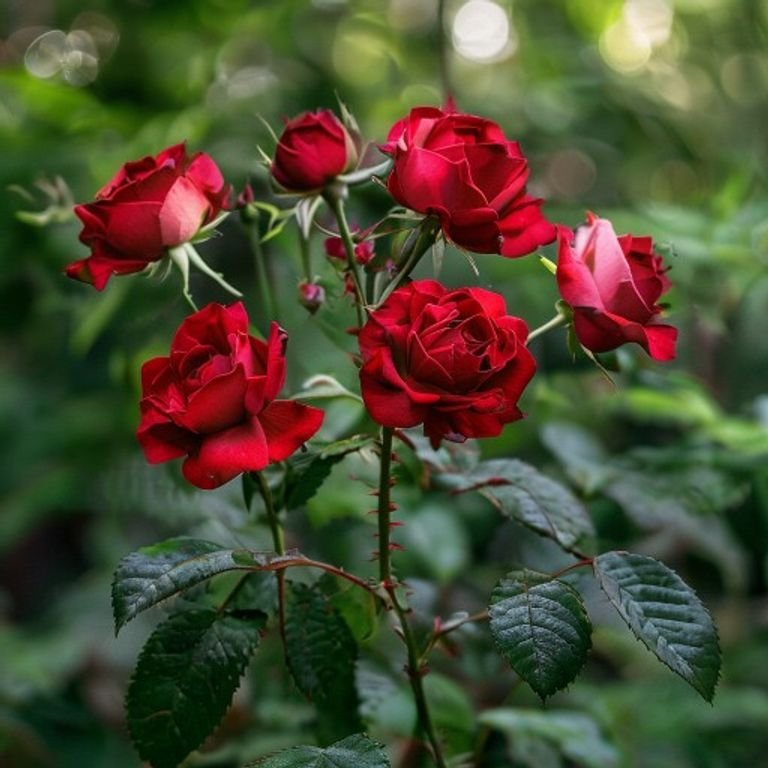
- Appearance: The sheer visual appeal of a Red Rose is unparalleled. This variety produces large, well-formed blooms with a luxurious, velvety texture that deepens its rich red colour. Each petal unfurls gracefully, creating a classic, elegant shape.
- Flowers: The star of the show, the flowers of this Red Rose are vibrant and command attention. They are known for repeat flowering, gracing your garden with their beauty from spring all the way through fall with proper care. This continuous display is a major reason for its popularity, ensuring a long season of enjoyment.
- Foliage: Complementing the stunning flowers, the foliage of the Red Rose is typically a healthy, deep green. The leaves are usually glossy and provide a lush backdrop that makes the red blooms truly pop, enhancing the overall aesthetic of the plant.
- Fragrance: One of the most enchanting qualities of Rosa ‘Red Masterpiece’ is its strong, intoxicating fragrance. This classic rose scent fills the air, adding another dimension to its beauty and making it a truly sensory delight. The fragrant rose is perfect for those who appreciate more than just visual appeal in their garden.
- Decorative Value: The decorative uses for this Red Rose are endless. It’s a classic choice for rose gardens, creating breathtaking displays. Its beauty and fragrance also make it an ideal cut flower plant for bouquets, brightening up any indoor space. As a symbol of love, it’s also a perfect romantic gift.
Growing Requirements
To ensure your Red Rose thrives and produces its magnificent blooms, it’s essential to provide it with the right growing conditions. Here’s what this beautiful flowering shrub needs:
- Light: The Red Rose demands full sun exposure, meaning at least 6 hours of direct sunlight per day. In the intense Indian sun, morning sun followed by some afternoon shade can be beneficial in extremely hot regions, but generally, more sun equals more blooms. Insufficient light will result in leggy growth and sparse flowering.
- Water: This plant requires moderate watering. The key is deep watering, ensuring the water penetrates the root zone. During the growing season, especially in hot and dry weather, aim to water twice weekly. Always check the soil moisture before watering; the top 2-3 inches of soil should feel dry before you water again. Avoid overhead watering late in the day, as wet foliage overnight can encourage fungal diseases.
- Temperature: Roses thrive in moderate temperatures. While they can tolerate the heat of Indian summers, extreme temperatures (above 35-40°C) can cause stress. They prefer daytime temperatures between 20-30°C and cooler nights. Protection from harsh midday sun might be needed in peak summer in some parts of India.
- Humidity: Red Roses prefer moderate humidity. Extremely high humidity combined with poor air circulation can encourage fungal issues like black spot and powdery mildew, which are common problems in India’s monsoon season. Ensure good air circulation around the plants.
- Soil: Well-draining, rich, loamy soil is ideal for a Red Rose. The soil should be fertile and have a slightly acidic to neutral pH (6.0 to 7.0). Good drainage is crucial to prevent root rot, so avoid heavy clay soils that retain too much water.
- Potting Mix: If growing your Red Rose in a pot, choose a high-quality potting mix specifically designed for flowering plants or roses. Ensure it’s well-draining, aerated, and rich in organic matter. A mix of garden soil, coco peat, and compost in equal parts works well for containers.
- Fertilizer: Regular fertilizing is vital for abundant blooms. During the growing season (spring to fall), feed your Red Rose every 4-6 weeks. Use a balanced rose-specific fertilizer or a complete granular fertilizer rich in phosphorus and potassium to encourage flowering. Reduce feeding during the monsoon and stop completely during winter dormancy.
How to Care for This Plant
Caring for a Red Rose can be a rewarding experience. Follow these practical steps to keep your plant healthy and blooming:
- Planting: Choose a location with full sun and good air circulation. Dig a hole twice as wide as the root ball and just as deep. Amend the soil with plenty of organic compost before planting. If planting in a pot, ensure it’s at least a 12-inch pot to accommodate root growth.
- Watering Schedule: As mentioned, deep water twice weekly in dry conditions. Water at the base of the plant to keep foliage dry. In monsoons, reduce watering significantly, relying on natural rainfall.
- Fertilizing Regimen: Begin fertilizing in early spring as new growth appears. Follow the package instructions for your chosen rose fertilizer. A monthly dose of liquid feed or granular fertilizer for roses during the active growing season will fuel those beautiful Red Rose blooms.
- Pruning: Pruning is essential for the health and vigour of your Red Rose. The best time for major pruning in India is late winter or early spring, just before new growth begins (typically January-February in most regions). Remove dead, diseased, or damaged branches, as well as any weak or crossing stems. Aim to create an open, airy structure to improve air circulation. Throughout the growing season, deadhead spent blooms regularly to encourage more flowers and prevent seed formation.
- Pest and Disease Management: Regularly inspect your Red Rose for signs of pests or diseases. Early detection is key. Refer to the common problems section for specific issues. Maintaining good hygiene by cleaning up fallen leaves and debris can also help.
- Mulching: Apply a 2-3 inch layer of organic mulch (like wood chips, straw, or compost) around the base of the plant, keeping it a few inches away from the stem. Mulch helps retain soil moisture, regulate soil temperature, and suppress weeds.
- Winter Care: In regions with mild winters, roses might not go completely dormant. In colder Indian regions, reduce watering and stop fertilizing as temperatures drop. Light pruning can be done to tidy up the plant. Protect young plants from frost if necessary.
Common Problems and Solutions
Even the most cared-for Red Rose can encounter issues. Here are some common problems and practical solutions:
- Yellow Leaves:
- Cause: Often due to overwatering, underwatering, or nutrient deficiency (especially iron or nitrogen). Pests or diseases can also be a factor.
- Solution: Check soil moisture before watering. Ensure good drainage. Apply a balanced rose fertilizer or specific micronutrient supplement if deficiency is suspected. Inspect for pests.
- Pests:
- Aphids: Small, soft-bodied insects clustering on new growth and buds, causing leaves to curl.
- Solution: Spray with a strong stream of water, use neem oil spray, or introduce ladybugs (natural predators).
- Thrips: Tiny, slender insects that feed on petals and leaves, causing silvery streaks, distorted growth, and browning edges on flowers.
- Solution: Use yellow sticky traps, neem oil spray, or appropriate organic insecticides. Remove affected blooms.
- Aphids: Small, soft-bodied insects clustering on new growth and buds, causing leaves to curl.
- Fungal Diseases:
- Black Spot: Dark, circular spots with yellow halos on leaves, often causing leaf drop.
- Solution: Improve air circulation, water at the base, remove infected leaves, and use a fungicidal spray. Good sanitation is crucial.
- Powdery Mildew: White, powdery coating on leaves, stems, and buds, especially in humid conditions with poor air circulation.
- Solution: Ensure good air circulation, prune for openness, and spray with baking soda solution (1 tsp baking soda in 1 litre water with a few drops of liquid soap) or a commercial fungicide.
- Black Spot: Dark, circular spots with yellow halos on leaves, often causing leaf drop.
- Root Rot:
- Cause: Almost always due to overwatering and poorly draining soil, leading to roots suffocating and decaying.
- Solution: Ensure excellent drainage. If in a pot, repot with fresh, well-draining soil. Reduce watering frequency.
- Poor Flowering:
- Cause: Insufficient sunlight, lack of nutrients, improper pruning, or stress.
- Solution: Ensure at least 6 hours of full sun. Fertilize regularly with a rose-specific formula. Prune correctly in winter and deadhead spent blooms.
- Slow Growth:
- Cause: Poor soil, inadequate nutrients, insufficient light, or environmental stress.
- Solution: Amend soil with compost, fertilize appropriately, ensure full sun, and address any pest or disease issues.
- Leaf Drop:
- Cause: Can be a symptom of various stresses including severe pest infestations, disease (like black spot), extreme temperature fluctuations, or severe watering issues.
- Solution: Identify and address the underlying cause. Provide consistent care and a stable environment.
Benefits
Beyond its undeniable beauty, the Red Rose offers several benefits that make it a cherished addition to any Indian garden or home.
- Home Decoration: The classic red blooms and strong fragrance make it an exquisite cut flower plant, perfect for creating stunning bouquets and floral arrangements that elevate any interior space. A single Red Rose in a vase can transform a room.
- Balcony Gardening: With the right size pot (at least 12-inch), a Red Rose can thrive beautifully on a sunny balcony, bringing vibrant colour and a delightful aroma to urban living spaces. It’s an ideal choice for a fragrant rose in a container.
- Landscaping: The upright growth habit and repeat flowering make Rosa ‘Red Masterpiece’ excellent for creating dedicated rose gardens, vibrant borders, or as a focal point in mixed shrub beds. Its elegance enhances any landscape design.
- Pollinator Friendly: While highly cultivated, roses still attract beneficial pollinators like bees and butterflies to your garden, contributing to the local ecosystem and helping with the pollination of other plants.
- Symbolic Value: As a romantic gift, the Red Rose is universally recognized as a symbol of love, passion, and admiration. Gifting a Red Rose, or growing one, carries profound emotional significance, making it more than just a plant.
Frequently Asked Questions
How often should I fertilize my Red Rose?
You should fertilize your Red Rose every 4-6 weeks during its active growing season, which typically spans from spring through fall. Reduce feeding during the monsoon and cease completely during the cooler winter months when the plant’s growth slows down.
Why are my Red Rose leaves curling?
Curling leaves on your Red Rose are often an indication of a pest infestation, most commonly aphids, which suck sap from new growth. It can also be a sign of a fungal disease like powdery mildew, especially if accompanied by a white, dusty coating. Inspect your plant closely for either of these issues.
Can I grow a Red Rose in a pot?
Yes, you can absolutely grow a Red Rose in a pot, provided you choose an adequately sized container. We recommend using a pot of at least 12 inches in diameter to allow sufficient space for root development and to support the plant’s growth habit. Ensure the pot has good drainage holes.
Final Thoughts
The Red Rose, with its timeless elegance and intoxicating fragrance, is more than just a plant; it’s a symbol of enduring beauty and affection. By understanding its basic needs for sunlight, water, and nutrients, and by diligently addressing common issues, you can enjoy a garden filled with these magnificent blooms for many years. Whether you envision a classic rose garden, a vibrant balcony display, or simply wish to cultivate the perfect cut flower plant, the Red Rose is an excellent choice for any Indian gardener.
We hope this guide empowers you to grow a thriving Red Rose. Remember, gardening is a journey of continuous learning and joy. Plantrea is the online plant platform from Wynorg, helping plant lovers across India discover quality plants, practical growing advice, and trusted nursery sourcing. Happy gardening!
Interested in This Plant?
If the allure of the Red Rose has captured your heart and you’re eager to add this stunning plant to your collection, we invite you to connect with our Plant Expert chat. It’s a convenient and friendly way to get all your questions answered directly by experienced gardeners.
Our Plant Expert is here to assist you with everything related to the Red Rose. You can easily check whether this specific fragrant rose variety is currently available for purchase, get personalised plant recommendations tailored to your home or garden’s unique conditions, or simply ask any lingering questions about its care and maintenance.
Perhaps you’re looking for a similar cut flower plant or want to explore other beautiful flowering shrubs? Our Plant Expert can also help you discover suitable alternatives if the Red Rose isn’t quite right for your space or if you wish to diversify your garden. Look for the chat icon at the bottom-right corner of your screen to start a conversation today!
Want to buy this plant? Visit https://plantrea.com/shop-2/