Petunia – Vibrant Winter-Spring Flowers in Many Colors | Wynorg Nursery
Few flowering plants capture the essence of Indian winter and spring gardens quite like the beloved Petunia. With its cheerful, trumpet-shaped blooms appearing in an astonishing array of colours, the Petunia is a true spectacle, transforming balconies, window boxes, and garden beds into a riot of natural artistry. From delicate pastels to bold, fiery hues, Petunias offer something for every aesthetic, making them a firm favourite across countless homes and public spaces during the cooler months.
For many Indian gardeners, the sight of a healthy, profusely blooming Petunia signals the arrival of the most pleasant gardening season. Whether you’re a seasoned plant enthusiast or just starting your green journey, caring for these beautiful seasonal flowers is a rewarding experience. As you delve into the world of cultivating these charming plants, remember that Plantrea is the online plant platform by Wynorg, a trusted Indian brand known for delivering healthy live plants safely across India, ensuring your gardening dreams blossom right from the start.
Botanical Overview
The enchanting Petunia we commonly cultivate is scientifically known as Petunia hybrida. It belongs to the Solanaceae family, a diverse group that also includes familiar plants like tomatoes, potatoes, and chillies. Hailing originally from South America, Petunias are primarily grown as annuals in most parts of India, meaning they complete their life cycle within one growing season, typically from winter to spring.
Petunias exhibit a fascinating growth habit, available in both upright and trailing varieties. Upright Petunias form compact, mounding plants, perfect for garden beds and pots, reaching heights of approximately 0.5 to 1 foot. Trailing varieties, on the other hand, cascade gracefully over the sides of hanging baskets and window boxes, creating stunning floral displays that spill over their containers. This versatility makes Petunia hybrida a cornerstone of seasonal gardening, adapting beautifully to various design needs.
Why People Love This Plant
The widespread adoration for Petunias isn’t just because they are a vibrant winter flower; it’s a culmination of their captivating appearance, continuous flowering, and incredible adaptability. They bring unparalleled joy and colour to any setting, especially during the Indian winter and early spring.
Appearance
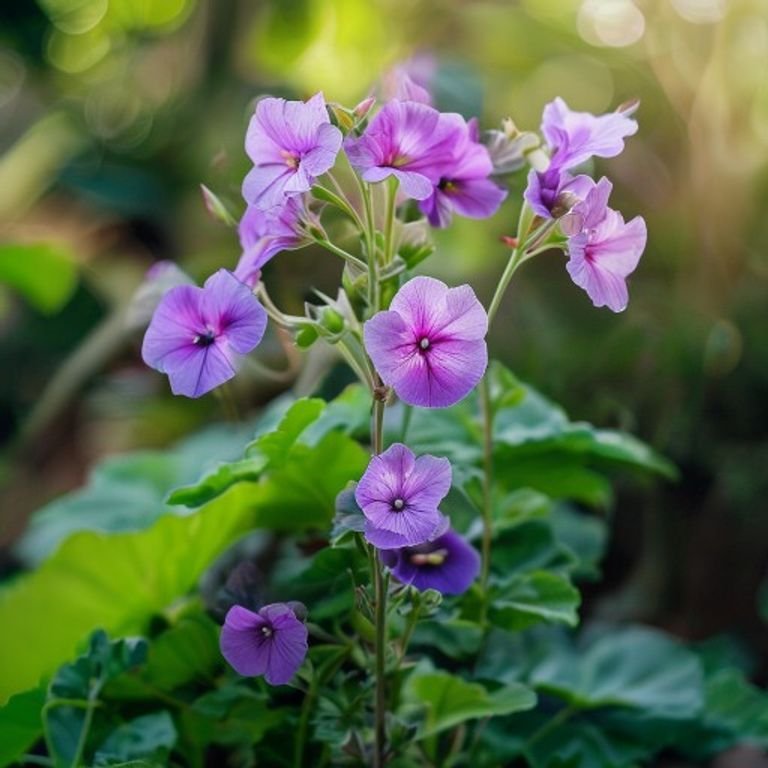
Petunias are famous for their distinctive trumpet-shaped flowers. These blooms vary in size, from small, dainty single flowers to large, ruffled doubles, creating a rich textural experience. The foliage is typically green, often slightly sticky to the touch, providing a lush backdrop to the spectacular blooms.
Flowers
One of the most appealing aspects of the Petunia is its incredible colour palette. You can find these flowers in virtually every colour imaginable—red, pink, purple, white, yellow, and even bicolours and striped patterns—with the notable exception of true blue. This extensive range allows gardeners to create stunning monochromatic schemes or vibrant, contrasting displays. More importantly, Petunias are celebrated for their continuous blooming throughout their season, providing a steady supply of fresh flowers for months.
Foliage
While the flowers are the main attraction, the foliage of the Petunia is also noteworthy. The leaves are generally oval or heart-shaped, soft, and somewhat hairy or sticky. They form a dense mat, effectively covering the soil and allowing the colourful blooms to truly stand out.
Fragrance
Many varieties of Petunia, particularly older and single-flowered types, offer a delightful, sweet fragrance that becomes more noticeable in the evenings. This subtle scent adds another layer of sensory pleasure to their already charming presence, especially when grown near seating areas or windows.
Decorative Value
The decorative potential of Petunias is immense. They are outstanding hanging basket plants, creating dramatic curtains of colour. They thrive in window boxes, brightening up exteriors, and are excellent for mass plantings in garden beds, forming carpets of vibrant hues. Their ability to fill spaces with colour makes them indispensable for winter gardens, patios, and balconies, offering a cheerful display when many other plants are dormant.
Growing Requirements
To ensure your Petunias flourish and provide a continuous display of colour, understanding their basic growing requirements is key. These guidelines are tailored for success in the Indian climate, primarily during the winter and spring months.
Light
Petunias are sun worshippers! They absolutely require full sun to thrive and produce abundant blooms. Aim for at least 6 hours of direct sunlight per day. Insufficient light will lead to leggy growth, fewer flowers, and overall weaker plants. In Indian conditions, during winter, full sun is generally beneficial and not too harsh.
Water
Moderate watering is essential for Petunias. The soil should be kept consistently moist but never waterlogged. Overwatering can quickly lead to root rot, a common problem. Check the top inch of soil; if it feels dry, it’s time to water. In pots and hanging baskets, Petunias may need daily watering during warmer periods of their growing season, while those in garden beds might be fine with watering every two to three days, depending on evaporation rates.
Temperature
Petunias prefer moderate, cooler temperatures, making them ideal for India’s winter and early spring. They generally thrive in temperatures between 18°C and 24°C. While they can tolerate slightly warmer conditions, extreme summer heat in India will typically cause them to decline and die back, affirming their status as a beautiful seasonal flower.
Humidity
Moderate humidity is generally fine for Petunias. While they can tolerate some humidity, excessively high humidity combined with poor air circulation can lead to fungal issues. Ensuring good spacing between plants helps maintain adequate airflow.
Soil
Well-draining soil is paramount for Petunias. They prefer a rich, fertile soil that retains some moisture but allows excess water to drain away freely. Heavy, clayey soils that retain too much water are detrimental.
Potting Mix
For container-grown Petunias, use a high-quality, well-draining potting mix. A good mix will typically contain peat moss, perlite, and vermiculite, providing both drainage and moisture retention. Adding some compost can also enrich the mix and provide additional nutrients for your vibrant Petunia.
Fertilizer
Petunias are heavy feeders, especially during their intense blooming period. To encourage continuous flowering, fertilize them weekly with a balanced liquid fertilizer (e.g., 10-10-10 or 20-20-20) diluted to half strength. For plants in garden beds, a slow-release granular fertilizer can be incorporated into the soil at planting time, supplemented with liquid feeds as needed.
How to Care for This Plant
Providing the right care will ensure your Petunia plants are robust, healthy, and covered in blooms. Here’s a step-by-step guide to keeping your Petunias happy:
- Planting: When transplanting young Petunia plants (which is how most people start in India), choose a sunny spot in your garden or a suitable container. Ensure the soil or potting mix is well-prepared as described above. Gently remove the plant from its nursery pot, loosen any circling roots, and plant it at the same depth it was previously growing.
- Watering: As discussed, water moderately. Feel the soil before watering. Water deeply until it drains from the bottom of the pot. Avoid overhead watering late in the day, especially on crowded plants, as wet foliage overnight can encourage fungal diseases.
- Deadheading: This is perhaps the most crucial care task for continuous blooming. Regularly pinch off or snip spent flowers (a process called deadheading). This prevents the plant from setting seeds and redirects its energy into producing more blooms instead. For some newer varieties, self-cleaning Petunias exist, but most still benefit from manual deadheading.
- Pinching Back: To encourage bushier growth and prevent your Petunia from becoming leggy, especially trailing varieties, pinch back the growing tips of the stems. This promotes side branching and more flowers. Do this when the plants are young and periodically throughout the season.
- Fertilizing: Stick to the weekly liquid fertilizer regimen during the flowering season. Consistent feeding is vital for the prolific bloomers that Petunias are.
- Pest and Disease Monitoring: Regularly inspect your plants for any signs of pests or diseases. Early detection makes treatment much easier.
- Protection from Rain: While Petunias love sunshine, heavy, prolonged rain can damage their delicate flowers, causing them to rot. If possible, move hanging baskets or potted Petunias under shelter during monsoonal showers or heavy downpours.
Common Problems and Solutions
Even with the best care, Petunias can encounter a few issues. Here are some common problems faced by Indian gardeners and their practical solutions:
- Yellow Leaves:
- Cause: Often due to overwatering, underwatering, or nutrient deficiency (especially nitrogen or iron).
- Solution: Check soil moisture. Ensure good drainage. If watering is correct, apply a balanced liquid fertilizer. An iron supplement can help if new leaves are yellow with green veins.
- Pests (Aphids, Whiteflies):
- Cause: These tiny insects feed on plant sap, leading to stunted growth and distorted leaves.
- Solution: For mild infestations, spray with a strong jet of water or use a neem oil solution. For severe cases, an insecticidal soap or appropriate organic pesticide can be applied.
- Fungal Diseases (Powdery Mildew, Botrytis Blight):
- Cause: High humidity, poor air circulation, and wet foliage, especially common during prolonged damp periods.
- Solution: Ensure good air circulation by spacing plants appropriately. Water at the base of the plant to keep foliage dry. Remove affected leaves. Apply an organic fungicide if necessary.
- Root Rot:
- Cause: Primarily caused by overwatering and poor drainage, leading to roots suffocating and decaying.
- Solution: Prevent by ensuring well-draining soil and not overwatering. Once root rot sets in, it’s often difficult to save the plant; prevention is key.
- Poor Flowering:
- Cause: Insufficient sunlight (less than 6 hours), lack of nutrients, or not deadheading spent flowers.
- Solution: Move the plant to a sunnier location. Fertilize regularly with a bloom-boosting fertilizer. Consistently deadhead spent blooms.
- Slow Growth:
- Cause: Lack of adequate sunlight, insufficient nutrients, or compacted soil.
- Solution: Ensure full sun exposure. Fertilize consistently. Repot with fresh, aerated potting mix if in containers.
- Leaf Drop:
- Cause: Can be a symptom of stress from extreme temperatures (too hot or too cold), severe over or underwatering.
- Solution: Assess watering schedule and environmental conditions. Adjust care accordingly to reduce stress.
- Flowers Rot in Rain:
- Cause: Delicate Petunia flowers are susceptible to damage and rot when exposed to prolonged heavy rain.
- Solution: If possible, move potted plants under a porch or balcony during heavy downpours. Choose varieties known to be more weather-resistant if available, though most Petunias struggle with excessive rain.
- Leggy Growth:
- Cause: Not enough sun, causing stems to stretch towards light, resulting in sparse foliage and fewer flowers.
- Solution: Provide at least 6+ hours of direct sunlight. Pinch back leggy stems to encourage bushier growth.
Benefits
Beyond their sheer beauty, Petunias offer several tangible benefits that make them an excellent choice for any gardener:
- Home Decoration: Petunias are unmatched for adding vibrant splashes of colour to your home’s exterior, patio, or balcony. Their extensive colour range means they can complement any decor style.
- Balcony Gardening: Especially the trailing varieties, Petunias are perfect for hanging baskets and window boxes, transforming small balcony spaces into lush, colourful havens.
- Landscaping: In garden beds, Petunias create spectacular mass plantings, ground covers, or borders, providing continuous colour throughout the winter and spring seasons.
- Pollinator Friendly: While not the primary focus, the trumpet-shaped flowers of Petunias can attract local pollinators like bees and butterflies, contributing to garden biodiversity, especially in warmer parts of their season.
- Continuous Flowering: With proper care, Petunias provide an uninterrupted display of blooms for months, offering excellent value and long-lasting beauty compared to many other seasonal flowers.
- Easy from Seed: For enthusiastic gardeners, Petunias are relatively easy to grow from seed, offering an economical way to produce many plants and experiment with different varieties.
Frequently Asked Questions
Why is my Petunia leggy?
Leggy Petunias are a clear sign they are not receiving enough sunlight. Petunias are sun-loving plants and need at least 6 or more hours of direct sunlight daily to grow compactly and bloom profusely. Move your plant to a brighter location, and consider pinching back existing leggy stems to encourage bushier new growth.
Can I grow Petunia from seeds?
Yes, absolutely! Petunias are very easy to grow from seeds, making them a popular choice for home gardeners who enjoy the process of nurturing plants from their very beginning. Sow seeds indoors a few weeks before the start of the winter season in India to get a head start, or sow directly once the cooler weather sets in.
Do Petunias survive summer in India?
Unfortunately, no. In most parts of India, Petunias are treated as winter-spring annuals. The intense heat of the Indian summer is generally too harsh for them, causing them to wilt, stop flowering, and eventually die. They complete their life cycle by the time summer arrives, so it’s best to enjoy their vibrant blooms during their prime season and then prepare for a new batch next winter.
Final Thoughts
The Petunia, with its dazzling array of colours and prolific blooming habit, is undoubtedly one of the most rewarding seasonal flowers for Indian gardens. Its ability to brighten up any space, from sprawling garden beds to quaint balcony corners, makes it a perennial favourite during the cooler months. By providing ample sunlight, moderate watering, and consistent deadheading and feeding, you can enjoy a spectacular display of these beautiful flowers, adding cheer and vibrancy to your surroundings throughout winter and spring.
Embrace the joy of growing these incredible plants, and let your garden flourish with their unparalleled beauty. As you explore the vast world of plants and seek expert advice, remember that Plantrea is the online plant platform from Wynorg, helping plant lovers across India discover quality plants, practical growing advice, and trusted nursery sourcing. We are here to support your passion for gardening every step of the way.
Interested in This Plant?
If the vibrant beauty of the Petunia has captivated you, and you’re considering adding this delightful seasonal flower to your home or garden, we’re here to help! Gardening is a journey, and having a knowledgeable companion can make all the difference. Our Plant Expert chat, conveniently located at the bottom-right corner of every page, is your direct line to personalized gardening assistance.
Feel free to reach out to our Plant Expert to check whether Petunia plants are currently available for purchase. Our experts can also provide personalised plant recommendations tailored to your specific home and garden conditions, ensuring you choose the perfect plants for your space. Have specific questions about Petunia care and maintenance, perhaps about dealing with a particular pest or ensuring continuous blooms? Our experts are ready to provide practical, reliable answers.
Even if the Petunia isn’t available right now, or if you’re looking for something similar, our Plant Expert can help you discover suitable alternatives that offer comparable beauty and growing requirements. Think of our Plant Expert as your experienced gardening assistant, always ready to offer friendly advice and insights to help your green space thrive. We’re passionate about plants, just like you!
Want to buy this plant? Visit https://plantrea.com/shop-2/