White Jaboticaba Care Guide: Grow This Unique Fruit Tree in Your Indian Garden
The White Jaboticaba, a truly enchanting fruit tree, has been captivating the hearts of Indian gardeners and home growers alike with its unique charm and delectable fruits. Imagine a tree where the trunk and branches burst forth with an abundance of small, round, pearly-white fruits – it’s a sight to behold and a taste to savour! This fascinating plant offers not just a bounty of sweet treats but also an exceptional ornamental appeal, making it a prized addition to any garden or patio. Its adaptability to various Indian climates, especially the warmer regions, further solidifies its position as a beloved choice for those looking to add something truly special to their green spaces.
For plant enthusiasts across the nation, understanding the specific needs of such exotic beauties is key to a thriving garden. Plantrea is the online plant platform by Wynorg, a trusted Indian brand known for delivering healthy live plants safely across India. We believe in empowering every gardener with the right knowledge to nurture their plants successfully, and the White Jaboticaba is certainly a rewarding journey.
Botanical Overview
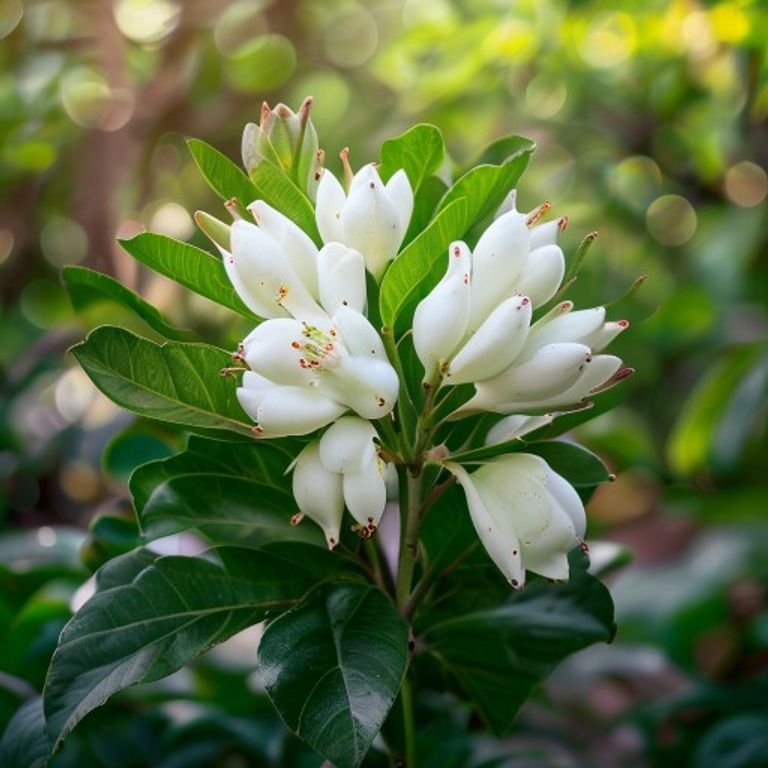
The White Jaboticaba, scientifically known as Myrciaria aureana, belongs to the extensive Myrtaceae family, which also includes guavas and eucalyptus. Originating from the rich biodiversity of Brazil, this plant is primarily a tropical to subtropical evergreen tree or a large shrub. Its growth habit is quite distinctive; it’s a slow-growing plant that typically forms a dense, bushy canopy, making it suitable for smaller gardens or even container cultivation. Mature White Jaboticaba trees can reach heights of 3 to 6 meters, though they can be kept smaller with regular pruning. What truly sets it apart is its cauliflorous nature – the flowers and subsequent fruits emerge directly from the woody trunk and branches, creating a stunning visual display.
Why People Love This Plant
The White Jaboticaba is more than just a fruit tree; it’s a living sculpture that brings beauty and bounty to any Indian home or garden. Its unique characteristics make it a standout choice for plant lovers.
Appearance
The overall appearance of the White Jaboticaba is quite elegant. It features dense, glossy green foliage that provides a lush backdrop throughout the year. The tree often develops an attractive, somewhat irregular silhouette, adding character to the landscape. Its bark, smooth and mottled, tends to peel in flakes, revealing lighter patches beneath, which adds to its visual interest, particularly in mature specimens.
Flowers
Before the fruits appear, the White Jaboticaba produces small, delicate, white, star-like flowers that cling directly to the trunk and branches. While individually inconspicuous, when they bloom in profusion, they create a charming, snow-dusted effect on the woody parts of the tree. These small blossoms are a prelude to the abundant fruit that follows, often appearing multiple times throughout the year, especially after periods of rain, making it a delight to watch.
Foliage
The foliage of the White Jaboticaba is evergreen, consisting of small to medium-sized, elliptical leaves that are a vibrant, deep green. These leaves are thick, leathery, and have a somewhat glossy surface, contributing to the plant’s overall healthy and vigorous appearance. The dense canopy they form provides excellent shade and a rich, verdant presence in the garden.
Fragrance
While not overtly strong, the small white flowers of the White Jaboticaba do emit a delicate, mildly sweet fragrance. This subtle aroma can be quite pleasant when the tree is in full bloom, adding another layer of sensory appeal to this remarkable plant.
Decorative Value
Beyond its delicious fruits, the White Jaboticaba offers significant decorative value. Its unique cauliflorous fruiting habit makes it a fascinating specimen tree, a definite conversation starter. It can be a beautiful focal point in a garden, an attractive addition to a patio when grown in a large pot, or even an interesting element in an edible landscape design. The contrasting white fruits against the dark bark are particularly striking.
Growing Requirements
To successfully grow and care for White Jaboticaba in your Indian garden, understanding its specific growing requirements is crucial. Providing the right conditions from the start will ensure a healthy, productive tree.
Light
White Jaboticaba thrives in full sun, which means it needs at least 6-8 hours of direct sunlight per day to produce abundant fruit. However, in regions with extremely harsh afternoon sun, especially during peak summer in India, a location that offers partial shade or filtered sunlight during the hottest part of the day can be beneficial to prevent leaf scorch. Young plants, in particular, appreciate some protection from intense direct sun.
Water
Consistent moisture is key for White Jaboticaba. This plant does not tolerate drought well, especially when young or fruiting. The soil should be kept consistently moist but never waterlogged. Regular watering, especially during dry spells and the fruiting season, is essential. During the hot Indian summers, you might need to water every day or every other day, depending on the soil type and pot size. Reduce watering slightly during cooler, dormant periods.
Temperature
Being a tropical plant, White Jaboticaba prefers warm temperatures. It flourishes in temperatures ranging from 20°C to 35°C. While mature trees can tolerate brief dips to around 0°C, prolonged exposure to cold temperatures or frost can damage or even kill the plant. In colder Indian regions, it’s best grown in containers that can be moved indoors during winter months, or provided with adequate frost protection.
Humidity
High humidity is beneficial for White Jaboticaba, mimicking its native tropical environment. India’s monsoon season and coastal regions generally provide ample humidity. In drier inland areas, especially during non-monsoon periods, mulching around the base of the tree can help retain soil moisture and increase local humidity. Misting foliage is generally not practical for a mature tree, but can help young plants.
Soil
White Jaboticaba prefers well-draining, slightly acidic soil with a pH between 5.5 and 6.5. It can tolerate a range of soil types, including sandy loams and clay loams, as long as drainage is excellent. Heavy, waterlogged soils will lead to root rot. Amending heavy soils with organic matter like compost can improve drainage and aeration.
Potting Mix
If growing in a pot, use a high-quality, well-draining potting mix. A good mix would typically contain a combination of peat moss or coco coir, perlite or vermiculite, and compost. Ensure the pot has ample drainage holes. Repotting every few years into a larger pot with fresh potting mix will support the plant’s growth and fruiting capacity.
Fertilizer
Feed your White Jaboticaba regularly, especially during its active growing and fruiting seasons. Use a balanced slow-release fertilizer or a liquid feed rich in nitrogen, phosphorus, and potassium. Look for formulations with micronutrients like iron, zinc, and manganese. For young plants, fertilize every 2-3 months. Mature, fruiting trees can benefit from more frequent feeding, perhaps monthly during peak growth. Organic options like well-rotted compost or vermicompost can also be incorporated into the soil around the base of the tree.
How to Care for This Plant
Cultivating a healthy and productive White Jaboticaba tree in your Indian garden is a rewarding experience. Here’s a practical, step-by-step guide to its care:
- Consistent Watering: As established, regular watering is paramount. Check the soil moisture daily during hot periods by sticking your finger about an inch or two into the soil. If it feels dry, it’s time to water. Reduce frequency during cooler months.
- Mulching: Apply a layer of organic mulch (like wood chips, bark, or compost) around the base of the tree. This helps retain soil moisture, suppresses weeds, and slowly releases nutrients, mimicking its natural forest floor environment. Keep mulch a few inches away from the trunk to prevent rot.
- Pruning: Pruning is important for shaping the tree, managing its size, and encouraging better fruit production. Remove any dead, diseased, or crossing branches. Light pruning can be done after a fruiting cycle to encourage new growth. For aesthetic reasons, you can trim branches to maintain a desired shape or to open up the canopy for better air circulation and light penetration.
- Pest and Disease Monitoring: Regularly inspect your White Jaboticaba for any signs of pests or diseases. Early detection makes treatment much easier.
- Protection from Frost: If you live in a region prone to occasional cold snaps, protect young White Jaboticaba plants by covering them with frost cloths or moving potted plants indoors.
- Support for Young Trees: Stake young trees if they are in a windy location or if their trunk isn’t yet strong enough to support the canopy, ensuring straight growth.
- Pollination: White Jaboticaba flowers are self-fertile, meaning a single tree can produce fruit. However, the presence of pollinators like bees and other insects can sometimes enhance fruit set.
Common Problems and Solutions
While White Jaboticaba is generally robust, gardeners might encounter a few common issues. Here are some problems and their practical solutions:
- Yellow Leaves:
- Cause: Often due to overwatering (leading to root rot) or nutrient deficiency (especially iron). Can also be a sign of underwatering or too much direct sunlight for young plants.
- Solution: Check soil moisture. If waterlogged, reduce watering frequency and improve drainage. If dry, water thoroughly. Test soil pH; if it’s too alkaline, the plant might struggle to absorb iron. Apply a chelated iron supplement or an acidic fertilizer.
- Pests:
- Cause: Common pests include scale insects, mealybugs, and aphids. They suck sap, weakening the plant.
- Solution: For mild infestations, wipe off pests with a cloth dipped in soapy water or spray with a strong jet of water. For heavier infestations, use neem oil spray or an appropriate organic insecticide.
- Fungal Diseases:
- Cause: High humidity combined with poor air circulation can lead to fungal issues like powdery mildew or leaf spots.
- Solution: Improve air circulation by light pruning. Ensure the plant isn’t overcrowded. Apply a suitable organic fungicide if necessary. Avoid overhead watering, especially in the evenings.
- Root Rot:
- Cause: Primarily caused by consistently waterlogged soil due to overwatering or poor drainage.
- Solution: Ensure excellent drainage in both pots and garden beds. Water only when the top few inches of soil are dry. If the plant is in a pot, consider repotting into fresh, well-draining soil and a pot with better drainage.
- Poor Flowering/Fruiting:
- Cause: Insufficient sunlight, lack of nutrients, inconsistent watering, or plant immaturity. White Jaboticaba can take several years to fruit from seed.
- Solution: Ensure the plant receives full sun. Fertilize regularly with a balanced fertilizer. Maintain consistent soil moisture. Be patient, as young plants need time to mature.
- Slow Growth:
- Cause: White Jaboticaba is naturally a slow grower. However, extremely slow growth can indicate nutrient deficiency, inadequate light, or improper watering.
- Solution: Review light, water, and fertilization practices. Ensure the soil is healthy and well-draining. Providing optimal conditions will support its natural growth rate.
- Leaf Drop:
- Cause: Can be a stress response to sudden changes in environment, extreme temperatures (too cold or too hot), severe underwatering, or overwatering.
- Solution: Identify and rectify the stressor. Ensure consistent care, stable temperatures, and proper watering.
Benefits
The White Jaboticaba offers a multitude of benefits that extend beyond just its delicious fruit, making it a valuable addition to any Indian home or garden:
- Home Decoration: With its dense, glossy foliage and unique cauliflorous fruiting habit, the White Jaboticaba serves as a magnificent ornamental plant. The sight of white fruits clinging directly to the trunk is a captivating display, adding exotic beauty and a conversation piece to your living space or garden.
- Balcony Gardening: Its relatively slow growth and compact nature, especially with regular pruning, make White Jaboticaba an excellent candidate for container gardening. This allows even those with limited space, such as balcony gardeners, to enjoy fresh tropical fruits.
- Landscaping: As a small to medium-sized tree, it fits beautifully into various landscape designs. It can be used as a specimen tree, part of an edible landscape, or even as a unique hedge if pruned appropriately, adding structural interest and a year-round green presence.
- Pollinator Friendly: While self-fertile, the small white flowers of the White Jaboticaba attract local pollinators like bees and other beneficial insects. This supports biodiversity in your garden and contributes to the overall health of your local ecosystem.
- Delicious and Nutritious Fruit: The primary benefit, of course, is its incredibly sweet and aromatic fruit. White Jaboticaba fruits are rich in antioxidants, vitamins, and minerals, offering a healthy and refreshing treat directly from your garden. They can be eaten fresh, made into juices, jams, or jellies.
Frequently Asked Questions
How long does it take for White Jaboticaba to fruit?
White Jaboticaba, when grown from seed, can take anywhere from 5 to 10 years to start fruiting, sometimes even longer. However, if you purchase a grafted plant or a more mature sapling from a trusted nursery, it can begin fruiting much sooner, often within 2 to 4 years. Patience is a virtue when growing this unique fruit tree.
Can White Jaboticaba be grown in a pot?
Absolutely! White Jaboticaba adapts very well to container cultivation, making it an excellent choice for balcony gardens or smaller spaces. When growing in a pot, ensure you use a large pot with good drainage, a well-draining potting mix, and provide consistent watering and feeding. You might need to repot it into a larger container every few years as it grows.
What kind of soil does White Jaboticaba prefer?
White Jaboticaba thrives in well-draining, slightly acidic soil with a pH between 5.5 and 6.5. It prefers soil that is rich in organic matter. Avoid heavy, compacted soils that retain too much water, as this can lead to root rot. Amending your soil with compost or well-rotted manure will greatly improve its structure and fertility.
Final Thoughts
Bringing a White Jaboticaba into your garden is an invitation to experience the magic of tropical fruiting. Its distinct growth habit, delicious fruits, and year-round appeal make it a truly rewarding plant for any Indian gardener. By providing consistent care, the right growing conditions, and a little patience, you’ll be able to enjoy the bountiful harvests and unique beauty of this exceptional tree. Whether you’re a seasoned gardener or just starting your green journey, growing White Jaboticaba is an enriching experience that connects you with nature’s wonders.
Plantrea is the online plant platform from Wynorg, helping plant lovers across India discover quality plants, practical growing advice, and trusted nursery sourcing. We are dedicated to making your gardening journey enjoyable and successful, ensuring you have access to the best information and healthy plants for your home and garden.
Interested in This Plant?
If the fascinating White Jaboticaba has captured your interest, you might have more questions about bringing this unique fruit tree into your own garden. Our Plant Expert chat, conveniently located at the bottom-right corner of every page, is here to assist you.
Our experienced gardening assistants can help you check if the White Jaboticaba is currently available, provide personalised plant recommendations suited to your specific climate and garden conditions, or answer any specific questions you have about its care and maintenance. You can also discover suitable alternatives if this particular plant isn’t available or if you’re looking for something similar.
Feel free to reach out to our Plant Expert. They are ready to offer friendly, knowledgeable advice to help you cultivate a thriving and beautiful garden.
Want to buy this plant? Visit https://plantrea.com/shop-2/