Growing Sabara Jaboticaba: A Sweet Addition to Your Indian Garden
Imagine plucking juicy, sweet, grape-like fruits directly from the trunk of a beautiful tree in your own garden or balcony. This isn’t a dream, but a delightful reality with the Sabara Jaboticaba. This unique fruit tree, known for its distinctive cauliflorous habit—meaning its flowers and fruits emerge directly from its bark—has captured the hearts of many Indian plant enthusiasts. Its ease of care, ornamental value, and prolific fruiting make it a cherished plant for both seasoned gardeners and beginners alike. Plantrea is the online plant platform by Wynorg, a trusted Indian brand known for delivering healthy live plants safely across India, and we’re excited to share everything you need to know about nurturing this incredible plant.
The Sabara Jaboticaba (Approach Graft) is particularly sought after because the “approach graft” method often means you get a plant that fruits much faster than one grown from seed, bringing the joy of homegrown fruit to your table sooner. Its adaptability to various Indian climates, from humid coastal regions to warmer inland areas, makes it a fantastic choice for a wide range of gardening setups. Whether you have a sprawling garden or a cozy balcony, the Sabara Jaboticaba can thrive and reward you with its delicious bounty.
Botanical Overview
The Sabara Jaboticaba is a fascinating member of the plant kingdom. Understanding its botanical background helps appreciate its unique characteristics and growing needs.
- Botanical Name: Myrciaria jaboticaba (often also referred to as Plinia cauliflora)
- Plant Family: Myrtaceae (the same family as guava and eucalyptus)
- Origin: Native to the subtropical regions of Brazil, particularly the states of Minas Gerais and São Paulo.
- Plant Type: Evergreen shrub or small tree
- Growth Habit: The Sabara Jaboticaba is a slow-growing plant, typically forming a dense, multi-stemmed bush or a small tree with a rounded canopy. Its most distinctive feature is its cauliflory – flowers and fruits developing directly on the main trunk and older branches. The “Approach Graft” indicates a specific propagation method where two plants are joined while still on their own roots, ensuring a stronger, faster-fruiting plant.
Why People Love This Plant
The Sabara Jaboticaba isn’t just a fruit tree; it’s a conversation starter and a source of immense joy for gardeners. Here’s why it’s so beloved:
Appearance
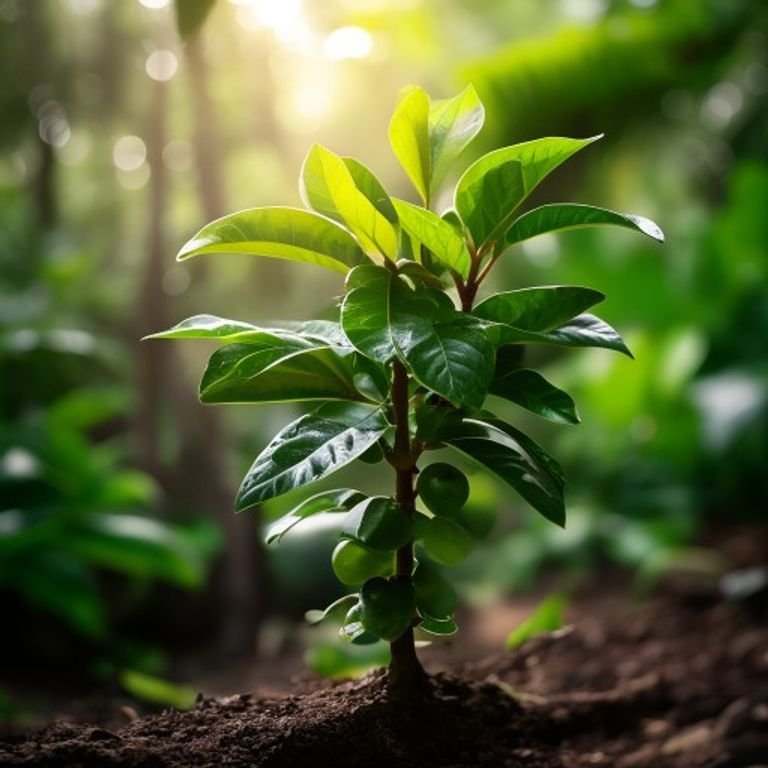
The plant itself is highly ornamental. Its dense, glossy, dark green leaves provide a lush backdrop year-round. The bark is smooth and peels off in patches, revealing a reddish-brown underlayer, adding textural interest. But the real spectacle begins when it flowers and fruits.
Flowers
The small, delicate white flowers emerge in clusters directly on the trunk and mature branches, creating a striking visual contrast against the dark bark. These appear multiple times a year, often preceding a flush of fruit.
Foliage
The evergreen foliage is attractive throughout the year, making it a beautiful specimen even when not fruiting. Young leaves often emerge with a reddish tint before maturing to a deep green, adding subtle seasonal colour variations.
Fragrance
While the flowers are not intensely fragrant, they emit a mild, sweet scent when blooming, attracting pollinators.
Decorative Value
With its unique growth habit, beautiful foliage, and the stunning sight of fruits directly on its trunk, the Sabara Jaboticaba is a highly decorative plant. It can be a magnificent focal point in a garden, an intriguing specimen on a patio, or even a delightful bonsai subject.
Growing Requirements
To ensure your Sabara Jaboticaba thrives in Indian conditions, pay close attention to these key growing requirements:
Light
Sabara Jaboticaba prefers full sun for best fruiting, meaning at least 6-8 hours of direct sunlight per day. It can tolerate partial shade, but this may reduce fruit production. In extremely hot Indian summers, especially in regions with intense midday sun, some afternoon shade can be beneficial, particularly for young plants in pots.
Water
Consistent moisture is crucial for the Sabara Jaboticaba, especially during flowering and fruiting periods. It does not like to dry out completely. Water regularly and deeply, allowing the top inch or two of soil to dry out slightly between waterings. Ensure good drainage to prevent waterlogging, which can lead to root rot. During the monsoon, be mindful of excessive rainfall and ensure your potted plants have excellent drainage.
Temperature
Being a tropical to subtropical plant, the Sabara Jaboticaba thrives in warm Indian temperatures. It prefers temperatures between 20°C to 30°C. While mature plants can tolerate brief dips to near freezing, prolonged cold or frost can damage or kill young plants. In regions experiencing cooler winters, protect young plants or consider moving potted plants indoors.
Humidity
The Sabara Jaboticaba appreciates high humidity, much like its native Brazilian environment. Most parts of India, especially during monsoon and post-monsoon, offer suitable humidity levels. In very dry climates, occasional misting or placing the pot on a pebble tray with water can help increase localized humidity.
Soil
Well-draining, slightly acidic soil is ideal for Sabara Jaboticaba (pH 5.5-6.5). It prefers soil rich in organic matter. Heavy clay soils that retain too much water should be amended with sand, compost, and other organic materials to improve drainage.
Potting Mix
For container-grown Sabara Jaboticaba, use a high-quality potting mix that drains well. A good mix would be a combination of coco peat, perlite, vermicompost, and some garden soil. Avoid mixes that become compacted easily. Ensure your pot has ample drainage holes.
Fertilizer
Fertilize your Sabara Jaboticaba regularly, especially during its growing and fruiting seasons. Use a balanced, slow-release granular fertilizer, or a liquid feed formulated for fruit trees. Young plants benefit from a fertilizer with a slightly higher nitrogen content to encourage foliage growth, while fruiting plants need more phosphorus and potassium. Follow package instructions, as over-fertilizing can harm the plant. Reduce fertilization during dormant periods, typically in cooler months.
How to Care for This Plant
Caring for your Sabara Jaboticaba involves a few key practices to ensure a healthy, productive plant:
- Watering Schedule: As mentioned, consistency is key. Check the soil moisture every few days. If the top 1-2 inches feel dry, it’s time to water. Reduce frequency slightly in cooler, less active periods.
- Pruning: Minimal pruning is generally required. Focus on removing any dead, diseased, or crossing branches. You can also prune to maintain a desirable shape and size, especially for potted plants. Pruning can also help open up the canopy to improve air circulation and light penetration, which is beneficial for fruit production.
- Pest and Disease Monitoring: Regularly inspect your plant for any signs of pests or diseases. Early detection makes treatment easier.
- Seasonal Care:
- Summer: Ensure consistent watering, possibly more frequently during heatwaves. Provide some afternoon shade if the sun is too intense.
- Monsoon: Ensure excellent drainage for potted plants to prevent waterlogging. Check for fungal issues due to high humidity.
- Winter: Protect young plants from cold snaps or frost. Reduce watering frequency as the plant’s growth slows.
- Repotting: For potted Sabara Jaboticaba, repot every 2-3 years into a slightly larger pot, or refresh the potting mix in the same pot to replenish nutrients.
Common Problems and Solutions
Even with the best care, you might encounter a few common issues with your Sabara Jaboticaba. Here’s how to address them:
- Yellow Leaves:
- Cause: Often due to nutrient deficiency (especially iron or zinc in alkaline soils), overwatering (leading to root rot), or underwatering.
- Solution: Check soil pH; if too high, amend with an acidic fertilizer or peat moss. Ensure proper watering and drainage. Apply a balanced fertilizer with micronutrients.
- Pests:
- Cause: Sabara Jaboticaba is relatively pest-resistant, but occasionally mealybugs, scale insects, or aphids can appear.
- Solution: Inspect regularly. For mild infestations, wipe off pests with a cotton swab dipped in rubbing alcohol or spray with a strong jet of water. For larger infestations, use neem oil spray or an appropriate organic insecticide.
- Fungal Diseases:
- Cause: High humidity combined with poor air circulation can lead to fungal spots or powdery mildew.
- Solution: Ensure good air circulation around the plant. Avoid overhead watering, especially in the evenings. Prune crowded branches. Apply a suitable organic fungicide if necessary.
- Root Rot:
- Cause: Primarily caused by consistently waterlogged soil due to poor drainage or overwatering.
- Solution: Improve soil drainage. For potted plants, ensure drainage holes are not blocked and the potting mix is free-draining. Allow soil to dry out slightly between waterings. If severe, repot with fresh, well-draining soil and trim any rotted roots.
- Poor Flowering/Fruiting:
- Cause: Insufficient sunlight, nutrient deficiency, inconsistent watering, or plant immaturity (though approach-grafted plants fruit earlier).
- Solution: Ensure full sun exposure. Provide a balanced fertilizer, especially one higher in phosphorus and potassium during flowering season. Maintain consistent moisture.
- Slow Growth:
- Cause: Jaboticabas are naturally slow growers, but extremely slow growth can indicate nutrient deficiency, insufficient light, or improper watering.
- Solution: Ensure adequate sunlight, consistent watering, and regular fertilization with a balanced feed.
- Leaf Drop:
- Cause: Can be due to transplant shock, drastic changes in environment, extreme temperature fluctuations, or severe watering issues (both over and under).
- Solution: Provide stable growing conditions. Ensure consistent watering. Avoid sudden changes in location or temperature.
Benefits
Beyond its aesthetic appeal, the Sabara Jaboticaba offers numerous benefits for homes and gardens:
- Delicious Fresh Fruit: The primary appeal is its unique, sweet, and juicy fruit, perfect for eating fresh, making jams, jellies, juices, or even wine. Harvesting directly from your own plant is incredibly rewarding.
- Home Decoration: Its evergreen foliage, distinctive cauliflorous habit, and attractive bark make it a beautiful ornamental tree for any garden or large balcony.
- Balcony Gardening: The Sabara Jaboticaba adapts well to container growing, making it an excellent choice for balcony gardeners in Indian cities. The approach graft technique often means it can fruit in a pot at a smaller size.
- Pollinator Friendly: Its small, fragrant flowers attract bees and other beneficial pollinators to your garden, contributing to local biodiversity.
Frequently Asked Questions
FAQ 1: How long does Sabara Jaboticaba take to fruit after planting?
While seedlings can take 8-10 years or even longer to fruit, an approach-grafted Sabara Jaboticaba, like the ones often available, can begin fruiting much earlier. You might see fruits within 2-4 years, or sometimes even sooner, depending on the plant’s age and care when you acquire it. This is one of the significant advantages of opting for a grafted plant.
FAQ 2: Can I grow Sabara Jaboticaba in a pot in India?
Absolutely! Sabara Jaboticaba is an excellent candidate for container gardening, making it perfect for balconies, patios, and smaller gardens across India. Choose a large pot (at least 15-20 gallons or 60-75 litres) with good drainage, use a well-draining potting mix, and ensure regular watering and feeding. You may need to repot into a larger container every few years as the plant grows.
FAQ 3: What is the best way to fertilize my Sabara Jaboticaba plant?
For optimal growth and fruiting, fertilize your Sabara Jaboticaba with a balanced, slow-release granular fertilizer (e.g., 10-10-10 or 8-8-8) every 3-4 months during the growing season. Alternatively, you can use a liquid fertilizer every 2-4 weeks, diluting it according to package instructions. For fruiting plants, a fertilizer with a slightly higher phosphorus and potassium content can encourage better fruit production. Always water the plant thoroughly before and after applying granular fertilizer.
Final Thoughts
Bringing a Sabara Jaboticaba (Approach Graft) into your home or garden is an investment in beauty, uniqueness, and the sheer delight of fresh, homegrown fruit. With a little care and attention to its specific needs for sunlight, water, and soil, this remarkable plant will thrive in the diverse climates of India, becoming a cherished part of your green space. Enjoy the journey of watching its unique flowers transform into delicious berries directly on its trunk, providing a truly exceptional gardening experience. Plantrea is the online plant platform from Wynorg, helping plant lovers across India discover quality plants, practical growing advice, and trusted nursery sourcing.
Interested in This Plant?
If the unique charm and sweet rewards of the Sabara Jaboticaba have captivated your interest, we encourage you to explore further. This delightful fruit tree is a fantastic addition to any Indian garden or balcony, offering both beauty and delicious fresh fruit. We understand that every gardener’s situation is unique, and you might have specific questions about growing the Sabara Jaboticaba in your particular environment.
For personalized guidance and to ensure this plant is the perfect fit for your home, consider using Plantrea’s Plant Expert chat. It’s available at the bottom-right corner of every page, ready to assist you. Our Plant Expert can help you check whether the Sabara Jaboticaba (Approach Graft) is currently available for purchase and delivery to your location.
Beyond availability, our Plant Expert can also provide personalized plant recommendations tailored to your home or garden conditions, answer any specific questions you have about Sabara Jaboticaba care and maintenance, or even help you discover suitable alternative plants if this particular variety happens to be unavailable at the moment. Think of our Plant Expert as your friendly, knowledgeable gardening assistant, here to make your plant journey smoother and more successful.
Want to buy this plant? Visit https://plantrea.com/shop-2/