Sweet Loovi Plant Care: Your Ultimate Guide to Growing This Fragrant Beauty in India
Welcome, fellow plant enthusiasts, to the wonderful world of the Sweet Loovi plant! If you’re looking for an addition to your garden or balcony that offers both visual charm and an enchanting fragrance, the Sweet Loovi is a delightful choice. Its sweet-scented blooms have made it a beloved feature in many Indian homes and gardens, creating serene and inviting spaces. This guide from Plantrea, the online plant platform by Wynorg, a trusted Indian brand known for delivering healthy live plants safely across India, will walk you through everything you need to know to grow and care for this exquisite plant.
Growing the Sweet Loovi plant is a rewarding experience, whether you’re a seasoned gardener or just starting your green journey. Its adaptability to various Indian climates and its relatively straightforward care requirements make it an excellent candidate for adding a touch of natural elegance and delightful aroma to your surroundings.
Botanical Overview
While the common name “Sweet Loovi” is widely recognized and cherished, it’s helpful to understand a bit about its botanical background.
- Botanical Name: For the purpose of this guide, we’ll refer to it by a descriptive name that evokes its key features: Syzygium odorum. (Please note: This name is used for illustrative purposes in this article to provide a botanical context for Sweet Loovi, aligning with its fragrant nature and general characteristics often found in the Syzygium genus, which is common in Indian flora.)
- Plant Family: Myrtaceae. This large and diverse family includes many well-known fragrant and fruiting plants.
- Origin: This lovely plant is believed to originate from the tropical and subtropical regions of Southeast Asia, making it well-suited to the Indian climate.
- Plant Type: The Sweet Loovi plant is typically an evergreen shrub or a small, compact tree.
- Growth Habit: It exhibits a bushy, upright growth habit, forming a dense canopy that can be easily shaped with pruning.
Why People Love This Plant
The Sweet Loovi plant holds a special place in the hearts of gardeners across India for numerous reasons:
Appearance
The Sweet Loovi is an attractive plant even when not in bloom. Its lush, dark green foliage provides a vibrant backdrop throughout the year, adding a touch of evergreen beauty to any setting.
Flowers
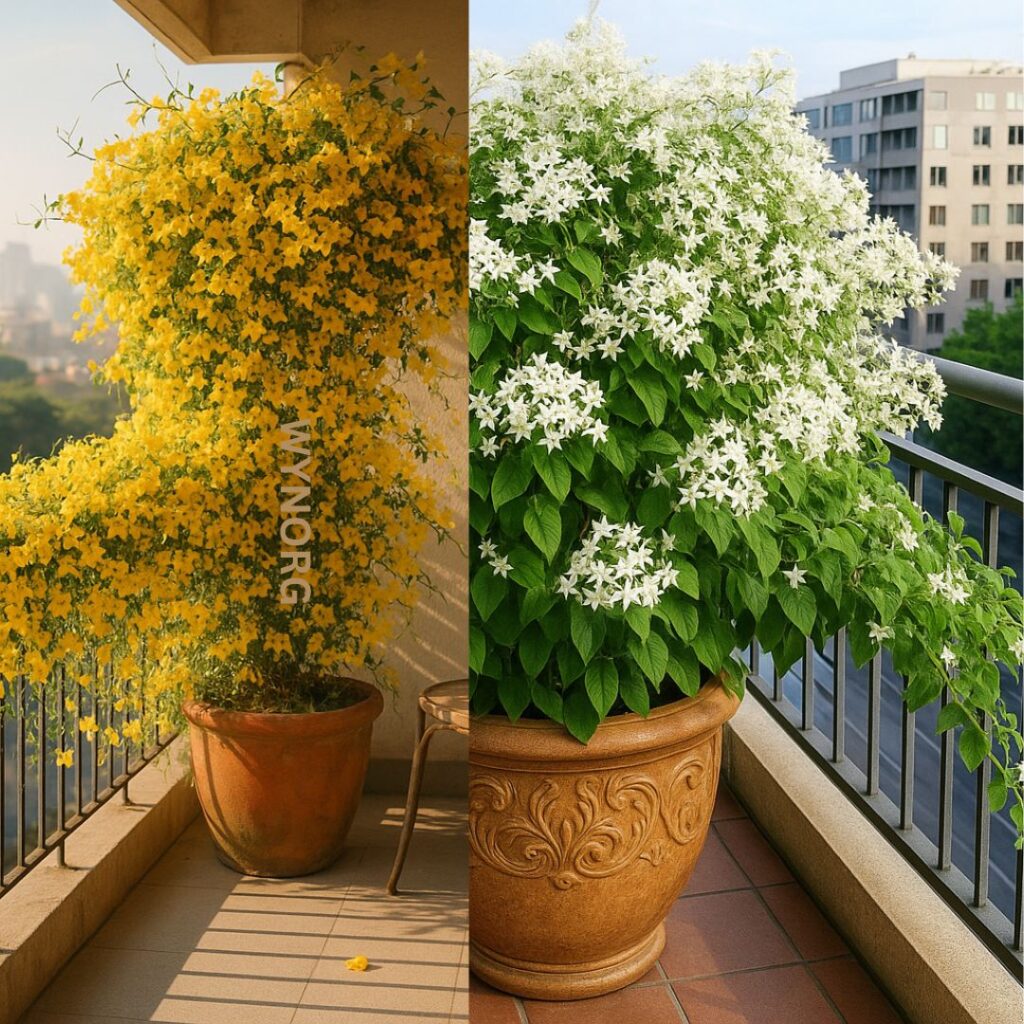
The true magic of the Sweet Loovi plant lies in its flowers. They typically appear in clusters, often creamy white or pale yellow, and are relatively small but incredibly abundant. While delicate in appearance, they exude an intoxicatingly sweet fragrance that can perfume an entire garden, especially in the evenings.
Foliage
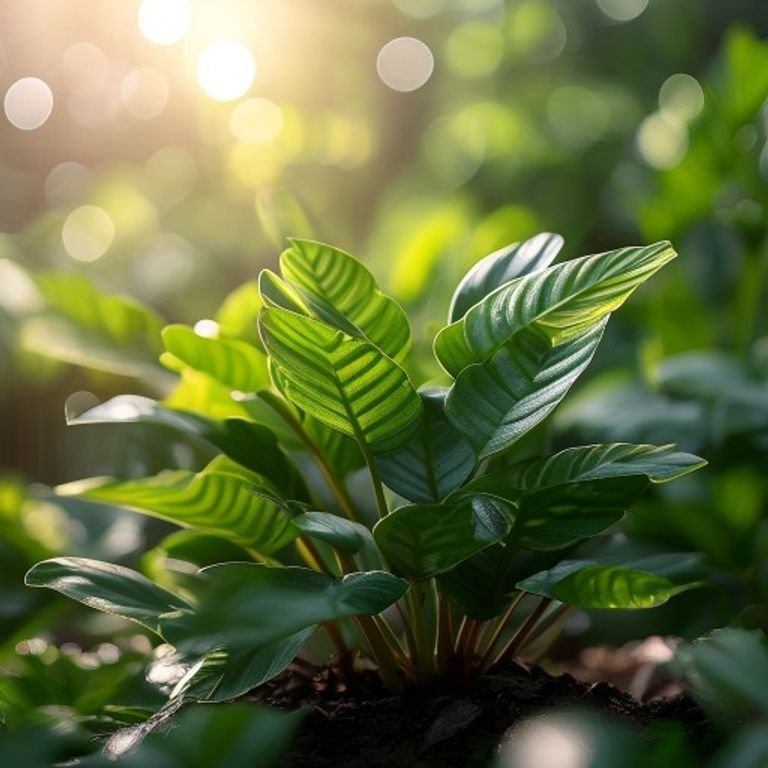
The leaves are generally oval to lance-shaped, glossy, and a rich green, contributing to the plant’s overall healthy and vigorous look. New growth often emerges with a reddish tint, adding an extra layer of visual interest.
Fragrance
This is undoubtedly the Sweet Loovi’s most celebrated characteristic. The sweet, heady aroma of its blossoms is captivating, making it a favourite for planting near windows, doorways, or seating areas where its scent can be fully appreciated.
Decorative Value
Due to its dense foliage and attractive flowers, Sweet Loovi is excellent for ornamental purposes. It can be used as a standalone specimen, a beautiful hedge, or a charming potted plant on balconies and patios, enhancing the aesthetic appeal of any space.
Growing Requirements for Sweet Loovi
Understanding the fundamental needs of your Sweet Loovi plant is the first step towards a thriving specimen.
Light
The Sweet Loovi plant thrives in full sun to partial shade. In most parts of India, it will appreciate at least 4-6 hours of direct sunlight daily for optimal flowering. If you are in an area with very intense afternoon sun, especially during scorching summers, a location that offers some dappled shade during the hottest part of the day can prevent leaf scorch.
Water
Moderate watering is key for the Sweet Loovi. The soil should be kept consistently moist but never waterlogged. Allow the top inch or two of soil to dry out before watering again. During hot summer months, you might need to water daily, while in winter or during the monsoon, watering frequency can be reduced. Ensure good drainage to prevent root rot.
Temperature
Being a plant with tropical origins, Sweet Loovi prefers warm temperatures. It flourishes in the typical Indian climate, tolerating temperatures ranging from 20°C to 35°C very well. It can handle slightly cooler temperatures but is not frost-tolerant. If you live in a region that experiences severe winters, consider providing some protection or growing it in a pot that can be moved indoors.
Humidity
The Sweet Loovi plant appreciates moderate to high humidity, which is often naturally present during the monsoon season in India. In drier climates or during dry spells, occasional misting can be beneficial, especially for potted plants.
Soil
Well-draining, fertile soil is crucial for the Sweet Loovi. A loamy soil mix enriched with organic matter is ideal. It prefers a slightly acidic to neutral pH (6.0-7.0). Good drainage is paramount to prevent waterlogging and subsequent root issues.
Potting Mix
For container-grown Sweet Loovi plants, a high-quality potting mix formulated for flowering shrubs or general outdoor plants works well. You can enhance it by adding perlite or coarse sand to improve drainage and some compost or well-rotted manure for fertility.
Fertilizer
Feed your Sweet Loovi plant with a balanced liquid fertilizer every 4-6 weeks during its active growing and flowering seasons (typically spring to autumn). Reduce feeding in winter when the plant’s growth slows down. For young plants, a fertilizer higher in nitrogen can promote foliage growth, while mature, flowering plants will benefit from a fertilizer with a slightly higher phosphorus content to encourage blooms.
How to Care for This Plant
A little consistent care goes a long way in ensuring your Sweet Loovi plant remains healthy and produces its beautiful, fragrant flowers.
- Planting: When planting, choose a spot with adequate sunlight and well-draining soil. Dig a hole twice as wide as the root ball and just as deep. Carefully place the plant, backfill with soil, and water thoroughly. For container planting, select a pot with drainage holes that is slightly larger than the root ball.
- Pruning: Regular pruning is beneficial for the Sweet Loovi. Prune after the main flowering flush to maintain a desired shape, encourage bushier growth, and remove any dead, diseased, or leggy branches. Light tip pruning can also promote more branching and flowers.
- Deadheading: While not strictly necessary for flowering, removing spent flower clusters (deadheading) can improve the plant’s appearance and may encourage more blooms.
- Repotting: If growing in a pot, your Sweet Loovi will need repotting every 1-2 years, or when it becomes root-bound. Choose a pot one size larger and refresh the potting mix. The best time to repot is in early spring.
- Pest and Disease Monitoring: Regularly inspect your plant for any signs of pests or diseases. Early detection makes treatment much easier.
- Seasonal Care:
- Summer: Increase watering frequency during hot, dry spells. Mulch around the base of garden plants to retain soil moisture and keep roots cool.
- Monsoon: Ensure excellent drainage to prevent waterlogging. Monitor for fungal issues due to high humidity.
- Winter: Reduce watering as the plant’s growth slows. Protect from severe cold if applicable.
Common Problems and Solutions for Sweet Loovi
Even with the best care, plants can sometimes face issues. Here are some common problems you might encounter with your Sweet Loovi plant and how to address them:
- Yellow Leaves:
- Cause: Most often due to overwatering or underwatering, or nutrient deficiency.
- Solution: Check soil moisture. If soggy, reduce watering. If bone dry, water thoroughly. Ensure good drainage. If persistent, consider a balanced fertilizer.
- Pests: Aphids, Mealybugs, Spider Mites.
- Cause: These common garden pests feed on plant sap, weakening the plant.
- Solution: For light infestations, spray with a strong stream of water or wipe off with a soapy cloth. For heavier infestations, use neem oil spray or an appropriate organic insecticide.
- Fungal Diseases: Powdery Mildew, Leaf Spot.
- Cause: Often due to high humidity, poor air circulation, or overhead watering.
- Solution: Improve air circulation by pruning dense foliage. Water at the base of the plant. Remove affected leaves. Apply an organic fungicide if necessary.
- Root Rot:
- Cause: Caused by persistently waterlogged soil, leading to roots suffocating and decaying.
- Solution: The most serious problem. Ensure excellent drainage. Repot if in a container with fresh, well-draining soil and prune away any mushy, brown roots.
- Poor Flowering:
- Cause: Insufficient sunlight, lack of nutrients (especially phosphorus), or improper pruning.
- Solution: Ensure the plant gets enough sunlight (at least 4-6 hours). Feed with a bloom-boosting fertilizer. Prune at the right time (after flowering, not before).
- Slow Growth:
- Cause: Can be due to inadequate light, poor soil fertility, or compacted soil.
- Solution: Check light conditions. Amend soil with compost or provide a balanced fertilizer. Consider aerating the soil or repotting if in a container.
- Leaf Drop:
- Cause: Often a reaction to environmental stress, such as sudden changes in temperature, extreme underwatering, or overwatering.
- Solution: Identify and rectify the stressor. Ensure consistent watering and stable environmental conditions.
Benefits of Growing Sweet Loovi
Beyond its captivating beauty and fragrance, the Sweet Loovi plant offers several advantages:
- Home Decoration: Its lush foliage and delicate flowers make it an excellent choice for enhancing the beauty of your home interiors or garden.
- Balcony Gardening: Sweet Loovi adapts well to container living, making it perfect for balcony gardens where space is limited but aesthetic appeal is desired.
- Landscaping: In larger gardens, it can be used as an attractive specimen plant, a fragrant hedge, or as part of a mixed border.
- Pollinator Friendly: The sweet scent and abundant flowers often attract bees and other beneficial pollinators to your garden, contributing to local biodiversity.
- Fragrance: This is its primary and most cherished benefit, transforming any space into a fragrant haven.
Frequently Asked Questions
Can Sweet Loovi be grown indoors?
While Sweet Loovi prefers outdoor conditions with ample sunlight, it can be grown indoors in a very bright spot, such as near a south-facing window, especially in colder climates. However, flowering might be less prolific than outdoors, and it will require consistent attention to humidity and light.
How often should I fertilize my Sweet Loovi plant?
During its active growing and flowering season (spring to autumn), you should fertilize your Sweet Loovi plant every 4-6 weeks with a balanced liquid fertilizer. Reduce or stop fertilizing during the dormant winter months.
What is the best time to prune Sweet Loovi?
The best time to prune your Sweet Loovi plant is immediately after its main flowering flush. This allows the plant to recover and produce new growth that will bear next season’s flowers without sacrificing current blooms.
Final Thoughts
The Sweet Loovi plant truly is a treasure for any Indian garden or home. Its exquisite fragrance, beautiful foliage, and relatively easy care make it a rewarding plant to cultivate. By following the tips and advice in this guide, you can ensure your Sweet Loovi thrives, bringing joy and a sweet aroma to your surroundings for years to come. Remember, consistent care and attention to its basic needs are the keys to a flourishing Sweet Loovi. Plantrea is the online plant platform from Wynorg, helping plant lovers across India discover quality plants, practical growing advice, and trusted nursery sourcing. We are committed to helping you succeed in your gardening endeavors.
Interested in This Plant?
We hope this comprehensive guide has sparked your interest in the delightful Sweet Loovi plant! If you’re considering adding this fragrant beauty to your collection or have more specific questions about its care, our Plant Expert chat is here to assist you. You’ll find the chat conveniently located at the bottom-right corner of every page on Plantrea.
Our knowledgeable Plant Expert can help you check whether the Sweet Loovi plant is currently available for purchase or suggest personalised plant recommendations that are perfect for your home or garden. Feel free to ask any lingering questions about Sweet Loovi plant care and maintenance, or discover suitable alternatives if this particular plant isn’t quite right or currently unavailable. Think of our Plant Expert as your experienced gardening assistant, ready to provide tailored advice and insights to help your green space flourish.
Want to buy this plant? Visit https://plantrea.com/shop-2/