Growing a Seedless Lemon Tree in India: A Complete Care Guide
There’s nothing quite like the zesty aroma and refreshing taste of a fresh lemon, especially when it comes from your very own garden. In Indian homes and gardens, the lemon tree holds a special place, cherished for its culinary versatility, medicinal properties, and ornamental appeal. Among the many varieties, the seedless lemon has gained immense popularity, making it a desirable addition for anyone who enjoys the convenience of juicy, pit-free fruit.
For gardeners across India, cultivating a seedless lemon tree can be a deeply rewarding experience. Imagine plucking bright yellow, aromatic lemons right from your balcony or backyard, free from the hassle of seeds. This comprehensive guide will walk you through everything you need to know to successfully grow and care for your seedless lemon plant, ensuring a bountiful harvest of delicious fruit. Plantrea is the online plant platform by Wynorg, a trusted Indian brand known for delivering healthy live plants safely across India, and we’re here to share our expertise to help your seedless lemon thrive.
Botanical Overview
The seedless lemon, while often referred to simply as ‘seedless lemon’, belongs to the species Citrus limon. While there isn’t one single ‘seedless lemon’ cultivar, many popular varieties, such as certain Eureka or Lisbon lemon selections, are known for producing fruits with very few to no seeds, especially when grown in isolation from other citrus varieties. Some specific seedless cultivars have also been developed for commercial and home gardening purposes.
- Botanical Name: Citrus limon ‘Seedless Lemon’ (a general classification for varieties producing few to no seeds)
- Plant Family: Rutaceae
- Origin: Lemons originally hail from Asia, likely originating in Northeast India, Northern Myanmar, or China.
- Plant Type: Evergreen tree or large shrub
- Growth Habit: Typically grows as a bushy, spreading shrub or can be trained into a small tree.
Why People Love This Plant
The seedless lemon is a true delight for any plant enthusiast, offering a combination of beauty, fragrance, and practicality that makes it a favorite in Indian homes and gardens.
Appearance
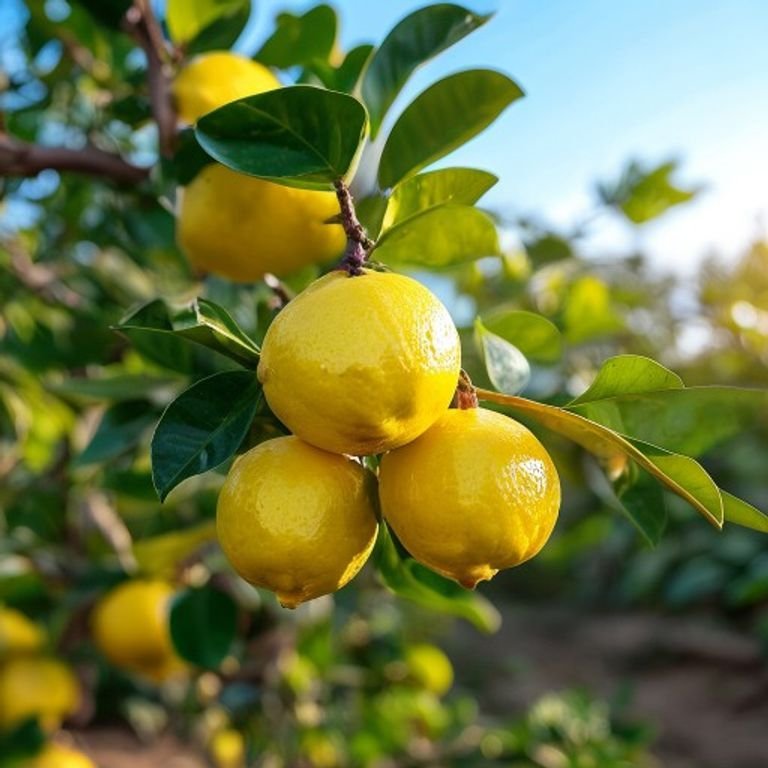
A seedless lemon tree is a visual treat. Its dense canopy of glossy, dark green leaves provides a lush backdrop, while the bright yellow fruits stand out like jewels against the foliage. The tree maintains an attractive, compact shape, making it suitable for various garden sizes or even container growing.
Flowers
The flowers of the seedless lemon are utterly enchanting. They typically appear as delicate white blooms, often tinged with a lovely pinkish-purple blush on the outside, and are remarkably fragrant. These beautiful flowers not only add to the aesthetic appeal of the plant but also perfume the air with a sweet, citrusy scent, especially in the spring.
Foliage
The foliage is one of the enduring charms of a seedless lemon plant. Its leaves are evergreen, meaning they stay green and vibrant throughout the year, providing continuous beauty. Each leaf is a rich, dark green, oval-shaped, and has a slight leathery texture with a distinct citrus aroma when gently rubbed.
Fragrance
Both the flowers and the leaves of the seedless lemon tree contribute to its delightful fragrance. The blossoms release a powerful, sweet, and intoxicating perfume that can fill an entire garden or balcony. Even the leaves, when brushed or crushed, emit a refreshing lemony scent, making it a truly aromatic plant.
Decorative Value
Beyond its fruit, the seedless lemon tree serves as an excellent ornamental plant. Its attractive form, evergreen foliage, fragrant flowers, and vibrant fruit make it a stunning focal point. It can be grown in large decorative pots on patios, balconies, or as a small specimen tree in the garden, adding a touch of Mediterranean charm to any setting.
Growing Requirements
To ensure your seedless lemon tree flourishes and provides you with abundant, juicy fruit, understanding its specific growing requirements is crucial. These conditions are particularly adapted for the Indian climate.
Light
Seedless lemon plants are sun-lovers. They require at least 6-8 hours of direct sunlight daily to produce flowers and fruit efficiently. In India, a spot with full morning sun and some protection from the intense afternoon sun in peak summer can be ideal, though generally, full sun is preferred. If growing indoors, place it near a south-facing window or use grow lights.
Water
Consistent watering is key. The soil should be kept consistently moist but never waterlogged. Overwatering can lead to root rot, while underwatering can cause leaf drop and poor fruit development. Check the soil moisture by sticking your finger about an inch or two deep. If it feels dry, it’s time to water. In hot Indian summers, you might need to water daily, while in cooler months, less frequently. Ensure good drainage.
Temperature
Seedless lemon trees thrive in warm temperatures and are sensitive to frost. Ideal temperatures range from 20°C to 30°C. In most parts of India, these conditions are met for a significant portion of the year. In regions with mild winters, the plant will do well outdoors. If you live in a region with cold winters where temperatures dip close to freezing, consider growing your lemon tree in a pot so it can be moved indoors or protected during colder spells.
Humidity
Lemons prefer moderate to high humidity. The general humidity levels in many parts of India are suitable. During dry spells or if growing indoors with air conditioning, you might need to increase humidity by misting the leaves regularly, placing a pebble tray with water near the plant, or grouping it with other plants.
Soil
Well-draining, slightly acidic soil is crucial for a healthy seedless lemon tree. A pH range of 6.0 to 7.0 is ideal. A good loamy or sandy loam soil enriched with organic matter works best. Avoid heavy clay soils that retain too much water, as this can lead to root problems.
Potting Mix
If you’re growing your seedless lemon in a pot, choose a high-quality, well-draining potting mix specifically formulated for citrus plants or a general-purpose potting mix amended with perlite or coarse sand to improve drainage. Good aeration for the roots is vital.
Fertilizer
Seedless lemon trees are heavy feeders, especially when fruiting. Use a balanced citrus-specific fertilizer or a general-purpose fertilizer rich in nitrogen, phosphorus, and potassium, along with micronutrients like iron, zinc, and manganese. Fertilize every 4-6 weeks during the growing season (spring to autumn). Reduce frequency in winter when growth slows down. Follow the product’s instructions for dosage.
How to Care for This Plant
Caring for your seedless lemon tree involves a few key practices that will ensure its health and productivity. Here’s a step-by-step guide:
- Potting and Repotting: When planting, choose a pot that is at least 15-20 inches in diameter for a young tree. As the plant grows, repot it into a larger pot every 2-3 years, ideally in early spring. Ensure the new pot has adequate drainage holes.
- Pruning: Regular pruning is important for shaping the tree, encouraging bushier growth, improving air circulation, and enhancing fruit production. Remove any dead, diseased, or crossing branches. Prune to maintain a manageable size, especially for container-grown plants. The best time for major pruning is after the main harvest, usually in late winter or early spring before new growth begins.
- Pest and Disease Management: Regularly inspect your seedless lemon plant for signs of pests or diseases. Early detection is key. For common pests like aphids, mealybugs, and scale, use neem oil spray or horticultural soap. For fungal issues, ensure good air circulation and avoid overwatering.
- Pollination: Seedless lemons are often self-fertile, meaning they don’t strictly require another plant for pollination. However, having pollinators like bees around can improve fruit set. If growing indoors, you might need to hand-pollinate by gently transferring pollen from flower to flower with a small brush.
- Harvesting: Seedless lemons are typically ready for harvest when they turn bright yellow and feel firm. Gently twist or cut the fruit from the branch, leaving a small piece of stem attached. In India, lemons can produce fruit almost year-round, with peak seasons usually after spring and monsoon flowering.
- Seasonal Care:
- Summer: Increase watering frequency due to heat. Provide some afternoon shade if the sun is too intense. Continue fertilizing.
- Monsoon: Ensure excellent drainage to prevent waterlogging. Monitor for fungal diseases which can be more prevalent due to high humidity.
- Winter: Reduce watering as growth slows. Protect outdoor plants from frost if necessary by covering them or moving potted plants indoors.
Common Problems and Solutions
Even with the best care, your seedless lemon tree might encounter a few issues. Here are some common problems and their solutions:
- Yellow Leaves:
- Cause: Often due to nutrient deficiency (especially iron or nitrogen), overwatering, or compacted soil.
- Solution: Ensure a balanced citrus fertilizer is applied regularly. Check soil drainage and allow the topsoil to dry slightly between waterings. Consider repotting with fresh, well-draining soil if the soil is compacted.
- Pests:
- Cause: Common pests include aphids, mealybugs, scale insects, and spider mites.
- Solution: Inspect your plant regularly. For mild infestations, spray with a strong stream of water or a neem oil solution. For severe cases, use an appropriate organic insecticide.
- Fungal Diseases:
- Cause: High humidity, poor air circulation, or excessive moisture can lead to diseases like gummosis (oozing sap) or anthracnose.
- Solution: Ensure good air circulation by proper pruning. Avoid overhead watering. Remove affected parts immediately and apply a fungicidal spray if necessary.
- Root Rot:
- Cause: Primarily caused by overwatering and poor drainage, leading to roots sitting in water.
- Solution: Water only when the topsoil is dry. Ensure pots have excellent drainage holes. If suspected, gently remove the plant, trim any mushy, black roots, and repot in fresh, well-draining soil.
- Poor Flowering/Fruiting:
- Cause: Insufficient sunlight, lack of nutrients, improper watering, or extreme temperatures.
- Solution: Ensure the plant receives at least 6-8 hours of direct sun. Fertilize with a phosphorus-rich fertilizer to encourage blooming. Maintain consistent watering.
- Slow Growth:
- Cause: Nutrient deficiency, poor soil quality, inadequate light, or rootbound conditions.
- Solution: Provide regular fertilization. Improve soil quality with organic matter. Ensure sufficient sunlight. Consider repotting into a larger container if the plant is rootbound.
- Leaf Drop:
- Cause: Often a sign of stress due to sudden temperature changes, inconsistent watering (too much or too little), nutrient shock, or severe pest infestation.
- Solution: Identify and rectify the stressor. Maintain a consistent care routine. Ensure stable environmental conditions.
Benefits
Beyond the joy of growing your own fruit, the seedless lemon tree offers several tangible benefits for your home and garden.
- Home Decoration: The vibrant green foliage, fragrant white flowers, and bright yellow fruits make the seedless lemon tree a naturally beautiful decorative element for any space, be it a living room corner, a sunny balcony, or a garden patio.
- Balcony Gardening: Its relatively compact size and adaptability to container growing make it an excellent choice for balcony and terrace gardens in urban Indian settings, allowing apartment dwellers to enjoy fresh, homegrown lemons.
- Landscaping: In larger gardens, a seedless lemon tree can be a wonderful addition to a landscape design, providing both aesthetic appeal and a practical harvest. It can be planted as a specimen tree or integrated into a mixed shrub border.
- Culinary Use: This is perhaps the most significant benefit. Seedless lemons are incredibly versatile in the kitchen. Their juice is perfect for refreshing drinks, marinades, dressings, and desserts. The zest adds a delightful aroma and flavor to countless dishes, and the absence of seeds makes preparation a breeze.
- Vitamin C Source: Lemons are a well-known powerhouse of Vitamin C, an essential nutrient for immunity and overall health. Having a seedless lemon tree at home means a constant supply of this vital vitamin.
Frequently Asked Questions
How long does a seedless lemon tree take to bear fruit?
Typically, a seedless lemon tree grown from a grafted plant will start bearing fruit within 2-3 years. If grown from seed, it can take much longer, usually 5-8 years, and the fruit might not be truly seedless or identical to the parent plant. Optimal care and conditions can help encourage earlier fruiting.
Can I grow a seedless lemon tree in a pot in India?
Absolutely! Growing a seedless lemon tree in a pot is a very popular and successful method in India, especially for those with limited garden space or in regions with harsh winters. Choose a large pot (at least 15-20 inches in diameter initially, upgrading as it grows) with good drainage, use a well-draining potting mix, and ensure it receives plenty of sunlight. Potted plants may require more frequent watering and fertilizing than those planted in the ground.
What is the best fertilizer for a seedless lemon plant?
For a seedless lemon plant, a balanced citrus-specific fertilizer is best, as it contains the right proportion of nitrogen, phosphorus, and potassium, along with essential micronutrients like iron, zinc, and manganese, which citrus plants specifically require. If a citrus-specific fertilizer is unavailable, a general-purpose balanced fertilizer (e.g., 8-8-8 or 10-10-10) supplemented with micronutrients can also work. Apply according to the product instructions, usually every 4-6 weeks during the active growing and fruiting seasons.
Final Thoughts
Cultivating a seedless lemon tree in your Indian garden or balcony is a deeply rewarding endeavor. With its vibrant foliage, fragrant blossoms, and the bounty of delicious, convenient fruit, it adds immense value and joy to your home. By providing the right balance of sunlight, water, nutrients, and a little tender loving care, you can enjoy a continuous supply of homegrown lemons, elevating your culinary creations and beautifying your space.
Embrace the journey of growing this wonderful citrus gem. For more practical growing advice and to discover a wide array of quality plants, remember that Plantrea is the online plant platform from Wynorg, helping plant lovers across India discover quality plants, practical growing advice, and trusted nursery sourcing.
Interested in This Plant?
If the idea of growing your own seedless lemon tree has piqued your interest, you might have a few more questions or need some personalised guidance. Our Plant Expert chat, conveniently located at the bottom-right corner of every Plantrea page, is here to assist you.
Our experienced gardening assistants can help you with a range of queries. You can quickly check whether the seedless lemon plant is currently available for delivery in your area, or get personalised recommendations tailored to your specific home and garden conditions. Whether you’re a seasoned gardener or just starting, our experts can provide insights into optimising care and maintenance for your seedless lemon.
Should the seedless lemon not be the perfect fit for your space, or if you’re exploring other options, our Plant Expert can also help you discover similar plants that might thrive in your environment. We’re here to make your plant journey enjoyable and successful, offering friendly advice and support every step of the way.
Want to buy this plant? Visit https://plantrea.com/shop-2/