Snake Plant – Oxygen at Night, Virtually Unkillable | Wynorg Nursery
The Snake Plant, often affectionately known as Mother-in-Law’s Tongue, is a beloved fixture in Indian homes and gardens, cherished for its striking appearance and incredible resilience. Its stiff, sword-like leaves stand tall, creating a modern and elegant statement in any space. Beyond its aesthetic appeal, this plant is a champion of easy care, making it a perfect choice for both seasoned gardeners and those just beginning their green journey. Many appreciate it not just for its beauty but also for its remarkable air-purifying qualities, especially its ability to release oxygen at night, which is a rare and highly sought-after trait in indoor plants. Its forgiving nature means it can tolerate conditions that would be fatal to many other plants, truly earning its reputation as virtually unkillable.
For anyone looking to bring the beauty and benefits of green life into their homes, Plantrea is the online plant platform by Wynorg, a trusted Indian brand known for delivering healthy live plants safely across India. We believe that caring for plants should be a joyous and accessible experience, and the Snake Plant, or Sansevieria, perfectly embodies this philosophy, bringing a touch of nature’s best with minimal fuss.
Botanical Overview
The Snake Plant, scientifically known as Sansevieria trifasciata, belongs to the Asparagaceae family. While it was formerly classified under the genus Sansevieria, it has recently been reclassified into the genus Dracaena, though most gardeners still widely recognize it as Sansevieria. This robust perennial hails from the tropical regions of West Africa, where it thrives in arid, rocky environments. It is a succulent plant, meaning it stores water in its thick leaves, allowing it to withstand prolonged dry periods.
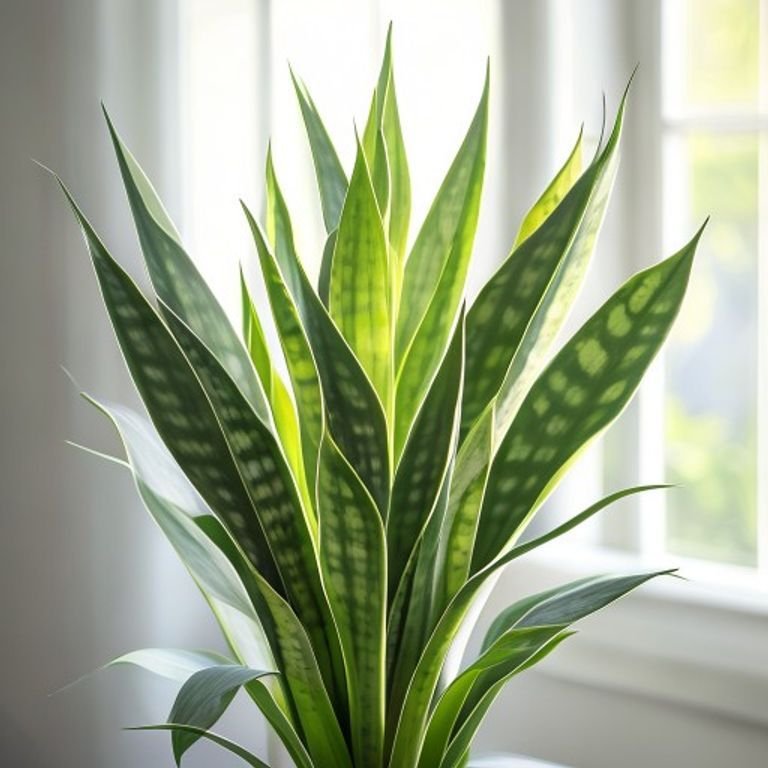
The growth habit of the Snake Plant is distinctively upright, with its stiff, sword-shaped leaves emerging directly from the soil. These leaves can reach an impressive height of 2 to 4 feet, creating a dramatic vertical accent. Its unique form, combined with its ability to adapt to various indoor conditions, makes it a popular choice for contemporary home decor.
Why People Love This Plant
The enduring popularity of the Snake Plant, or Mother-in-Law’s Tongue, is no accident. It combines striking aesthetics with remarkable practicality, making it a favourite in countless homes.
Appearance
The visual appeal of the Snake Plant is undeniable. Its leaves are a spectacle of natural artistry, featuring dark green zigzag patterns interspersed with vibrant yellow or silvery-green edges, depending on the cultivar. Each leaf stands firm and erect, giving the plant a structured, architectural quality that complements both minimalist and opulent interiors. This distinctive foliage is what truly makes the Snake Plant a standout decorative piece.
Flowers
While primarily grown for its foliage, the Sansevieria can, on rare occasions, produce greenish-white flowers. These small, often inconspicuous blooms typically appear in the summer months, though they are a much rarer sight indoors. They are usually clustered on a tall spike, emerging from the base of the plant. For many Snake Plant enthusiasts, witnessing these flowers is a delightful, unexpected bonus.
Foliage
The foliage is undoubtedly the star of the Snake Plant. Its tough, leathery leaves are not just visually appealing but also incredibly durable. The upright growth habit means it takes up minimal floor space, making it ideal for smaller apartments or crowded corners. The various patterns and colourations found in different Sansevieria varieties add to its charm, offering a diverse palette for plant lovers.
Fragrance
Interestingly, the rare flowers of the Snake Plant can sometimes emit a mild, sweet fragrance, particularly at night. However, for most indoor growers, the plant is considered fragrance-free, which is often a desirable trait for those sensitive to strong scents or looking for a neutral addition to their living spaces.
Decorative Value
The decorative value of the Snake Plant is immense. Its sleek, modern lines make it a perfect fit for contemporary decor, while its natural beauty adds a touch of organic elegance to traditional settings. It can serve as a stunning focal point in a living room, a calming presence in a bedroom, or an invigorating touch in an office space. Its ability to thrive in low light conditions further enhances its versatility as a decorative element, allowing it to brighten up even the most overlooked corners.
Growing Requirements
Understanding the basic growing requirements of your Snake Plant is key to its long-term health and vitality. Thankfully, the Sansevieria is incredibly forgiving, making it an ideal choice for beginners.
Light
One of the most appealing aspects of the Snake Plant is its remarkable tolerance for low light conditions. While it thrives in bright, indirect light, it can surprisingly endure very low light, including areas with just fluorescent lighting. However, for optimal growth and more vibrant leaf patterns, aim for a spot that receives moderate, indirect sunlight. Direct, harsh sunlight, especially the intense afternoon sun in India, can scorch its leaves, so it’s best to avoid such exposure.
Water
Overwatering is the number one killer of Snake Plants. This succulent stores water in its thick leaves, making it highly drought-tolerant. The golden rule is to water sparingly. Allow the soil to dry out completely between waterings. In most Indian climates, especially during cooler months, this could mean watering every 2-4 weeks. During the warmer summer months, you might water slightly more frequently, but always check the soil moisture first. Less is definitely more when it comes to watering your Snake Plant. Ensure proper drainage to prevent waterlogging.
Temperature
Snake Plants are tropical plants and prefer warm temperatures. They thrive in average room temperatures ranging from 18°C to 35°C, which aligns well with typical Indian indoor conditions. They are not fond of cold drafts or temperatures below 10°C, which can cause damage to their leaves. Protect them from extreme temperature fluctuations, especially during winter.
Humidity
Unlike many tropical plants, the Snake Plant is not fussy about humidity. It tolerates the average humidity levels found in most Indian homes without any issues. High humidity is generally not a problem as long as the soil is allowed to dry out between waterings.
Soil
Well-drained soil is paramount for the health of your Sansevieria. A standard potting mix designed for succulents and cacti is ideal, as it typically contains sand, perlite, or pumice to enhance drainage. If you’re using a regular potting mix, amend it with a good amount of perlite or coarse sand to improve its drainage capabilities and prevent water retention around the roots.
Potting Mix
A good potting mix for Snake Plants should be loose and well-aerated. You can create your own by mixing equal parts potting soil, perlite, and coarse sand. This blend will provide the necessary drainage and aeration while still holding enough moisture for the plant.
Fertilizer
Snake Plants are light feeders and don’t require much fertilizer. Feeding them once or twice during their active growing season (spring and summer) with a balanced liquid houseplant fertilizer, diluted to half strength, is usually sufficient. Avoid fertilizing during the cooler, dormant months. Over-fertilizing can lead to salt buildup in the soil, which can harm the plant.
How to Care for This Plant
Caring for a Snake Plant is wonderfully straightforward, making it an excellent choice for busy individuals or those new to gardening. Here’s a practical, step-by-step guide to keep your Sansevieria thriving.
Watering Wisely: This is the most crucial aspect of Snake Plant care. Always check the soil moisture before watering. Stick your finger about an inch or two into the soil; if it feels dry, it’s time to water. Water thoroughly until you see water draining from the bottom of the pot, then discard any excess water in the saucer. In Indian conditions, during the monsoon or winter, you might water as infrequently as once every 3-4 weeks. During hot summers, once every 2 weeks might be appropriate. Err on the side of underwatering rather than overwatering.
Optimal Light Placement: While they tolerate low light, placing your Snake Plant in a spot with bright, indirect light will encourage stronger growth and more vibrant leaf patterns. A north-facing window, or a few feet away from an east or west-facing window, is often ideal. If you notice the leaves becoming leggy or losing their colour, it might be a sign they need a bit more light.
Repotting: Snake Plants don’t mind being a bit root-bound, and actually prefer it. Repot only when the plant is visibly outgrowing its pot, perhaps every 2-3 years. Choose a pot that is only one size larger than the current one, and ensure it has drainage holes. Spring or early summer is the best time for repotting.
Cleaning the Leaves: Dust can accumulate on the broad leaves of the Snake Plant, hindering its ability to photosynthesize. Gently wipe the leaves with a damp cloth every few weeks to keep them clean and shiny. This also allows you to inspect for any pests.
Pruning: Snake Plants generally don’t require much pruning. You can remove any yellow, damaged, or unsightly leaves by cutting them at the base with a clean, sharp knife or shears. This helps the plant redirect energy to healthy growth.
Propagation: Propagating your Snake Plant is incredibly easy and rewarding. You can do this through leaf cuttings or by dividing the rhizomes.
- Leaf Cuttings: Cut a healthy leaf into 2-3 inch sections. Make sure to note which end is “up.” Allow the cuttings to callus for a few days, then insert the “up” end into well-draining potting mix or even a glass of water. Roots will eventually form, and new plantlets will emerge.
- Division: When repotting, you can gently separate offshoots (pups) that have developed at the base of the parent plant. Ensure each pup has some roots attached, and plant them in their own pots.
Seasonal Care: Adjust your watering schedule according to the seasons. Reduce watering significantly during the cooler winter months when the plant’s growth slows down. Resume a slightly more frequent schedule as temperatures rise in spring and summer.
Common Problems and Solutions
Even the hardiest plants can face issues, but with the Snake Plant, most problems are easily remedied. Here are some common concerns and how to address them:
- Yellow Leaves:
- Problem: The most common cause is overwatering. Excess moisture leads to root rot, which manifests as yellowing leaves. It can also be a sign of nutrient deficiency or simply natural aging of older leaves.
- Solution: Reduce watering frequency drastically. Allow the soil to dry out completely between waterings. Check for root rot by gently inspecting the roots; if soft and mushy, trim them and repot in fresh, dry soil. Ensure the pot has adequate drainage. If overwatering isn’t the issue, consider a diluted liquid fertilizer during the growing season.
- Pests:
- Problem: Snake Plants are relatively pest-resistant, but mealybugs can sometimes become an issue, especially if the plant is stressed or kept in a warm, dry environment. They appear as small, white, cottony masses, often in leaf crevices.
- Solution: Isolate the plant to prevent spread. Dab mealybugs with a cotton swab dipped in rubbing alcohol. For larger infestations, use neem oil spray, which is an organic and effective solution readily available in India. Repeat treatment every few days until pests are gone.
- Fungal Diseases:
- Problem: Fungal diseases, particularly root rot, are almost always a result of persistent overwatering and poor drainage. This can lead to soft, mushy stems and a foul odour from the soil.
- Solution: Prevention is key – ensure well-draining soil and meticulous watering habits. If root rot is suspected, unpot the plant, inspect the roots, and cut away any black, mushy sections. Repot in fresh, sterile, well-draining soil and adjust your watering schedule.
- Poor Flowering:
- Problem: While Snake Plants can flower, it’s a rare occurrence indoors. Lack of flowering is usually not a problem but rather the plant’s natural behaviour in less-than-ideal flowering conditions.
- Solution: To encourage flowering, provide consistently bright, indirect light and a slightly root-bound pot. However, do not be disappointed if it never flowers; its foliage is its main attraction.
- Slow Growth:
- Problem: Snake Plants are naturally slow growers, especially compared to other houseplants. Very slow growth might also indicate insufficient light or a lack of nutrients.
- Solution: This is often normal. If growth is exceptionally slow, consider moving it to a brighter spot (indirect light) and providing a diluted, balanced fertilizer during spring and summer.
- Leaf Tip Browning:
- Problem: Brown leaf tips can sometimes occur due to inconsistent watering (both too much or too little), fluoride in tap water, or very low humidity.
- Solution: Ensure consistent, appropriate watering. If using tap water, let it sit out overnight to allow chlorine to dissipate. While Snake Plants tolerate low humidity, extremely dry air can sometimes contribute.
Benefits
The Snake Plant offers a multitude of benefits, making it far more than just a pretty face in your home or garden.
Home Decoration
With its upright, architectural form and striking foliage patterns, the Snake Plant is a decorator’s dream. It fits seamlessly into a variety of interior styles, from minimalist modern to traditional Indian aesthetics. Its height adds a vertical dimension to spaces, making rooms feel taller and more open. Grouping different varieties of Sansevieria can create an interesting display of textures and colours.
Balcony Gardening
For those with balconies or patios in warmer Indian climates, the Snake Plant can thrive outdoors in sheltered spots. It adds a touch of greenery to outdoor living areas and is incredibly low-maintenance, requiring less attention than many other outdoor plants. Just ensure it’s protected from direct, harsh sunlight and heavy monsoon rains.
Landscaping
In frost-free regions of India, Snake Plants are sometimes used in outdoor landscaping, particularly in xeriscaping or rock gardens due to their drought tolerance. They create an attractive, low-maintenance groundcover or border plant, adding structure and evergreen interest to garden beds.
Air Purification
One of the most celebrated benefits of the Snake Plant is its exceptional air-purifying capabilities. NASA’s clean air study highlighted its effectiveness in removing toxins like formaldehyde, benzene, xylene, and trichloroethylene from the air. What sets the Sansevieria apart is its unique ability to convert carbon dioxide into oxygen at night, making it an ideal plant for bedrooms, promoting a healthier sleeping environment.
Frequently Asked Questions
Here are some common questions about caring for your Snake Plant:
How often to water?
You should water your Snake Plant every 2-4 weeks. Always allow the soil to dry out completely between waterings. In winter, reduce the frequency even further, as the plant’s growth slows down.
Does it need sunlight?
The Snake Plant is incredibly tolerant of different light levels. It can thrive in low light conditions, even under fluorescent lights in offices. However, for best growth and more vibrant colours, it prefers bright, indirect sunlight. Avoid direct, harsh sun, especially in the afternoon.
Is it good for bedroom?
Yes, the Snake Plant is an excellent choice for bedrooms! Unlike most plants that perform photosynthesis during the day, the Snake Plant releases oxygen at night, which can contribute to better air quality and a more restful sleep environment.
Final Thoughts
The Snake Plant, or Sansevieria, truly stands out as one of the most resilient and rewarding houseplants you can welcome into your home. Its striking beauty, coupled with its air-purifying prowess and unbelievably low-maintenance needs, makes it a perfect companion for both plant novices and seasoned enthusiasts. Whether you’re looking to add a touch of modern elegance to your living room, purify the air in your bedroom, or simply find a plant that forgives occasional neglect, the Snake Plant is an unparalleled choice. Its ability to thrive in a wide range of conditions, especially in the diverse climates found across India, solidifies its status as a garden favourite.
Embracing the world of plants brings immense joy and a refreshing connection to nature. Plantrea is the online plant platform from Wynorg, helping plant lovers across India discover quality plants, practical growing advice, and trusted nursery sourcing. We are committed to fostering a love for plants and empowering every gardener with the knowledge they need to cultivate thriving green spaces.
Interested in This Plant?
If the incredible resilience and air-purifying benefits of the Snake Plant have captivated your interest, you might be eager to bring one home or learn even more. We understand that every plant enthusiast has unique needs and questions, and that’s why our Plant Expert chat is here to help you. You’ll find this handy chat feature at the bottom-right corner of every page on Plantrea.com.
Our Plant Expert is like having a knowledgeable gardening assistant at your fingertips, ready to answer your specific queries about the Snake Plant. You can use this chat to quickly check whether the Snake Plant is currently available in stock. Furthermore, if you’re looking for personalized plant recommendations tailored to your home’s light conditions or your gardening experience, our expert can guide you. Don’t hesitate to ask any questions you have about Snake Plant care and maintenance, from watering schedules to propagation tips. And if, by chance, the Snake Plant isn’t quite what you’re looking for or is temporarily unavailable, our Plant Expert can even help you discover suitable alternatives that offer similar benefits and aesthetic appeal.
Want to buy this plant? Visit https://plantrea.com/shop-2/