Money Plant – Lucky Vastu Plant for Home & Office | Wynorg Nursery
The Money Plant, with its charming heart-shaped leaves and vibrant variegation, holds a special place in Indian homes and hearts. It’s more than just a decorative houseplant; it’s considered a symbol of good luck and prosperity, bringing positive energy according to Vastu Shastra and Feng Shui. Its remarkable ease of care and adaptability make it a favourite among both seasoned gardeners and absolute beginners across India.
Whether you’re looking to add a touch of green to your living room, a trailing accent to your bookshelf, or a lush addition to your office desk, the Money Plant fits in beautifully. At Plantrea, the online plant platform by Wynorg, a trusted Indian brand known for delivering healthy live plants safely across India, we understand the enduring appeal of this wonderful plant. Let’s dive into everything you need to know to grow a thriving Money Plant in your space.
Botanical Overview
The Money Plant goes by several names, but its botanical identity is Epipremnum aureum. It belongs to the Araceae family, which also includes other popular houseplants like Philodendrons and Monsteras. Originally native to the Solomon Islands, a tropical archipelago in the South Pacific, this versatile plant has found its way into homes worldwide.
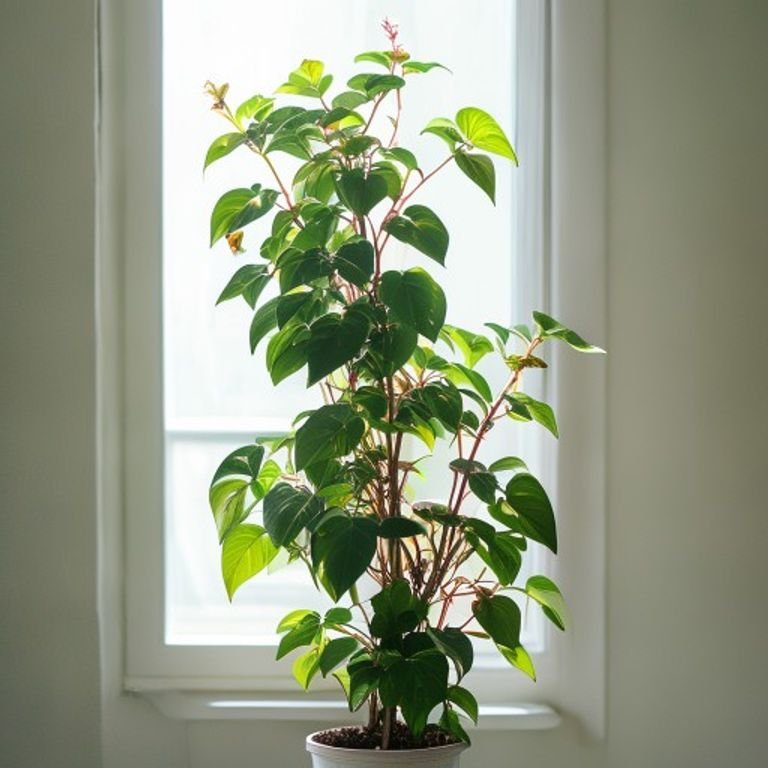
It is a perennial vine, meaning it lives for more than two years and grows as a climbing or trailing plant. In its natural habitat, the Money Plant, also known as golden pothos, can climb trees, using its aerial roots to cling to surfaces. Indoors, it exhibits the same vigorous growth, making it an excellent choice for hanging baskets where its foliage can cascade gracefully, or for training upwards on a moss pole or trellis to create a lush green column.
Why People Love This Plant
The widespread adoration for the Money Plant is well-deserved, stemming from its aesthetic appeal, symbolic value, and incredible resilience.
Appearance
The defining feature of the Money Plant is its foliage. The leaves are typically heart-shaped, glossy, and display a beautiful variegation of green and yellow hues. The intensity and pattern of this variegation can vary depending on the specific cultivar and the amount of light the plant receives. Some varieties might have more prominent golden splashes, while others exhibit subtle marbling, adding unique character to each plant.
Flowers
While the Money Plant is prized for its foliage, it rarely flowers indoors, especially in typical home environments. Its beauty lies entirely in its lush, vibrant leaves, which provide year-round ornamental value.
Foliage
The dense, colourful foliage makes the Money Plant a spectacular choice for adding greenery and visual interest to any room. Its leaves can grow quite large under optimal conditions, creating a truly tropical feel.
Fragrance
The Money Plant is not known for any fragrance. Its appeal is purely visual, making it an excellent choice for those sensitive to strong scents.
Decorative Value
The versatility of the Money Plant’s growth habit is a major draw. It can be grown in numerous ways to suit any aesthetic:
- Hanging Baskets: Its trailing vines can drape down beautifully, creating a living curtain of green.
- Bookshelves & Ledges: Let its long tendrils spill over edges for a relaxed, natural look.
- Water Vases: Money Plant cuttings thrive indefinitely in water, making them elegant centrepieces or desk decorations.
- Climbing Plants: Provide a moss pole or trellis, and the Money Plant will readily climb, creating a vertical accent. This also encourages larger leaves.
Growing Requirements
The Money Plant (Epipremnum aureum), a truly resilient and forgiving plant, thrives with minimal fuss. Understanding its basic needs will ensure it flourishes beautifully in your Indian home.
Light
The Money Plant is renowned as a low light indoor plant, making it perfect for interiors where direct sunlight is scarce. It prefers bright, indirect light. Placing it near a window that receives filtered morning sun or bright ambient light throughout the day is ideal. Too much direct, harsh sunlight can scorch its leaves, while too little light can reduce the variegation, causing the leaves to become more uniformly green. For optimal colour and healthy growth, aim for a well-lit spot without direct afternoon sun.
Water
When it comes to watering, less is often more with a Money Plant. It prefers its soil to dry out between waterings. A good rule of thumb is to water thoroughly when the top inch or two of the soil feels dry to the touch. In the warmer months, this might be once a week, while in cooler seasons, it could extend to every two weeks or even less. Overwatering is a common mistake and can lead to root rot, which is detrimental to the plant’s health. Ensure your pot has drainage holes to prevent waterlogging.
Temperature
Money Plants are comfortable in average Indian indoor temperatures, ideally between 18°C to 30°C. They do not tolerate cold drafts or temperatures below 10°C, so protect them during cooler winter nights if necessary. Sudden temperature fluctuations can stress the plant, leading to leaf drop.
Humidity
While the Money Plant appreciates moderate to high humidity, it is quite adaptable and tolerates typical indoor humidity levels well. In very dry environments, particularly during periods of air conditioning use, you might notice the leaf tips turning brown. A light misting occasionally or placing the pot on a pebble tray with water can help increase humidity, though it’s not strictly necessary for its survival.
Soil
A well-draining potting mix is crucial for the Money Plant. It prevents water from sitting around the roots, which can cause root rot. A good quality, airy mix will allow the roots to breathe and absorb nutrients efficiently.
Potting Mix
An ideal potting mix for your Money Plant should be light and free-draining. A standard houseplant potting mix amended with some coco peat, perlite, or coarse sand works wonderfully. This combination ensures good aeration and drainage while retaining enough moisture for the plant.
Fertilizer
Money Plants are not heavy feeders. During their active growing season (spring and summer), you can feed them with a balanced liquid fertilizer diluted to half strength, once every 4-6 weeks. In autumn and winter, when growth naturally slows down, reduce or stop fertilizing. For Money Plants growing solely in water, a tiny amount of liquid fertilizer added to the water every few weeks can provide essential nutrients. Remember, over-fertilizing can harm the roots.
How to Care for This Plant
Caring for your Money Plant is incredibly rewarding, as it’s a very forgiving plant that responds well to basic attention. Here’s a practical guide:
- Watering Wisely: Always check the soil moisture before watering. Stick your finger about an inch or two into the soil; if it feels dry, it’s time to water. Water until you see a little water drain from the bottom, then discard any excess.
- Light Placement: Rotate your plant occasionally to ensure even growth and variegation on all sides. If you notice the variegation fading, try moving it to a slightly brighter spot with indirect light.
- Pruning for Shape: To encourage a bushier plant, prune back any overly long or leggy stems. You can also prune to maintain a desired shape or size. The cuttings can then be used for propagation!
- Easy Propagation: One of the most delightful aspects of the Money Plant is how easy it is to propagate. Simply snip a stem cutting with at least one node (the bump on the stem where a leaf emerges) and place it in a glass of water. New roots will appear in a few weeks. Once the roots are a few inches long, you can plant it in soil or continue to grow it in water.
- Repotting: Money Plants don’t mind being slightly root-bound. Repot only when you see roots emerging from the drainage holes or if the growth has significantly slowed down, typically every 1-2 years. Choose a pot that is only one size larger than the current one.
- Cleaning Leaves: Dust can accumulate on the glossy leaves, hindering photosynthesis. Gently wipe the leaves with a damp cloth every few weeks to keep them clean and shiny.
- Provide Support (for climbing): If you want your Money Plant to climb, provide a moss pole or a trellis. Gently guide the vines and secure them initially. Its aerial roots will soon cling to the support. This also encourages larger leaf development.
- Seasonal Care: In India, during the monsoon season, your plant might need less frequent watering due to higher humidity. In winter, growth slows down, so reduce watering and stop fertilizing.
Common Problems and Solutions
Even though the Money Plant is known for its resilience, it can occasionally face a few common issues. Here’s how to identify and resolve them:
- Yellow Leaves: This is almost always a sign of overwatering. Ensure your pot has drainage holes and allow the soil to dry out between waterings. Check if the roots are soggy; if so, you might need to repot into fresh, dry soil after trimming any mushy roots.
- Root Rot: Directly linked to persistent overwatering and poor drainage. Symptoms include yellowing leaves, soft stems, and a foul smell from the soil. To fix, gently remove the plant from its pot, inspect the roots, cut away any black or mushy roots, and repot into fresh, well-draining soil and a clean pot.
- No Variegation in Low Light: If your variegated Money Plant’s new leaves are coming out mostly green without the characteristic yellow or white patches, it indicates insufficient light. Move your plant to a brighter spot with indirect sunlight to encourage vibrant variegation.
- Pests: While generally pest-resistant, Money Plants can occasionally be affected by common houseplant pests like mealybugs or spider mites, especially if stressed. Look for tiny cottony masses (mealybugs) or fine webbing (spider mites) on the undersides of leaves. Treat with neem oil spray or by wiping the affected areas with a cotton swab dipped in rubbing alcohol.
- Leaf Drop: While a few old leaves falling off is normal, excessive leaf drop can be due to sudden changes in environment (temperature, light), underwatering, or severe overwatering. Assess recent changes and adjust care accordingly.
Benefits
The Money Plant offers a multitude of benefits, making it a valuable addition to any Indian home or office.
- Home Decoration: Its vibrant, trailing, or climbing foliage instantly enhances the aesthetic appeal of any room, adding a touch of natural beauty and freshness. It suits various decor styles, from modern minimalist to traditional Indian homes.
- Balcony Gardening: For those with balconies, a Money Plant in a hanging basket can create a lush, green screen, provided it receives adequate shade from harsh sun.
- Air Purification: The Money Plant is recognized by NASA’s Clean Air Study as an effective air purifier. It helps remove common indoor toxins like formaldehyde, benzene, and xylene from the air, contributing to a healthier living environment. This makes it an excellent choice for improving indoor air quality.
- Vastu and Feng Shui Benefits: Widely regarded as a Vastu plant and a Feng Shui plant, the Money Plant is believed to attract wealth, prosperity, and good luck into the home. It’s often placed in the south-east direction to activate wealth corners.
- Extremely Easy to Care For: Its low-maintenance nature makes it ideal for busy individuals, beginners, and anyone looking for a beautiful plant that doesn’t demand constant attention.
- Easy Propagation: Its ability to root easily in water allows you to create new plants from cuttings, sharing the greenery with friends and family or expanding your own collection effortlessly.
Frequently Asked Questions
Can it grow in only water?
Yes, the Money Plant can grow indefinitely in water. Many people prefer this method for its clean aesthetics and ease of monitoring root health. To ensure your Money Plant thrives in water, change the water every week or two and consider adding a very dilute liquid fertilizer specifically designed for hydroponics or houseplants once a month during the growing season.
Why is it called Money Plant?
The name “Money Plant” is largely attributed to its symbolic significance in Feng Shui and Vastu Shastra. It’s believed that the round, flat, and heart-shaped leaves resemble coins, and growing this plant attracts wealth, good fortune, and prosperity into the home. Additionally, its vigorous growth is seen as a representation of ever-increasing wealth.
Is it pet safe?
No, the Money Plant (Epipremnum aureum) is not pet safe. It contains calcium oxalate crystals, which can cause irritation to the mouth, throat, and digestive tract if ingested by pets like cats and dogs. Symptoms can include oral irritation, burning sensation, excessive drooling, vomiting, and difficulty swallowing. It’s best to keep this plant out of reach of curious pets.
Final Thoughts
The Money Plant, or golden pothos, truly lives up to its reputation as an ultimate indoor companion. Its lush foliage, easy-going nature, and purported benefits make it a cherished plant in Indian homes. Whether you’re a seasoned gardener or just starting your green journey, this vastu plant offers a delightful experience, bringing life and positive energy into any space. With the simple care tips outlined above, your Money Plant is sure to thrive and become a beautiful, vibrant part of your home or office for years to come.
At Plantrea, the online plant platform from Wynorg, we are committed to helping plant lovers across India discover quality plants, practical growing advice, and trusted nursery sourcing. We hope this guide helps you nurture your Money Plant successfully.
Interested in This Plant?
If the fascinating world of the Money Plant has piqued your interest, you might be wondering about getting one for your own home or office. Plantrea is here to help! Our Plant Expert chat, conveniently located at the bottom-right corner of every page, is your direct line to experienced gardening assistance.
You can use the Plant Expert chat to effortlessly check if the Money Plant is currently available for delivery to your location. Beyond availability, our experts can provide personalized plant recommendations tailored to your specific home environment and gardening goals. Whether you have questions about its care, need advice on placement, or want to know the best way to propagate your Money Plant, our Plant Expert is ready to assist.
Should the Money Plant not be exactly what you’re looking for, or if you wish to explore other similar low-maintenance indoor plants, our Plant Expert can also help you discover suitable alternatives that will thrive beautifully in your Indian climate. Think of it as having a friendly, knowledgeable gardener always on standby to guide you on your plant journey!
Want to buy this plant? Visit https://plantrea.com/shop-2/