Neem Tree – Natural Pesticide & Medicinal Shade Tree | Wynorg Nursery
The Neem tree, revered across India for centuries, holds a special place in our homes, gardens, and traditional practices. Known affectionately as ‘Sarva Roga Nivarini’ (curer of all ailments) in Sanskrit, this majestic tree is far more than just a plant; it’s a natural pharmacy and a symbol of health and vitality. Its impressive stature, dense canopy, and myriad uses make it a cherished addition to any landscape, providing not only cool shade but also a wealth of medicinal and pest-repelling properties that are deeply woven into the fabric of Indian life. For those seeking sustainable and natural solutions in their gardening and wellness routines, the Neem tree stands as an invaluable asset.
At Plantrea, the online plant platform by Wynorg, a trusted Indian brand known for delivering healthy live plants safely across India, we understand the profound connection people have with plants like Neem. Our mission is to share comprehensive, easy-to-understand plant care guides, ensuring that every plant enthusiast, from novice to expert, can successfully nurture these green wonders. This guide will delve into the world of the Neem tree, offering practical advice and insights into growing and caring for this incredible species, ensuring it thrives in your garden for generations.
Botanical Overview
The Neem tree is scientifically known as Azadirachta indica. It belongs to the Meliaceae family, also commonly known as the mahogany family. This robust and versatile tree is indigenous to the Indian subcontinent and parts of Southeast Asia, where it has flourished for millennia in tropical and semi-tropical climates. As a perennial plant, the Neem tree is a fast-growing, upright deciduous to evergreen tree, meaning it might shed its leaves in very dry or cold conditions, but generally retains them throughout the year in warmer climes. It can reach an impressive height of 30 to 50 feet, developing a broad, spreading crown that offers substantial shade.
Why People Love This Plant
Appearance
The Neem tree is a truly handsome specimen, characterized by its elegant, spreading branches and a dense canopy that provides welcome respite from the scorching Indian sun. Its bark is rough, furrowed, and dark brown to greyish, often exuding a reddish sap. When mature, the Neem tree commands attention, creating a striking focal point in any large garden or landscape. Its overall form is stately and adds a touch of natural grandeur wherever it grows, making it a wonderful shade tree for parks, avenues, and spacious backyards.
Flowers
During the spring and early summer, typically between March and May, the Neem tree bursts into a delicate display of small, star-shaped white flowers. While the flowers themselves might not be overly showy, they are numerous, forming airy clusters among the foliage. These subtle blossoms play a vital role in attracting pollinators, particularly bees, which are essential for the ecosystem. Though the plant itself isn’t known for a strong fragrance, the flowers do possess a mild, honey-like scent that can be quite pleasant when standing near the tree during its flowering season.
Foliage
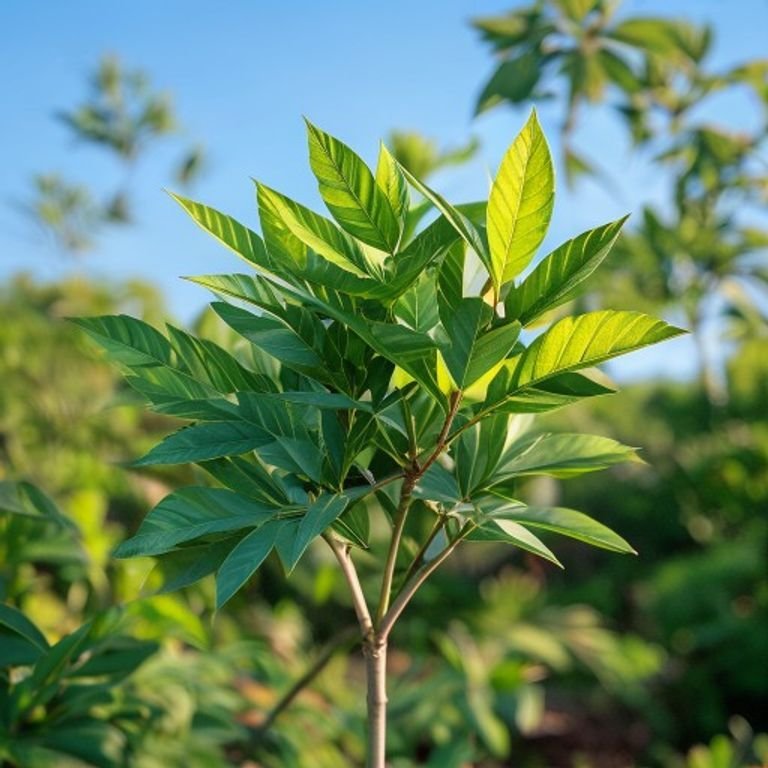
The foliage of the Neem tree is perhaps its most recognizable feature. Its bright green, pinnate leaves are arranged alternately along the stems, with each leaf comprising numerous small, serrated leaflets. These leaves are the primary source of many of the tree’s celebrated properties and are often harvested for various applications. They remain vibrant throughout most of the year, contributing to the tree’s evergreen appeal in many regions. The lush green canopy not only enhances the tree’s beauty but also contributes significantly to its ability to purify the air.
Fragrance
Unlike some highly aromatic plants, the Neem tree is not primarily grown for its fragrance. The leaves themselves have a distinct, somewhat bitter scent when crushed, which is indicative of the powerful compounds they contain. While the small white flowers do have a subtle, sweet aroma that attracts pollinators, the overall plant is not considered fragrant in the conventional sense.
Decorative Value
Beyond its utilitarian benefits, the Neem tree offers significant decorative value. Its majestic size and graceful form make it an excellent choice for landscaping, especially in larger gardens, farmhouses, and public spaces where a grand statement is desired. As a mature shade tree, it provides a cool, inviting haven during hot weather, making outdoor areas more comfortable and enjoyable. The deep green foliage against its rugged bark creates a natural, calming aesthetic, grounding the landscape with its ancient presence.
Growing Requirements
One of the many reasons for the Neem tree’s popularity, particularly in India, is its incredible resilience and relatively low maintenance. It’s a forgiving plant that can thrive in a variety of conditions once established. However, understanding its basic growing requirements will ensure your Neem tree reaches its full potential.
Light
The Neem tree is a sun-worshipper. It absolutely thrives in full sun, meaning it requires at least 6-8 hours of direct sunlight per day. Plant it in a location where it can receive ample light throughout the day, unhindered by other tall structures or trees. Insufficient sunlight can lead to slower growth and less vigorous health, impacting its medicinal properties.
Water
When it comes to watering, the Neem tree is incredibly drought-tolerant, especially once it has established itself. Young saplings will require regular watering to help them settle in and develop a strong root system, perhaps two to three times a week for the first year, depending on the climate. However, mature Neem trees need very little water. They are well-adapted to arid conditions and excessive watering can actually be detrimental, leading to root rot. In most parts of India, established trees can largely rely on rainfall, only needing supplemental watering during prolonged dry spells.
Temperature
Being a tropical and subtropical native, the Neem tree prefers warm climates. It thrives in temperatures ranging from 20°C to 40°C. While it can tolerate short periods of cooler temperatures, prolonged exposure to frost or freezing conditions can damage or even kill young trees. Established trees are more resilient but will still prefer to avoid severe cold. These conditions make it perfectly suited for the diverse climates found across India.
Humidity
High humidity is not a critical factor for the Neem tree; it adapts well to a wide range of humidity levels found in India. From the coastal regions to the drier inland areas, the Neem tree generally does not require any special humidity considerations. Its hardiness is one of its greatest assets.
Soil
The Neem tree is remarkably unfussy about soil type. It can grow in almost any soil, from sandy to clayey, as long as it is well-draining. However, for optimal growth, a deep, fertile, well-drained soil with a slightly alkaline to neutral pH (6.5-8.5) is ideal. Avoid waterlogged conditions at all costs, as this is the primary cause of root problems for this species.
Potting Mix
While the Neem tree is typically planted directly in the ground due to its large size, young saplings can be grown in pots initially. For potting, use a well-draining, standard potting mix enriched with some organic matter. Ensure the pot has adequate drainage holes to prevent water accumulation. Remember, a potted Neem tree will eventually outgrow its container and need to be transplanted to the ground to reach its full potential as a magnificent shade tree.
Fertilizer
Established Neem trees are generally not heavy feeders and rarely require supplemental fertilization. Their deep root systems are adept at drawing nutrients from the soil. However, for young trees or those planted in particularly poor soil, incorporating some organic compost or well-rotted farmyard manure around the base once a year can provide a beneficial boost. Avoid synthetic, chemical fertilizers, as the goal is often to maintain its natural, organic properties. Over-fertilization is unnecessary and can sometimes even harm the tree.
How to Care for This Plant
Caring for a Neem tree is relatively straightforward, making it an excellent choice for both experienced gardeners and beginners. Its self-sufficiency is truly remarkable, but a little attentive care, especially during its formative years, will ensure a robust and healthy specimen.
1. Planting: Choose a site that receives full sun and has well-draining soil. Dig a hole twice as wide as the root ball and just as deep. Carefully place the sapling, ensuring the top of the root ball is level with the ground. Backfill with soil, gently firming it around the base, and water thoroughly to settle the soil. If planting multiple Neem trees, ensure adequate spacing, as they grow very large. Keep them at least 20-30 feet apart.
2. Watering Young Trees: For the first 1-2 years after planting, water your Neem sapling regularly, especially during dry periods. Aim for deep watering 2-3 times a week, allowing the topsoil to dry out slightly between waterings. This encourages deep root development. Once the tree is established, typically after 2-3 years, it will be highly drought-tolerant and require minimal supplemental watering.
3. Pruning: Pruning is generally done to maintain the tree’s shape, remove dead, diseased, or damaged branches, and encourage a strong scaffold. For young trees, formative pruning helps establish a good structure. As the tree matures, prune sparingly, focusing on removing crossing branches or those that obstruct pathways. The best time for pruning is after the flowering season, usually in late summer or early autumn. Given its fast growth rate, occasional pruning helps manage its size, especially in smaller garden settings, though it is not a tree suited for compact spaces.
4. Pest and Disease Management: The Neem tree is famous for its natural pest-repelling qualities, so it is generally very resistant to most pests and diseases. Its leaves and oil are, in fact, used to make natural pesticides. Keep an eye out for any unusual leaf discoloration or signs of insect activity, though these are rare. Ensuring good air circulation and avoiding waterlogging are key preventative measures.
5. Seasonal Care: The Neem tree is largely self-sufficient. In the dry season, established trees will typically cope well, though very prolonged droughts might necessitate occasional deep watering. During the monsoon, ensure good drainage to prevent waterlogging around the base. No specific winter care is needed in most parts of India, unless in areas prone to severe frost, where young trees might benefit from some protection.
By following these simple care instructions, your Neem tree will grow into a magnificent, healthy specimen, providing its numerous benefits for years to come.
Common Problems and Solutions
While the Neem tree is renowned for its hardiness and resilience, like all living organisms, it can encounter a few issues. Understanding these common problems and their solutions can help you maintain a healthy and thriving tree.
- Yellow Leaves: This can be a sign of overwatering, particularly in young trees or those in poorly draining soil. Although Neem is drought-tolerant, established trees can also show yellowing leaves during periods of extreme drought as a survival mechanism before dropping them.
- Solution: Ensure excellent drainage. Reduce watering frequency, allowing the soil to dry out between sessions. During severe dry spells, provide a deep watering once a month for established trees.
- Pests (Rare): The Neem tree is a powerful natural pesticide, so it’s quite resistant to most insect pests. However, very young trees or those under severe stress might occasionally be susceptible to sap-sucking insects like aphids or scale, which can lead to sticky leaves (honeydew).
- Solution: For minor infestations, a strong spray of water can dislodge pests. For more persistent issues, use a neem oil solution (ironically derived from the tree itself!) as a natural insecticide.
- Fungal Diseases: Fungal issues are uncommon for Neem trees, as they prefer well-drained conditions. However, prolonged periods of high humidity combined with poor air circulation or consistently wet soil can sometimes lead to fungal spots or mildew.
- Solution: Ensure proper spacing when planting to allow for good air circulation. Avoid overhead watering late in the day. Prune away any affected branches and ensure the tree is in full sun.
- Root Rot: This is almost always caused by waterlogged soil. Neem roots cannot tolerate standing water, which deprives them of oxygen and encourages harmful anaerobic bacteria and fungi.
- Solution: The best solution is prevention. Plant the Neem tree in well-draining soil and avoid overwatering. If root rot is suspected in a potted sapling, repot into fresh, dry potting mix after trimming any mushy roots. For established trees, improving soil drainage around the base is crucial.
- Poor Flowering: If your mature Neem tree isn’t flowering well, it could be due to several factors, including insufficient sunlight, extreme environmental stress, or a very young age (trees typically start flowering after 3-5 years).
- Solution: Ensure the tree receives full sun. While established trees don’t need much fertilizer, very depleted soil might benefit from a boost of organic compost.
- Slow Growth: While the Neem tree is known for its fast growth (3-5 feet per year), slow growth can indicate underlying issues such as insufficient sunlight, poor soil quality, or lack of water in young trees.
- Solution: Verify the tree is in a full sun location. For young trees, ensure consistent watering. For all trees, ensure the soil is well-drained. Adding organic matter can also improve soil fertility.
- Leaf Drop: Neem trees can exhibit leaf drop as a natural process (being deciduous in some conditions) or in response to severe environmental stress, such as extreme drought or sudden temperature changes.
- Solution: This is often a natural adaptation. If excessive, check watering practices – ensure deep watering during prolonged dry spells.
- Can Grow Very Large; Not for Small Gardens: This isn’t a “problem” with the tree itself, but a crucial consideration for gardeners. A Neem tree grows to a substantial height and width, making it unsuitable for compact spaces.
- Solution: Plan its location carefully. Plant it only in large gardens, fields, or open spaces where it has ample room to grow to its full, magnificent size without overcrowding other plants or structures. Consider alternatives if your space is limited.
Benefits
The Neem tree is a true powerhouse of nature, offering an astonishing array of benefits that extend far beyond its aesthetic appeal. Its importance in Indian culture and traditional medicine, particularly Ayurveda, is immense, solidifying its status as a highly valued plant.
- Natural Pesticide: Perhaps its most famous benefit, the Neem tree is an incredible source of natural pest control. Compounds found in its leaves, seeds, and oil, particularly azadirachtin, act as antifeedants and insect growth disruptors. Neem oil is widely used as an organic, broad-spectrum pesticide, effectively deterring over 200 species of insects without harming beneficial insects, humans, or pets. This makes it a crucial component of organic gardening and farming practices.
- Medicinal Value: The Neem tree is a veritable pharmacy in itself. Every part of the tree – leaves, bark, flowers, seeds, and oil – possesses potent medicinal properties.
- Skin Health: Neem is widely used for treating various skin ailments due to its antibacterial, antifungal, and anti-inflammatory properties. It’s effective against acne, eczema, psoriasis, and fungal infections.
- Oral Health: Neem twigs have traditionally been used as natural toothbrushes, and extracts are common ingredients in toothpastes and mouthwashes for their ability to combat gum disease and maintain oral hygiene.
- General Health: It’s believed to boost immunity, purify blood, and have antimalarial properties. Neem leaf extracts are also explored for their potential in managing diabetes and various other internal health issues.
- Shade Tree: With its fast growth and broad, dense canopy, the Neem tree serves as an excellent shade tree. It provides cool relief from the intense sun, making outdoor areas more comfortable and reducing heat island effects in urban environments. Its presence encourages relaxation and outdoor living.
- Air Purification: Like many trees, the Neem tree contributes significantly to air purification. It absorbs carbon dioxide and releases oxygen, helping to improve air quality. Its evergreen nature in many regions means it performs this vital function throughout the year, making it a valuable asset for combating air pollution.
- Landscaping: For large gardens, farms, and public parks, the Neem tree is an ideal landscaping choice. Its robust nature, low maintenance, and grand appearance make it a sustainable and beautiful option for creating natural boundaries, windbreaks, and majestic avenues.
- Pollinator Friendly: The small, white flowers of the Neem tree, while not overtly showy, are a magnet for bees and other beneficial insects. By attracting pollinators, the Neem tree contributes to local biodiversity and supports the ecosystem, which is vital for the health of other plants and agricultural crops.
Frequently Asked Questions
How to use neem for skin?
For skin benefits, one of the simplest methods is to boil a handful of fresh Neem leaves in water until the water turns green. Let the water cool, then strain it. You can use this Neem-infused water for bathing, especially for soothing skin irritations, combating acne, or treating minor infections. A paste made from crushed Neem leaves can also be applied directly to affected areas.
Does it repel mosquitoes?
Yes, the Neem tree is known to repel mosquitoes and other insects. Burning dried Neem leaves can act as a natural mosquito repellent, providing a smoky deterrent. Planting Neem trees near your home, particularly around windows and entry points, can also help keep mosquitoes at bay due to the volatile compounds released by the foliage.
How fast does it grow?
The Neem tree is a fast-growing species, typically growing at a rate of 3 to 5 feet per year under ideal conditions. This rapid growth rate makes it an excellent choice for quickly establishing shade, creating windbreaks, or for reforestation projects. Its ability to quickly establish itself and provide benefits is one of its highly valued characteristics.
Final Thoughts
The Neem tree, or Azadirachta indica, is truly a gift of nature, offering an unparalleled combination of medicinal properties, pest control capabilities, and environmental benefits. Its hardiness, ease of care, and fast growth make it a highly rewarding plant to cultivate in larger gardens and landscapes across India. From providing vital shade to purifying the air and offering natural remedies, the Neem tree stands as a testament to the power of botanical wonders.
Embracing the Neem tree in your garden is not just about adding a plant; it’s about inviting a piece of ancient wisdom and sustainable living into your space. Its ability to thrive with minimal intervention, while delivering so many practical advantages, makes it an indispensable part of Indian horticulture. Plantrea is the online plant platform from Wynorg, helping plant lovers across India discover quality plants, practical growing advice, and trusted nursery sourcing. We hope this guide inspires you to explore the incredible world of the Neem tree and appreciate its profound contributions to our lives and environment.
Interested in This Plant?
Are you considering bringing the versatile Neem tree into your garden, or perhaps you have more specific questions about its care and potential? We understand that every garden and every gardener has unique needs. That’s why Plantrea offers a dedicated Plant Expert chat, available at the bottom-right corner of every page, to provide you with personalized assistance.
Our Plant Expert is like having an experienced gardener right by your side. You can use the chat to quickly check whether the Neem tree is currently available for purchase through Wynorg’s trusted network. Beyond availability, our expert can help you with personalized plant recommendations tailored to your specific home or garden conditions, ensuring the Neem tree or any other plant you choose will thrive in your environment.
Don’t hesitate to ask any questions you might have about Neem tree care and maintenance – from pruning techniques to identifying specific concerns, our Plant Expert is there to offer practical, friendly advice. If, for any reason, the Neem tree isn’t quite right for your space or is unavailable, our expert can also help you discover suitable alternatives that offer similar benefits or aesthetic appeal. We’re here to help you make informed decisions and enjoy your gardening journey to the fullest!
Want to buy this plant? Visit https://plantrea.com/shop-2/