Mango Tree – Grow Your Own King of Fruits | Wynorg Nursery
Few plants evoke as much joy and nostalgia in India as the majestic Mango Tree. Synonymous with summer, its luscious, sweet fruits are a culinary delight, making it a beloved fixture in homes and gardens across the subcontinent. From its fragrant blossoms promising a bountiful harvest to the dense shade it provides during scorching afternoons, the Mango Tree is more than just a fruit producer; it’s a symbol of prosperity and a cherished part of our cultural fabric. If you’ve ever dreamt of plucking ripe, juicy mangoes from your very own garden, this guide is for you. Here at Plantrea, the online plant platform by Wynorg, a trusted Indian brand known for delivering healthy live plants safely across India, we’re dedicated to helping you cultivate your green dreams.
Growing a Mango Tree can be an incredibly rewarding experience, connecting you with nature and providing an abundance of one of the world’s most popular fruits. Whether you’re a seasoned gardener with ample space or a beginner contemplating your first fruit tree, understanding the unique needs of the Mango Tree is the first step towards a successful harvest. Let’s delve into the world of this magnificent fruiting wonder and unlock the secrets to nurturing a thriving Mango Tree in your Indian garden.
Botanical Overview
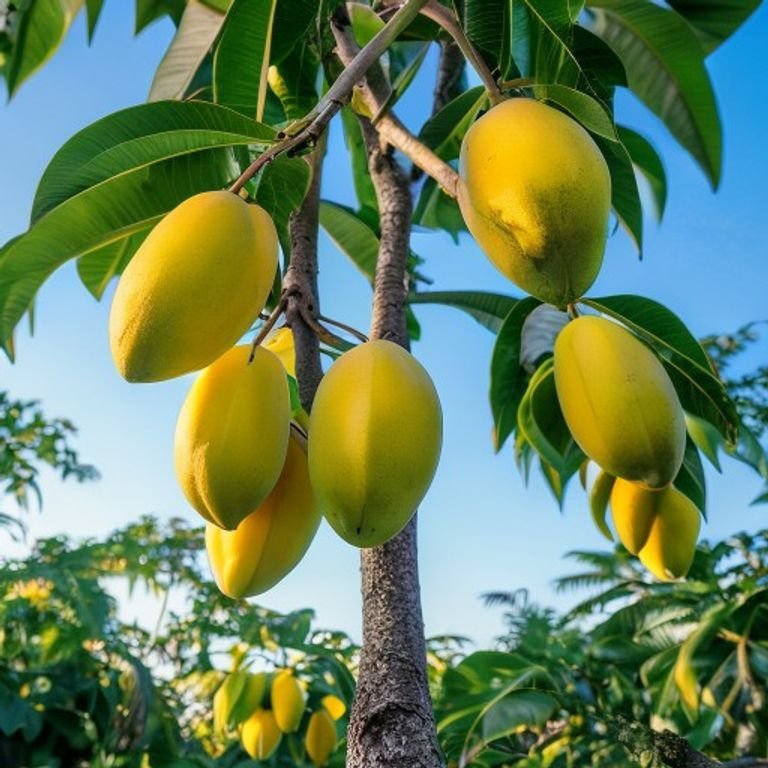
The Mango Tree, known scientifically as Mangifera indica, is a true botanical marvel. It belongs to the Anacardiaceae family, which also includes cashews and pistachios. Native to South Asia, particularly the Indian subcontinent and Southeast Asia, this evergreen tree has been cultivated for thousands of years, evolving into hundreds of delectable varieties. In its natural habitat, the Mango Tree can grow into a large, stately specimen, often reaching impressive heights.
As a plant type, it is primarily a large, perennial fruiting tree. Its growth habit is typically upright with a broad, dense, and spreading canopy, providing excellent shade. While its ultimate height can range from 30 to 60 feet, various grafted varieties and pruning techniques can help manage its size for home gardens. The dense foliage, often dark green and glossy, adds to its aesthetic appeal even when not fruiting. Flowering usually occurs from winter to spring, painting the branches with delicate white to greenish blossoms that eventually give way to the much-anticipated summer fruit.
Why People Love This Plant
The allure of the Mango Tree extends far beyond its delicious fruit. Its presence in a garden brings a unique charm and a host of benefits that make it an enduring favourite.
Appearance
The Mango Tree is an aesthetically pleasing garden tree. Its leaves are typically lanceolate, deep green, and leathery, forming a dense canopy that provides substantial shade. Young leaves emerge in shades of reddish-bronze or pink, gradually maturing to a rich green, offering a subtle colour display throughout the year. When in bloom, the tree is covered in thousands of tiny, inconspicuous white to greenish flowers, creating a soft, misty appearance against the dark foliage. While individual flowers are small, their sheer number can be quite striking.
Flowers
The small, fragrant flowers of the Mango Tree appear in large, terminal panicles, typically from late winter to early spring, depending on the variety and local climate. These blossoms are hermaphroditic (possessing both male and female parts) or male, and their subtle scent is often described as sweet and honey-like, attracting numerous pollinators crucial for fruit set. The transition from these delicate flowers to firm, green mangoes is a magical process that gardeners eagerly anticipate each year.
Foliage
The foliage of Mangifera indica is evergreen, meaning the tree retains its leaves throughout the year. The mature leaves are elongated, glossy, and a vibrant dark green, providing a lush, tropical feel to any landscape. The dense canopy is not only beautiful but also functional, offering significant shade during the peak summer months, a welcome respite in the Indian climate.
Fragrance
While the flowers have a subtle, sweet scent, the true fragrance associated with the Mango Tree comes from its fruit. The aroma of ripe mangoes is unmistakable – a complex blend of sweet, fruity, and sometimes slightly resinous notes that signifies the arrival of summer and its bountiful harvest. This intoxicating scent is a key part of the fruit’s appeal and signals its readiness for enjoyment.
Decorative Value
Beyond its fruit, the Mango Tree holds significant decorative and cultural value. Its stately size and spreading canopy make it an excellent choice for a garden tree, offering architectural interest and a strong focal point in large gardens, farmhouses, or orchards. It creates a natural cooling zone, perfect for outdoor seating areas or simply enjoying the outdoors. Culturally, the mango holds a sacred place in India, often associated with prosperity, love, and fertility, making its presence in a garden deeply meaningful.
Growing Requirements
To ensure your Mango Tree thrives and rewards you with delicious fruit, understanding its specific growing requirements is crucial. These conditions are particularly important for a fruit tree India loves so much.
Light
The Mango Tree absolutely loves sunlight. It requires full sun, meaning at least 6-8 hours of direct sunlight per day, to flourish and produce abundant fruit. Inadequate light will result in poor growth, sparse flowering, and significantly reduced fruit yield. Choose a location in your garden that receives maximum sunlight throughout the day, away from tall buildings or other large trees that might cast excessive shade.
Water
While mature Mango Trees are relatively drought-tolerant once established, young trees require consistent and moderate watering. Water regularly during the first 2-3 years, especially during dry spells, to encourage a strong root system. Once established, water deeply but infrequently. During the flowering and fruiting period (winter to summer), ensure the soil remains moist but not waterlogged. Reduce watering significantly in late autumn and early winter to encourage flowering, and then increase again once fruits begin to set. Overwatering can lead to root rot, a common problem for many trees.
Temperature
Mango Trees are tropical and subtropical plants, thriving in warm climates. They prefer temperatures between 24°C and 30°C. While mature trees can tolerate brief dips below 0°C, young plants are very susceptible to frost damage. In India, most regions provide ideal temperatures. Protect young trees during unusually cold snaps by covering them or bringing potted dwarf varieties indoors if possible.
Humidity
As a tropical plant, Mango Trees appreciate moderate to high humidity. The natural humidity levels in many parts of India are generally suitable for their growth, especially during the monsoon season. Extremely dry air, particularly when coupled with high temperatures, can sometimes stress the tree, but this is rarely a major concern in typical Indian garden conditions.
Soil
Good drainage is paramount for a Mango Tree. It thrives in well-drained, fertile soil. Sandy loam or loamy soils are ideal. The tree can tolerate a wide range of soil pH, from slightly acidic to slightly alkaline (pH 5.5 to 7.5), but prefers a neutral to slightly acidic range. Heavy clay soils that retain too much water should be amended with organic matter and sand to improve drainage before planting.
Potting Mix
If you’re considering a dwarf variety for a large pot, a high-quality potting mix is essential. Use a mix specifically designed for fruiting trees or create your own by combining garden soil, coarse sand, perlite, and plenty of organic compost. Ensure the pot has ample drainage holes to prevent waterlogging, which is a major enemy of the Mango Tree.
Fertilizer
Fertilizing your Mango Tree correctly can significantly impact its growth and fruit production. For young trees, use a balanced fertilizer (e.g., 8-8-8 or 10-10-10 NPK) every 2-3 months during the growing season. As the tree matures and approaches fruiting age, switch to a fertilizer higher in phosphorus and potassium to promote flowering and fruit development. A common practice is to fertilize before flowering (late autumn/early winter) and again after fruit set. Organic options like well-rotted cow dung, compost, and neem cake are also excellent for enriching the soil and providing slow-release nutrients. Always follow package instructions for application rates and water thoroughly after fertilizing.
How to Care for This Plant
Caring for your Mango Tree involves a few key practices to ensure its health and productivity. Here’s a practical, step-by-step guide for Indian gardening conditions.
- Planting: When planting a young grafted mango sapling, dig a hole twice as wide and as deep as the root ball. Amend the removed soil with compost and some well-rotted manure. Place the sapling gently, ensuring the graft union (the swollen part where the scion meets the rootstock) is well above the soil line. Backfill the hole, gently firming the soil, and water thoroughly.
- Watering Schedule: For newly planted trees, water every 2-3 days for the first few weeks, then gradually reduce to once a week for the first year, ensuring the soil remains consistently moist. For established trees (3+ years), water deeply once every 10-14 days during dry periods. Crucially, reduce watering during the flowering period (December-January) to stress the tree slightly, which encourages more prolific flowering. Once fruits begin to form, resume moderate watering.
- Fertilization Routine: In the first year, apply a balanced NPK fertilizer every 2-3 months. For mature trees, apply a balanced fertilizer in spring (February-March) as new growth appears. In late autumn (October-November), before flowering, apply a fertilizer rich in phosphorus and potassium to boost bloom and fruit set. Organic gardeners can use neem cake, bone meal, and well-composted manure.
- Pruning for Health and Production: Pruning is vital for shaping the tree, promoting air circulation, and encouraging fruit production.
- Young Trees (1-3 years): Focus on developing a strong scaffold of 3-4 main branches. Remove any weak, crossing, or downward-growing branches. Maintain a central leader if desired, or open up the canopy.
- Mature Trees: After harvesting, typically around June-July, lightly prune to remove dead, diseased, or damaged branches. Thin out overcrowded branches to improve light penetration and air circulation, which helps prevent fungal diseases. Avoid heavy pruning, especially just before flowering, as mangoes fruit on new wood.
- Pest and Disease Monitoring: Regularly inspect your Mango Tree for signs of pests or diseases. Early detection makes control easier. Pay attention to the underside of leaves and new growth.
- Weed Control: Keep the area around the base of the tree free of weeds, especially when the tree is young, as weeds compete for water and nutrients. A layer of organic mulch (like straw or wood chips) can help suppress weeds, conserve soil moisture, and regulate soil temperature.
- Protecting Young Trees: Young Mango Trees are susceptible to harsh sun, strong winds, and frost. Consider providing temporary shade during peak summer months for very young saplings. A stake can provide support against strong winds.
- Harvesting: Mangoes are typically harvested when they reach full size and show some colour change. They are usually picked firm and allowed to ripen off the tree indoors.
Common Problems and Solutions
While the Mango Tree is relatively hardy, gardeners might encounter a few common problems. Knowing how to identify and address them can save your harvest.
- Mango Hopper: These are tiny, jumping insects that suck sap from new shoots and flower panicles, causing flowers to drop and reducing fruit set. They also excrete honeydew, leading to sooty mould.
- Solution: Spray with neem oil or an appropriate insecticide (like Imidacloprid) during the pre-flowering and flowering stages. Regular monitoring and timely intervention are key.
- Powdery Mildew: A fungal disease that appears as white, powdery patches on leaves, flowers, and young fruits, leading to flower and fruit drop. It’s prevalent in humid, cooler conditions during flowering.
- Solution: Improve air circulation through pruning. Spray with fungicides like wettable sulphur or Carbendazim when symptoms appear, especially during flowering.
- Fruit Drop: It’s natural for some fruit to drop, especially very young ones, as the tree self-thins. However, excessive fruit drop can be due to poor pollination, nutrient deficiencies, water stress, or pest/disease attack.
- Solution: Ensure good tree health, proper watering, and balanced fertilization. Address pest and disease issues promptly. Ensure adequate pollination by attracting beneficial insects.
- Root Rot: Often caused by overwatering or poorly drained soil, leading to yellowing leaves, wilting, and eventual death of the tree.
- Solution: Ensure excellent soil drainage. Water only when the top few inches of soil are dry. In severe cases, improve drainage around the tree or consider replanting in a better spot if the tree is young.
- Slow Growth/Yellow Leaves: Can indicate nutrient deficiency (especially nitrogen), insufficient sunlight, or water stress.
- Solution: Apply a balanced fertilizer. Ensure the tree receives full sun. Check soil moisture levels and adjust watering. A soil test can help identify specific nutrient deficiencies.
- Requires Space: The Mango Tree is a large garden tree. Planting it in a small area or too close to structures can lead to problems with roots, limited growth, and difficulty in maintenance.
- Solution: Choose a spacious location away from foundations, septic tanks, and power lines. If space is limited, opt for dwarf grafted varieties suitable for large containers, though these will still require significant room compared to typical potted plants.
Benefits
Beyond the sheer delight of its fruit, the Mango Tree offers numerous benefits, making it a valuable addition to Indian homes and landscapes.
- Homegrown Mangoes: The primary and most obvious benefit is the ability to harvest your own fresh, sweet, and chemical-free mangoes. There’s nothing quite like the taste of a mango picked straight from your own tree.
- Summer Shade: With its dense, spreading canopy, the Mango Tree provides excellent shade, offering a cool retreat from the intense Indian summer sun. This can significantly reduce ambient temperatures around your home and garden.
- Cultural Significance: The Mango Tree is deeply intertwined with Indian culture, mythology, and traditions. Planting one connects you to a rich heritage and adds a spiritual dimension to your garden.
- Pollinator Attraction: The numerous flowers of the Mango Tree attract a variety of pollinators, including bees and other beneficial insects. This not only aids in fruit production for your tree but also supports local biodiversity, benefiting other plants in your garden.
- Landscaping Value: Its majestic size and evergreen foliage make it an impressive specimen tree for large gardens, farmhouses, and orchards, enhancing the aesthetic appeal of the landscape.
Frequently Asked Questions
How long does it take for a Mango Tree to produce fruit?
For grafted Mango Trees, which are commonly sold and recommended for home gardens, you can generally expect them to start bearing fruit within 3-4 years after planting. Seed-grown trees, however, can take much longer, sometimes 7-10 years or even more, as they are not true to type and have a juvenile phase.
Which mango variety is best for home growing in India?
For taste and popularity, ‘Alphonso’ and ‘Dasheri’ are highly regarded and excellent choices for home gardens in India. ‘Alphonso’ is celebrated for its rich, sweet flavour and creamy texture, while ‘Dasheri’ is known for its distinctive aroma and non-fibrous pulp. Other good options include ‘Langra’ (known for its unique flavour) and ‘Chausa’ (very sweet). When choosing, consider varieties that are well-suited to your local climate and readily available from trusted nurseries like Wynorg.
Can I grow a Mango Tree in a pot?
While traditional Mango Trees are too large for containers, you can successfully grow dwarf varieties or those grafted onto dwarfing rootstock in very large pots or containers. These require significant space even in a pot, often needing a 20-30 gallon (or larger) container to thrive. Regular pruning to manage size and careful attention to watering and fertilizing will be necessary. It’s a commitment, but rewarding for those with limited ground space.
Final Thoughts
The Mango Tree is truly the “King of Fruits” and a majestic addition to any large Indian garden. Its ability to provide both delicious, homegrown fruit and invaluable summer shade makes it an unparalleled choice. While it requires space and consistent care, the rewards of cultivating your own Mango Tree are immense, offering not just a harvest, but a connection to nature and a piece of India’s rich botanical heritage. With the right care and patience, your Mango Tree will thrive, becoming a cherished part of your home for decades to come.
At Plantrea, we believe that gardening should be a joyous and accessible journey for everyone. Plantrea is the online plant platform from Wynorg, helping plant lovers across India discover quality plants, practical growing advice, and trusted nursery sourcing. We hope this guide empowers you to embark on your own mango-growing adventure, bringing the sweet taste of summer right to your doorstep.
Interested in This Plant?
Cultivating a magnificent Mango Tree can be a truly rewarding experience, and we understand you might have more questions specific to your garden or location. Our Plant Expert chat is here to help! Available at the bottom-right corner of every page, it’s like having a seasoned horticulturist right at your fingertips, ready to offer personalised guidance.
Feel free to use the Plant Expert chat to check whether the Mango Tree, or specific varieties like ‘Alphonso’ or ‘Dasheri’, are currently available for delivery in your area. You can also get personalised plant recommendations tailored to your home or garden’s unique conditions, ensuring you choose the perfect plant for your space.
Don’t hesitate to ask our Plant Expert any questions you have about Mango Tree care and maintenance – from troubleshooting specific problems to understanding seasonal routines. And if the Mango Tree isn’t quite right or currently unavailable, our expert can help you discover similar fruiting plants or suitable alternatives that will thrive in your environment. We’re here to make your gardening journey as successful and enjoyable as possible!
Want to buy this plant? Visit https://plantrea.com/shop-2/