Mamey Sapote Care Guide: Grow Your Own Tropical Fruit Tree (Pouteria sapota)
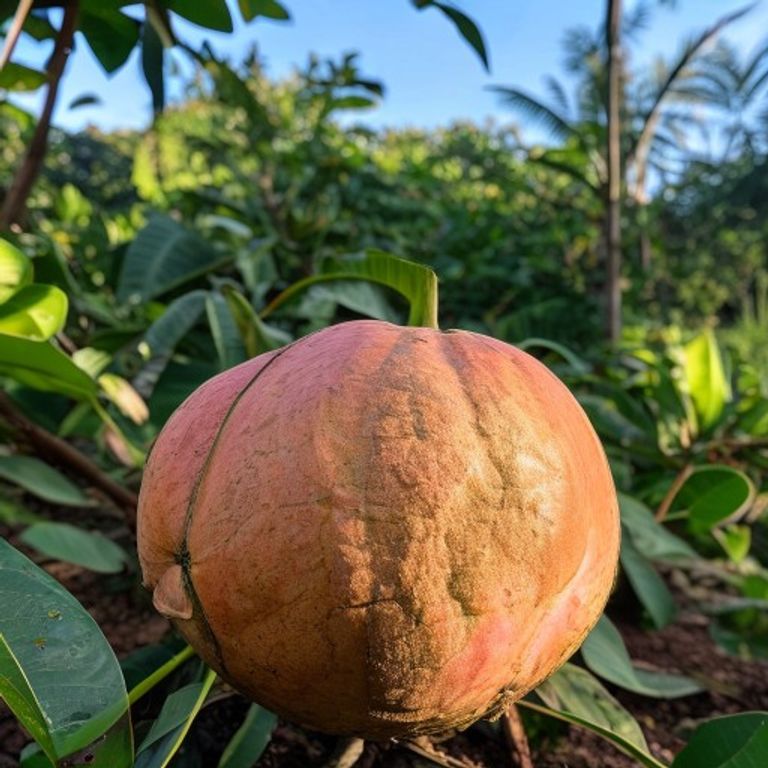
Few fruits capture the imagination quite like the Mamey Sapote. With its unassuming russet-brown skin that hides a vivid, salmon-pink to reddish-orange flesh, this tropical delight offers a taste experience unlike any other. Imagine a creamy blend of sweet potato, pumpkin, and almond, often with hints of honey and vanilla – that’s the Mamey Sapote. In Indian homes and gardens, where a love for unique and flavourful fruits runs deep, the Mamey Sapote holds immense appeal, promising not just a delicious harvest but also a stunning addition to the landscape.
Growing your own Mamey Sapote tree can be a deeply rewarding journey, bringing a touch of the tropics right to your backyard. Whether you’re an experienced gardener looking for a new challenge or a curious beginner eager to cultivate exotic fruits, understanding the specific needs of this magnificent tree is key to its success. For those keen to explore more about such exotic plants and get trusted advice, Plantrea is the online plant platform by Wynorg, a trusted Indian brand known for delivering healthy live plants safely across India. We’re here to guide you through every step of caring for your Mamey Sapote, ensuring it thrives and graces your garden with its delicious bounty.
Botanical Overview
The Mamey Sapote, scientifically known as Pouteria sapota, belongs to the Sapotaceae family, which also includes other well-known fruit trees like sapodilla (chikoo). It is a stately evergreen tropical fruit tree native to the warm, humid regions of Southern Mexico and Central America, where it has been cultivated for centuries.
- Botanical name: Pouteria sapota
- Plant family: Sapotaceae
- Origin: Southern Mexico and Central America
- Plant type: Evergreen Fruit Tree
- Growth habit: The Mamey Sapote tree develops a dense, rounded canopy, providing excellent shade. In its natural habitat, it can reach impressive heights of 20 to 60 feet (6 to 18 meters), making it a significant presence in any large garden or landscape. Young Mamey trees tend to grow upright before spreading out as they mature.
Why People Love This Plant
Beyond its delicious fruit, the Mamey Sapote tree offers several compelling reasons for its popularity among plant enthusiasts and home gardeners.
- Appearance: As a large, evergreen tree, Mamey Sapote is inherently beautiful. Its dense, rounded canopy provides lush greenery year-round, making it an excellent choice for a shade tree or a focal point in tropical and subtropical landscapes. The sheer size and grandeur of a mature Mamey tree are truly impressive.
- Flowers: While not as showy as some ornamental blooms, the Mamey Sapote’s flowers are charming in their own right. Inconspicuous white to creamy-white blossoms emerge in clusters from the leaf axils, typically from late winter to early spring, though in consistently warm tropical climates, flowering can occur year-round. These subtle flowers herald the coming of the prized fruit.
- Foliage: The foliage consists of large, simple, obovate leaves, often clustered towards the tips of the branches. These glossy, dark green leaves contribute to the tree’s overall lush and tropical appearance, providing a beautiful backdrop for the developing fruits.
- Fragrance: The Mamey Sapote flowers possess a mild, pleasant fragrance, adding a subtle sensory delight to the garden. The ripe fruit itself is highly aromatic, its sweet, enticing scent promising the rich flavours within.
- Decorative Value: As a substantial evergreen tree, the Mamey Sapote tree offers significant decorative value. Its stately form and constant green foliage make it ideal for landscaping, creating a tropical oasis, or providing natural shade. It transforms a simple garden into an exotic retreat, enhancing aesthetic appeal with its robust presence.
Growing Requirements for Mamey Sapote
To successfully cultivate a healthy and productive Mamey Sapote tree in your Indian garden, understanding its specific growing requirements is essential. This tropical fruit tree thrives when its environmental needs are met.
- Light: Mamey Sapote trees are sun-loving plants. They require a minimum of 8 hours of direct sunlight daily for optimal growth and, more importantly, for abundant fruit production. Choose a location in your garden that receives full, unobstructed sun throughout the day.
- Water: Consistent moisture is crucial, especially for young trees and during the fruit development stage. Established Mamey Sapote trees benefit from regular deep watering, particularly during dry spells. However, it’s vital to avoid waterlogged conditions, as this can quickly lead to root rot. Allow the top few inches of soil to dry out slightly between waterings.
- Temperature: As a tropical native, the Mamey Sapote prefers warm temperatures, ideally between 18°C and 29°C (65-85°F). It is highly sensitive to frost. While mature trees can tolerate brief drops to around -1°C (30°F), younger plants are far more vulnerable and will require protection during cooler winter nights in regions that experience such temperatures.
- Humidity: Mamey Sapote thrives in high humidity, which is often naturally present in many parts of tropical and subtropical India. In drier climates, providing some level of humidity can be beneficial.
- Soil: The ideal soil for growing Mamey Sapote is well-draining, fertile, and rich in organic matter. A slightly acidic to neutral pH (6.0-7.0) is preferred. Good drainage is paramount to prevent waterlogging and subsequent root issues.
- Potting Mix: While primarily an outdoor tree, Mamey Sapote can be grown in very large containers, especially in areas with colder winters. If container growing, use a high-quality, well-draining potting mix specifically formulated for fruit trees or tropical plants, enriched with compost. Ensure the pot has ample drainage holes.
- Fertilizer: Established Mamey Sapote trees benefit from regular fertilization. Apply a balanced slow-release formula, such as 6-6-6 or 8-3-9, two to three times a year. In addition to the primary nutrients, supplementing with micronutrients like iron and zinc can be beneficial, especially if you observe signs of deficiency like yellowing leaves (chlorosis).
How to Care for This Plant
Caring for your Mamey Sapote tree involves a few key practices that will ensure its health and productivity for years to come.
- Planting: When planting a young Mamey Sapote tree, choose a sunny location with well-draining soil. Dig a hole twice as wide as the root ball and just as deep. Carefully place the tree, ensuring the top of the root ball is level with the surrounding soil. Backfill with soil, gently firming it around the roots, and water thoroughly.
- Watering Schedule: During the first year, water newly planted trees frequently to establish a strong root system. For mature trees, deep watering once or twice a week during dry periods is usually sufficient. Always check the soil moisture before watering – it’s better to slightly under-water than over-water.
- Fertilization Routine: Follow the recommended fertilizer schedule, applying in early spring, mid-summer, and early autumn. Spread the fertilizer evenly around the drip line of the tree, avoiding direct contact with the trunk, and water it in well.
- Pruning: Mamey Sapote trees generally require minimal pruning. Focus on removing any dead, diseased, or damaged branches. You can also prune to maintain a desirable shape, improve air circulation within the canopy, or manage the height for easier harvesting. Avoid heavy pruning, which can stress the tree and reduce fruit production.
- Pest and Disease Monitoring: Regularly inspect your tree for any signs of pests or diseases. Early detection makes treatment much easier. Maintain good garden hygiene by removing fallen leaves and fruits.
- Frost Protection: In regions of India that experience even mild frosts, young Mamey Sapote trees must be protected. Cover them with a blanket or burlap on cold nights, or bring container-grown plants indoors. Mature trees can often withstand brief cold snaps but benefit from a thick layer of mulch around the base to insulate the roots.
- Mulching: Apply a 3-4 inch layer of organic mulch, such as wood chips or compost, around the base of the tree. This helps retain soil moisture, suppress weeds, and regulate soil temperature, benefiting the Mamey Sapote’s health.
Common Problems and Solutions for Mamey Sapote
Even with the best care, your Mamey Sapote tree might face some challenges. Here are common problems and their practical solutions.
- Yellow Leaves (Chlorosis):
- Problem: Often indicates nutrient deficiency, particularly iron or zinc, especially in alkaline soils. Can also be a sign of overwatering or poor drainage.
- Solution: Test your soil pH and nutrient levels. Amend alkaline soils with acidic fertilizers or chelated iron/zinc supplements. Ensure proper watering and drainage to prevent root issues.
- Pests:
- Problem: Scale insects, mealybugs, and sometimes fruit flies or sapote fruit weevils can attack leaves, stems, and ripening fruit.
- Solution: For scale and mealybugs, use neem oil sprays or horticultural oil. For fruit flies and weevils, good sanitation (removing fallen fruit) and specific organic traps or sprays might be necessary. Regularly inspect the tree for early detection.
- Fungal Diseases (e.g., Anthracnose):
- Problem: Anthracnose can cause dark spots on leaves, flower blight, and fruit rot, especially in humid conditions.
- Solution: Improve air circulation through selective pruning. Remove and destroy affected plant parts. Apply appropriate organic fungicides if the problem persists. Ensure good drainage and avoid overhead watering.
- Root Rot:
- Problem: A significant concern caused by poorly draining soils or excessive watering, leading to decaying roots and general decline of the tree.
- Solution: Ensure excellent soil drainage from the start. Water only when the topsoil feels dry. If in a container, check drainage holes. In severe cases, improving drainage around the tree or repotting with fresh, well-draining soil might be necessary.
- Poor Flowering or Fruit Set:
- Problem: Can be due to insufficient sunlight, inadequate watering during critical periods, lack of proper pollination, or the tree being too young (especially if grown from seed).
- Solution: Ensure full sun exposure. Maintain consistent watering and fertilization. Grafted trees will fruit earlier. Patience is key for seed-grown trees.
- Slow Growth:
- Problem: Often indicates a lack of nutrients, insufficient water, or inadequate sunlight.
- Solution: Review your fertilization schedule, watering practices, and ensure the tree is receiving enough direct sunlight. Check for compacted soil or root competition.
- Leaf Drop:
- Problem: Can be a reaction to environmental stress, such as sudden temperature changes, severe drought, overwatering, or nutrient shock.
- Solution: Identify and rectify the stressor. Ensure consistent care regarding water, temperature, and nutrients.
Benefits of Mamey Sapote
The Mamey Sapote tree offers a bounty of benefits, making it a truly valuable addition to any suitable garden.
- Home Decoration & Landscaping: With its majestic size and lush evergreen foliage, the Mamey Sapote tree is an outstanding choice for landscaping. It creates a stunning focal point, provides ample shade, and instantly gives a tropical feel to your garden.
- Edible Landscape & Fruit Production: The primary benefit, of course, is its delicious and highly nutritious fruit. The Mamey Sapote fruit is rich in essential vitamins, including A, C, and B complex, along with dietary fiber and potassium. It’s also an excellent source of antioxidants, contributing significantly to a healthy diet.
- Wildlife Gardens: The flowers and fruits of the Mamey Sapote tree can attract various local wildlife, including bees and birds, contributing positively to local biodiversity and creating a vibrant ecosystem in your garden.
Frequently Asked Questions About Mamey Sapote
What does Mamey Sapote fruit taste like?
Mamey Sapote fruit has a unique, sweet, and incredibly creamy flavor. It’s often described as a delightful blend of sweet potato, pumpkin, and almond, with underlying notes of honey and vanilla. Its texture is smooth, custardy, and melts in your mouth, making it a truly exquisite tropical treat.
How long does it take for a Mamey Sapote tree to produce fruit?
If you’re planting a grafted Mamey Sapote tree, you can generally expect it to begin bearing fruit within 3 to 5 years after planting. Trees grown from seed, however, take considerably longer – often 7 to 10 years or even more – and there’s no guarantee that the fruit will be identical to the parent tree.
Can Mamey Sapote trees grow in containers?
While Mamey Sapote trees are naturally large, they can be grown in very large containers, especially in cooler climates where they need protection from frost. However, container-grown trees will remain significantly smaller than those planted in the ground and may not fruit as prolifically, or even at all. They demand extremely large pots and very consistent care regarding watering and feeding.
Final Thoughts
Bringing a Mamey Sapote tree into your garden is an invitation to experience the rich flavours and lush beauty of the tropics. With proper care, patience, and a bit of dedication, you can cultivate this extraordinary fruit tree and enjoy its unique, delicious bounty for many years. Its vibrant fruit and stately presence make it a true garden gem.
We hope this comprehensive guide assists you in successfully growing and caring for your Mamey Sapote. Remember, healthy plants begin with good knowledge and quality sourcing. Plantrea is the online plant platform from Wynorg, helping plant lovers across India discover quality plants, practical growing advice, and trusted nursery sourcing.
Interested in This Plant?
Are you considering adding the magnificent Mamey Sapote tree to your garden, or perhaps you have more specific questions about its care in your unique climate? We understand that every garden is different, and personalized advice can make all the difference in successful plant cultivation.
Our Plant Expert chat, conveniently located at the bottom-right corner of every page, is here to assist you. You can use this service to check whether the Mamey Sapote plant is currently available for purchase, get personalised plant recommendations tailored to your specific home or garden conditions, or simply ask any lingering questions you have about Mamey Sapote care and maintenance. Our experts are ready to provide practical, friendly guidance.
Whether you need to know more about watering schedules during a monsoon, how to protect your Mamey Sapote from a particular local pest, or even if you’re looking for suitable alternatives if this particular tropical tree isn’t quite right for your space, our Plant Expert is your experienced gardening assistant, here to help you make informed decisions and grow with confidence.
Want to buy this plant? Visit https://plantrea.com/shop-2/