Congea Pink Vine – Rare Wooly Pink Flower Clusters | Wynorg Nursery
There’s a special charm in plants that defy the ordinary, and the Congea Pink Vine is undoubtedly one of them. For Indian homes and gardens seeking a touch of the unique, this magnificent climber offers an unparalleled display of fuzzy, pinkish-lavender blooms that emerge when most other plants are winding down. It’s a true winter marvel, transforming trellises and pergolas into a cascading spectacle of soft, woolly flowers that seem to glow. Its unusual appearance and long-lasting nature make it a prized possession for plant enthusiasts across the country.
Discovering plants like the Congea Pink Vine and learning how to care for them is a joy, and that’s precisely what Plantrea aims to provide. Plantrea is the online plant platform by Wynorg, a trusted Indian brand known for delivering healthy live plants safely across India. We believe in empowering every gardener with the knowledge to cultivate stunning plants, and the Congea Pink Vine is a fantastic specimen to add to your collection.
Botanical Overview
The Congea Pink Vine, scientifically known as Congea tomentosa, is an intriguing member of the Verbenaceae family. Originating from the tropical and subtropical regions of Southeast Asia, this plant is a true connoisseur’s choice. It’s primarily grown as a flowering vine, appreciated for its robust climbing habit and its ability to cover large structures with ease. As a perennial, it returns year after year, gracing your garden with its distinctive beauty. Its growth habit is vigorous, reaching impressive heights of 15-20 feet when given adequate support, making it an ideal candidate for arbors, pergolas, and large trellises.
Why People Love This Plant
The appeal of the Congea Pink Vine goes beyond its rarity; it’s the sum of its unique characteristics that capture the hearts of gardeners:
Appearance
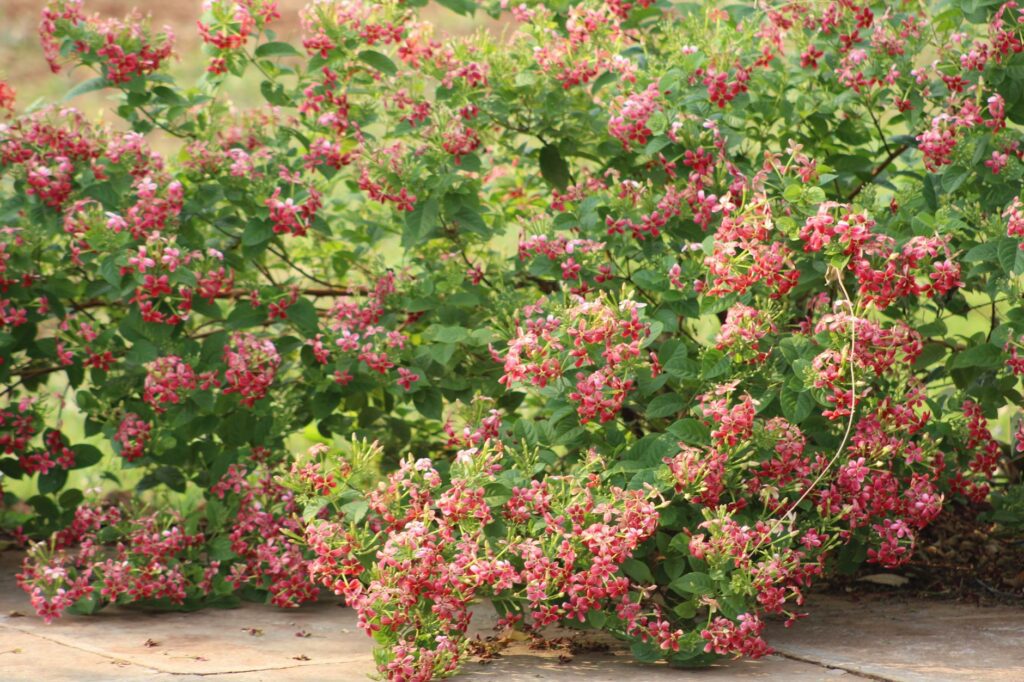
The most striking feature of the Congea Pink Vine is its extraordinary blooms. Unlike typical flowers, Congea tomentosa produces clusters of fuzzy, pinkish-lavender bracts that intricately surround tiny, inconspicuous true flowers. These bracts are often described as resembling woolly catkins, giving the plant a soft, textural appearance that is truly one-of-a-kind. When in full bloom, the entire vine appears draped in a delicate, ethereal pink haze.
Flowers
The flowers of the Congea Pink Vine are not just beautiful; they are incredibly resilient. Appearing primarily in winter and extending well into spring, these unique pinkish-lavender structures last for several months. This extended bloom time is a rare and highly valued trait, providing vibrant color and interest during a season when many other plants are dormant. The sheer abundance of these wooly flowers creates a breathtaking display that can transform any garden space.
Foliage
While the flowers are the star, the foliage of the Congea Pink Vine provides a lush green backdrop that beautifully highlights the delicate blooms. Its leaves are generally oval to elliptic, often with a slightly velvety texture, and grow densely along the climbing stems. The rich green complements the soft pinks and lavenders of the flowers, ensuring an attractive plant even when not in bloom.
Fragrance
It’s important to note that while the Congea Pink Vine is visually stunning, it does not possess a significant fragrance. Its charm lies purely in its spectacular visual display and unusual texture.
Decorative Value
As a rare collector’s plant, the Congea Pink Vine holds immense decorative value. It’s perfectly suited for creating dramatic focal points in large gardens, adorning substantial pergolas, arbors, and sturdy trellises. Its climbing nature makes it excellent for covering unsightly walls or fences, turning them into living tapestries. For those with spacious balconies or terraces, a well-supported Congea Pink Vine in a large pot can provide stunning winter interest, making it a conversation starter and a true treasure in any Indian landscape.
Growing Requirements
To ensure your Congea Pink Vine thrives and rewards you with its magnificent wooly flowers, understanding its basic needs is crucial. While it’s a moderate-care plant, providing the right environment from the start makes all the difference.
Light
The Congea Pink Vine absolutely loves sunlight. For the best blooming performance, it requires full sun exposure, meaning at least 6-8 hours of direct sunlight per day. In the hot Indian climate, while it can tolerate intense sun, a little afternoon shade in extremely scorching regions might be beneficial to prevent leaf scorch, though generally, full sun is preferred for abundant flowers.
Water
This plant prefers moderate watering. The key is consistency and ensuring good drainage. Water thoroughly when the top 1-2 inches of soil feel dry to the touch. During its peak growing and flowering season (winter to spring), it might require slightly more frequent watering. In the dormant period or during heavy monsoons, reduce watering to prevent waterlogging. Avoid letting the plant sit in soggy soil, as this can lead to root rot.
Temperature
Being a tropical vine, Congea tomentosa thrives in warm temperatures and is not tolerant of very cold conditions. It prefers temperatures above 10°C (50°F). In most parts of India, this isn’t an issue, but in regions experiencing severe winters, protection might be necessary. It generally performs well in the average Indian climate, flourishing in the warm days and mild winters.
Humidity
The Congea Pink Vine appreciates moderate to high humidity, which is often naturally present in many parts of India, especially during the monsoon and post-monsoon seasons. If you live in an exceptionally dry region, occasional misting or placing the plant near other plants can help create a slightly more humid microclimate, though it’s generally adaptable.
Soil
Well-drained soil is paramount for the health of your Congea Pink Vine. It can tolerate a range of soil types, but heavy, waterlogged soils are detrimental. A loamy, fertile soil enriched with organic matter provides the ideal growing medium. Good drainage prevents root issues and allows the roots to access oxygen.
Potting Mix
If you’re growing the Congea Pink Vine in a pot, use a high-quality potting mix designed for flowering plants, ensuring it’s well-draining. A good mix typically contains coco-peat, perlite, garden soil, and compost in appropriate proportions. Ensure the pot has ample drainage holes. Given its vigorous growth, a large, sturdy pot is essential for container gardening.
Fertilizer
To support its abundant flowering, the Congea Pink Vine benefits from regular feeding. During its active growing and flowering phase (late autumn through spring), apply a balanced liquid fertilizer or a slow-release granular fertilizer once every 4-6 weeks. A fertilizer higher in phosphorus can encourage more prolific blooming. Reduce or stop fertilizing during the dormant period or extreme heat.
How to Care for This Plant
Caring for your Congea Pink Vine is a rewarding experience. Here’s a step-by-step guide to help you cultivate this beautiful climber:
- Planting: Choose a location that receives full sun and has well-drained soil. For container planting, select a large pot (at least 18-24 inches in diameter) with good drainage. Plant the vine near a sturdy support structure like a trellis, pergola, or arbor.
- Watering Schedule: Establish a consistent watering routine. Check the soil moisture regularly. Water deeply when the topsoil feels dry, allowing the excess water to drain away. Adjust frequency based on weather conditions; more in hot, dry periods, less during cool or rainy spells.
- Support and Training: As a climbing vine, the Congea Pink Vine needs support. Gently guide its young shoots onto the chosen structure. You may need to loosely tie some branches initially to encourage them to grasp the support. Regular training helps create a beautiful, well-distributed display of flowers.
- Pruning: The best time to prune your Congea Pink Vine is immediately after its magnificent flowering season concludes in spring. Pruning helps maintain its shape, promotes bushier growth, and encourages a stronger bloom next year. Remove any dead, diseased, or weak branches. You can also trim back overgrown stems to control its size and shape, especially if it’s on a pergola or trellis.
- Protection from Wind: While hardy, young plants and delicate new growth can be susceptible to strong winds. If you live in an area prone to high winds, ensure your plant and its support structure are secure, especially during its establishment phase.
- Patience for Establishment: The Congea Pink Vine is known to be slow to establish. Don’t be disheartened if it doesn’t show rapid growth or bloom profusely in its first year. With consistent care and a little patience, it will eventually settle in and become a vigorous, stunning bloomer.
- Pest and Disease Monitoring: Regularly inspect your plant for any signs of pests or diseases. Early detection makes treatment much easier.
Common Problems and Solutions
Even with the best care, plants can sometimes face challenges. Here are some common problems you might encounter with your Congea Pink Vine and how to address them:
- Slow to Establish:
- Problem: The Congea Pink Vine can take its time to settle into a new environment and show robust growth.
- Solution: Patience is key. Ensure all basic requirements (sunlight, water, soil) are met. Avoid over-fertilizing or over-watering in an attempt to rush growth, as this can do more harm than good. Consistent, moderate care will eventually lead to strong establishment.
- Not for Very Cold Areas:
- Problem: Congea tomentosa is sensitive to frost and very low temperatures.
- Solution: In regions of India that experience severe winters or occasional frost, provide protection. This might involve planting it in a sheltered location, covering it with frost cloth during cold snaps, or growing it in a large container that can be moved to a more protected spot if temperatures drop significantly.
- Yellow Leaves:
- Problem: Yellowing leaves can indicate various issues, most commonly related to watering.
- Solution: Check your watering routine. Overwatering, leading to root rot, or underwatering can both cause yellowing. Ensure the soil drains well. It could also be a nutrient deficiency; a balanced fertilizer application can help.
- Pests:
- Problem: Like many outdoor plants, it can occasionally be susceptible to common pests such as aphids, mealybugs, or spider mites.
- Solution: Inspect your plant regularly. If pests are detected, treat with an organic neem oil spray or insecticidal soap. For larger infestations, consult a local nursery for appropriate treatment options.
- Fungal Diseases:
- Problem: Overwatering or poor air circulation can sometimes lead to fungal issues like powdery mildew or root rot.
- Solution: Ensure excellent drainage and avoid overhead watering, especially during cooler, humid periods. If root rot is suspected (wilting, yellowing despite adequate water), reduce watering immediately and check drainage. For powdery mildew, improve air circulation and treat with a suitable fungicide.
- Poor Flowering:
- Problem: If your Congea Pink Vine is not producing its characteristic wooly flowers, several factors could be at play.
- Solution: The most common reasons are insufficient sunlight (needs full sun for best blooms), lack of proper nutrients (fertilize during the growing season), or incorrect pruning (prune after flowering, not before, to avoid cutting off flower buds).
- Leaf Drop:
- Problem: Sudden leaf drop can be a sign of stress.
- Solution: This can be triggered by drastic changes in environmental conditions, such as sudden temperature fluctuations, severe over or under-watering, or nutrient shock. Review your care routine and environment to identify and correct the stressor.
Benefits
Beyond its striking aesthetics, the Congea Pink Vine offers several advantages that make it a cherished addition to Indian gardens:
- Home Decoration: Its long-lasting, unique pinkish-lavender blooms create a stunning visual impact, making it an excellent choice for decorating large outdoor spaces. Imagine a Congea Pink Vine cascading over a pergola, welcoming guests with its soft, woolly texture and vibrant color.
- Balcony Gardening: For those with spacious balconies, the Congea Pink Vine can be grown in large, sturdy containers, provided it gets ample sunlight and a strong support structure. It offers a spectacular display, bringing a touch of exotic beauty to urban settings.
- Landscaping: As a vigorous climber, it’s ideal for various landscaping purposes. Use it to cover arbors, trellises, fences, or as a groundcover on slopes. Its dense growth and beautiful blooms can transform dull areas into vibrant focal points.
- Winter Interest: One of its most significant benefits for Indian gardens is its winter-to-spring flowering season. When many other plants are dormant, the Congea Pink Vine bursts into a profusion of color, providing much-needed cheer and beauty during the cooler months.
- Rare Collector’s Plant: For enthusiasts who love to grow unique and less common plants, the Congea Pink Vine is a prized specimen. Its unusual wooly flowers and long blooming period make it a standout, adding an exclusive touch to any plant collection.
Frequently Asked Questions
How long do flowers last?
The beautiful, fuzzy pinkish-lavender blooms of the Congea Pink Vine are remarkably long-lasting. You can expect them to remain on the plant for several months, typically from winter well into spring, providing continuous beauty.
Is it difficult to grow?
The Congea Pink Vine is considered to have a moderate care level. While it requires patience to establish and consistent basic care, it is not overly demanding once settled. Providing full sun, well-drained soil, and moderate water are the main keys to its success.
Does it need full sun?
Yes, for the best and most abundant blooming, the Congea Pink Vine absolutely needs full sun. Aim for at least 6-8 hours of direct sunlight per day. Insufficient light will result in sparse flowering.
Final Thoughts
The Congea Pink Vine, with its rare and enchanting wooly flowers, is a truly captivating plant that brings unique beauty to any Indian garden or spacious balcony. Its extended blooming period during winter and spring makes it an invaluable asset, offering a splash of soft pinkish-lavender when most other plants are resting. While it asks for a little patience during establishment, the reward of its stunning display is well worth the effort.
Cultivating such unique plants is a journey of discovery and learning. Plantrea is the online plant platform from Wynorg, helping plant lovers across India discover quality plants, practical growing advice, and trusted nursery sourcing. We are committed to fostering a love for gardening and ensuring you have all the resources needed to create a thriving green space.
Interested in This Plant?
Perhaps the allure of the Congea Pink Vine has captured your imagination, and you’re wondering if this rare beauty is the perfect fit for your garden or if you can even get your hands on one. We understand that finding unique plants and getting personalized advice can sometimes be challenging.
That’s where our Plant Expert chat comes in handy! Available at the bottom-right corner of every page, our knowledgeable Plant Experts are ready to assist you. You can use this convenient feature to check whether the Congea Pink Vine is currently available in stock. They can also provide personalised plant recommendations tailored to your specific home or garden conditions, ensuring you choose plants that will truly thrive.
Have more questions about the Congea Pink Vine’s care and maintenance, or perhaps encountered a specific issue? Our experts are there to offer practical advice. If, by chance, the Congea Pink Vine isn’t available or suitable for your specific environment, they can also help you discover similar plants with equally enchanting characteristics. Think of our Plant Expert as your personal gardening assistant, always ready to help you on your green journey.
Image by: Ram Kondisetti
https://www.pexels.com/@ram-kondisetti-828660077