Growing Kingwhite Mulberry: A Complete Guide to Sweet Success in Your Indian Garden
There’s a special joy in harvesting fresh fruit from your own garden, and the Kingwhite Mulberry offers exactly that – an abundance of deliciously sweet, white berries right at your fingertips. This delightful plant has found a cherished spot in many Indian homes and gardens, cherished for its rapid growth, ease of care, and, of course, its incredibly flavourful fruit. Whether you have a spacious garden or a cozy balcony, the Kingwhite Mulberry can bring a touch of natural bounty and beauty. As you embark on your gardening journey, remember that Plantrea is the online plant platform by Wynorg, a trusted Indian brand known for delivering healthy live plants safely across India, ensuring you start with the best specimens.
The appeal of the Kingwhite Mulberry goes beyond its fruit; its lush foliage provides welcome shade, and its robust nature makes it a rewarding choice for both novice and experienced gardeners. Let’s delve into what makes this mulberry a must-have for your green space and how you can cultivate it to its full potential.
Botanical Overview
The Kingwhite Mulberry, scientifically known as Morus alba ‘Kingwhite’, is a specific cultivar of the White Mulberry. It belongs to the Moraceae family, which also includes figs and breadfruit. Originating from China, the White Mulberry has been cultivated for centuries, primarily for its leaves to feed silkworms, but also for its nutritious fruits. The ‘Kingwhite’ variety is particularly prized for its larger, sweeter, and more abundant white fruits.
- Botanical Name: Morus alba ‘Kingwhite’
- Plant Family: Moraceae
- Origin: China (White Mulberry species)
- Plant Type: Deciduous fruiting shrub or small tree
- Growth Habit: Fast-growing, spreading, with a tendency to form multiple stems if not pruned. Can be trained as a single-trunk tree or a bushy shrub.
Why People Love This Plant
The Kingwhite Mulberry holds a special place in the hearts of plant enthusiasts for several compelling reasons:
Appearance
This mulberry cultivar boasts attractive, bright green, lobed leaves that provide a lush, inviting appearance throughout the growing season. The foliage turns a lovely yellow in autumn before dropping, signaling the plant’s dormant period. Its vigorous growth habit can quickly create a beautiful specimen plant, offering shade and visual interest.
Flowers
Mulberry flowers are typically small, inconspicuous, and greenish-white, appearing in elongated clusters known as catkins. While not overtly showy, these flowers are crucial for fruit production. They emerge in early spring, often before the leaves are fully unfurled, making way for the eagerly anticipated fruit.
Foliage
The leaves of the Kingwhite Mulberry are broadly ovate, often with deep lobes, and have a slightly rough texture. They are a vibrant green, creating a dense canopy that is perfect for providing shade during the hot Indian summers. Beyond their aesthetic appeal, mulberry leaves are well-known for their use in sericulture (silkworm farming), though for gardeners, their primary delight is the shade and backdrop they provide for the developing fruit.
Fragrance
Kingwhite Mulberry flowers do not possess a significant fragrance. The plant is primarily grown for its fruit and ornamental value rather than its scent.
Decorative Value
Even without its fruit, the Kingwhite Mulberry makes for a lovely ornamental plant. Its attractive foliage, spreading canopy, and ability to be shaped through pruning make it a versatile addition to any landscape. It can serve as a focal point, provide a shady retreat, or be integrated into a mixed border. When laden with its creamy white fruits, its decorative appeal is even further enhanced, creating a picturesque display.
Growing Requirements
To ensure your Kingwhite Mulberry thrives and provides you with a bountiful harvest, understanding its specific growing requirements is key:
Light
Kingwhite Mulberries are sun-lovers. They require full sun, meaning at least 6-8 hours of direct sunlight per day, to produce the best fruit and maintain vigorous growth. In the scorching Indian summer, while full sun is ideal, some protection from intense afternoon sun, especially for young plants, can be beneficial in extremely hot regions.
Water
Regular watering is essential, particularly for young plants and during dry spells. Mulberries prefer consistently moist, but not waterlogged, soil. Water deeply when the top 2-3 inches of soil feel dry to the touch. Once established, they are somewhat drought-tolerant, but consistent watering during the fruiting season will lead to plumper, juicier berries. Reduce watering in winter when the plant is dormant.
Temperature
Mulberries are generally adaptable and can tolerate a wide range of temperatures. They thrive in the warm to hot climates prevalent across much of India. They require a period of cold dormancy (chilling hours) to produce fruit, which most Indian winters adequately provide, though extreme cold snaps should be protected against for very young plants.
Humidity
Average to moderate humidity levels are generally suitable for Kingwhite Mulberries. High humidity combined with poor air circulation can sometimes lead to fungal issues, so ensuring good spacing and proper pruning helps.
Soil
This resilient plant is not overly fussy about soil type but performs best in well-draining, fertile loam. It can tolerate a range of soil pH from slightly acidic to slightly alkaline (pH 6.0-7.5). Good drainage is crucial to prevent root rot.
Potting Mix
If growing your Kingwhite Mulberry in a pot, use a high-quality, well-draining potting mix that is rich in organic matter. A mix suitable for fruit trees or a general-purpose potting mix amended with compost and perlite will work well. Ensure the pot has ample drainage holes.
Fertilizer
Feed your Kingwhite Mulberry annually in early spring before new growth begins. Use a balanced, slow-release fertilizer or an organic compost spread around the base of the plant. Once established, mulberries are not heavy feeders, but a boost of nutrients supports healthy growth and fruit production. Avoid over-fertilizing, especially with high-nitrogen fertilizers, as this can encourage leafy growth at the expense of fruit.
How to Care for This Plant
With its robust nature, caring for a Kingwhite Mulberry is relatively straightforward, but a few key practices will ensure a thriving plant and a bountiful harvest.
- Planting: Choose a sunny location with well-draining soil. Dig a hole twice as wide as the root ball and just as deep. Carefully place the plant, ensuring the top of the root ball is level with the soil surface. Backfill with soil, gently firming it around the base, and water thoroughly.
- Pruning: Pruning is essential for shape, size management, and fruit production. The best time to prune Kingwhite Mulberry is during its dormant season, typically in late winter or early spring before new growth appears.
- Young Plants: Focus on establishing a strong framework. Remove any dead, damaged, or crossing branches. Decide whether you want a single-trunk tree or a multi-stemmed bush and prune accordingly.
- Mature Plants: Annually remove dead or diseased wood. Thin out crowded branches to improve air circulation and sunlight penetration. You can also prune to maintain a manageable size, especially if growing in a container or in a smaller garden. Mulberries fruit on new wood, so light pruning encourages new growth.
- Watering: Maintain a consistent watering schedule, especially during dry periods and the fruiting season. Deep watering is better than frequent shallow watering.
- Fertilizing: Apply a balanced fertilizer or compost in early spring. For potted plants, consider a liquid feed every 4-6 weeks during the growing season.
- Mulching: Apply a layer of organic mulch (like wood chips or compost) around the base of the plant, keeping it a few inches away from the trunk. Mulch helps retain soil moisture, suppress weeds, and regulate soil temperature.
- Pest and Disease Monitoring: Regularly inspect your plant for any signs of pests or diseases. Early detection makes treatment much easier.
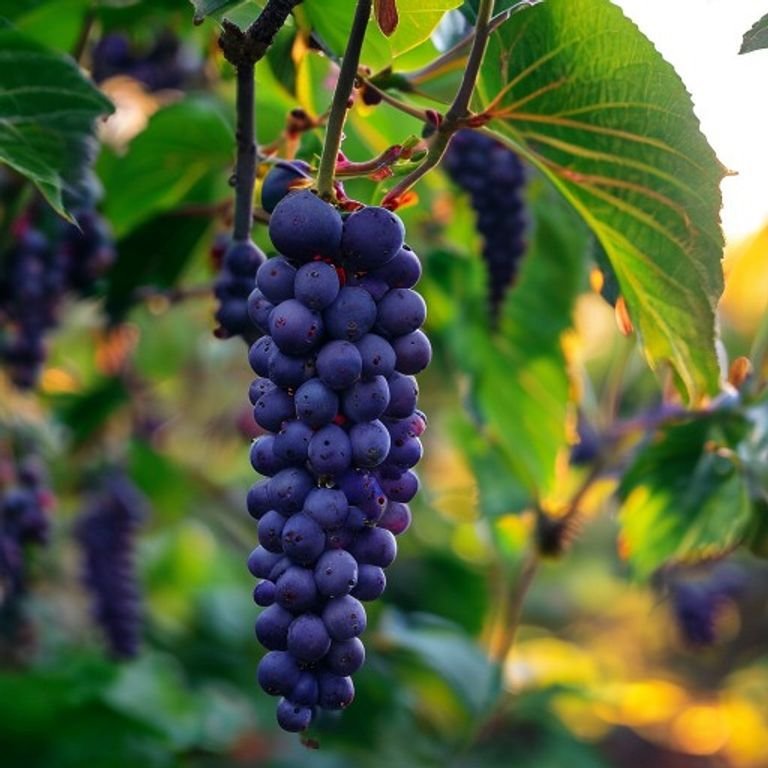
- Harvesting: Kingwhite Mulberries are ready for harvest when they turn fully white, plump, and easily detach from the stem. They typically ripen in late spring to early summer. Harvest gently, as they are delicate.
Common Problems and Solutions
While the Kingwhite Mulberry is generally resilient, it can encounter a few issues. Here are some common problems and their solutions:
- Yellow Leaves:
- Cause: Often due to overwatering (leading to root rot), nutrient deficiency (especially iron or nitrogen), or sometimes underwatering.
- Solution: Check soil moisture – ensure good drainage and allow soil to dry slightly between waterings. Apply a balanced fertilizer or compost. If it’s an iron deficiency (leaves yellow with green veins), use an iron supplement.
- Pests:
- Birds: Mulberries are a bird favorite!
- Solution: Netting your tree is the most effective way to protect ripening fruit from birds.
- Mealybugs, Scale Insects, Aphids: These can occasionally infest mulberry trees.
- Solution: For minor infestations, spray with a strong stream of water or use neem oil spray. For severe cases, consider insecticidal soap. Ensure good air circulation through pruning.
- Fungal Diseases (e.g., powdery mildew, leaf spot):
- Cause: High humidity, poor air circulation, or extended periods of leaf wetness.
- Solution: Improve air circulation by pruning dense foliage. Water at the base of the plant to avoid wetting leaves. Apply an appropriate organic fungicide if the problem persists.
- Root Rot:
- Cause: Overwatering and poorly draining soil are the primary culprits.
- Solution: Ensure excellent drainage. For potted plants, use a well-draining mix and a pot with drainage holes. For garden plants, amend heavy clay soils with organic matter to improve drainage. Reduce watering frequency.
- Poor Fruiting:
- Cause: Insufficient sunlight, lack of nutrients, improper pruning (removing fruiting wood), or insufficient chilling hours (though less common in most of India for mulberries).
- Solution: Ensure full sun exposure. Fertilize appropriately in spring. Learn proper pruning techniques to encourage fruit-bearing wood.
- Slow Growth:
- Cause: Poor soil, inadequate nutrients, insufficient water, or lack of sunlight.
- Solution: Address these basic needs: ensure good soil, proper fertilization, regular watering, and ample sunlight.
- Leaf Drop:
- Cause: Normal deciduous behavior in autumn, or stress from extreme environmental changes, severe drought, or pest/disease issues.
- Solution: If it’s not autumn, check for watering issues (both over and under), pest infestations, or signs of disease. Ensure the plant is not in a location with extreme temperature fluctuations.
Benefits
Beyond its delicious fruit, the Kingwhite Mulberry offers a range of benefits for your home and garden:
- Home Decoration: Its attractive foliage and graceful growth habit make it a beautiful ornamental plant, perfect for adding a touch of natural elegance to your home garden.
- Balcony Gardening: With proper pruning and a large enough pot, the Kingwhite Mulberry can be successfully grown on balconies, bringing the joy of homegrown fruit to urban dwellers.
- Landscaping: It serves as an excellent specimen tree, provides shade, and its fall foliage adds seasonal interest to your landscape design.
- Pollinator Friendly: While not showy, mulberry flowers do attract various pollinators, including bees and other beneficial insects, contributing to the local ecosystem’s health.
- Nutritious Fruit: The sweet white mulberries are not just tasty but also packed with vitamins (especially Vitamin C and K), minerals, and antioxidants, making them a healthy snack straight from the tree.
Frequently Asked Questions
How long does it take for a Kingwhite Mulberry to fruit?
Kingwhite Mulberry plants are known for their relatively fast growth and early fruiting. You can often expect a young Kingwhite Mulberry to start producing fruit within 2-3 years of planting, especially if grown from a well-established sapling. Production will increase significantly as the plant matures.
Can Kingwhite Mulberry be grown in a pot?
Yes, Kingwhite Mulberry can be successfully grown in a large pot or container, making it suitable for balconies, patios, and smaller gardens. Choose a pot that is at least 20-25 inches in diameter and depth to allow for root growth. Regular pruning will be necessary to manage its size and shape in a container, and potted plants will require more frequent watering and feeding than those in the ground.
What is the best time to prune a Kingwhite Mulberry?
The best time to prune a Kingwhite Mulberry is during its dormant season, which is typically in late winter or very early spring, before the new growth buds begin to swell. This allows the plant to recover and directs its energy into new growth and fruit production in the spring. You can also do light summer pruning to maintain shape or remove suckers, but avoid heavy pruning during the growing season as it can reduce the current year’s fruit yield.
Final Thoughts
Bringing a Kingwhite Mulberry into your garden is an investment in beauty, shade, and delicious, homegrown fruit. Its adaptable nature and relatively easy care make it a rewarding choice for Indian gardeners, promising sweet rewards year after year. The joy of plucking a ripe, sweet white mulberry directly from your own plant is an experience that truly connects you with nature’s bounty.
As you nurture your Kingwhite Mulberry and explore the vast world of plants, remember that Plantrea is the online plant platform from Wynorg, helping plant lovers across India discover quality plants, practical growing advice, and trusted nursery sourcing. We are committed to supporting your gardening journey, every step of the way.
Interested in This Plant?
If the thought of growing your own sweet Kingwhite Mulberry has captured your imagination, you might have a few more questions. We understand that every garden is unique, and getting personalized advice can make all the difference. That’s why we invite you to use Plantrea’s Plant Expert chat, conveniently located at the bottom-right corner of every page.
Our friendly and knowledgeable Plant Expert is ready to assist you. You can quickly check whether the Kingwhite Mulberry is currently available, or perhaps you’d like to get personalized plant recommendations that are perfectly suited for your home or garden’s specific conditions. No question is too small when it comes to nurturing your green companions.
Feel free to ask any plant care and maintenance questions you might have about the Kingwhite Mulberry or any other plant. And if, by chance, the Kingwhite Mulberry isn’t quite what you’re looking for or is currently out of stock, our Plant Expert can help you discover suitable alternatives that will bring similar joy and bounty to your space. We’re here to help you make informed choices and achieve gardening success!
Want to buy this plant? Visit https://plantrea.com/shop-2/