Growing Abiu Tree in India: A Comprehensive Care Guide for Sweet Tropical Fruits
There’s a special joy in discovering and cultivating exotic fruits, and the Abiu tree is one such treasure that is increasingly capturing the hearts of Indian gardeners. With its striking yellow fruits that promise a taste of creamy, sweet delight, the Abiu is a wonderful addition to homes and gardens, particularly in India’s warmer regions. Its unique appearance and delightful flavour make it a conversation starter and a rewarding plant to grow.
For those looking to explore such unique and healthy live plants, Plantrea is the online plant platform by Wynorg, a trusted Indian brand known for delivering healthy live plants safely across India. We believe that every gardener, from novice to expert, deserves access to reliable information and quality plants to create their green paradise.
Botanical Overview
The Abiu, scientifically known as Pouteria caimito, belongs to the Sapotaceae family, which also includes other beloved tropical fruits like sapodilla (chiku) and canistel. Native to the Amazon basin of South America, this evergreen fruit tree thrives in warm, humid tropical and subtropical climates. In its natural habitat, the Abiu tree can grow quite large, sometimes reaching heights of 15-20 meters. However, in cultivation, especially in home gardens, it typically remains more manageable, growing to about 3-6 meters with proper pruning. Its growth habit is generally upright, developing a dense canopy of lush green foliage.
Why People Love This Plant
Appearance
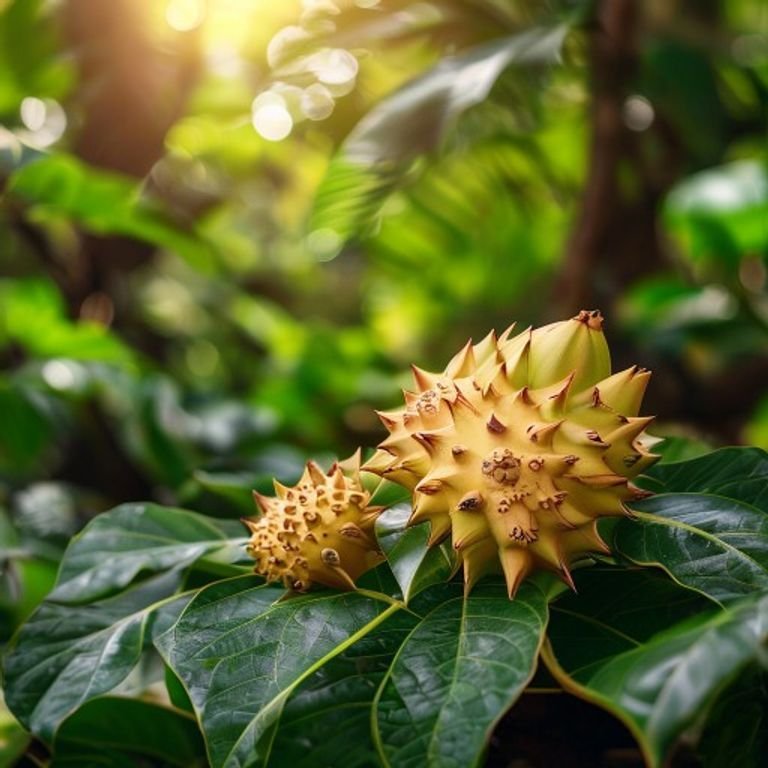
The Abiu tree itself is quite attractive, with an orderly growth habit and glossy green leaves that provide a lush, tropical feel to any garden. But it’s the fruit that truly steals the show. The fruit is typically round to oval, sometimes slightly pointed at one end, and possesses a smooth, bright yellow skin when ripe, giving it a luminous quality on the tree. Its vibrant colour against the dark green foliage is simply stunning.
Flowers
While not as showy as some ornamental blooms, the Abiu tree’s flowers are charming in their own right. They are small, inconspicuous, and typically white or greenish-white, emerging in clusters from the leaf axils along the branches. These flowers are mildly fragrant and lead to the much-anticipated fruit.
Foliage
The leaves of the Abiu tree are elongated, oblong, and have a rich, deep green colour with a glossy finish. They are fairly dense, providing ample shade and contributing to the tree’s overall healthy and vibrant appearance throughout the year, as it is an evergreen species.
Fragrance
The flowers emit a subtle, sweet fragrance, but the true aromatic delight comes from the ripe fruit. When sliced open, the Abiu fruit releases a delicate, sweet, and faintly caramel-like aroma that hints at its delicious flavour.
Decorative Value and Fruit
Beyond its delectable fruit, the Abiu tree offers significant decorative value. A well-maintained Abiu tree laden with its bright yellow fruits creates an exotic and appealing focal point in a garden or a large patio. The fruit itself is the primary reason for its popularity – its translucent, jelly-like pulp, often compared to caramel custard or crème brûlée, is incredibly sweet and refreshing, making it a highly sought-after treat.
Growing Requirements for Abiu Tree
Light
The Abiu tree absolutely loves sunlight. To thrive and produce abundant fruit, it requires full sun exposure, meaning at least 6-8 hours of direct sunlight per day. In India’s intense summers, providing some afternoon shade for very young plants can be beneficial, but mature trees prefer maximum light.
Water
Consistent moisture is crucial for the Abiu tree, especially during its flowering and fruiting periods. The soil should be kept consistently moist but never waterlogged. Deep watering two to three times a week during dry seasons is generally a good practice. Reduce watering slightly during cooler, less active periods. Young Abiu plants require more frequent watering to establish a strong root system.
Temperature
As a tropical plant, the Abiu tree flourishes in warm temperatures. It prefers temperatures between 20°C to 35°C. It is sensitive to cold and frost, which can severely damage or even kill the tree. In regions of India that experience cooler winters, it’s essential to provide protection, such as covering young trees or moving potted plants indoors.
Humidity
High humidity levels, typical of its native Amazonian environment, are ideal for the Abiu tree. The humid conditions found in many parts of coastal and peninsular India are well-suited for its growth. In drier areas, misting young plants or placing them near water features can help increase local humidity.
Soil
The Abiu tree is adaptable to a range of soil types but performs best in fertile, well-draining soil. A slightly acidic to neutral pH (6.0-7.0) is preferred. Good aeration is vital to prevent root rot. Heavy clay soils should be amended with organic matter and sand to improve drainage.
Potting Mix
For container-grown Abiu plants, use a high-quality potting mix that offers excellent drainage and aeration. A mix specifically designed for fruit trees or a general-purpose potting mix amended with perlite, coco coir, or coarse sand works well. Ensure the pot has ample drainage holes.
Fertilizer
Regular feeding supports vigorous growth and fruit production in the Abiu tree. Use a balanced slow-release fertilizer or a liquid fertilizer with a higher phosphorus and potassium content once the tree starts flowering and fruiting. Apply fertilizer every 2-3 months during the growing season. Micronutrients like iron, zinc, and manganese are also important and can be provided through foliar sprays or specific soil amendments.
How to Care for This Plant
Caring for an Abiu tree can be a rewarding experience. Here’s a step-by-step guide to ensure your tree thrives in Indian conditions:
- Planting: Choose a sunny location with well-draining soil. Dig a hole twice as wide as the root ball and just as deep. Carefully place the Abiu plant, ensuring the top of the root ball is level with the soil surface. Backfill with soil, gently firming it around the base, and water thoroughly.
- Watering Schedule: As mentioned, consistent moisture is key. During the dry season, especially when the tree is flowering and fruiting, water deeply 2-3 times a week. During the monsoon, reduce watering, but ensure the soil doesn’t dry out completely during breaks in rainfall. Monitor soil moisture regularly by checking the top few inches.
- Pruning: Pruning the Abiu tree helps maintain its shape, promotes better air circulation, and encourages fruit production. Light pruning can be done annually after the main fruiting season. Remove any dead, diseased, or crossing branches. You can also prune to manage its height and spread, making harvesting easier.
- Pest and Disease Management: Regularly inspect your Abiu tree for signs of pests or diseases. Early detection is crucial. For common issues like mealybugs or scale, a neem oil spray can be effective. Ensure good air circulation to prevent fungal problems.
- Seasonal Care:
- Summer: Ensure consistent watering and apply mulch around the base to retain soil moisture and keep roots cool. Protect young plants from extreme heat if necessary.
- Monsoon: Monitor drainage closely to prevent waterlogging. Continue with regular feeding, but adjust watering based on rainfall.
- Winter: In areas with cooler winters, provide cold protection for young Abiu trees using covers or blankets. For potted plants, move them to a sheltered location or indoors. Reduce watering slightly as the tree’s growth slows down.
- Harvesting: Abiu fruit typically ripens 4-6 months after flowering. The most obvious sign of ripeness is its transformation to a uniform, bright yellow colour. The fruit will also feel slightly soft when gently squeezed. Harvest by gently twisting or cutting the stem. Be careful, as unripe Abiu contains latex which can be sticky.
Common Problems and Solutions for Abiu Tree
- Yellow leaves: Often indicates a nutrient deficiency (especially iron or nitrogen) or improper watering (either too much or too little). Check soil moisture and consider a balanced fertilizer application with micronutrients. Ensure good drainage.
- Pests: Common pests include fruit flies, mealybugs, scale insects, and sometimes aphids.
- Solution: For fruit flies, use fruit fly traps or protective netting. For sap-sucking insects like mealybugs and scale, apply neem oil spray or insecticidal soap. Regular inspection helps catch infestations early.
- Fungal diseases: Can occur in overly wet or humid conditions with poor air circulation. Signs include leaf spots or rot.
- Solution: Improve air circulation through proper pruning. Ensure good drainage and avoid overhead watering late in the day. Fungicides can be used if the problem persists.
- Root rot: Caused by consistently waterlogged soil, which suffocates roots.
- Solution: Ensure excellent drainage in both pots and garden beds. Amend heavy soils. Reduce watering frequency if the soil is staying wet for too long.
- Poor flowering/fruiting: Can be due to insufficient sunlight, lack of nutrients, inconsistent watering, or extreme temperatures.
- Solution: Ensure the Abiu tree receives full sun. Apply a balanced fertilizer rich in phosphorus and potassium. Maintain consistent watering. Protect from extreme cold.
- Slow growth: Often a sign of inadequate nutrients, poor soil conditions, or insufficient light.
- Solution: Fertilize regularly, improve soil fertility with organic matter, and ensure the tree is in a full-sun location.
- Leaf drop: Can be triggered by sudden environmental changes, severe stress from drought or waterlogging, or cold shock.
- Solution: Provide consistent care, protect from sudden temperature drops, and ensure proper watering.
Benefits of Growing Abiu Tree
Cultivating an Abiu tree brings a host of benefits beyond just its delicious fruit:
- Home decoration: The tree itself, with its glossy green leaves and bright yellow fruits, is highly ornamental and adds a lush, tropical aesthetic to any garden or large patio.
- Balcony gardening: While it can grow large, the Abiu tree can be successfully grown in large containers on balconies or terraces, provided it receives sufficient sunlight and care. This allows urban dwellers to enjoy fresh, exotic fruit.
- Landscaping: As a medium-sized fruit tree, the Abiu is an excellent choice for edible landscaping, providing both aesthetic appeal and a bountiful harvest.
- Pollinator friendly: The small, fragrant flowers of the Abiu tree attract bees and other beneficial pollinators, contributing to the biodiversity of your garden ecosystem.
- Unique Fruit Production: The primary benefit is, of course, the production of its incredibly sweet, creamy, and unique fruit. Fresh Abiu is a rare treat, and growing your own ensures a supply of this exotic delicacy.
Frequently Asked Questions
How long does an Abiu tree take to fruit?
An Abiu tree grown from seed can take anywhere from 3 to 7 years to start fruiting. However, grafted Abiu trees, which are often preferred for home gardening, can begin to produce fruit much sooner, typically within 1 to 3 years after planting. Consistent care and optimal growing conditions will help accelerate fruiting.
What are the best conditions for growing Abiu in India?
The Abiu tree thrives in the warm, humid tropical and subtropical regions of India. It requires full sunlight (at least 6-8 hours daily), consistently moist but well-draining soil with a slightly acidic to neutral pH, and protection from cold temperatures below 10°C. High humidity is also beneficial for optimal growth and fruiting of the Abiu tree.
How do I know when Abiu fruit is ripe?
The most reliable sign that an Abiu fruit is ripe is its colour change from green to a uniform, bright yellow. Additionally, the fruit will feel slightly soft to the touch when gently squeezed, similar to a ripe peach or avocado. Some varieties might also show a slight translucency in their skin. It’s best to harvest when fully yellow and soft, as unripe fruit can contain sticky latex.
Final Thoughts
Growing an Abiu tree is a journey into the world of exotic tropical fruits, offering the unique reward of tasting its luscious, sweet flesh right from your own garden. With its vibrant fruits, attractive foliage, and relatively straightforward care requirements for tropical climates, the Abiu tree is a fantastic choice for gardeners across India looking to expand their edible landscape. By providing ample sunlight, consistent moisture, and protection from the cold, you can enjoy the bountiful harvests of this delightful tree. Plantrea is the online plant platform from Wynorg, helping plant lovers across India discover quality plants, practical growing advice, and trusted nursery sourcing, ensuring your gardening success.
Interested in This Plant?
If the delicious Abiu tree has captured your imagination, you might have more questions about bringing this tropical wonder into your own home or garden. We understand that every gardening journey is unique, and getting personalised advice can make all the difference.
Our Plant Expert chat, conveniently located at the bottom-right corner of every page, is here to assist you. You can use this helpful tool to check if the Abiu tree is currently available, get personalised plant recommendations that suit your specific home and garden conditions, or simply ask any burning questions you have about Abiu tree care and maintenance.
Think of our Plant Expert as your knowledgeable gardening assistant, ready to provide tailored advice. If the Abiu isn’t quite right for you, or if you’re curious about other sweet tropical fruits, they can also help you discover suitable alternatives that will thrive in your environment. Let us help you cultivate your green thumb!
Want to buy this plant? Visit https://plantrea.com/shop-2/