Dianthus – Clove-Scented Fringed Winter Flowers | Wynorg Nursery
There’s a special charm about a garden that bursts into bloom during the cooler months, and few plants capture this magic quite like the Dianthus. Often known as China Pink, these delightful flowering plants are a beloved sight in Indian homes and gardens, bringing a splash of vibrant colour and a surprisingly sweet fragrance when many other plants are taking a break. Their elegant, fringed petals and compact growth make them perfect for brightening up window boxes, garden edges, and decorative pots, turning ordinary spaces into lively displays.
For gardeners across India looking for reliable and beautiful seasonal colour, Dianthus offers an irresistible appeal. Its relatively easy care and stunning visual impact make it a favourite for both novice and experienced plant enthusiasts. Plantrea is the online plant platform by Wynorg, a trusted Indian brand known for delivering healthy live plants safely across India, ensuring you get the best start with beautiful plants like the Dianthus for your garden.
Botanical Overview
The enchanting Dianthus is known scientifically as Dianthus chinensis. It belongs to the Caryophyllaceae family, which also includes carnations and sweet williams, hinting at its elegant floral structure. This lovely plant hails from the temperate regions of Asia, specifically China, giving it its common name, China Pink. As a seasonal flowering plant, it thrives in specific cooler seasons, making it an ideal choice for Indian winters and springs.
Dianthus chinensis typically exhibits an upright growth habit, forming neat, bushy clumps. It generally reaches a modest height of about 0.5 to 1 foot, making it perfectly suited for foreground plantings, container arrangements, and adding delicate texture without overwhelming other garden elements.
Why People Love This Plant
Dianthus, or China Pink, holds a special place in the hearts of gardeners for a multitude of reasons, blending beauty with delightful characteristics.
Appearance
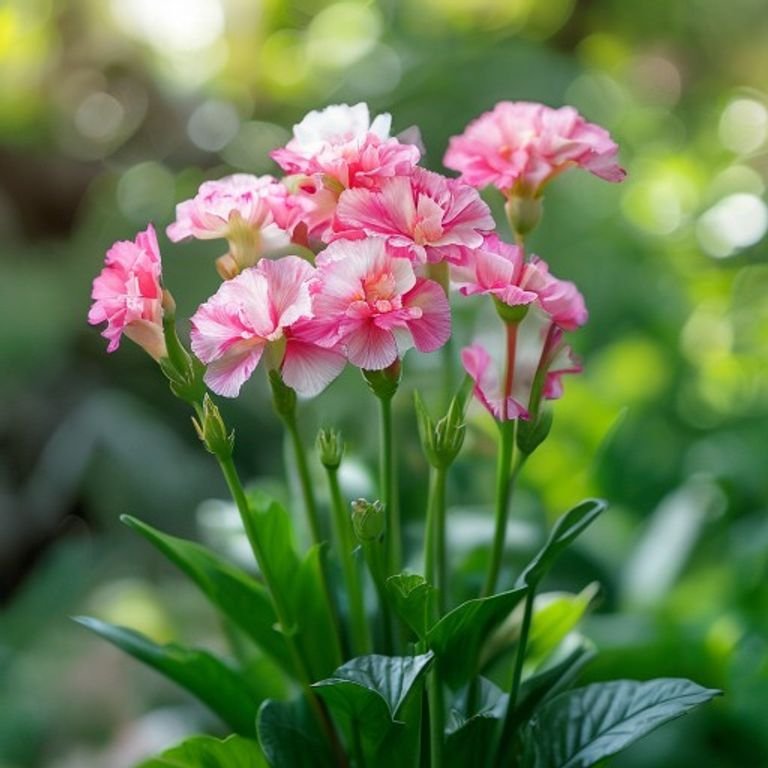
The visual appeal of Dianthus is undeniable. Its most striking feature is its flowers, which boast a unique fringed or serrated edge, giving them a delicate, almost ruffled appearance. These captivating blooms come in an exquisite palette of colours, including soft pinks, vivid reds, pure whites, and charming bi-colors, often with contrasting eyes or picotee edges. Complementing these vibrant flowers is the plant’s attractive blue-green, grass-like foliage, which adds a lovely textural element and remains appealing even when the plant is not in full bloom.
Flowers
Dianthus produces an abundance of these intricate, single or double flowers, making a strong visual statement. The fringed petals are a signature trait, lending an airy and delicate touch to the overall display. In India, the flowering season typically spans from winter through spring, providing much-needed colour during the cooler months when many other plants are dormant. This prolonged blooming period ensures your garden remains lively and engaging for several months.
Foliage
Beyond its blossoms, the blue-green grassy foliage of the Dianthus chinensis adds a subtle yet significant decorative value. It forms a dense, neat mound that provides a beautiful backdrop for the flowers and offers textural interest to the garden bed or container. Even without flowers, the foliage contributes to the garden’s aesthetic, especially during the colder parts of the winter.
Fragrance
One of the most cherished qualities of many Dianthus varieties is their delightful fragrance. The China Pink is particularly known for its sweet, clove-like scent, which can subtly perfume the air around it. This lovely aroma adds another dimension to its appeal, inviting gardeners to lean in and enjoy its olfactory charm. Having fragrant winter flowers like Dianthus near seating areas or pathways enhances the overall sensory experience of your garden.
Decorative Value
With its compact size, vibrant flowers, and attractive foliage, Dianthus is an incredibly versatile plant for various decorative purposes. It’s an ideal edge plant, forming neat borders along pathways or flowerbeds. Its ability to thrive in containers makes it perfect for balcony gardening, patios, or window boxes, bringing colour and fragrance closer to home. It’s also an excellent choice for rock gardens, where its delicate beauty can contrast beautifully with rugged stone elements.
Growing Requirements
Growing Dianthus in your Indian garden is a rewarding experience, especially when you understand its basic needs. While considered an easy-care plant, providing the right conditions ensures a spectacular display of its fragrant winter flowers.
Light
Dianthus thrives in full sun. This means it needs at least 6-8 hours of direct sunlight per day to produce abundant blooms and maintain a compact, healthy form. In the Indian climate, especially during winter, full sun is crucial. Choose a spot in your garden or balcony that receives ample morning and afternoon sun.
Water
Dianthus prefers moderate watering. The key is to keep the soil consistently moist but never waterlogged. Overwatering can quickly lead to problems like root rot. Allow the top inch or two of soil to dry out slightly between waterings. During cooler winter months, the plant will require less frequent watering than in warmer periods. Always check the soil moisture before watering.
Temperature
Being a seasonal winter to spring bloomer, Dianthus is well-suited to the cooler temperatures prevalent in much of India during these months. It tolerates light frost, making it quite hardy for many regions. Ideal temperatures for robust growth and flowering range between 10°C to 25°C. Protect it from extreme heat, which can cause the plant to wilt and cease flowering prematurely.
Humidity
Dianthus is generally not fussy about humidity levels and performs well in typical outdoor Indian conditions. High humidity coupled with poor air circulation can sometimes lead to fungal issues, so ensuring good spacing between plants is beneficial.
Soil
Well-drained soil is paramount for Dianthus. It cannot tolerate heavy, waterlogged conditions. A sandy loam soil, rich in organic matter, is ideal. Good drainage prevents the roots from sitting in excess moisture, which is a common cause of plant problems.
Potting Mix
If you’re growing Dianthus in containers, a high-quality potting mix designed for flowering plants is best. Ensure the mix is light, airy, and drains well. You can enhance drainage by adding perlite or coarse sand to a standard potting mix. Always use pots with drainage holes.
Fertilizer
A balanced liquid fertilizer applied every 2-4 weeks during the active growing and flowering season (winter to spring) will encourage a continuous display of blooms. Avoid over-fertilizing, especially with high-nitrogen fertilizers, as this can promote leafy growth at the expense of flowers. A fertilizer richer in phosphorus will support flowering.
How to Care for This Plant
Caring for your Dianthus, or China Pink, is straightforward and rewarding, ensuring a vibrant and fragrant display throughout its season. Follow these practical steps for a thriving plant:
- Planting: When planting Dianthus, ensure adequate spacing to allow for good air circulation, which helps prevent fungal diseases. If planting in beds, space them about 6-12 inches apart.
- Watering Wisely: Always check the soil moisture before watering. Stick your finger about an inch or two into the soil; if it feels dry, it’s time to water. Water deeply until you see water draining from the bottom of the pot (if in a container), then allow the soil to dry out slightly before the next watering. Reduce watering significantly during very cool periods or if rainfall is abundant.
- Deadhead Regularly: This is perhaps the most crucial care tip for prolonged flowering. As flowers fade, pinch or snip them off just above a leaf node or new bud. This process, known as deadheading, encourages the plant to produce more blooms instead of diverting energy into seed production. Consistent deadheading can extend the flowering period for several months.
- Provide Full Sun: Ensure your Dianthus receives at least 6-8 hours of direct sunlight daily. If planted in a shadier spot, it may become leggy and produce fewer flowers.
- Fertilize for Blooms: During the active growth and flowering phase (winter to spring), feed your plant with a balanced liquid fertilizer or one slightly higher in phosphorus every 2-4 weeks. This provides the necessary nutrients for continuous blooming.
- Pruning for Shape: After the main flush of blooms, or if the plant starts looking leggy, you can lightly prune it to maintain a compact, bushy shape. This encourages new growth and potentially another round of flowers.
- Pest and Disease Check: Regularly inspect your plants for any signs of pests like aphids or diseases. Early detection makes treatment much easier.
Common Problems and Solutions
While Dianthus is generally easy to care for, like all plants, it can encounter a few common issues. Understanding these problems and their solutions can help you maintain a healthy and vibrant plant.
- Yellow Leaves:
- Cause: Most often, yellowing leaves are a sign of overwatering or poor drainage, leading to root stress. It can also be due to nutrient deficiencies or underwatering.
- Solution: Check your watering routine. Ensure the soil is well-drained and allow the top layer to dry out between waterings. Improve drainage if necessary. If the problem persists and watering is correct, consider a balanced liquid fertilizer.
- Pests (Aphids):
- Cause: Small, green or black insects often found on new growth and flower buds, sucking sap and causing distortion.
- Solution: For mild infestations, spray with a strong jet of water. For heavier infestations, use an organic neem oil spray or insecticidal soap. Apply in the early morning or late evening.
- Fungal Diseases (e.g., Root Rot):
- Cause: Root rot is almost always a result of overwatering and poorly drained soil, which suffocates the roots and promotes fungal growth.
- Solution: Prevent by ensuring excellent drainage and correct watering. If root rot is suspected, try to improve drainage and allow the soil to dry out thoroughly. In severe cases, repotting with fresh, well-draining soil may be necessary, after trimming any affected roots.
- Leggy Growth:
- Cause: Dianthus can become leggy (tall and sparse with fewer flowers) if it doesn’t receive enough sunlight or if the soil is too wet and rich in nitrogen, promoting leafy growth over blooms.
- Solution: Move the plant to a location with full sun. Prune back leggy stems to encourage bushier growth. Ensure proper watering and use a balanced fertilizer.
- Poor Flowering:
- Cause: Insufficient sunlight, lack of nutrients, inconsistent watering, or not deadheading spent blooms can all lead to reduced flowering.
- Solution: Ensure full sun exposure. Fertilize with a phosphorus-rich formula during the blooming season. Maintain consistent moisture and diligent deadheading.
- Leaf Drop:
- Cause: Sudden changes in environment, extreme temperature fluctuations, or severe watering issues (both over and under) can cause leaves to drop.
- Solution: Identify and rectify the underlying stress factor. Ensure consistent care, stable conditions, and proper watering.
Benefits
The Dianthus, or China Pink, offers more than just beauty; it brings several delightful benefits to any Indian garden or home environment.
- Home Decoration: With their vibrant colours and charming fringed flowers, Dianthus plants are perfect for adding cheer and elegance indoors. They make lovely centrepieces or accents on windowsills, bringing life to any room.
- Balcony Gardening: Their compact size and upright growth habit make Dianthus an excellent choice for balcony gardening. They thrive in pots and containers, allowing city dwellers to enjoy beautiful, fragrant blooms even in limited spaces.
- Landscaping: As a popular edge plant, Dianthus excels in landscaping. It creates neat, colourful borders along pathways, flowerbeds, or garden zones. Its appeal also extends to rock gardens, where its delicate flowers provide a striking contrast against rugged stones.
- Pollinator Friendly: Dianthus flowers, with their bright colours and sweet fragrance, can attract beneficial pollinators like bees and butterflies to your garden. This contributes to the local ecosystem and can help pollinate other plants in your garden.
- Fragrant Charm: The delightful clove-like fragrance is a significant benefit, adding a sensory dimension to your garden experience. It’s especially pleasant near seating areas or windows where the scent can drift indoors.
- Easy to Grow: Dianthus is renowned for being an easy-care plant, making it suitable for beginners and busy gardeners alike. Its resilience and straightforward needs ensure a beautiful display without excessive effort.
Frequently Asked Questions
Is the fragrance really like clove?
Yes, many varieties of Dianthus chinensis, including China Pink, are indeed known for their distinctive, sweet, and spicy clove-like scent. It’s one of their most charming attributes and a key reason why they are cherished as fragrant winter flowers in Indian gardens.
How long do flowers last?
Dianthus flowers can last for several months in cool weather, typically from winter through spring in Indian climates. Regular deadheading – removing spent blooms – is crucial to encourage continuous flowering and extend this beautiful display for as long as possible.
Can I eat the flowers?
Yes, the petals of Dianthus flowers are edible and can be used as a charming garnish for salads, desserts, or drinks. They add a touch of colour and a mild, slightly spicy flavour. Always ensure the flowers haven’t been treated with pesticides before consuming them.
Final Thoughts
Dianthus, or China Pink, truly is a gem for any Indian garden, bringing unparalleled cheer and fragrance during the cooler months. Its beautiful fringed flowers, available in a delightful spectrum of pinks, reds, and whites, coupled with its easy-going nature, make it a must-have for both seasoned gardeners and those just starting their green journey. From vibrant garden edges to charming container displays, this fragrant winter flower promises to transform your outdoor spaces into a captivating spectacle.
Embracing the beauty of Dianthus in your garden means welcoming a plant that is not only visually stunning but also offers a sensory delight with its clove-like scent. For more expert advice and to explore a wide variety of plants perfectly suited for Indian conditions, Plantrea is the online plant platform from Wynorg, helping plant lovers across India discover quality plants, practical growing advice, and trusted nursery sourcing.
Interested in This Plant?
If the delightful Dianthus, with its clove-scented fringed flowers, has captured your imagination for your home or garden, you might be wondering where to find one or how it could fit into your specific space. We understand that every garden is unique, and getting personalised advice can make all the difference in your gardening journey.
Our Plant Expert chat, conveniently located at the bottom-right corner of every Plantrea page, is here to assist you. This friendly and knowledgeable gardening assistant can help you check if Dianthus is currently available for delivery in your area. They can also offer personalised plant recommendations tailored to your garden’s sunlight conditions, space, and aesthetic preferences.
Don’t hesitate to use the Plant Expert chat to ask any burning questions you have about Dianthus care and maintenance. Whether you’re curious about specific watering routines for your climate, or need tips on ensuring the longest possible bloom time, our expert is ready to provide practical, helpful advice. If, for any reason, Dianthus isn’t quite right or is currently unavailable, they can also help you discover suitable alternative plants that offer similar beauty and benefits for your Indian garden.
Want to buy this plant? Visit https://plantrea.com/shop-2/