Aster – Daisy-Like Winter Flowers for Cutting | Wynorg Nursery
There’s something undeniably cheerful about a burst of colourful flowers, especially during the cooler months when many other plants are resting. The Aster, often affectionately known as China Aster, is one such delightful winter annual that brings a vibrant splash of joy to Indian homes and gardens. Its beautiful daisy-like blooms, in an array of captivating colours, make it a firm favourite for brightening up garden beds, balconies, and even indoor spaces as a cut flower. If you’re looking to add easy-to-grow charm to your winter garden, the Aster is a brilliant choice.
Learning to grow and care for these resilient flowers is a rewarding experience for any gardener. At Plantrea, the online plant platform by Wynorg, a trusted Indian brand known for delivering healthy live plants safely across India, we’re dedicated to helping you cultivate a thriving garden. This comprehensive guide will walk you through everything you need to know to enjoy a spectacular display of Aster flowers throughout the winter season.
Botanical Overview
The Aster we commonly cultivate in our Indian gardens for its stunning winter blooms is botanically known as Callistephus chinensis. It belongs to the Asteraceae family, which is a vast and diverse group of flowering plants, famously including sunflowers, daisies, and marigolds.
Originally hailing from China and Korea, this beautiful plant is a true annual, meaning it completes its entire life cycle, from seed to flower to seed, within a single growing season. In India, it thrives as a seasonal outdoor plant, particularly cherished for its winter flowering. The Aster typically exhibits an upright growth habit, forming compact to moderately spreading plants that reach a height of 1 to 2 feet, making them versatile for various garden designs.
Why People Love This Plant
The Aster holds a special place in the hearts of Indian gardeners for several compelling reasons:
Appearance
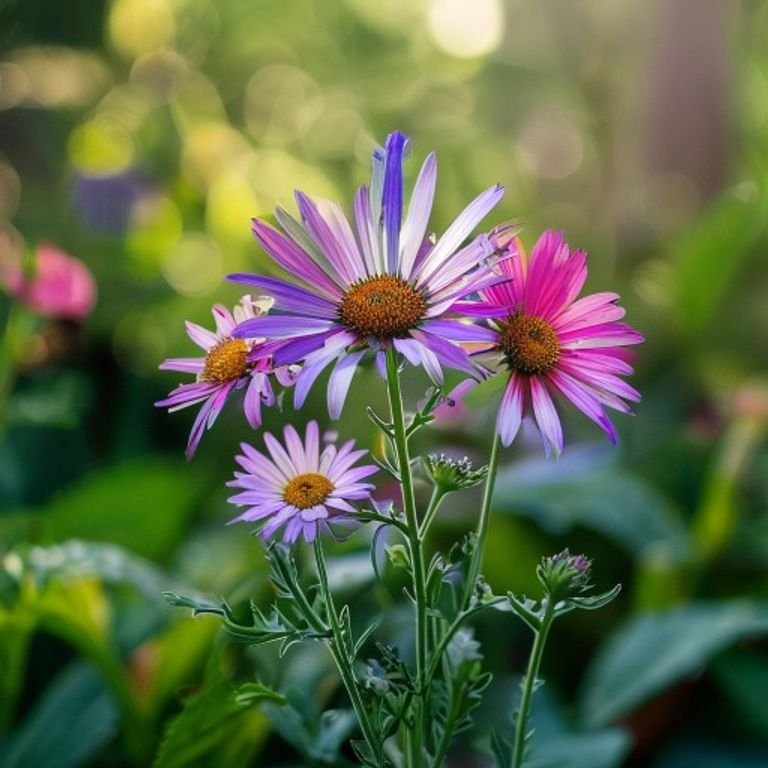
The Aster’s most striking feature is its beautiful, daisy-like flowers. These captivating blooms come in a delightful spectrum of colours, including various shades of pink, purple, white, and blue, often with a contrasting bright yellow centre. Their cheerful form and vibrant hues instantly elevate the aesthetic of any space.
Flowers
The abundant flowering is perhaps the primary reason for the Aster’s popularity. They produce a continuous flush of blooms throughout the winter months, offering a much-needed splash of colour when many other garden plants are dormant. What’s more, these flowers boast an excellent vase life, making them superb cut flowers that can last 7-10 days, bringing garden freshness indoors.
Foliage
While the flowers are the star, the foliage of the Aster provides a lush, green backdrop. The leaves are typically ovate to lance-shaped, often with serrated edges, forming a neat mound that perfectly complements the vibrant blooms.
Fragrance
It’s important to note that the Aster (Callistephus chinensis) is not particularly known for its fragrance. Its appeal lies purely in its visual splendour and ease of care.
Decorative Value
From adding vibrant borders to winter beds to gracing balcony containers, the Aster offers immense decorative value. Its compact size and prolific flowering make it ideal for mass plantings, creating a spectacular carpet of colour. As an excellent cut flower, it also brightens up living rooms, dining tables, and makes for charming bouquets and floral arrangements.
Growing Requirements
To ensure your Aster plants flourish and provide a dazzling display, understanding their basic growing requirements is key:
Light
Aster plants are sun-lovers. They need at least 6 hours of direct sunlight each day to produce abundant, healthy blooms. In the gentler Indian winter sun, full sun exposure is ideal. A spot that receives bright morning sun and some afternoon shade can be beneficial in regions where winter sun can still be quite intense.
Water
Moderate watering is crucial for the Aster. The soil should be kept consistently moist but never waterlogged. Overwatering can lead to root rot, while under-watering can cause wilting and stress. A good practice is to check the top inch of the soil; if it feels dry, it’s time to water. Reduce watering slightly on overcast days or during periods of higher humidity.
Temperature
As a winter annual, Aster thrives in the cooler temperatures of the Indian winter. They prefer day temperatures between 15°C to 25°C and night temperatures that don’t drop too low. Frost can damage the plants, so protect them if unexpected cold snaps occur in your region.
Humidity
Asters generally do well in average humidity levels typical of the Indian climate during winter. Excessive humidity combined with poor air circulation can sometimes lead to fungal issues, so ensure good spacing between plants.
Soil
Well-draining, fertile soil is essential for healthy Aster growth. A slightly acidic to neutral soil pH (6.0 to 7.0) is preferred. If your garden soil is heavy clay, amend it with organic matter like compost or well-rotted manure to improve drainage and fertility.
Potting Mix
For container-grown Aster, a high-quality potting mix is vital. Look for a mix that is rich in organic matter and provides excellent drainage. A mix of garden soil, coco peat, and compost in equal parts often works wonderfully.
Fertilizer
Aster benefits from regular feeding during its active growth and flowering season. Use a balanced liquid fertilizer, diluted to half strength, every 2-3 weeks once the plants are established and starting to bud. Avoid over-fertilizing, especially with high-nitrogen fertilizers, as this can lead to lush foliage at the expense of flowers.
How to Care for This Plant
Caring for Aster plants is relatively easy, making them a great choice for beginner gardeners. Here’s a step-by-step guide:
- Planting: In India, Aster seeds are typically sown in September-October for winter flowering. You can start them in seed trays and transplant the seedlings when they are about 3-4 inches tall. Space them about 8-12 inches apart to allow for good air circulation.
- Pinching: To encourage a bushier plant with more flowers, pinch back the growing tips when the Aster seedlings are about 6 inches tall and have developed several sets of true leaves. This promotes lateral branching.
- Watering Regularly: As mentioned, maintain consistent soil moisture. Water at the base of the plant to avoid wetting the foliage, which can help prevent fungal diseases.
- Fertilizing: Feed your plants every two to three weeks with a balanced liquid fertilizer during the flowering period to support continuous blooming.
- Deadheading: Regularly remove spent flowers (deadheading) to encourage the plant to produce more blooms and to maintain a tidy appearance. This prevents the plant from expending energy on seed production.
- Staking: Taller varieties of Aster may require staking, especially if grown in windy areas or if they become top-heavy with blooms. Insert a sturdy stick near the plant and gently tie the stem to it with soft twine.
- Pest and Disease Monitoring: Regularly inspect your plants for any signs of pests or diseases. Early detection makes treatment much easier.
Common Problems and Solutions
Even easy-care plants like Aster can encounter a few issues. Here are some common problems and their solutions:
- Yellow Leaves:
- Cause: Often a sign of improper watering (either too much or too little), or nutrient deficiency.
- Solution: Check soil moisture. If dry, water thoroughly. If soggy, allow to dry out before next watering. Ensure good drainage. Apply a balanced liquid fertilizer if nutrient deficiency is suspected.
- Aphids:
- Cause: Tiny, sap-sucking insects that cluster on new growth and undersides of leaves, causing distorted growth.
- Solution: Spray affected areas with a strong jet of water to dislodge them. For heavier infestations, use neem oil spray or an insecticidal soap, applied in the early morning or late evening.
- Powdery Mildew:
- Cause: A fungal disease that appears as a white, powdery coating on leaves, especially in humid conditions with poor air circulation.
- Solution: Improve air circulation by spacing plants appropriately. Remove severely infected leaves. Apply a fungicide specifically for powdery mildew, or use a homemade solution of baking soda and water.
- Aster Yellows Disease:
- Cause: A serious disease caused by a phytoplasma, spread by leafhoppers. Symptoms include stunted growth, yellowing foliage, and distorted, greenish flowers.
- Solution: Unfortunately, there is no cure. Affected plants should be removed and destroyed immediately to prevent spread. Control leafhopper populations using appropriate insecticides if necessary, or plant resistant varieties.
- Root Rot:
- Cause: Primarily caused by overwatering and poorly draining soil, leading to the roots suffocating and decaying.
- Solution: Ensure your pots have drainage holes and your garden soil drains well. Water only when the top inch of soil is dry. Once root rot sets in, it’s often difficult to save the plant.
- Poor Flowering:
- Cause: Insufficient sunlight, lack of nutrients, or not deadheading spent blooms.
- Solution: Ensure your Aster receives at least 6 hours of full sun. Fertilize regularly with a bloom-boosting fertilizer (higher in phosphorus). Deadhead consistently.
- Slow Growth / Stunted Growth:
- Cause: Poor soil, insufficient nutrients, inadequate light, or pest infestation.
- Solution: Check soil quality and amend if necessary. Provide regular, balanced feeding. Ensure adequate sunlight. Inspect for pests and treat accordingly.
Benefits
Beyond their stunning beauty, Aster plants offer several benefits that make them a popular choice for Indian gardens:
- Home Decoration: Their vibrant, daisy-like flowers are excellent for brightening up any living space. Whether in a vase as a fresh cut flower or adorning your garden beds, they add a touch of natural elegance.
- Balcony Gardening: The compact nature of many Aster varieties makes them perfect for container gardening on balconies and patios, allowing urban dwellers to enjoy their beauty.
- Landscaping: Asters are fantastic for creating colourful borders, mass plantings, and focal points in winter garden beds, enhancing the overall appeal of your landscape.
- Pollinator Friendly: While not its primary benefit, the open, daisy-like structure of Aster flowers can attract beneficial insects and pollinators, such as bees and butterflies, to your garden, contributing to local biodiversity.
Frequently Asked Questions
How long do cut Aster flowers last?
When properly cared for, cut Aster flowers have an excellent vase life, typically lasting between 7 to 10 days in a vase. To prolong their freshness, change the water daily, remove any leaves below the waterline, and recut the stems every couple of days.
Do Aster plants need full sun?
Yes, Aster plants absolutely thrive in full sun. For abundant flowering and healthy growth, they require at least 6 hours of direct sunlight per day. In the milder Indian winter, full sun exposure is ideal.
Can I grow Aster from seeds?
Indeed! Growing Aster from seeds is a very common and rewarding method. In India, it is recommended to sow Aster seeds in September-October. You can start them indoors in seed trays or directly sow them in well-prepared garden beds, ensuring good soil contact and consistent moisture until germination.
Final Thoughts
The Aster, or China Aster, is a truly remarkable winter annual that brings unmatched cheer and colour to any Indian garden or home. Its easy care, vibrant blooms, and versatility as a cut flower make it a must-have for both novice and experienced gardeners. By understanding its simple needs for light, water, and soil, along with a bit of timely care, you can enjoy a spectacular floral show throughout the cooler months.
Cultivating Asters is more than just gardening; it’s about connecting with nature and bringing beauty into your life. Plantrea is the online plant platform from Wynorg, helping plant lovers across India discover quality plants, practical growing advice, and trusted nursery sourcing. We hope this guide empowers you to grow magnificent Aster plants and revel in their delightful presence.
Interested in This Plant?
If you’re captivated by the charm of the Aster and are considering adding this beautiful winter annual to your garden, you might have a few questions. Perhaps you’re wondering about its current availability, or if a specific colour of Aster would best complement your existing plants.
Our Plant Expert chat, conveniently located at the bottom-right corner of every page, is here to help! Our experienced gardening assistants are ready to answer all your queries. You can use the chat to check whether the Aster is currently available for purchase or delivery in your region.
Beyond availability, our Plant Expert can also provide personalised plant recommendations tailored to your home or garden conditions. If the Aster isn’t quite what you’re looking for, or if it’s unavailable, they can even help you discover suitable alternative flowering plants that offer similar beauty and care requirements. Don’t hesitate to reach out for friendly, knowledgeable advice on the Aster or any other plant care questions you may have!
Want to buy this plant? Visit https://plantrea.com/shop-2/