Curry Leaf Plant – Fresh Leaves for South Indian Cooking | Wynorg Nursery
The humble Curry Leaf plant, or as it’s lovingly known in many parts of India, ‘Kadi Patta’, is more than just a plant; it’s an aromatic cornerstone of Indian cuisine and a staple in countless homes and gardens across the subcontinent. Its glossy, vibrant green leaves are indispensable for tempering dals, infusing curries with a distinctive aroma, and adding a fresh, zesty flavour to chutneys and other dishes. Beyond the kitchen, the Curry Leaf plant is cherished for its ease of care and its ability to thrive in the Indian climate, making it a beloved choice for both novice and experienced gardeners.
At Plantrea, the online plant platform by Wynorg, a trusted Indian brand known for delivering healthy live plants safely across India, we understand the deep connection people have with their plants. The Curry Leaf plant embodies this connection perfectly, offering a blend of utility, beauty, and tradition that enriches daily life.
Botanical Overview
The Curry Leaf plant, scientifically known as Murraya koenigii, belongs to the Rutaceae family, which also includes citrus fruits. Native to India and Sri Lanka, this remarkable plant is classified as a small tree. It typically exhibits an upright growth habit, reaching heights of 6 to 15 feet when mature, though it can be maintained as a bush with regular pruning, especially when grown in pots. Its robust nature and versatile applications make it a true gardening treasure.
Why People Love This Plant
Appearance
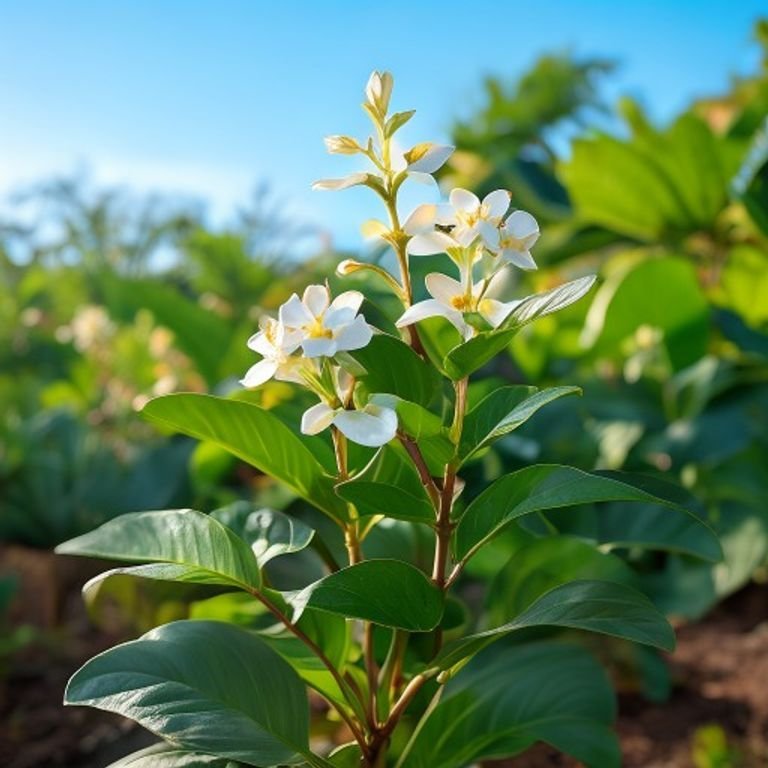
The Curry Leaf plant boasts a beautiful, dense canopy of pinnate leaves, each leaflet a vibrant shade of green. When rubbed, these leaves release their characteristic strong, aromatic fragrance that instantly transports one to a busy Indian kitchen. In spring and summer, the plant produces clusters of small, fragrant white flowers that are quite charming. These flowers eventually give way to small, glossy black berries, which are edible but typically not consumed fresh and are primarily enjoyed by birds.
Flowers
The delicate white flowers of the Curry Leaf plant are not just visually appealing; they also contribute to the plant’s overall charm. Appearing in clusters, often from spring through summer, they emit a subtle, pleasant fragrance. While the leaves are the primary reason for growing this plant, the flowers add an extra layer of beauty to your garden space.
Foliage
The foliage is, without a doubt, the star of the show. Each compound leaf is composed of numerous small, ovate leaflets that grow alternately along the stem. The fresh leaves are packed with flavour and fragrance, making them an essential ingredient in a vast array of Indian dishes. From the tempering in a simple dal to the complex flavours of a Chettinad curry, the aroma and taste imparted by fresh Curry Leaf are irreplaceable.
Fragrance
The distinct, strong fragrance of the Curry Leaf is truly unique. It’s a complex blend of citrus, nutty, and slightly pungent notes that invigorates the senses. This natural fragrance makes the plant a delightful addition to any garden, releasing its scent with every brush of the leaves or gentle breeze.
Decorative Value
While primarily grown for its culinary uses, the Curry Leaf plant also holds significant decorative value. Its lush green foliage can enhance the aesthetics of a kitchen garden, a balcony setup, or even a small backyard. When pruned into a bushy form, it makes an attractive potted plant, adding a touch of natural beauty and a burst of fresh fragrance to your outdoor spaces.
Growing Requirements
Growing a healthy Curry Leaf plant is relatively straightforward, especially in India’s diverse climate. Here’s what this cooking plant needs to thrive:
Light
The Curry Leaf plant absolutely loves sunlight. For robust growth and abundant aromatic leaves, it requires full sun, meaning at least 6-8 hours of direct sunlight per day. While it can tolerate partial shade, insufficient light will result in sparse growth, fewer leaves, and a less potent aroma. Position your kadi patta where it can soak up the morning sun and enjoy bright light throughout the day.
Water
Moderate watering is key for the Curry Leaf tree. It prefers consistently moist, but not waterlogged, soil. Water thoroughly when the top inch or two of the soil feels dry to the touch. During hot summer months, you might need to water more frequently, while in cooler seasons, reduce the frequency. Always ensure good drainage to prevent root rot.
Temperature
Being a tropical plant, the Curry Leaf thrives in warm temperatures, typically between 20°C to 35°C. It is sensitive to frost and cold snaps. In regions where temperatures drop significantly during winter, it’s crucial to protect the plant. If grown in a pot, move it indoors or to a sheltered location during the colder months. For outdoor plants, cover them with horticultural fleece or provide temporary shelters.
Humidity
The Curry Leaf plant appreciates moderate to high humidity, which is often naturally present in many parts of India. In very dry climates, occasional misting can be beneficial, especially during hot periods, but this is rarely a primary concern for most Indian gardeners.
Soil
Well-drained soil is paramount for the health of your Curry Leaf plant. It prefers a slightly acidic to neutral soil pH. Heavy clay soils that retain too much moisture should be avoided or amended. A good garden soil enriched with organic matter works wonders.
Potting Mix
If you’re growing your Curry Leaf in a pot, choose a high-quality, well-draining potting mix. A good blend would include garden soil, coco peat or compost, and perlite or sand to improve drainage. Ensure the pot has ample drainage holes to prevent waterlogging, which is a common culprit for yellow leaves and other issues.
Fertilizer
To encourage lush growth and a continuous supply of fresh leaves, fertilize your Curry Leaf plant regularly, especially during the growing season (spring to autumn). A balanced organic fertilizer, compost, or well-rotted manure applied in spring and again in mid-summer works well. For container-grown plants, a liquid fertilizer every 2-4 weeks during the active growth period can be beneficial. Being an edible plant, many gardeners prefer organic feeding options.
How to Care for This Plant
Caring for your Curry Leaf tree is a rewarding experience, yielding fresh, aromatic leaves for your culinary adventures. Here’s a step-by-step guide:
- Location is Key: Choose a spot that receives full sun for at least 6-8 hours daily. If potting, ensure it’s in a location where it can be moved to sunlight easily or protected from extreme weather.
- Consistent Watering: Maintain a consistent watering schedule, allowing the topsoil to dry out slightly between waterings. Avoid overwatering at all costs, as this is a common cause of issues like root rot and yellowing leaves.
- Regular Feeding: During the active growing months (spring to autumn), feed your plant with a good quality organic fertilizer. For a healthy hair oil plant, regular nutrients are vital.
- Pruning for Bushiness: Prune your Curry Leaf plant regularly to encourage a bushy growth habit and more leaf production. Snip off any leggy branches or spent flower stalks. You can also pinch back new growth tips to promote branching. The best time for major pruning is usually in late winter or early spring before new growth begins.
- Pest Watch: Regularly inspect your plant for common pests like scale insects or the citrus butterfly caterpillars. Early detection and treatment are crucial.
- Repotting (for potted plants): If your Curry Leaf is in a pot, it will eventually outgrow it. Repot every 1-2 years into a slightly larger pot, or perform root pruning to keep it in the same pot while refreshing the soil.
- Winter Protection: In colder regions of India, bring potted plants indoors or provide adequate protection for outdoor plants during winter to shield them from frost.
- Harvesting Leaves: Harvest leaves as needed. Pluck individual leaves or small sprigs. Regular harvesting encourages the plant to produce more foliage.
- Propagation: You can propagate Curry Leaf plants from seeds (found within the berries, after removing the pulp) or from semi-hardwood cuttings. Seeds take longer to germinate, while cuttings offer a faster way to establish new plants.
Common Problems and Solutions
Even though the Curry Leaf plant is relatively easy to care for, you might encounter a few common issues:
- Yellow Leaves: This is often a sign of overwatering or, conversely, nutrient deficiency (especially nitrogen). Check your watering habits and ensure good drainage. If watering is correct, consider fertilizing with a nitrogen-rich feed or organic compost.
- Pests:
- Scale Insects: Small, immobile bumps on stems and leaves. Treat by gently scraping them off or using a neem oil solution.
- Citrus Butterfly Caterpillars: These green caterpillars can rapidly defoliate your plant. Handpick them off immediately or use an organic pesticide specifically targeting caterpillars if the infestation is severe. Regular inspection is the best defense.
- Fungal Diseases (e.g., Leaf Spot): Brown or black spots on leaves can indicate a fungal infection, especially in humid conditions with poor air circulation. Remove affected leaves, improve air circulation, and apply an organic fungicide if necessary.
- Root Rot: Caused by persistent overwatering and poorly draining soil. Symptoms include yellowing leaves, wilting, and a foul smell from the soil. Address by improving drainage and reducing watering. In severe cases, repotting with fresh soil and pruning rotten roots might be necessary.
- Poor Flowering: Insufficient sunlight or lack of nutrients can lead to fewer flowers. Ensure your plant receives full sun and is regularly fertilized during the growing season.
- Slow Growth: This can be due to inadequate sunlight, poor soil quality, or lack of nutrients. Review your plant’s growing conditions and adjust as needed.
- Leaf Drop: Sudden changes in environment (temperature, light, water), severe pest infestation, or extreme stress can cause leaves to drop. Identify the stressor and rectify it.
Benefits
The Curry Leaf plant offers a multitude of benefits, making it a must-have for any Indian home or garden:
- Fresh Curry Leaves for Cooking: The most obvious benefit – a continuous supply of fresh, aromatic leaves ready to elevate your culinary creations. From South Indian cooking to other regional specialties, having fresh Kadi Patta makes a world of difference.
- Home Decoration: Its lush green foliage adds a vibrant touch to kitchen gardens, balconies, and patios. It’s a living, breathing decor piece that also provides utility.
- Balcony Gardening: Ideal for urban dwellers, the Curry Leaf plant thrives in pots and can be easily grown on balconies, bringing the joy of fresh herbs to even small spaces.
- Landscaping: When allowed to grow larger, it can serve as an attractive small tree in your garden, providing shade and beauty.
- Pollinator Friendly: The small white flowers attract bees and other beneficial pollinators to your garden, contributing to local biodiversity.
- Air Purification: Like many green plants, the Curry Leaf plant helps to purify the air around it, contributing to a healthier living environment.
- Medicinal Value: Beyond its culinary uses, the Curry Leaf is known in traditional medicine. Its leaves are often used in hair oils to promote hair health, strength, and shine, making it a valuable hair oil plant.
Frequently Asked Questions
How to use fresh leaves?
Fresh Curry Leaf leaves are incredibly versatile in the kitchen. The most common method is to temper them in hot oil or ghee along with mustard seeds and other spices. This process releases their full aroma and flavour, which is then added to dals, curries, rasam, sambar, and stir-fries. You can also grind them into fresh chutneys, use them to flavour rice dishes, or even add them to refreshing buttermilk.
Why are leaves turning yellow?
Yellowing leaves on a Curry Leaf plant are most commonly a symptom of either overwatering or a nitrogen deficiency. If the soil is constantly soggy, the roots can’t breathe, leading to stress and yellowing. Conversely, if the plant isn’t getting enough nitrogen, an essential nutrient for green foliage, its leaves will lose their colour. Check your watering habits first, ensuring the soil dries out slightly between waterings. If watering is not the issue, consider adding a nitrogen-rich organic fertilizer or compost to the soil.
Can I grow in a pot?
Absolutely! The Curry Leaf plant adapts very well to pot culture, making it an excellent choice for balcony gardens or for those who need to move their plants indoors during winter. When growing in a pot, ensure you choose a sufficiently large pot with good drainage. As the plant grows, it will need to be repotted into a larger container every 1-2 years, or you may need to perform root pruning to keep it in the same pot while refreshing its soil to accommodate its root system.
Final Thoughts
The Curry Leaf plant is a truly indispensable member of any Indian garden, offering not just culinary delights but also a touch of vibrant greenery and delightful fragrance. Its ease of care and adaptability make it a joy to grow, whether you’re a seasoned gardener or just starting your green journey. With a little sunshine, moderate water, and well-drained soil, you’ll be rewarded with a continuous supply of these aromatic leaves, ready to transform your meals.
Plantrea is the online plant platform from Wynorg, helping plant lovers across India discover quality plants, practical growing advice, and trusted nursery sourcing. We hope this guide empowers you to grow a flourishing Curry Leaf plant and enjoy its many benefits for years to come.
Interested in This Plant?
If the idea of having a fresh supply of Curry Leaf at your fingertips has piqued your interest, you might be wondering about the next steps. Growing this wonderful cooking plant can bring immense joy and flavour to your home.
To help you on your gardening journey, Plantrea offers a unique Plant Expert chat service, available at the bottom-right corner of every page. Our friendly Plant Experts are experienced gardeners ready to assist you. You can use the chat to quickly check whether the Curry Leaf plant is currently available for purchase, ensuring you don’t miss out on bringing this aromatic gem home.
Beyond availability, our Plant Expert can provide personalised plant recommendations tailored to your specific home or garden conditions. Have more questions about Curry Leaf plant care and maintenance? Need advice on tackling a specific issue? Or perhaps you’re looking for suitable alternatives if the Curry Leaf isn’t quite right for your space at the moment? Our experts are there to guide you with helpful, practical advice.
Want to buy this plant? Visit https://plantrea.com/shop-2/