Betel Leaf Plant – Paan for Mouth Freshener & Worship | Wynorg Nursery
The Betel Leaf plant, famously known as Paan in India, holds a cherished place in countless Indian homes and gardens. More than just a green climber, this plant is deeply interwoven with cultural traditions, culinary practices, and even religious ceremonies across the subcontinent. Its vibrant, heart-shaped leaves carry a unique aroma and a distinct taste that has been enjoyed for centuries, making it a true symbol of Indian heritage. Growing your own Betel Leaf plant brings a touch of tradition and fresh greenery right to your doorstep, allowing you to harvest its leaves for various uses.
For those looking to cultivate this beautiful and significant plant, understanding its specific needs is key. Whether you’re a seasoned gardener or just starting your green journey, nurturing a Betel Leaf plant can be a rewarding experience. And for all your plant-related inquiries and to discover a wide array of healthy plants, remember that Plantrea is the online plant platform by Wynorg, a trusted Indian brand known for delivering healthy live plants safely across India, ensuring your gardening dreams flourish.
Botanical Overview
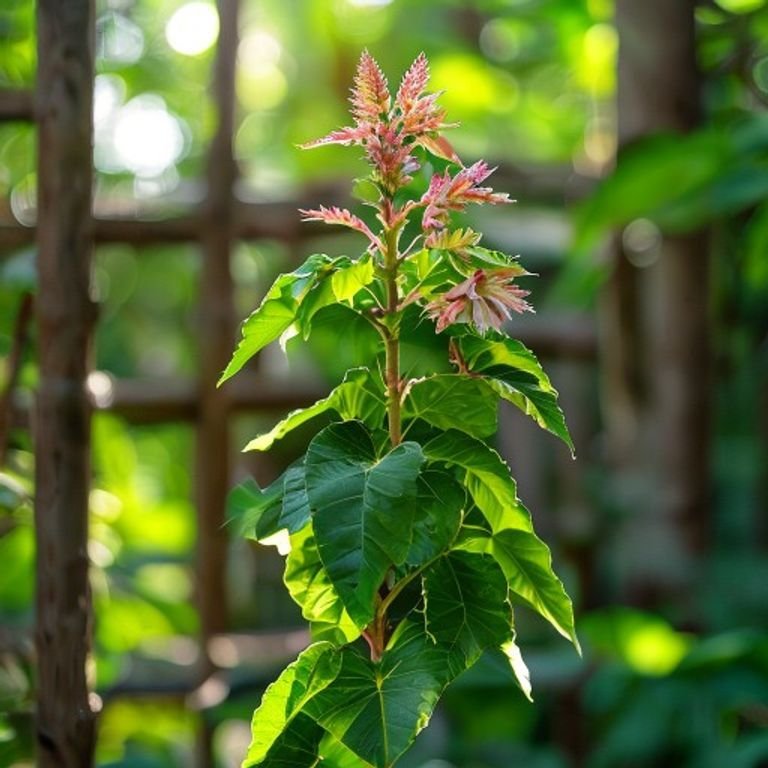
The Betel Leaf plant, scientifically known as Piper betle, belongs to the Piperaceae family, which also includes the common black pepper plant. Originating from South and Southeast Asia, it is a perennial climbing vine that thrives in warm, humid climates. This plant is characterized by its glossy, heart-shaped leaves and a vigorous climbing habit, often reaching heights of 3-5 feet or more when provided with adequate support.
While primarily grown for its leaves, the Betel Leaf plant does produce small, inconspicuous flowers in the form of catkins during the summer months. These flowers are not particularly ornamental but signify the plant’s natural reproductive cycle. As an edible and medicinal plant, its primary value lies in its aromatic foliage.
Why People Love This Plant
The Betel Leaf plant is adored for a multitude of reasons, blending its aesthetic appeal with deep cultural and practical significance.
Appearance
The most striking feature of the Betel Leaf plant is its foliage. The leaves are heart-shaped, glossy, and typically a vibrant green, though shades can vary slightly. They have prominent veins that add to their visual appeal, making the plant an attractive addition to any garden or balcony space.
Flowers
While the flowers of the Betel Leaf plant are not its main draw, it does produce small, greenish-white catkins, usually in summer. These are relatively unassuming and often go unnoticed compared to its lush leaves, but they are a natural part of the plant’s life cycle.
Foliage
The foliage is, without a doubt, the star. Each leaf is thick, smooth, and emits a distinct, peppery-minty aroma when crushed. This unique fragrance is part of what makes the Betel Leaf, or Paan, so appealing and integral to many traditional practices.
Fragrance
The fresh, slightly pungent, and aromatic fragrance emanating from the Betel Leaf is unmistakable. This characteristic scent contributes significantly to its traditional use as a mouth freshener and enhances the overall sensory experience of consuming paan.
Decorative Value
Beyond its cultural uses, the Betel Leaf vine offers excellent decorative value. Its lush, green foliage can be trained to climb trellises, walls, or fences, creating a beautiful green curtain. It can also be grown in hanging baskets, allowing its vines to trail gracefully, adding a touch of natural elegance to balconies and patios.
Growing Requirements
To successfully cultivate a healthy Betel Leaf plant, it’s essential to understand its specific environmental needs. Replicating its natural tropical habitat as closely as possible will ensure vigorous growth and abundant, flavorful leaves.
Light
The Betel Leaf plant thrives in partial sun. In the scorching Indian summers, direct, harsh midday sun can scorch its delicate leaves. It prefers bright, indirect light or morning sun followed by afternoon shade. A spot under a larger tree or a north-facing balcony with some protection is often ideal.
Water
This plant has high watering requirements. It prefers its soil to be consistently moist but never waterlogged. Regular watering, typically every 2-3 days in warmer months, is crucial. The key is to check the top inch of soil; if it feels dry, it’s time to water. Reduce watering slightly during cooler, dormant periods.
Temperature
Betel Leaf is a tropical plant and loves warmth. It thrives in temperatures between 20°C to 35°C. It is highly sensitive to cold and frost, which can severely damage or kill the plant. In regions where winter temperatures drop significantly, it’s vital to provide protection, either by moving potted plants indoors or covering outdoor plants.
Humidity
High humidity is paramount for the Betel Leaf plant. It naturally grows in humid environments. In drier climates, you might need to mist the leaves regularly, place a humidifier nearby, or group it with other plants to create a microclimate. A pebble tray filled with water beneath the pot can also help increase local humidity.
Soil
A well-draining, fertile soil rich in organic matter is essential for the Betel Leaf plant. It prefers slightly acidic to neutral soil (pH 6.0-7.0). Good drainage is critical to prevent root rot, a common problem for this plant.
Potting Mix
For container-grown Betel Leaf, a high-quality potting mix that retains moisture yet drains freely is ideal. A good mix can be prepared using equal parts garden soil, coco peat, and well-rotted compost or vermicompost. Adding a handful of perlite or sand can further improve drainage.
Fertilizer
During its active growing season (spring and summer), the Betel Leaf plant benefits from regular feeding. Use a balanced liquid fertilizer diluted to half strength every 2-4 weeks. Organic options like diluted fish emulsion or seaweed extract are also excellent choices. Avoid fertilizing during the cooler, dormant months.
How to Care for This Plant
Caring for your Betel Leaf plant involves a few simple yet consistent steps to ensure it remains healthy and productive, yielding those prized, aromatic leaves.
- Planting: When planting, choose a location with partial shade or a pot that provides good drainage. If planting in the ground, ensure the soil is rich in organic matter. For container planting, use the recommended potting mix.
- Providing Support: As a climbing vine, the Betel Leaf plant absolutely needs support to grow vertically. Provide a sturdy trellis, a bamboo stake, a wall, or even another tree for it to climb. Gently guide the young vines to attach themselves to the support. If allowed to trail without support, it tends to sprawl and may not produce as many large leaves.
- Watering Routine: Maintain consistently moist soil. Check the soil moisture daily, especially during hot weather. Water thoroughly until water drains from the bottom of the pot. Never let the plant sit in standing water, as this can quickly lead to root rot.
- Ensuring Humidity: In naturally dry Indian climates, misting the leaves once or twice a day can significantly help maintain the required humidity. Alternatively, place the plant in a group with other plants or use a pebble tray.
- Fertilizing: During spring and summer, feed your Betel Leaf plant with a balanced liquid fertilizer every two to four weeks. Always follow the product instructions for dilution.
- Pruning: Regular pruning is beneficial. Pinching back the growing tips encourages bushier growth and more leaves. You can also prune to maintain a desired size and shape, and to remove any yellowing or diseased leaves. This also encourages the production of fresh, tender leaves.
- Propagation: Betel Leaf plants are easily propagated from stem cuttings. Take cuttings about 6-8 inches long with a few nodes, remove the lower leaves, and plant them in a moist, well-draining potting mix. Keep them in a warm, humid environment, and they should root within a few weeks.
- Winter Care (Indian Conditions): In North India or regions experiencing cooler winters, protect your Betel Leaf plant. If it’s in a pot, move it indoors to a bright, warm spot. For plants in the ground, cover them with horticultural fleece or a thick layer of mulch to insulate the roots when temperatures drop below 10°C.
Common Problems and Solutions
While generally robust, the Betel Leaf plant can encounter a few issues. Being aware of these and knowing how to address them will keep your plant thriving.
- Root Rot: This is the most common problem and is almost always caused by overwatering or poorly draining soil.
- Solution: Ensure your pot has drainage holes and the potting mix is well-draining. Water only when the top inch of soil feels dry. If root rot is suspected (wilting despite moist soil, foul smell), repot the plant in fresh, well-draining soil after trimming away any rotten roots.
- Leaf Spot: Fungal leaf spot diseases can appear as dark, irregular spots on the leaves, especially in high humidity with poor air circulation.
- Solution: Improve air circulation around the plant by proper spacing and pruning. Remove affected leaves immediately. In severe cases, a fungicide might be necessary. Avoid overhead watering, which can spread spores.
- Needs Protection from Cold: As a tropical plant, Betel Leaf is very sensitive to cold temperatures and frost.
- Solution: Move potted plants indoors during winter in colder regions. For outdoor plants, provide protective covers or mulching when temperatures are expected to drop significantly.
- Yellow Leaves: Yellowing leaves can indicate several issues, including overwatering, underwatering, or nutrient deficiencies.
- Solution: Check soil moisture levels. If it’s too wet, reduce watering. If too dry, increase it. Ensure regular feeding during the growing season with a balanced fertilizer.
- Pests: Common pests like mealybugs, spider mites, and aphids can sometimes bother Betel Leaf plants.
- Solution: Regularly inspect your plant. For minor infestations, wipe pests off with a damp cloth or spray with a strong jet of water. For more significant problems, use an organic neem oil spray or insecticidal soap.
- Slow Growth: If your Betel Leaf plant isn’t growing vigorously, it could be lacking light or nutrients.
- Solution: Ensure it receives adequate partial sunlight and is being fertilized regularly during the growing season. Check that the pot size is appropriate for its root system; sometimes a larger pot is needed.
- Leaf Drop: Sudden leaf drop can be a sign of shock due to drastic changes in temperature, light, or severe over/underwatering.
- Solution: Identify and rectify the environmental stressor. Provide consistent care and a stable environment.
Benefits
The Betel Leaf plant, or Paan, offers a wealth of benefits, deeply rooted in tradition and utility, making it far more than just a decorative climber.
- Traditional Paan: The most famous use is in the preparation of traditional paan, where the leaf is served with various fillings like areca nut, slaked lime, and spices. It’s a significant part of social gatherings and cultural rituals.
- Digestive Aid: Traditionally, Betel Leaf has been chewed after meals to aid digestion. Its stimulating properties are believed to help in the secretion of digestive juices.
- Mouth Freshener: Chewing Betel Leaf acts as a natural mouth freshener, leaving a clean and aromatic sensation, which is why it’s often offered post-meal.
- Religious Use: In India, the Betel Leaf holds sacred importance and is extensively used in religious ceremonies, pujas, and offerings to deities. It symbolises freshness, prosperity, and auspiciousness.
- Home Decoration: Its lush, heart-shaped leaves and climbing habit make it an attractive plant for home and balcony decoration. It can be trained on trellises, creating beautiful green walls or privacy screens.
- Balcony Gardening: The Betel Leaf plant is an excellent choice for balcony gardening in urban settings. With proper support and care, it thrives in pots, bringing a touch of nature and tradition to compact spaces.
- Medicinal Value: Beyond its traditional uses, Betel Leaf has been studied for its potential medicinal properties, including antiseptic, anti-inflammatory, and antioxidant qualities. It has been used in traditional medicine for treating various ailments, though scientific research continues to explore these benefits.
Frequently Asked Questions
Can I chew fresh Betel Leaf leaves directly?
Yes, fresh Betel Leaf leaves can be chewed directly. Traditionally, they are often chewed along with areca nut (supari) and a touch of slaked lime (chuna), along with other condiments, to create the popular Paan.
Does the Betel Leaf plant need a trellis or support?
Absolutely, the Betel Leaf is a climbing vine by nature. It thrives when provided with a trellis, stake, or any suitable support structure to climb on. While it can trail, providing support encourages healthier growth and larger leaves, making it easier to manage and harvest.
How often should I water my Betel Leaf plant?
The Betel Leaf plant has high watering needs and prefers consistently moist soil. In warm Indian climates, you should typically water every 2-3 days, or whenever the top inch of the soil feels dry to the touch. Ensure good drainage to prevent waterlogging and root rot.
Final Thoughts
The Betel Leaf plant is a truly special addition to any Indian home or garden, offering a blend of traditional significance, aesthetic beauty, and practical uses. Its aromatic leaves connect us to a rich cultural heritage, whether for traditional paan, religious ceremonies, or simply as a refreshing digestive aid. With its moderate care requirements and preference for warm, humid conditions, it’s a rewarding plant to grow, adding lush greenery and a unique fragrance to your space.
By providing adequate light, consistent moisture, and essential support, you can enjoy a thriving Betel Leaf vine year after year. Cultivating this plant allows you to experience the joy of harvesting your own fresh leaves and continuing a cherished tradition. For more guidance on diverse plant species and to enrich your gardening knowledge, remember that Plantrea is the online plant platform from Wynorg, helping plant lovers across India discover quality plants, practical growing advice, and trusted nursery sourcing.
Interested in This Plant?
Have you been captivated by the allure of the Betel Leaf plant and are considering bringing one home? We understand that every gardener’s journey is unique, and sometimes you need specific answers tailored to your situation. That’s why Plantrea offers a direct line to our gardening experts.
Our Plant Expert chat, conveniently located at the bottom-right corner of every page, is ready to assist you. You can use this service to check if the Betel Leaf plant is currently available for purchase, get personalized plant recommendations that perfectly suit your home or garden conditions, or simply ask any questions you might have about Betel Leaf care and maintenance. Think of them as your personal gardening assistant, ready to help you nurture your green dreams.
If for any reason the Betel Leaf plant isn’t available at the moment, or if you’re looking for something similar, our Plant Expert can also help you discover suitable alternatives that offer similar benefits or growing characteristics. We’re here to ensure you find the perfect plant companion, whether it’s a traditional favourite like Paan or something new and exciting.
Want to buy this plant? Visit https://plantrea.com/shop-2/