Salvia – Vibrant Red & Purple Flower Spikes for Your Indian Garden
The vibrant Salvia, with its striking spikes of red, purple, white, and pink flowers, is a beloved sight in Indian homes and gardens, particularly through the cooler months. As the days shorten and the air becomes crisp, these cheerful blooms bring a much-needed burst of colour, transforming garden beds and balconies into lively displays. Their easy-going nature and stunning visual appeal make them a top choice for both novice and seasoned gardeners across the country. Whether you’re looking to create a dazzling border or add a splash of colour to your pots, Salvia is a fantastic option. For those seeking healthy, robust plants to begin their gardening journey, Plantrea is the online plant platform by Wynorg, a trusted Indian brand known for delivering healthy live plants safely across India, ensuring your garden dreams blossom beautifully.
Botanical Overview
The charming plant we commonly know as Salvia is botanically named Salvia splendens. It belongs to the expansive Lamiaceae family, which also includes many aromatic herbs like mint, basil, and rosemary. Native to Brazil, this delightful plant is primarily grown as a seasonal annual in most parts of India, thriving especially well during the winter and spring months. Salvia splendens is characterized by its upright growth habit, typically reaching a height of 1 to 2 feet, forming neat, bushy clumps. While many species within the Salvia genus are perennials, Salvia splendens is often treated as an annual bedding plant in tropical and subtropical climates due to its preference for cooler temperatures for optimal flowering.
Why People Love This Plant
There’s a good reason why Salvia continues to be a favourite among Indian gardeners, and it largely comes down to its sheer beauty and the joy it brings.
Appearance
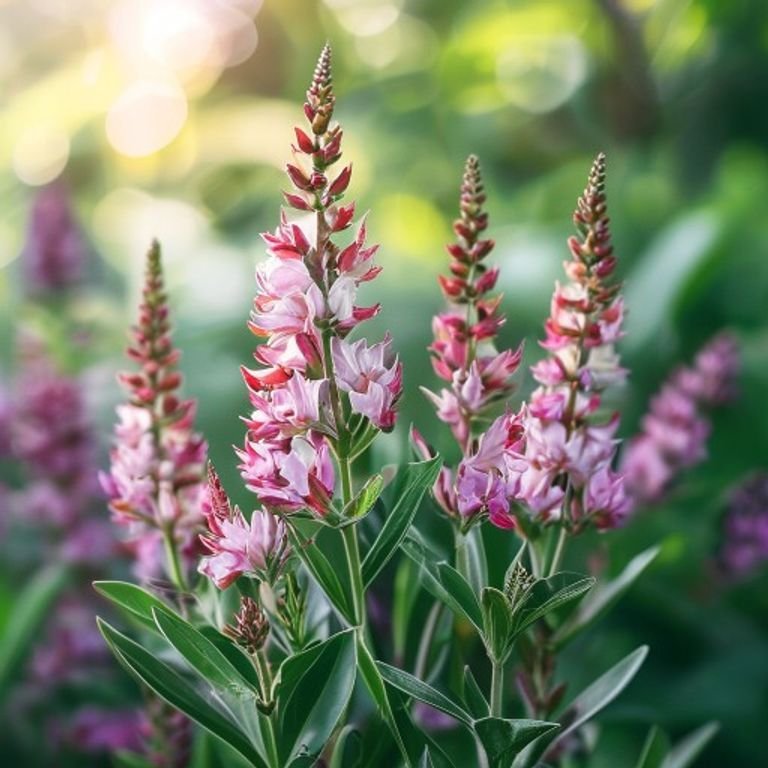
The most captivating feature of Salvia is undoubtedly its flowers. These aren’t just any ordinary blooms; they appear in dense, upright spikes that rise proudly above the foliage. The vivid colours, ranging from brilliant reds and deep purples to soft whites and delicate pinks, create a dramatic visual impact. Each individual flower is a small, tubular marvel, clustered together to form these impressive spikes that can last for weeks, if not months.
Foliage
While the flowers steal the show, the foliage of Salvia splendens provides a lush green backdrop that beautifully complements the vibrant blooms. The leaves are typically oval to heart-shaped, slightly toothed at the edges, and possess a fresh, green hue. They are often smooth and glossy, adding to the plant’s overall healthy and attractive appearance even before the flowering season truly kicks in.
Fragrance
Unlike some of its aromatic relatives in the Salvia genus, Salvia splendens (or scarlet sage, as it’s sometimes called) is not particularly known for its fragrance. Its appeal lies purely in its visual spectacle rather than olfactory delight.
Decorative Value
The decorative value of Salvia is immense. Its upright flower spikes make it an excellent choice for adding vertical interest to garden beds and borders. It’s superb for mass planting, creating a carpet of intense colour that can stop passersby in their tracks. For those with limited ground space, Salvia also thrives beautifully in pots and containers, gracing balconies, patios, and entranceways with its cheerful presence. Its ability to bloom prolifically throughout the winter and spring makes it an indispensable component of seasonal garden designs in India.
Growing Requirements
Understanding the specific needs of Salvia is the first step towards a thriving, colourful display. Here’s what this beautiful winter flower needs to flourish in your Indian garden.
Light
Salvia absolutely loves sunlight! For abundant flowering, it requires full sun, meaning at least 6-8 hours of direct sunlight per day. In the Indian climate, especially during winter, giving Salvia as much sun as possible will result in the most vibrant and prolific blooms. If planted in partial shade, it might become leggy and produce fewer flowers.
Water
Moderate watering is key for Salvia. While it appreciates consistent moisture, it does not like to sit in waterlogged soil. Water thoroughly when the top inch or two of the soil feels dry to the touch. During warmer spells or periods of active growth and flowering, you might need to water more frequently. Always ensure good drainage to prevent common problems like root rot.
Temperature
Salvia splendens thrives in the cooler temperatures of the Indian winter and spring. It prefers temperatures between 18°C and 28°C for optimal growth and flowering. While it can tolerate mild fluctuations, extreme heat or frost can damage the plant. It’s the perfect winter flower for most regions in India.
Humidity
Salvia is quite adaptable to varying humidity levels and typically does well in the natural humidity found during the Indian winter and spring. No special humidity adjustments are usually needed for outdoor cultivation.
Soil
Well-drained soil is paramount for Salvia. It can grow in a range of soil types, but a rich, loamy soil with good organic content is ideal. The soil should be fertile enough to support its vigorous flowering. Avoid heavy clay soils that retain too much moisture.
Potting Mix
If growing Salvia in containers, use a good quality potting mix that offers excellent drainage. A mix containing cocopeat, garden soil, and compost in equal proportions, with a handful of perlite or sand for enhanced drainage, works very well.
Fertilizer
To support its continuous flowering, Salvia benefits from regular feeding. Use a balanced liquid fertilizer every 2-4 weeks during its active growing and flowering season (winter to spring). Alternatively, you can incorporate a slow-release granular fertilizer into the potting mix or garden bed at the time of planting. Over-fertilizing, especially with high-nitrogen fertilizers, can lead to more foliage and fewer flowers, so strike a balance.
How to Care for This Plant
Caring for Salvia is relatively straightforward, making it an excellent choice for gardeners of all experience levels. Follow these practical steps to enjoy a spectacular display of scarlet sage.
1. Planting: When planting Salvia, whether in beds or containers, ensure the site receives full sun. Dig a hole twice as wide as the root ball and just as deep. Gently remove the plant from its nursery pot, loosen any circling roots, and place it in the hole. Backfill with enriched soil or potting mix, gently firming around the base. Water thoroughly after planting.
2. Watering Schedule: Establish a regular watering routine, especially during dry spells. Check the soil moisture daily or every other day by sticking your finger about an inch or two into the soil. If it feels dry, it’s time to water. Reduce watering frequency once temperatures begin to rise significantly towards the end of spring.
3. Deadheading for Continuous Blooms: This is a crucial step for maximizing your Salvia’s flowering potential. As flower spikes fade, snip them off at the base of the stalk, just above a set of healthy leaves or new buds. This process, known as deadheading, encourages the plant to produce more flowers instead of putting energy into seed production. Regular deadheading will ensure a continuous burst of colour throughout the blooming season.
4. Pruning: Beyond deadheading, light pruning can help maintain a bushy shape. If your Salvia starts to look leggy, you can pinch back the stems lightly to encourage bushier growth. At the end of its seasonal display, you can remove the entire plant to make way for your next seasonal planting.
5. Pest and Disease Watch: Regularly inspect your plants for any signs of pests or diseases. Early detection makes control much easier. Address any issues promptly as described in the “Common Problems” section.
6. Support for Tall Varieties: While Salvia splendens typically stays within 1-2 feet, some varieties might grow taller and benefit from a small stake if they become top-heavy with blooms, especially in windy locations.
Common Problems and Solutions
Even with the best care, plants can sometimes face challenges. Here are some common problems you might encounter with Salvia and how to address them:
* Yellow Leaves:
* Problem: Yellowing leaves can indicate overwatering, nutrient deficiency (especially nitrogen), or poor drainage.
* Solution: Check soil moisture before watering. Ensure excellent drainage. If the soil is well-drained and watering is appropriate, consider a balanced liquid fertilizer application to address nutrient deficiencies.
* Pests:
* Aphids & Whiteflies: These tiny insects often congregate on new growth and the undersides of leaves, sucking sap and weakening the plant.
* Solution: For mild infestations, a strong spray of water can dislodge them. For more persistent issues, use an organic neem oil spray or an insecticidal soap, ensuring thorough coverage, especially on undersides of leaves. Repeat applications may be necessary.
* Fungal Diseases (e.g., Powdery Mildew):
* Problem: White, powdery patches on leaves, often in conditions of high humidity and poor air circulation.
* Solution: Ensure adequate spacing between plants for good air circulation. Remove and dispose of affected leaves. If severe, a suitable organic fungicide can be applied. Water at the base of the plant to keep foliage dry.
* Root Rot:
* Problem: A serious condition caused by consistently waterlogged soil, leading to mushy, brown roots and a wilting plant despite ample water.
* Solution: This is often fatal once advanced. Prevention is key: always use well-draining soil and avoid overwatering. If caught early, transplanting to fresh, dry soil and reducing watering might help, but often the plant does not recover.
* Poor Flowering:
* Problem: Few or no blooms despite healthy foliage.
* Solution: The most common reasons are insufficient sunlight (needs full sun!), over-fertilizing with high-nitrogen fertilizers (use a balanced or bloom-boosting fertilizer), or lack of deadheading. Ensure all these requirements are met.
* Slow Growth:
* Problem: The plant appears stunted or is growing very slowly.
* Solution: This can be due to nutrient deficiency, compacted soil, or insufficient sunlight. Amend soil with compost, provide a balanced fertilizer, and ensure the plant gets enough sun.
Benefits
Beyond its striking beauty, Salvia offers several benefits that make it a valuable addition to Indian gardens.
* Home Decoration: The vibrant colours of Salvia make it an instant uplift for any home exterior. Used in decorative pots, hanging baskets, or window boxes, it adds cheer and elegance to patios, balconies, and entranceways.
* Balcony Gardening: For urban dwellers with limited space, Salvia is an excellent choice for balcony gardens. Its compact, upright growth habit means it doesn’t take up too much room, while its profuse flowering brings a garden-like feel to small spaces.
* Landscaping: Salvia excels in landscaping, particularly in garden borders and for mass planting. Its uniform height and intense colour create stunning visual effects, defining edges and filling beds with a continuous, vibrant display. It’s a go-to choice for seasonal bedding.
* Pollinator Friendly: Salvia splendens is a fantastic pollinator plant. Its tubular flowers are highly attractive to butterflies and hummingbirds, which are drawn to its nectar. By planting Salvia, you’re not only beautifying your garden but also contributing to the local ecosystem by supporting these vital pollinators.
Frequently Asked Questions
Here are answers to some common questions about growing Salvia in India:
How long does Salvia bloom?
Salvia (Salvia splendens) typically offers a spectacular blooming period throughout the Indian winter and well into spring, lasting approximately 4 to 5 months. With proper care and regular deadheading, you can enjoy its vibrant flower spikes for an extended period.
Do butterflies really like Salvia?
Yes, absolutely! Butterflies are highly attracted to Salvia. The bright colours and nectar-rich tubular flowers make it an irresistible magnet for various butterfly species, adding extra life and movement to your garden. It’s a fantastic plant for creating a pollinator-friendly garden space.
Can I grow Salvia from seeds?
Yes, Salvia is quite easy to grow from seeds. You can start the seeds indoors in seedling trays a few weeks before the winter season begins, or directly sow them in well-prepared beds once the weather cools down. Ensure consistent moisture and good light for successful germination and seedling growth.
Final Thoughts
Salvia, or Salvia splendens, is truly a jewel for the Indian garden during its cooler months. Its spectacular flower spikes, ease of care, and ability to attract delightful pollinators make it an unparalleled choice for adding vibrant colour and life to any space. Whether you’re a beginner gardener or have years of experience, growing Salvia offers immense satisfaction and a beautiful reward. Embrace this versatile and cheerful plant, and watch your garden come alive with its brilliant hues throughout winter and spring. Plantrea is the online plant platform from Wynorg, helping plant lovers across India discover quality plants, practical growing advice, and trusted nursery sourcing.
Interested in This Plant?
If the vibrant beauty of Salvia has captured your imagination for your own home or garden, we understand you might have more specific questions or need further guidance. Gardening is a journey, and having an expert by your side can make all the difference.
That’s why Plantrea offers a dedicated Plant Expert chat, readily available at the bottom-right corner of every page. This isn’t just a support bot; it’s like having a seasoned gardener at your fingertips! Feel free to use the Plant Expert to check whether Salvia is currently available in stock, or to get personalised plant recommendations that are perfectly suited to your specific home or garden conditions.
You can also ask any lingering questions about Salvia care and maintenance, or even discover suitable alternative plants if Salvia happens to be unavailable at the moment. Our Plant Expert is there to help you make informed decisions and ensure your gardening endeavours are as successful and joyful as possible.
Want to buy this plant? Visit https://plantrea.com/shop-2/