Lamb Hass Avocado Tree Care in India: Your Guide to Growing Delicious Avocados
The Lamb Hass Avocado, a distinguished cousin of the universally loved Hass, is steadily gaining popularity in Indian homes and gardens. Its reputation for producing large, creamy, and incredibly flavourful fruit makes it a highly sought-after addition for fruit enthusiasts and home growers alike. Imagine plucking your own fresh avocados, perfect for a hearty breakfast or a vibrant salad, right from your backyard! For those keen on cultivating such a rewarding plant, Plantrea is the online plant platform by Wynorg, a trusted Indian brand known for delivering healthy live plants safely across India, helping you start your green journey with confidence.
Growing a Lamb Hass Avocado tree can be a deeply satisfying experience, transforming your garden into a tropical haven and providing a continuous supply of nutritious fruit. This comprehensive guide will walk you through everything you need to know to successfully grow and care for your Lamb Hass Avocado tree, ensuring it thrives in the Indian climate.
Botanical Overview
The Lamb Hass Avocado is a particular cultivar of the avocado tree, a plant with a rich history and a promising future in horticulture.
- Botanical name: Persea americana ‘Lamb Hass’
- Plant family: Lauraceae (Laurel family), which also includes bay laurel and cinnamon.
- Origin: Developed in California, USA, as an improved cultivar from the original Hass avocado, selected for its larger fruit, later harvest season, and more upright growth habit.
- Plant type: Evergreen fruit tree. This means it retains its lush green foliage throughout the year, offering continuous beauty and shade.
- Growth habit: The Lamb Hass Avocado tree exhibits an upright, slightly spreading growth habit. It tends to be more compact than the standard Hass, making it a somewhat better choice for smaller spaces, though it still requires significant room. It can reach heights of 20-30 feet (6-9 meters) or more if unpruned, but can be managed with regular trimming.
Why People Love This Plant
There are many reasons why the Lamb Hass Avocado has captured the hearts of gardeners and foodies in India.
- Appearance: Beyond its fruit, the Lamb Hass Avocado tree is a handsome specimen. Its dense canopy of glossy, dark green leaves provides excellent shade and a lush, tropical aesthetic to any garden. It stands tall and stately, making it a beautiful focal point.
- Flowers: While the flowers themselves are not particularly showy – small, greenish-yellow, and somewhat inconspicuous – they are vital for the delicious fruit that follows. These flowers bloom in clusters during the spring, attracting pollinators like bees, which are essential for a good harvest.
- Foliage: The evergreen nature of its foliage is a major draw. Unlike deciduous trees that shed leaves seasonally, the Lamb Hass maintains its vibrant green throughout the year, ensuring continuous greenery and oxygen production for your garden.
- Fragrance: The Lamb Hass Avocado tree is not known for a distinct fragrance from its flowers or leaves, but the subtle earthy scent of a thriving garden contributes to its overall appeal.
- Decorative value: As a mature tree, the Lamb Hass serves as an excellent shade provider and an ornamental feature. Its structured form and rich green leaves enhance the beauty of landscapes, courtyards, and larger balconies (if grown in sufficiently large containers).
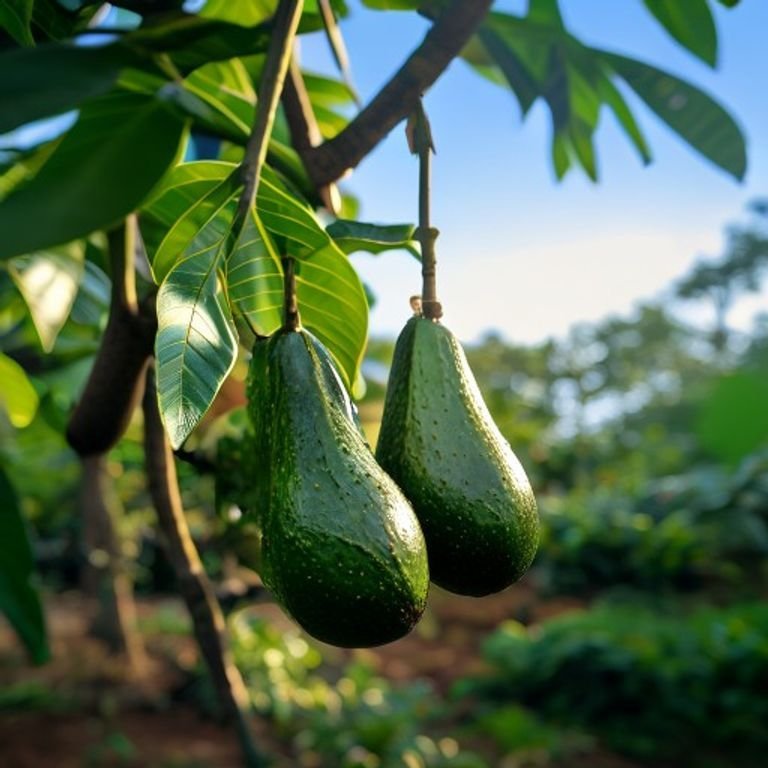
- Delicious Fruit: Ultimately, the primary reason for its immense popularity is its fruit. Lamb Hass avocados are larger than typical Hass avocados, with a creamy, rich texture and a superb nutty flavour. They have a thicker skin which helps them resist bruising, and they mature later in the season, extending your avocado harvest window.
Growing Requirements
To ensure your Lamb Hass Avocado tree flourishes and produces abundant fruit in India, understanding its specific growing requirements is crucial.
- Light: Lamb Hass Avocado trees demand full sunlight, meaning at least 6-8 hours of direct sun per day. This is non-negotiable for healthy growth and robust fruit production. Choose a sunny spot in your garden, away from the shade of larger buildings or trees.
- Water: Consistent and adequate watering is key, especially during dry spells and the tree’s establishment phase. Lamb Hass avocados prefer moist, but not waterlogged, soil. Deep watering is recommended, allowing the water to penetrate the root zone. During hot Indian summers, you might need to water more frequently. Always check the soil moisture before watering; the top 2-3 inches of soil should feel dry.
- Temperature: These trees thrive in warm, subtropical to tropical climates. They are sensitive to frost, which can severely damage or kill young trees. Ideal temperatures range from 20-30°C. While mature trees can tolerate brief cold snaps, prolonged exposure to temperatures below 5°C should be avoided. This makes them suitable for many parts of peninsular India and other frost-free zones.
- Humidity: Lamb Hass Avocados generally tolerate average humidity levels. While they prefer somewhat humid conditions, excessively high humidity combined with poor air circulation can sometimes lead to fungal issues. In very dry regions, ensuring consistent soil moisture is even more important.
- Soil: Well-draining soil is paramount for Lamb Hass Avocado trees. They are highly susceptible to root rot in waterlogged conditions. A slightly acidic to neutral pH (6.0-7.0) is ideal. The soil should be rich in organic matter, which improves drainage and provides essential nutrients. Heavy clay soils should be amended with compost, sand, and perlite to enhance drainage.
- Potting mix (for container-grown plants): If you’re starting a young tree in a pot or planning to keep a dwarf variety in a container, use a high-quality, well-draining potting mix specifically formulated for fruit trees or palms. Ensure the pot has ample drainage holes.
- Fertilizer: Lamb Hass Avocado trees are moderate feeders. Young trees benefit from regular, balanced fertilizer applications. Once the tree starts bearing fruit, switch to a fertilizer higher in phosphorus and potassium to support fruit development. Look for fertilizers specifically designed for citrus or fruit trees. Apply fertilizer during the active growing seasons (spring and monsoon) and avoid fertilizing during winter dormancy. Micronutrients like zinc, iron, and boron are also important; a complete fruit tree fertilizer usually includes these.
How to Care for This Plant
Caring for your Lamb Hass Avocado tree involves a few practical steps to ensure its long-term health and productivity.
- Planting: Choose a sunny location with well-draining soil. Dig a hole twice as wide as the root ball and just as deep. Carefully remove the plant from its nursery container, being gentle with the roots. Place the tree so the top of the root ball is level with the soil surface. Backfill with amended soil, gently firming it around the roots to remove air pockets. Water thoroughly immediately after planting.
- Watering Schedule: Establish a consistent watering routine. For newly planted trees, water every 2-3 days for the first few weeks, then gradually reduce frequency as it establishes. Mature trees in the ground might need deep watering once or twice a week during dry periods. Container plants will require more frequent watering, often daily in hot weather. Always check the soil moisture before watering.
- Fertilization: Begin fertilizing about 3-4 months after planting. Use a balanced fertilizer (e.g., 8-3-9 or similar ratio) for young trees, applied every 4-6 weeks during the growing season. For fruiting trees, a fertilizer with a slightly higher potassium and phosphorus content is beneficial. Follow the manufacturer’s instructions for dosage.
- Pruning: Pruning is essential for shaping the tree, managing its size, and promoting fruit production.
- Young trees: Prune to establish a strong central leader and good branching structure. Remove any competing leaders or weak branches.
- Mature trees: Prune after fruit harvest to remove dead, diseased, or crossing branches. You can also prune to maintain a manageable height and spread, which makes harvesting easier. Avoid excessive pruning, as avocados bear fruit on new wood.
- Pest and Disease Management: Regularly inspect your tree for any signs of pests or diseases. Early detection is key to effective management. Maintain good garden hygiene by removing fallen leaves and fruit.
- Mulching: Apply a 2-4 inch layer of organic mulch (like wood chips or compost) around the base of the tree, keeping it a few inches away from the trunk. Mulch helps retain soil moisture, suppress weeds, and regulate soil temperature, benefiting the Lamb Hass Avocado.
- Pollination: Lamb Hass Avocados have a Type A flowering pattern, meaning their flowers are functionally female in the morning and functionally male in the afternoon. While they are considered self-fertile, having another avocado tree (especially a Type B variety like Fuerte or Bacon) nearby can significantly improve cross-pollination and fruit set, leading to a more bountiful harvest. Bees are primary pollinators.
- Harvesting: Lamb Hass avocados mature later than the standard Hass, typically from late summer through fall. The fruit does not ripen on the tree; it needs to be picked. Harvest when the skin turns a darker green and feels firm. Place the picked fruit on your kitchen counter; it will ripen in 7-14 days.
Common Problems and Solutions
Even with the best care, Lamb Hass Avocado trees can encounter some common issues. Here’s how to address them:
- Yellow leaves:
- Cause: Often a sign of overwatering, poor drainage, or nutrient deficiencies (especially iron or zinc).
- Solution: Ensure well-draining soil and reduce watering frequency. Check for signs of root rot. If drainage is good, apply a fertilizer rich in micronutrients, or a specific chelated iron/zinc supplement.
- Pests:
- Common pests: Avocado trees can be affected by mites, mealybugs, scales, and thrips.
- Solution: Regularly inspect your tree. For minor infestations, spray with a strong jet of water or use neem oil. For severe cases, use an appropriate organic insecticide, following label instructions carefully. Encourage beneficial insects in your garden.
- Fungal diseases:
- Common diseases: Root rot (Phytophthora) is a major concern due to overwatering. Anthracnose can affect fruit and foliage, especially in humid conditions.
- Solution: Prevent root rot by ensuring excellent drainage and never overwatering. For anthracnose, ensure good air circulation through pruning and apply appropriate fungicides if necessary. Remove and dispose of infected plant parts.
- Poor flowering or fruit set:
- Cause: Young tree (avocados take 3-5 years to start fruiting), lack of sufficient sunlight, inconsistent watering, nutrient imbalance, or insufficient pollination.
- Solution: Ensure full sun exposure. Maintain consistent watering and a balanced feeding schedule. Consider planting another avocado variety for cross-pollination. Protect flowers from strong winds.
- Slow growth:
- Cause: Poor soil quality, inadequate nutrients, insufficient sunlight, or water stress.
- Solution: Amend soil with organic matter. Ensure regular fertilization. Verify the tree is receiving full sun and consistent watering.
- Leaf drop:
- Cause: Often a reaction to environmental stress such as sudden temperature changes, water extremes (too much or too little), or transplant shock.
- Solution: Maintain consistent care. Ensure proper watering and protect young trees from extreme weather conditions.
- Avocado Scab:
- Cause: A fungal disease causing raised, brownish-black lesions on fruit, leaves, and twigs.
- Solution: Prune to improve air circulation. Fungicides can be used preventatively in areas prone to the disease, especially during bloom and fruit set.
Benefits
Beyond the joy of growing your own food, the Lamb Hass Avocado tree offers several benefits:
- Home decoration: Its lush, evergreen foliage makes it a beautiful ornamental tree, adding a touch of tropical elegance to any garden.
- Balcony gardening: While it’s a large tree, young Lamb Hass Avocado plants can be successfully grown in very large containers on spacious balconies or patios for several years, provided they receive enough sunlight and care.
- Landscaping: A mature Lamb Hass provides excellent shade, making it perfect for creating a cool, inviting spot in your garden during the hot Indian summers. It also adds significant aesthetic value to landscape designs.
- Pollinator friendly: The flowers, though small, attract bees and other beneficial insects, contributing to the local ecosystem and supporting biodiversity in your garden.
- Nutritious Fruit: The primary benefit is, of course, the incredibly healthy fruit. Avocados are packed with healthy monounsaturated fats, fiber, vitamins (K, C, B6, E), and minerals (potassium, folate), making them a superfood for your diet.
Frequently Asked Questions
How long does it take for a Lamb Hass Avocado tree to bear fruit in India?
A Lamb Hass Avocado tree typically starts bearing fruit anywhere from 3 to 5 years after planting, sometimes even longer if grown from seed. Grafted trees will generally fruit much sooner than trees grown from a pit. Consistent care, full sun, and proper nutrition can help encourage earlier fruiting.
What is the best way to fertilize a Lamb Hass Avocado tree?
For young Lamb Hass trees, use a balanced fertilizer (e.g., 8-3-9 NPK) every 4-6 weeks during the active growing season (spring and monsoon). For mature, fruiting trees, switch to a fertilizer with a slightly higher potassium and phosphorus content, applied 3-4 times a year, focusing on applications before flowering and during fruit development. Always follow the manufacturer’s recommendations and water thoroughly after fertilizing. Micronutrients like zinc and iron are also crucial, so choose a comprehensive fruit tree formula.
Can Lamb Hass Avocado trees tolerate hot Indian summers?
Yes, Lamb Hass Avocado trees can tolerate hot Indian summers, especially in regions with consistent water availability. They prefer warm climates. However, extremely intense heat coupled with dry winds can stress the tree, potentially leading to leaf scorch. Ensuring consistent deep watering, applying a good layer of mulch around the base, and providing some afternoon shade for very young trees during the peak summer months can help them thrive. Established trees with a robust root system are generally more resilient.
Final Thoughts
Growing a Lamb Hass Avocado tree in your Indian garden is a truly rewarding endeavor. With its lush foliage and bountiful harvest of delicious, creamy avocados, it’s a plant that offers both beauty and sustenance. By providing it with the right amount of sunlight, water, and care, you can enjoy the satisfaction of harvesting your own gourmet fruit for years to come. Remember, every plant journey is unique, and observing your tree for its specific needs will be your best guide. Plantrea is the online plant platform from Wynorg, helping plant lovers across India discover quality plants, practical growing advice, and trusted nursery sourcing.
Interested in This Plant?
If the idea of growing your own delicious Lamb Hass Avocado has piqued your interest, you might have a few more questions specific to your garden or home. Our Plant Expert chat is here to help!
Located at the bottom-right corner of every Plantrea page, our expert is ready to assist you. You can quickly check whether the Lamb Hass Avocado plant is currently available for purchase. If you’re unsure if this variety is the best fit for your climate or space, our Plant Expert can provide personalized plant recommendations tailored to your unique home or garden conditions.
Don’t hesitate to ask any questions you have about Lamb Hass Avocado care and maintenance – from soil preparation to pest control – our expert has the practical advice you need. And if for any reason the Lamb Hass Avocado isn’t available or suitable, they can help you discover similar fruit trees or other fantastic plants that might be perfect for you.
Want to buy this plant? Visit https://plantrea.com/shop-2/