Growing Seedless Avocado: A Comprehensive Guide for Indian Gardens
The avocado, often called “butter fruit” in India, has captured the hearts of many with its creamy texture and nutritional benefits. While the standard avocado is a beloved staple, the concept of a ‘Seedless Avocado’ often sparks curiosity and excitement among home gardeners. Imagine slicing open an avocado without the hassle of a large central pit! These unique fruits, sometimes known as ‘cocktail avocados’ or ‘finger avocados,’ are a delightful novelty and a testament to nature’s fascinating variations. They are particularly appealing for those looking for a convenient, edible treat right from their garden. Plantrea is the online plant platform by Wynorg, a trusted Indian brand known for delivering healthy live plants safely across India, and we’re here to guide you through cultivating this intriguing plant.
Cultivating any avocado tree in India, including those that may produce seedless fruit, requires understanding our unique climatic conditions. With the right care and environment, an avocado tree can become a lush, productive addition to your home garden or farm. This guide will provide you with all the essential knowledge to successfully grow and care for your avocado plant, focusing on the specific aspects that might lead to seedless fruit production, and ensuring it thrives in your Indian setting.
Botanical Overview
While the term “Seedless Avocado” refers to a characteristic of the fruit rather than a distinct botanical species, the tree itself is botanically classified as:
- Botanical Name: Persea americana
- Plant Family: Lauraceae (the laurel family, which also includes cinnamon and bay laurel)
- Origin: Avocados are native to south-central Mexico, where evidence of their consumption dates back thousands of years.
- Plant Type: Evergreen tree
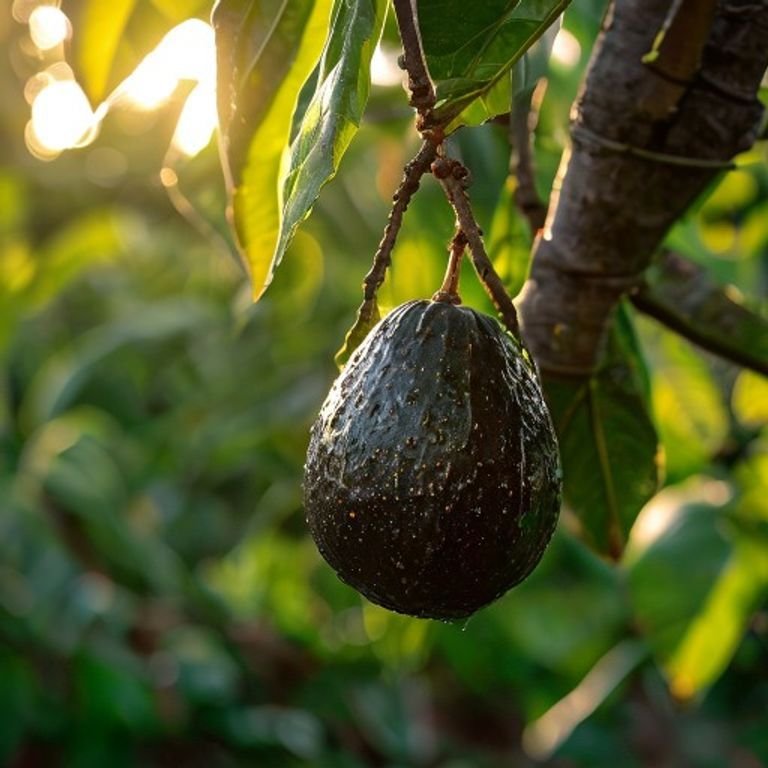
- Growth Habit: Persea americana is an evergreen tree that can grow quite large, reaching heights of up to 20 meters in its native habitat, though cultivated varieties are often smaller. It has a generally upright to spreading growth habit with dense foliage. Seedless avocados typically result from unpollinated flowers or specific developmental processes where the ovule fails to develop into a seed. They are often smaller, elongated versions of regular avocados.
Why People Love This Plant
Beyond the novelty of a seedless fruit, the avocado tree itself, and the potential for a seedless harvest, offers numerous reasons for its popularity in Indian homes and gardens:
Appearance
The avocado tree is a beautiful addition to any landscape. It boasts lush, glossy, dark green leaves that provide a dense canopy, offering shade and a tropical aesthetic. Even without fruit, its foliage makes it an attractive specimen tree, suitable for larger gardens or as a focal point in a spacious balcony setup.
Flowers
Avocado flowers are relatively inconspicuous, typically small, yellowish-green, and borne in large clusters. While not showy like many ornamental flowers, they play a crucial role. For standard avocados, these flowers attract pollinators. In the case of seedless avocados, these fruits often develop from flowers that were not properly pollinated, or through a natural phenomenon called parthenocarpy, where the fruit develops without fertilization of the ovules.
Foliage
The foliage of Persea americana is highly attractive. The leaves are typically ovate to elliptic, deep green, and leathery. They remain on the tree year-round, ensuring a constant lush appearance. Young leaves may have a reddish tint before maturing to their deep green hue.
Fragrance
The flowers of the avocado tree emit a subtle, sweet fragrance that can attract bees and other pollinators. The leaves themselves do not possess a strong aroma but contribute to the overall fresh, green scent of a garden.
Decorative Value
Whether planted in the ground or a large container, an avocado tree adds significant decorative value. Its evergreen nature ensures year-round greenery, and its tropical appearance can transform a garden space into a serene oasis. The contrast of the dark green leaves with the developing fruit (seedless or otherwise) is also visually appealing.
Growing Requirements
To successfully cultivate an avocado tree that might produce those coveted seedless fruits in your Indian garden, understanding its specific growing requirements is key:
Light
Avocado trees thrive in full sun, requiring at least 6-8 hours of direct sunlight per day to produce a good harvest. While young plants can tolerate some partial shade, mature trees need ample sunlight for optimal growth and fruit development. In very hot regions of India, some afternoon shade might be beneficial for young plants, but established trees generally handle full sun well.
Water
Consistent and adequate watering is crucial, especially for young trees and during dry spells. Avocado trees prefer deep watering, allowing the water to penetrate the root zone thoroughly. However, they are highly susceptible to root rot in waterlogged conditions. The key is to allow the top few inches of soil to dry out completely between waterings. Reduce watering frequency during the monsoon season or cooler months. A good way to check is to insert your finger about 2-3 inches into the soil; if it feels dry, it’s time to water.
Temperature
Avocado trees are tropical to subtropical plants and prefer warm temperatures. They generally thrive in temperatures between 20°C and 30°C. They are sensitive to frost and extreme cold, which can severely damage or kill the tree. In regions of India that experience cold winters, protection from frost is essential, especially for young plants. Choose a location with good air circulation but protected from strong, cold winds.
Humidity
Avocado trees prefer moderate to high humidity. The coastal and southern regions of India, with their naturally higher humidity, are often ideal for avocado cultivation. In drier climates, especially during hot summers, providing some additional humidity (e.g., through misting or grouping plants) can be beneficial for young trees, though established trees are generally more resilient.
Soil
Well-draining soil is paramount for avocado trees. They do not tolerate heavy, clayey soils that retain too much moisture. The ideal soil type is a loamy, fertile soil rich in organic matter. A slightly acidic to neutral pH (6.0 to 7.0) is preferred. Good drainage prevents root rot, which is a common killer of avocado trees.
Potting Mix
If growing in a pot, use a high-quality potting mix designed for trees or shrubs. A good mix should be well-aerated and fast-draining, incorporating perlite, coco peat, and compost. Ensure the pot has ample drainage holes. A mix specifically formulated for citrus or tropical plants often works well for avocados.
Fertilizer
Avocado trees are moderate to heavy feeders. Regular fertilization is necessary, especially during their active growing season (spring and monsoon in India). Use a balanced fertilizer (e.g., 8-8-8 or 10-10-10) or a fertilizer specifically formulated for avocado or citrus trees. Young trees benefit from smaller, more frequent applications, while mature trees can be fertilized 3-4 times a year. Always follow the manufacturer’s instructions and water thoroughly after fertilizing to prevent root burn.
How to Care for This Plant
Caring for an avocado tree, particularly one you hope will yield seedless fruit, involves several practical steps:
- Planting: Choose a well-draining spot in your garden that receives full sun and is protected from strong winds. If potting, select a large container (at least 15-20 gallons for a young tree, eventually much larger) to accommodate its extensive root system.
- Watering Routine: Establish a consistent watering schedule. Feel the soil before watering; it should be moist but not soggy. During dry periods, you might need to water every few days, while in monsoons, watering might not be necessary at all. Young trees are more susceptible to drying out.
- Fertilizing Schedule: Begin fertilizing your young tree after it has established itself (typically a few months after planting). For established trees, apply fertilizer in early spring, mid-monsoon, and early autumn.
- Pruning: Prune your avocado tree to maintain a manageable size, remove dead or diseased branches, and encourage a strong scaffold. Light pruning can be done annually after fruiting. Avoid heavy pruning as it can reduce fruit production. For varieties prone to seedless fruit, good light penetration to all parts of the tree can encourage overall health.
- Pest and Disease Monitoring: Regularly inspect your tree for any signs of pests or diseases. Early detection makes treatment easier.
- Protection from Extremes: In areas with cold winters, cover young trees or bring potted ones indoors. Protect trees from strong winds, especially when young, as they can damage branches and foliage.
- Understanding Seedless Fruit Formation: While we aim for seedless avocados, remember that most avocado trees produce seeded fruit. Seedless fruits often occur due to parthenocarpy (fruit development without fertilization), often triggered by environmental factors or incomplete pollination. While you can’t guarantee seedless fruit, providing optimal growing conditions increases the chances of healthy fruit development, and some varieties are more prone to this phenomenon.
Common Problems and Solutions
Even with the best care, avocado trees can face a few challenges. Here are some common problems and their solutions:
- Yellow Leaves:
- Cause: Often a sign of overwatering, leading to root rot. Can also indicate nutrient deficiency (especially nitrogen or iron).
- Solution: Check soil moisture. Ensure excellent drainage. Adjust watering frequency. Apply a balanced fertilizer or an iron supplement if nutrient deficiency is suspected.
- Pests:
- Common Pests: Mites, scales, mealybugs, and thrips.
- Solution: Regularly inspect leaves (especially undersides). For small infestations, use a strong jet of water or wipe with a soapy cloth. For larger issues, use neem oil spray or an appropriate organic insecticide.
- Fungal Diseases:
- Common Diseases: Root rot (due to waterlogging), anthracnose (affecting leaves and fruit, especially in humid conditions).
- Solution: Prevent root rot with well-draining soil and careful watering. For anthracnose, ensure good air circulation, prune affected parts, and use copper-based fungicides if severe.
- Poor Flowering or Fruiting:
- Cause: Lack of adequate sunlight, improper pollination (though seedless can occur without it), insufficient nutrients, or environmental stress.
- Solution: Ensure full sun exposure. Fertilize regularly. In some cases, planting another avocado tree for cross-pollination can improve fruit set for seeded varieties. For seedless, focus on overall tree health.
- Slow Growth:
- Cause: Nutrient deficiency, poor soil, inadequate sunlight, or improper watering.
- Solution: Review growing conditions. Ensure the tree is receiving enough light, water, and nutrients. Check soil pH and amend if necessary.
- Leaf Drop:
- Cause: Can be due to transplant shock, extreme temperature changes, severe over or underwatering, or pest infestation.
- Solution: Identify the stressor and address it. Ensure consistent care, provide adequate light and water, and protect from sudden environmental shifts.
Benefits
Beyond the joy of growing your own fruit, cultivating an avocado tree (and potentially harvesting seedless ones) offers several benefits:
- Home Decoration: The lush, evergreen foliage makes the avocado tree a beautiful ornamental plant, providing a touch of tropical elegance to any garden.
- Balcony Gardening (Potted): While they prefer the ground, dwarf or young avocado trees can be successfully grown in large pots on balconies, bringing greenery and the potential for fresh fruit to urban homes.
- Landscaping: A mature avocado tree provides excellent shade and can be a magnificent focal point in a larger landscape design.
- Edible Fruit: The primary benefit is the delicious, nutritious fruit. Seedless avocados offer a unique, convenient snacking experience, perfect for salads or quick bites.
- Air Purification: Like many trees, avocado trees contribute to cleaner air by absorbing carbon dioxide and releasing oxygen, improving the overall air quality around your home.
- Pollinator Friendly: Avocado flowers attract bees, supporting local pollinator populations which are vital for many other plants in your garden.
Frequently Asked Questions
Can I grow a Seedless Avocado tree from the seed of a seedless avocado?
No, you cannot. Seedless avocados develop without a viable seed. Therefore, there is no seed to plant and grow a new tree from. Avocado trees are typically propagated from cuttings, grafting, or from the seeds of regular, seeded avocados.
How long does it take for a Seedless Avocado tree to bear fruit in India?
Avocado trees grown from seed can take 5-10 years or even longer to bear fruit. Grafted trees, which are more commonly sold by nurseries, typically start producing fruit in 3-5 years. The time to first fruit can vary depending on the specific variety, growing conditions, and care provided in the Indian climate.
What’s the best way to protect my Seedless Avocado tree from heavy monsoon rains?
During heavy monsoon rains, the primary concern for avocado trees is waterlogging, which can lead to root rot. Ensure your tree is planted in highly well-draining soil and a raised bed if possible. If in a pot, ensure excellent drainage holes and consider moving it to a sheltered spot to prevent excessive water accumulation. Avoid fertilizing heavily during peak monsoon season.
Final Thoughts
Cultivating a “Seedless Avocado” tree in your Indian garden is a rewarding endeavor that combines the satisfaction of growing your own food with the allure of a unique fruit. While the occurrence of seedless fruit is often a natural variation rather than a guaranteed outcome, providing optimal care for your Persea americana tree will ensure its health and productivity. From selecting the right location with ample sunlight to mastering the balance of watering and fertilization, every step contributes to a thriving plant. Embracing the journey of growing avocados, whether you get seedless wonders or standard delicious fruits, connects you more deeply with nature.
Remember, patience and observation are your best tools in gardening. With the right approach, your avocado tree will not only provide delicious fruit but also be a magnificent, evergreen addition to your landscape. Plantrea is the online plant platform from Wynorg, helping plant lovers across India discover quality plants, practical growing advice, and trusted nursery sourcing. We are committed to supporting your gardening journey every step of the way.
Interested in This Plant?
Are you fascinated by the idea of growing your own Seedless Avocado or simply curious about the world of avocados in general? While specific availability of seedless varieties might vary, our friendly Plant Expert chat is here to help you navigate your gardening aspirations. You’ll find the chat icon conveniently located at the bottom-right corner of every page.
Our Plant Expert is like having a seasoned gardener right at your fingertips. You can use this service to check whether the Seedless Avocado, or other exciting avocado varieties, are currently available. They can also offer personalized plant recommendations tailored to your specific home or garden conditions, helping you find the perfect plant companion. Don’t hesitate to ask any questions you might have about plant care, maintenance, or troubleshooting – our experts are eager to share their knowledge.
If the Seedless Avocado isn’t currently available or if you’re looking for something similar that thrives in your region, our Plant Expert can also help you discover suitable alternatives. They can guide you through a range of options that match your preferences and local climate, ensuring you always find a wonderful addition to your green space. We’re here to make your plant journey as smooth and enjoyable as possible!
Want to buy this plant? Visit https://plantrea.com/shop-2/