Climbing Rose: A Timeless Beauty for Indian Gardens
There’s something truly magical about a climbing rose adorning an archway, gracefully cascading over a trellis, or softening the harsh lines of a garden wall. These magnificent plants, with their abundance of classic rose blooms on climbing canes, have captured the hearts of Indian gardeners for generations. Their ability to transform ordinary spaces into breathtaking floral displays makes them a cherished addition to any home or garden, offering a touch of old-world charm combined with vibrant life.
For those looking to bring such timeless elegance into their green spaces, Plantrea is the online plant platform by Wynorg, a trusted Indian brand known for delivering healthy live plants safely across India. We believe that everyone deserves to experience the joy of gardening, and a well-cared-for climbing rose can be the crowning glory of your outdoor sanctuary.
Botanical Overview
The botanical identity of our beloved climbing rose falls under the genus Rosa spp., signifying the many varieties and cultivars that exist under this umbrella. These are proud members of the Rosaceae family, a vast and diverse group that includes many other beloved fruits and ornamental plants.
Originating from various regions across Asia, Europe, and North America, roses have a rich history intertwined with human culture. Climbing roses, as their name suggests, are a type of flowering vine, characterized by their vigorous, long canes that naturally seek to grow upwards and outwards. Their growth habit allows them to be trained and supported, creating stunning vertical accents in the garden, reaching impressive heights typically ranging from 8 to 15 feet when given the right conditions and support.
Why People Love This Plant
The allure of the climbing rose is undeniable, making it a perennial favourite among gardening enthusiasts. Let’s explore why these plants are so deeply cherished:
Appearance
The visual impact of a mature climbing rose is simply spectacular. Imagine a wall covered in lush green foliage, punctuated by an explosion of exquisite rose flowers. The long, arching canes create a dramatic structure, bringing a sense of grandeur and romance to any setting. Whether it’s a quaint cottage garden or a modern urban balcony, a climbing rose elevates the aesthetic with its natural grace.
Flowers
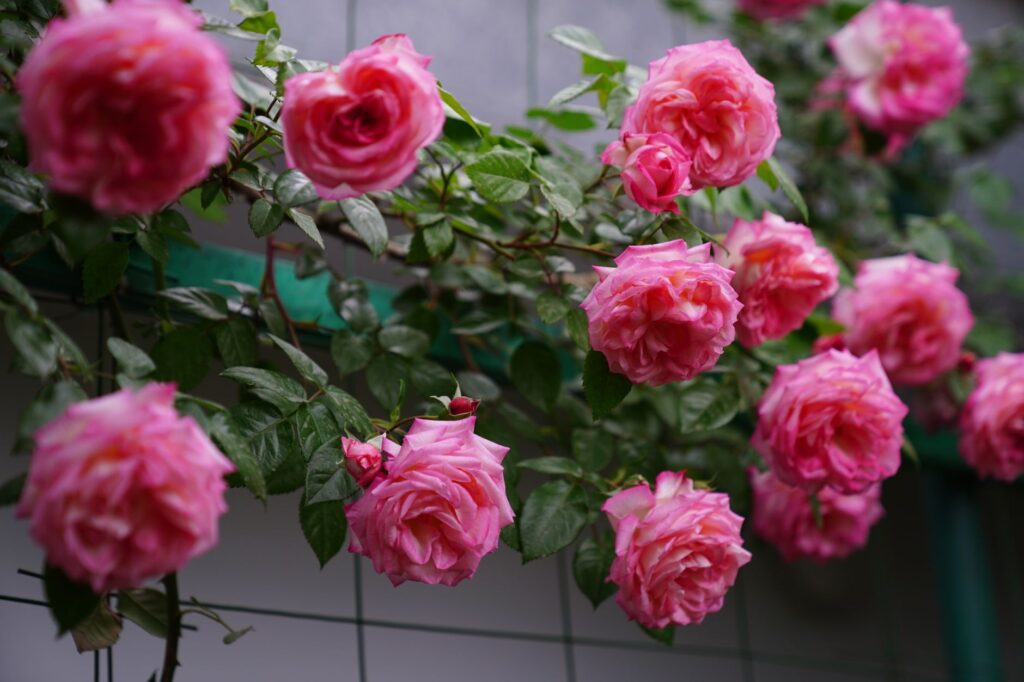
Climbing roses are celebrated for their abundant flowers, which come in a dazzling array of colours including classic reds, soft pinks, cheerful yellows, pristine whites, and vibrant oranges. Many varieties are repeat flowering, gracing your garden with their beauty from spring right through to fall, ensuring a prolonged season of enjoyment. These flowering rose plants produce the quintessential rose bloom, often with many petals, making each flower a miniature work of art.
Foliage
While the flowers steal the show, the foliage of climbing roses provides a beautiful backdrop. Typically a rich green, the leaves are often glossy and provide a dense cover that enhances the plant’s overall appeal even when not in full bloom. Healthy foliage is a sign of a thriving plant and contributes significantly to the garden’s lushness.
Fragrance
Many varieties of climbing roses offer a delightful fragrance that can perfume an entire section of your garden. The scent can range from sweet and fruity to spicy and classic ‘old rose’, creating an immersive sensory experience. A fragrant rose garden is truly a joy, especially on a warm evening.
Decorative Value
The decorative potential of climbing roses is immense. They are perfect for arches and fences, transforming simple structures into living works of art. They can be trained along walls, pergolas, gazebos, or even up tree trunks, adding vertical interest and a touch of romance to any landscape. The sight of classic rose blooms on climbing canes framing an entrance or creating a floral canopy is an unforgettable experience.
Growing Requirements
To ensure your rose climber thrives and produces its best display, understanding its fundamental growing requirements is key:
Light
Climbing roses are sun-lovers. They absolutely require a minimum of 6 hours of direct full sun each day to flower profusely and remain healthy. In the intense Indian sun, morning sun followed by some afternoon shade can be beneficial in extremely hot regions, but generally, full sun is preferred.
Water
These plants appreciate consistent moisture. Moderate watering is necessary, especially during dry spells and the flowering season. Deep watering twice weekly in summer is a good guideline, ensuring the water penetrates deep into the soil to encourage strong root development. Reduce watering in cooler, dormant periods. Avoid overhead watering late in the day, which can encourage fungal diseases.
Temperature
Roses are quite adaptable to the varying temperatures found across India. They thrive in warm conditions but also require a period of cooler temperatures for proper dormancy and subsequent vigorous spring growth. Protecting them from extreme winter frosts in very cold northern regions might be necessary, though most of India provides suitable conditions.
Humidity
Moderate humidity is generally preferred. While roses can tolerate a range of humidity levels, very high humidity combined with poor air circulation can sometimes lead to fungal issues.
Soil
Climbing roses prefer rich, well-draining loamy soil with a slightly acidic to neutral pH (6.0 to 7.0). Good drainage is crucial to prevent root rot, so avoid heavy clay soils that retain too much water. Amending heavy soils with organic matter like compost can significantly improve drainage and fertility.
Potting Mix
If growing your climbing rose in a pot (which should be very large to accommodate its extensive root system), use a high-quality, well-draining potting mix specifically formulated for flowering plants. Ensure the pot has ample drainage holes.
Fertilizer
Regular fertilizing is essential for vigorous growth and abundant flowering. Use a balanced rose-specific fertilizer during the growing season (spring to fall), following the manufacturer’s instructions. Organic options like well-rotted cow dung manure or compost can also be incorporated annually, especially around the base of the plant in early spring.
How to Care for This Plant
Caring for a climbing rose involves a few key practices that will ensure a spectacular display year after year:
- Planting: Choose a sunny location with good air circulation. Dig a hole twice as wide as the root ball and just as deep. Amend the soil with compost. Gently remove the plant from its container, loosen any circling roots, and place it in the hole so the graft union (the swollen part where the rose was budded onto rootstock) is just above soil level. Backfill with soil, tamp gently, and water thoroughly.
- Training and Support: This is crucial for climbing roses. As the canes grow, gently tie them to a support structure like a trellis, arbor, or fence. Aim to train the canes horizontally as much as possible, as this encourages more side shoots and therefore more flowers. Use soft ties that won’t cut into the stems.
- Watering Schedule: As mentioned, deep water twice weekly in summer or more frequently during very hot, dry periods. Always check the soil moisture before watering; it should feel dry about an inch or two down. Reduce watering during the cooler, dormant months.
- Pruning: Winter pruning is vital for climbing roses. The goal is to remove dead, diseased, or damaged wood, thin out congested growth, and shape the plant. Generally, remove older, less productive canes at the base to encourage new, vigorous growth. Cut back side shoots to a few buds to promote flowering. Lightly prune after each flush of flowers to encourage repeat blooming.
- Fertilizing: Begin fertilizing in early spring as new growth appears and continue every 4-6 weeks throughout the flowering season. Stop fertilizing in late fall to allow the plant to harden off for winter.
- Pest and Disease Management: Regularly inspect your plant for any signs of pests or diseases. Early detection makes treatment much easier. Good air circulation and proper watering practices go a long way in preventing many issues.
- Mulching: Apply a 2-3 inch layer of organic mulch around the base of the plant. This helps retain soil moisture, suppresses weeds, and keeps the soil temperature more consistent.
Common Problems and Solutions
Even with the best care, roses can sometimes encounter problems. Here are some common issues and their solutions:
- Yellow Leaves: Often a sign of overwatering, underwatering, or nutrient deficiency. Check soil moisture levels. If consistently wet, improve drainage. If dry, water deeply. A balanced fertilizer can address nutrient deficiencies.
- Pests (Aphids): Small, soft-bodied insects that cluster on new growth and buds. They suck sap, causing distorted growth. Spray with a strong jet of water to dislodge them, or use neem oil or insecticidal soap.
- Fungal Diseases (Black Spot, Powdery Mildew):
- Black Spot: Dark spots with yellow halos on leaves, leading to leaf drop. Caused by humid conditions and wet foliage. Ensure good air circulation, water at the base of the plant, and remove infected leaves. Fungicides can be used in severe cases.
- Powdery Mildew: White, powdery coating on leaves and stems, especially in high humidity with cool nights. Improve air circulation, ensure proper spacing, and use a fungicide if necessary.
- Root Rot: Caused by overly wet soil and poor drainage. Symptoms include wilting, yellowing leaves, and stunted growth. Ensure excellent drainage and avoid overwatering. Severely affected plants may need to be replanted in better soil.
- Poor Flowering: Insufficient sunlight (less than 6 hours), lack of nutrients, or improper pruning can lead to fewer blooms. Ensure full sun exposure, regular fertilizing, and correct pruning techniques.
- Slow Growth: Could be due to inadequate light, water, nutrients, or compacted soil. Address these factors to encourage more vigorous growth.
- Leaf Drop: A common stress response to changes in watering, extreme temperatures, pest infestations, or disease. Identify the underlying cause and rectify it.
- Thorny: Climbing roses are naturally thorny. While not a “problem” in the traditional sense, it’s important to be aware of this for placement (away from high-traffic areas) and during handling (always wear sturdy gloves).
Benefits
Beyond their sheer beauty, climbing roses offer several tangible benefits for your home and garden:
- Home Decoration: They add unparalleled elegance and romance to any exterior. Imagine a home adorned with classic rose blooms on climbing canes.
- Balcony Gardening: With a large, sturdy pot and adequate support, climbing roses can be successfully grown on balconies, transforming urban spaces into green oases.
- Landscaping: They are ideal for creating focal points, screening unsightly views, or providing privacy. Their vertical growth habit is invaluable for adding dimension to garden designs.
- Pollinator Friendly: Roses, with their open blooms, attract beneficial pollinators like bees and butterflies to your garden, contributing to the local ecosystem’s health.
Frequently Asked Questions
Here are some common questions about caring for climbing roses:
What are climbing roses good for?
Climbing roses are excellent for creating stunning vertical displays, adding romantic charm to gardens, and transforming structures like arches and fences with their classic rose blooms on climbing canes. Many varieties are repeat flowering, making them ideal for long-lasting beauty. They are perfect for arches and fences, and you can easily buy rose climber plants to start your garden transformation. These flowering rose vines also include many fragrant rose plants.
Which climbing rose is most fragrant?
While fragrance can be subjective, two climbing rose varieties consistently praised for their strong, beautiful scent are ‘Zephirine Drouhin’ and ‘Pierre de Ronsard’ (also known as Eden Rose), though the latter is more known for its form. Many other varieties also offer delightful aromas.
How often to water a climbing rose?
During the hot Indian summer, a climbing rose benefits from deep watering twice weekly. In cooler months or during periods of rain, reduce the frequency. Always check the soil moisture before watering to avoid over or under-watering.
Final Thoughts
A climbing rose is more than just a plant; it’s an investment in beauty, fragrance, and the timeless joy of gardening. With a little care and attention, these magnificent plants will reward you with seasons of glorious classic rose blooms on climbing canes, transforming your outdoor spaces into an enchanting haven. Whether you’re a seasoned gardener or just starting out, the elegance and charm of a climbing rose are within reach, promising to elevate your garden to new heights.
Plantrea is the online plant platform from Wynorg, helping plant lovers across India discover quality plants, practical growing advice, and trusted nursery sourcing. We are committed to making your gardening journey fulfilling and successful.
Interested in This Plant?
If the allure of the Climbing Rose has captured your imagination, and you envision its magnificent blooms gracing your garden, we invite you to connect with our Plant Expert chat. Located conveniently at the bottom-right corner of every page, our expert is ready to assist you on your plant journey. You can check whether this specific Climbing Rose variety is currently available for purchase, ensuring you get the perfect addition for your home.
Our Plant Expert can also provide personalised plant recommendations tailored to your specific garden conditions, available space, and aesthetic preferences. Perhaps you’re looking for a different flower colour, a more compact grower, or even other plants that would complement your new Climbing Rose. Just ask!
Beyond availability and recommendations, our Plant Expert is a fantastic resource for any questions you might have about Climbing Rose care and maintenance. From troubleshooting issues to understanding seasonal care, think of them as your personal gardening assistant, dedicated to helping your Climbing Rose thrive. Should this particular plant be unavailable, they can even help you discover similar climbing plants or fragrant rose plants that might be a wonderful alternative for your garden.
Image by: Tahir Xəlfə
https://www.pexels.com/@tahir