Growing Achachairu Fruit Seedling in India: A Comprehensive Care Guide
Imagine a fruit that combines the best qualities of a lychee, mangosteen, and a hint of tanginess, all wrapped in a vibrant, easy-to-peel skin. That’s the magic of the Achachairu! Hailing from the Amazon basin, this delightful tropical fruit tree is steadily gaining popularity in Indian homes and gardens. Its refreshing, sweet-tart fruit makes it a sought-after addition, offering both ornamental beauty and a unique culinary experience. For those looking to embark on the rewarding journey of cultivating rare and exotic fruits, an Achachairu fruit seedling presents an exciting opportunity. Plantrea is the online plant platform by Wynorg, a trusted Indian brand known for delivering healthy live plants safely across India, ensuring you get the best start with your Achachairu.
With a little knowledge and care, you can enjoy your very own harvest of this delicious fruit. This comprehensive guide will walk you through everything you need to know to successfully grow an Achachairu fruit seedling, from understanding its botanical nuances to practical care tips tailored for the Indian climate.
Botanical Overview
The Achachairu, scientifically known as Garcinia humilis, belongs to the Clusiaceae family, a botanical group known for producing some of the world’s most exquisite fruits, including the famed mangosteen. Its former botanical name was Rheedia laterifolia, but Garcinia humilis is now the accepted classification. Originating from the southern Amazon basin, specifically Bolivia, this plant is a true tropical gem. It is an evergreen tree, meaning it retains its lush green foliage throughout the year, providing continuous beauty in your garden.
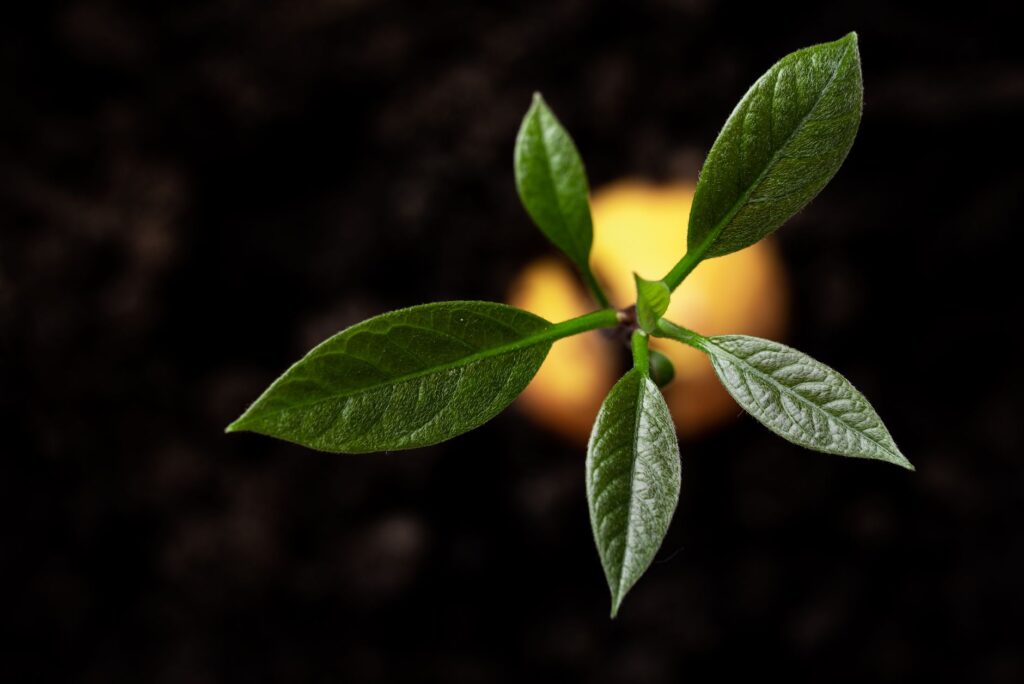
The Achachairu fruit seedling exhibits an upright, moderately fast-growing habit, typically developing a distinctive pyramidal shape. In its native environment, it can reach impressive heights of 6 to 10 meters, though in cultivation, especially in pots or smaller gardens, it tends to be more compact, making it suitable for various garden sizes in India.
Why People Love This Plant
The charm of the Achachairu fruit seedling extends far beyond its delicious fruit. Gardeners and fruit enthusiasts are drawn to this plant for several compelling reasons:
Appearance
The tree itself is quite ornamental, with its dense canopy of glossy, dark green, leathery leaves. These elliptical to oblong leaves provide a lush, tropical aesthetic that enhances any landscape or garden space. When laden with fruit, the tree becomes a spectacular sight.
Flowers
While not overtly showy, the Achachairu produces small, creamy-white flowers that emerge inconspicuously in the leaf axils. These delicate blooms are the precursors to the much-anticipated fruit, signalling the start of a bountiful season.
Foliage
The evergreen nature of its foliage ensures year-round greenery, offering a constant backdrop of vibrant life to your garden. The deep green leaves are not only attractive but also robust, indicating a healthy, well-established plant.
Fragrance
The flowers of the Achachairu are not particularly fragrant. The main aromatic appeal comes from the ripe fruit, which, once opened, releases a subtle, inviting sweet and tangy aroma.
Decorative Value
Beyond its fruit-bearing capabilities, the Achachairu makes an excellent specimen tree. Its structured growth habit and attractive foliage lend themselves well to landscaping, creating a focal point in gardens or adding a touch of exotic elegance to large patios and courtyards, especially in the warmer regions of India.
Growing Requirements
To successfully cultivate an Achachairu fruit seedling in India, understanding its specific growing requirements is crucial. Providing the right conditions from the start will ensure a healthy, productive tree.
Light
Achachairu thrives in full sun, which is essential for abundant fruiting. While it can tolerate partial shade, especially in the intense afternoon sun of some Indian regions, providing at least 6-8 hours of direct sunlight daily is ideal. For young seedlings, a little protection from the harshest midday sun during peak summer might be beneficial.
Water
Consistent moisture is key for this tropical plant. Water your Achachairu fruit seedling regularly, especially during its establishment phase and dry spells. The soil should remain consistently moist but never waterlogged. During the hot Indian summers, you might need to water daily or every other day, while in cooler months, watering frequency can be reduced. Always check the top few inches of soil before watering.
Temperature
Being a tropical plant, Achachairu loves warmth. It thrives in temperatures ranging from 20°C to 35°C, making most of India an ideal climate for its cultivation. It can tolerate brief drops to around 5°C, but is highly sensitive to frost. In regions where winter temperatures fall below 10°C, providing protection or growing it in a container that can be moved indoors is advisable.
Humidity
Achachairu prefers high humidity, typical of its native Amazonian environment. While it generally adapts well, especially in coastal or monsoon-prone areas of India, in drier regions, occasional misting or placing the plant near other plants can help create a more humid microclimate.
Soil
A rich, well-drained soil is paramount for the health of your Achachairu fruit seedling. It prefers a slightly acidic to neutral pH (5.5-7.0). Loamy soil, rich in organic matter, provides the best balance of drainage and moisture retention. Avoid heavy clay soils that can lead to waterlogging.
Potting Mix
If growing in a pot, use a high-quality, well-draining potting mix. A good blend would include coco peat or compost for organic matter, perlite or coarse sand for drainage, and a bit of garden soil. Ensure the pot has ample drainage holes to prevent root rot.
Fertilizer
During the active growing season (spring and summer), feed your Achachairu fruit seedling with a balanced slow-release fertilizer or incorporate organic compost and well-rotted manure into the soil. For fruiting trees, a fertilizer with a slightly higher potassium content can be beneficial. Avoid excessive nitrogen, which can promote leaf growth at the expense of fruit production. Fertilize every 2-3 months during the growing period, reducing or stopping in winter.
How to Care for This Plant
Nurturing an Achachairu fruit seedling involves a few practical steps to ensure its robust growth and eventual fruit production.
- Watering Schedule: Establish a consistent watering routine. Feel the topsoil; if it feels dry to the touch about 2-3 inches deep, it’s time to water. Water thoroughly until it drains from the bottom of the pot (if potted) or deeply into the ground. Reduce watering during the cooler, dormant months.
- Pruning for Shape and Health: Pruning is generally minimal for Achachairu. Focus on removing any dead, diseased, or damaged branches. You can also lightly prune to maintain a desirable shape and to encourage more lateral branching, which can lead to more fruit production. The best time for light pruning is after the fruiting season.
- Pest and Disease Monitoring: Regularly inspect your Achachairu fruit seedling for any signs of pests or diseases. Early detection is key to effective treatment. Keep the area around the tree clean to deter pests.
- Repotting (for potted plants): As your Achachairu fruit seedling grows, it will eventually outgrow its pot. Repot it into a larger container, typically every 2-3 years, using fresh potting mix. Choose a pot that is only one size larger to avoid overwatering issues.
- Mulching: Apply a layer of organic mulch (like wood chips, bark, or compost) around the base of the tree, keeping it a few inches away from the trunk. Mulching helps retain soil moisture, suppresses weeds, and enriches the soil as it breaks down.
- Protection from Extremes: While Achachairu loves warmth, extreme heat waves in India might require some temporary shade for young plants. Conversely, if you live in a region that experiences unseasonal cold snaps, consider covering young trees or moving potted plants indoors.
Common Problems and Solutions
Even with the best care, your Achachairu fruit seedling might encounter some challenges. Here are a few common issues and their solutions:
- Yellow Leaves:
- Cause: Often an indicator of nutrient deficiency (especially iron or magnesium), overwatering, or underwatering.
- Solution: Check soil moisture. If perpetually wet, improve drainage. If dry, water more consistently. Apply a balanced fertilizer or a micronutrient supplement if nutrient deficiency is suspected.
- Pests:
- Cause: Common pests like aphids, mealybugs, or scale insects can infest young shoots and undersides of leaves.
- Solution: Regularly inspect your plant. For minor infestations, wipe them off with a damp cloth or spray with a strong stream of water. For more persistent issues, use neem oil spray or an appropriate organic insecticide.
- Fungal Diseases (e.g., Root Rot):
- Cause: Primarily due to waterlogged soil and poor drainage.
- Solution: Ensure excellent drainage. Repot if in a container with a better draining mix. For ground plants, improve soil structure. Reduce watering frequency.
- Poor Fruiting or Slow Growth:
- Cause: Insufficient sunlight, inadequate nutrition, irregular watering, or the tree is too young (Achachairu can take 3-5 years to fruit from seed).
- Solution: Ensure full sun exposure. Implement a consistent fertilization schedule. Maintain regular watering. Be patient; young trees need time to mature.
- Leaf Drop:
- Cause: Sudden changes in environment (temperature, light), severe underwatering, or overwatering.
- Solution: Identify and rectify the environmental stressor. Ensure consistent care. Gradual acclimatization to new conditions is always best.
Benefits
Beyond the joy of growing, the Achachairu offers several appealing benefits:
- Delicious and Nutritious Fruit: The primary benefit is its highly prized fruit. With a unique sweet-tart flavor, rich in vitamins and antioxidants, it’s a healthy and exotic addition to your diet. Enjoy it fresh, in juices, desserts, or salads.
- Home Decoration: The Achachairu fruit seedling grows into a beautiful evergreen tree, providing lush greenery and a tropical ambiance to your home garden or balcony.
- Balcony Gardening: While it can grow into a large tree, young Achachairu plants can be successfully grown in large containers on balconies or patios for several years, especially in urban Indian settings.
- Landscaping: Its attractive pyramidal shape and glossy foliage make it an excellent choice for ornamental landscaping, adding an exotic touch to any garden design.
Frequently Asked Questions
How long does an Achachairu fruit seedling take to fruit?
From a seedling, an Achachairu tree typically takes about 3 to 5 years to start producing fruit. Grafted trees might fruit earlier. Patience is key with fruit trees, but the waiting period is well worth it for this delicious harvest.
Can Achachairu be grown in a pot in India?
Yes, Achachairu can be successfully grown in large pots or containers in India, especially if you have limited garden space or need to move the plant during extreme weather conditions. Ensure the pot is large enough (minimum 18-24 inches diameter for a mature plant), has good drainage, and use a rich, well-draining potting mix. Regular feeding and watering are essential for potted plants.
What are the common pests of Achachairu in India?
In India, Achachairu can occasionally be susceptible to common garden pests like aphids, mealybugs, and scale insects, particularly on tender new growth. Regular inspection and prompt treatment with organic solutions like neem oil or insecticidal soap are usually effective in managing these pests.
Final Thoughts
Cultivating an Achachairu fruit seedling is a rewarding endeavor that brings a touch of the tropics and a unique culinary delight to your Indian home or garden. By providing the right conditions—ample sunlight, consistent watering, well-drained soil, and thoughtful nutrition—you can look forward to a healthy, vibrant tree that eventually rewards you with its delicious fruits. It’s a journey that connects you with nature and offers the satisfaction of growing your own exotic produce.
As you explore the vast world of plants, remember that Plantrea is the online plant platform from Wynorg, helping plant lovers across India discover quality plants, practical growing advice, and trusted nursery sourcing. We are committed to empowering you with the knowledge and resources to make your green dreams a reality.
Interested in This Plant?
Are you considering adding an Achachairu fruit seedling to your collection, or perhaps you already have one and need some tailored advice? Our Plant Expert chat is here to help! Located at the bottom-right corner of every page, this friendly resource connects you with experienced gardening assistants who can answer all your Achachairu-related queries.
You can use the Plant Expert chat to check whether the Achachairu fruit seedling is currently available and get personalised plant recommendations that are perfect for your specific home or garden conditions. Whether you have questions about its care, maintenance, or need advice on tackling a specific problem, our experts are ready to assist.
Additionally, if for any reason the Achachairu isn’t quite right for your space, or if it’s currently unavailable, our Plant Expert can help you discover suitable alternatives that offer similar benefits or growing challenges, ensuring you find the perfect green companion for your environment.
Image by: Stanislav Kondratiev
https://www.pexels.com/@technobulka