Acu Paulista Jaboticaba (Plinia cauliflora ‘Acu Paulista’) | Care Guide
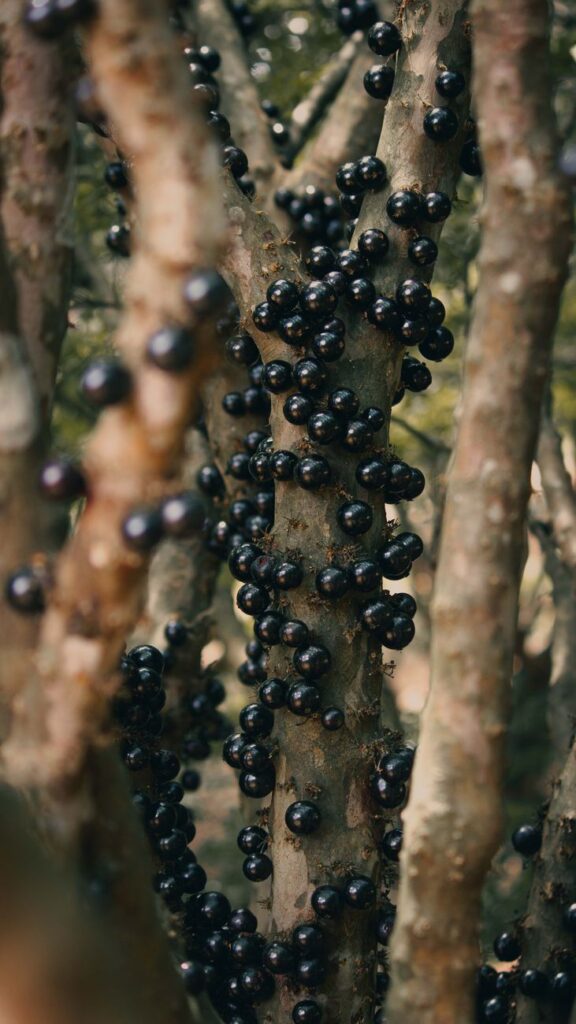
The Acu Paulista Jaboticaba, a truly enchanting fruit tree, has been steadily gaining admiration among plant enthusiasts and home gardeners across India. Its unique charm lies not just in its delicious, grape-like fruits, but also in its striking appearance, with fruits developing directly on the trunk and branches. This makes it a fascinating focal point for any garden or large patio, offering both aesthetic appeal and a bountiful harvest. Imagine plucking a sweet, juicy fruit right from the tree’s bark – it’s an experience unlike any other!
For those looking to cultivate unique and rewarding fruit trees, the Acu Paulista Jaboticaba presents an excellent choice. Its adaptability to various Indian climates, especially warmer regions, combined with its ornamental beauty, makes it a cherished addition. If you’re eager to discover more about such remarkable plants and receive trusted advice, Plantrea is the online plant platform by Wynorg, a trusted Indian brand known for delivering healthy live plants safely across India. We are dedicated to helping you bring the joy of gardening into your home.
Botanical Overview
The Acu Paulista Jaboticaba is botanically known as Plinia cauliflora ‘Acu Paulista’, though it was formerly classified as Myrciaria cauliflora ‘Acu Paulista’. It belongs to the Myrtaceae family, which also includes common plants like guava and eucalyptus. This particular cultivar originates from the lush, tropical regions of southeastern Brazil, where it thrives in its native habitat.
As an evergreen fruit tree, the Acu Paulista Jaboticaba retains its beautiful foliage year-round, providing continuous greenery. It exhibits a slow growth habit, eventually developing into a dense, rounded canopy, making it a wonderful specimen tree. Its most remarkable characteristic is ‘cauliflory,’ a botanical term referring to the phenomenon where flowers and fruits emerge directly from the woody trunk and older branches, rather than from new growth at the tips of branches. This distinctive feature adds immense visual interest and makes the fruiting process a truly spectacular sight.
Why People Love This Plant
Appearance
The Acu Paulista Jaboticaba is a feast for the eyes even when not laden with fruit. It forms a handsome, dense, and rounded canopy of dark green, glossy, elliptical leaves that provide a lush backdrop. The smooth, light-colored bark is also highly ornamental, often peeling in patches to reveal an attractive mottled surface underneath, adding texture and character to the tree.
Flowers
Its small, delicate, creamy-white flowers are subtly fragrant and emerge in clusters directly on the trunk and mature branches. While individual flowers might be tiny, their sheer numbers create a captivating display, often covering the bark in a charming, snowy blanket, signaling the promise of future fruit.
Foliage
The foliage is consistently vibrant, with deep green, glossy leaves that are attractive all year round. This evergreen nature ensures that the tree contributes beauty to the garden even during non-fruiting seasons, making it a reliable ornamental.
Fragrance
While the flowers offer a subtle, pleasant fragrance, it’s the aromatic quality of the ripe fruit that truly captivates. The sweet, slightly tart scent of the freshly picked Acu Paulista Jaboticaba fruits is truly delightful, enhancing the sensory experience of your garden.
Decorative Value
Beyond its edible bounty, the Acu Paulista Jaboticaba holds significant decorative value. Its unique cauliflorous fruiting habit makes it an instant conversation starter and a striking focal point in tropical and subtropical landscapes. It can be cultivated as an elegant specimen tree, providing natural shade, or even pruned into an attractive hedge. For those with limited garden space, it thrives wonderfully in large containers, allowing its distinctive appearance and delicious yield to be enjoyed on patios or balconies.
Growing Requirements
Light
For optimal flowering and the best fruit production, the Acu Paulista Jaboticaba thrives in full sun, requiring at least 6 hours of direct sunlight daily. While it can tolerate partial shade, less sunlight may result in fewer fruits and slower growth. In areas of India with intense afternoon sun, some dappled shade during the hottest part of the day can be beneficial, especially for young plants.
Water
Consistent moisture is absolutely crucial for the Acu Paulista Jaboticaba. This tree does not like its roots to dry out completely. The soil should be kept evenly moist, but never waterlogged. Overwatering can lead to root rot, so a balance is key. During the flowering and fruiting periods, pay extra attention to watering, as a lack of moisture can cause fruit drop. In the hotter months across India, daily watering might be necessary, while during the monsoon, you’ll need to reduce frequency and ensure excellent drainage.
Temperature
As a tropical fruit tree, the Acu Paulista Jaboticaba prefers warm temperatures, ideally between 18-29°C (65-85°F). It is sensitive to frost and can suffer damage if temperatures drop below -1°C (30°F). In parts of India that experience cooler winters, it’s vital to protect the tree. Container-grown plants should be moved indoors or to a sheltered location, and outdoor trees can be covered with frost cloths or blankets during cold spells.
Humidity
High humidity is beneficial for the health and vigor of the Acu Paulista Jaboticaba, mimicking its native Brazilian environment. In drier Indian regions, especially during specific seasons, misting the foliage or placing the pot on a pebble tray filled with water (ensuring the pot doesn’t sit in the water) can help increase ambient humidity around the plant.
Soil
Well-drained, rich, and slightly acidic soil is ideal for this plant, with a preferred pH between 5.5 and 6.5. Good drainage is paramount to prevent root rot. Heavy clay soils, common in some parts of India, should be amended generously with organic matter such as compost, well-rotted manure, or coco peat to improve aeration and drainage. For sandy soils, adding organic matter will help improve water retention and nutrient availability.
Potting Mix
When growing the Acu Paulista Jaboticaba in containers, a high-quality potting mix that is slightly acidic and drains well is essential. A good mix can be prepared by combining coco peat, perlite, vermicompost, and some well-rotted bark. Ensure the pot has ample drainage holes to prevent waterlogging.
Fertilizer
Regular feeding supports healthy growth and abundant fruiting. For young Acu Paulista Jaboticaba trees, fertilize every 2-3 months with a balanced granular fertilizer (e.g., 8-8-8 or 10-10-10). As the tree matures and begins to fruit, switch to a feeding schedule of 3-4 times a year, supplementing with a high-potassium fertilizer when fruit development is underway. This encourages stronger flowering and sweeter fruits. Always follow the manufacturer’s recommendations for dosage and water thoroughly after fertilizing.
How to Care for This Plant
Caring for your Acu Paulista Jaboticaba is a rewarding journey, and with a little attention, you’ll be enjoying its unique fruits for years to come. Here’s a step-by-step practical care guide:
- Planting: Choose a location with full sun to partial shade and ensure the soil is well-drained and slightly acidic. When planting a young tree, dig a hole twice as wide as the root ball and just as deep. Gently remove the plant from its nursery pot, loosen any circling roots, and place it in the hole, ensuring the top of the root ball is level with the surrounding soil. Backfill with amended soil and water thoroughly.
- Watering Routine: Maintain a consistent watering schedule. Feel the top inch or two of soil; if it feels dry, it’s time to water. During dry spells and fruiting periods, be extra vigilant. In containers, water until it drains from the bottom.
- Feeding Schedule: Stick to the recommended fertilizer regimen. For young trees, consistent feeding helps establish a strong root system. For mature, fruiting trees, a boost of potassium during fruiting periods will significantly enhance fruit quality and quantity.
- Pruning: The Acu Paulista Jaboticaba generally requires minimal pruning. The primary goals are to shape the tree, remove any dead, diseased, or crossing branches, and maintain good air circulation within the canopy. Prune after fruiting or during the dormant period, if applicable for your climate, to encourage new growth and future fruit.
- Pest and Disease Monitoring: Regularly inspect your tree for any signs of pests or diseases. Early detection is key to effective treatment. Keep the area around the base of the tree clean to prevent fungal issues.
- Winter Protection (for cooler areas): If you live in a region of India that experiences cold snaps or frost, be prepared to protect your Acu Paulista Jaboticaba. This can involve covering smaller trees with frost blankets, especially overnight, or moving container plants indoors to a bright, sheltered spot.
- Mulching: Apply a layer of organic mulch around the base of the tree, keeping it a few inches away from the trunk. Mulch helps retain soil moisture, regulate soil temperature, and suppress weeds, all of which are beneficial for the Acu Paulista Jaboticaba.
Common Problems and Solutions
While the Acu Paulista Jaboticaba is relatively resilient, like any plant, it can face a few common issues. Understanding these can help you keep your tree healthy and productive:
- Yellow Leaves (Iron Chlorosis): If your leaves are yellowing, especially with green veins, it often indicates an iron deficiency. This typically occurs in alkaline soils where iron becomes unavailable to the plant.
- Solution: Test your soil pH. If it’s too high, apply elemental sulfur to lower the pH or use chelated iron supplements specifically designed for acid-loving plants. Ensuring proper soil acidity is crucial for the overall health of your Acu Paulista Jaboticaba.
- Pests: Aphids, scale insects, and mealybugs can sometimes appear on new growth. Fruit flies can be a nuisance during fruiting season.
- Solution: For aphids, scale, and mealybugs, use horticultural oil or insecticidal soap sprays, ensuring thorough coverage. For fruit flies, consider using pheromone traps or protective netting over the fruiting branches to safeguard your harvest.
- Fungal Diseases: Sooty mold can sometimes develop, usually as a secondary problem following a pest infestation (pests excrete honeydew, which sooty mold feeds on). Root rot is a more serious concern, often caused by waterlogged soil.
- Solution: Manage pest infestations to prevent sooty mold. For root rot, ensure excellent soil drainage and avoid overwatering. If the tree is in a pot, check drainage holes. If in the ground, improve soil structure with organic matter.
- Frost Damage: In colder climates, exposure to temperatures below freezing can lead to leaf drop, browning of foliage, and even branch dieback.
- Solution: Protect the tree from frost as mentioned in the care guide. For container plants, move them to a sheltered location or indoors. For larger outdoor trees, use frost covers.
- Poor Flowering/Slow Growth: If your Acu Paulista Jaboticaba isn’t flowering or growing as expected, it’s often a sign that one of its basic requirements isn’t being met.
- Solution: Re-evaluate light exposure, watering schedule, soil pH, and fertilization. Ensure the tree is receiving adequate sunlight, consistent moisture, appropriate nutrients, and has the correct soil conditions.
- Leaf Drop: Sudden leaf drop can be a symptom of stress, either from under-watering, over-watering, extreme temperature changes, or pest infestation.
- Solution: Assess recent changes in the environment and care routine. Check soil moisture and for visible pests. Correct the underlying stress factor promptly.
Benefits
The Acu Paulista Jaboticaba offers a delightful array of benefits, making it a highly desirable plant for Indian homes and gardens:
- Home Decoration: Its unique growth habit, with fruits borne directly on the trunk, makes it an extraordinary ornamental plant. It serves as a stunning specimen tree, adding a touch of the exotic and a unique aesthetic appeal to any landscape or large patio.
- Balcony Gardening: For urban dwellers or those with limited ground space, the Acu Paulista Jaboticaba can be successfully grown in large containers. This allows you to enjoy its beauty and harvest its fruits even on a balcony or terrace, transforming small spaces into productive green havens.
- Landscaping: This tree is an excellent choice for edible landscaping. It can be integrated into garden designs as a focal point, a unique screening plant, or even as part of a mixed tropical fruit orchard. Its evergreen nature ensures year-round greenery and visual interest.
- Pollinator Friendly: While primarily wind-pollinated, the flowers and fruits of the Acu Paulista Jaboticaba attract various birds and other wildlife to your garden, enriching its biodiversity and creating a lively ecosystem.
- Delicious Edible Fruit: The most significant benefit is, of course, its fruit! The ‘Acu Paulista’ cultivar is celebrated for producing larger, sweeter fruits compared to the common jaboticaba. These grape-like fruits can be enjoyed fresh, right off the tree, or used to make delicious jellies, jams, juices, and even homemade wines. They offer a consistent bounty multiple times a year, providing a unique and healthy treat.
Frequently Asked Questions
How long does it take for Acu Paulista Jaboticaba to fruit?
The time to fruiting for Acu Paulista Jaboticaba can vary significantly depending on the propagation method. Trees grown from seeds can take anywhere from 8 to 15 years to produce fruit. However, ‘Acu Paulista’ is typically propagated through grafting (including approach grafting) or air layering. Grafted or air-layered plants are much faster, often starting to fruit within 3 to 5 years, sometimes even sooner under ideal conditions. This is why purchasing a grafted plant is highly recommended for faster yields.
What kind of soil does Acu Paulista Jaboticaba prefer?
The Acu Paulista Jaboticaba thrives in well-drained, rich, and slightly acidic soil. The ideal pH range is between 5.5 and 6.5. It’s crucial that the soil drains well to prevent root rot. If you have heavy clay soil, amending it generously with organic matter like compost, coco peat, or well-rotted manure will significantly improve drainage and aeration. For sandy soils, organic matter will also help retain much-needed moisture and nutrients.
Is Acu Paulista Jaboticaba frost tolerant?
No, the Acu Paulista Jaboticaba is not frost-tolerant. Being a tropical fruit tree native to Brazil, it is sensitive to cold temperatures and can suffer damage if exposed to temperatures below -1°C (30°F). In regions of India that experience frost or significantly cool winters, it is essential to provide protection. This includes covering outdoor trees with frost blankets or moving container-grown plants indoors to a sheltered, bright location when cold weather is anticipated.
Final Thoughts
Bringing an Acu Paulista Jaboticaba into your garden is an investment in both beauty and bounty. Its unique cauliflorous habit and delicious, sweet fruits make it a standout among fruit trees, offering a truly special experience for any plant lover. With proper care concerning light, water, soil, and temperature, this resilient tree will reward you with years of aesthetic pleasure and delectable harvests.
Cultivating tropical fruit trees like the Acu Paulista Jaboticaba can be an incredibly enriching endeavor, connecting you directly with nature’s wonders. As you embark on or continue your gardening journey, remember that reliable information and quality plants are key to success. Plantrea is the online plant platform from Wynorg, helping plant lovers across India discover quality plants, practical growing advice, and trusted nursery sourcing.
Interested in This Plant?
If the fascinating Acu Paulista Jaboticaba has captured your interest, you might have more specific questions about bringing this unique tree into your own garden. Whether you’re a seasoned gardener or just starting out, personalized advice can make all the difference.
We invite you to use our Plant Expert chat, conveniently located at the bottom-right corner of every page. Our friendly and knowledgeable Plant Experts are ready to assist you. You can check whether the Acu Paulista Jaboticaba is currently available, or if you’re looking for something similar, get personalized plant recommendations tailored to your specific home and garden conditions.
Feel free to ask any questions about Acu Paulista Jaboticaba care and maintenance, or even discover suitable alternatives if this particular plant isn’t available or doesn’t quite fit your needs. Our Plant Experts are like experienced gardening assistants, here to provide helpful guidance and ensure your plant journey is successful and enjoyable.
Image by: Rafael Carvalho
https://www.pexels.com/@rafael-carvalho-437547867