ZZ Plant – Virtually Indestructible Low Light Plant | Wynorg Nursery
The ZZ Plant, with its striking glossy, dark green foliage, has quickly become a beloved fixture in Indian homes and offices. Known for its remarkable resilience and elegant appearance, it’s a plant that thrives on neglect, making it the perfect companion for both seasoned plant enthusiasts and absolute beginners. Its ability to tolerate low light conditions and infrequent watering means you can enjoy its beauty even in the busiest of schedules or the shadiest corners of your home. It’s no wonder the ZZ Plant, or Zamioculcas zamiifolia, is celebrated for bringing a touch of nature’s serenity without demanding much in return.
At Plantrea, the online plant platform by Wynorg, a trusted Indian brand known for delivering healthy live plants safely across India, we understand the joy a thriving plant brings to your space. The ZZ Plant embodies this joy, offering a virtually indestructible option for those looking to green up their interiors. Whether you’re decorating a bustling office, a cozy apartment, or simply looking for an easy-care addition to your collection, this plant is an excellent choice that promises lush greenery with minimal fuss.
Botanical Overview
The ZZ Plant, scientifically known as Zamioculcas zamiifolia, is a fascinating member of the Araceae family, which also includes other popular houseplants like peace lilies and philodendrons. Its lineage traces back to the dry grasslands and forests of Eastern Africa, particularly regions like Kenya, Tanzania, and Zanzibar. This origin story is key to understanding its incredible drought tolerance and resilience.
As a perennial plant, the ZZ Plant lives for more than two years, often much longer, rewarding you with its presence for years on end. It’s categorized as a tuberous rhizomatous plant, meaning it grows from thick, potato-like underground structures called rhizomes. These rhizomes act as natural water storage units, which is precisely why the ZZ Plant can go for weeks without water – a true gift for the forgetful waterer. Its growth habit is upright, with sturdy, slightly succulent stems emerging directly from the soil, forming an attractive, V-shaped bush that reaches a moderate height of 2-3 feet when mature.
Why People Love This Plant
There’s a multitude of reasons why the ZZ Plant has captured the hearts of plant lovers across India. Its unique characteristics make it an ideal choice for diverse living and working spaces.
Appearance
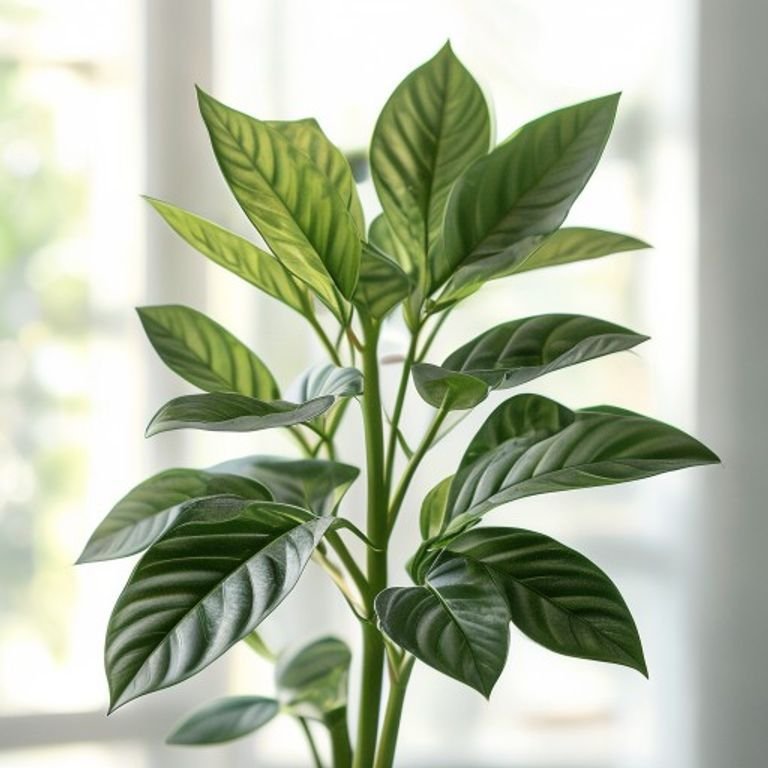
The most striking feature of the ZZ Plant is its foliage. It boasts glossy, dark green, oval-shaped leaves that are arranged symmetrically along thick, upright stems, creating a distinctive feather-like appearance. This rich, almost lacquered green provides a sophisticated touch to any interior design, from minimalist modern to traditional Indian aesthetics. The leaves are naturally shiny, giving the plant a perpetually polished look that doesn’t fade.
Flowers
While the ZZ Plant can produce flowers, they are extremely rare indoors and not what the plant is grown for. When they do appear, they are small, yellowish-brown, spathe-like blooms that emerge near the base of the plant. They are inconspicuous and blend in with the foliage, offering no significant decorative value. Enthusiasts primarily cherish the ZZ Plant for its stunning leaves rather than its floral display.
Foliage
The foliage is undeniably the star of the show. The succulent-like texture of the leaves and stems allows the plant to store water efficiently, contributing to its low-maintenance reputation. Each leaflet is thick and fleshy, reflecting light beautifully, making the ZZ Plant an excellent choice for brightening up a dimly lit corner. Its evergreen nature ensures a consistent display of vibrant green throughout the year, adding life and freshness to your environment.
Fragrance
The ZZ Plant is not known for any fragrance. It’s a scent-free plant, which is often preferred by individuals with allergies or those who prefer their indoor spaces to remain neutral in aroma.
Decorative Value
With its architectural form and vibrant green leaves, the ZZ Plant offers immense decorative value. It’s an ideal office plant, adding a touch of nature to professional settings without requiring constant attention. For homes, it fits perfectly into contemporary decor, providing a stylish focal point. Its upright growth habit means it doesn’t take up much horizontal space, making it perfect for smaller rooms, shelves, or as a floor plant in a cozy nook. The sheer elegance of the ZZ Plant makes it a versatile decorative element for any interior.
Growing Requirements
Understanding the basic growing requirements of your ZZ Plant is the first step to ensuring its long-term health and beauty. Thankfully, this plant is incredibly forgiving.
Light
One of the ZZ Plant’s most celebrated attributes is its ability to thrive in low light conditions, earning it the reputation of a low light plant champion. It can easily tolerate fluorescent light, making it an ideal choice for offices or rooms with minimal natural light. While it can survive in very dim areas, for optimal growth and a slightly faster pace, placing it in a spot with indirect bright light is beneficial. Direct, intense sunlight should be avoided, especially in the harsh Indian climate, as it can scorch the glossy leaves and cause them to yellow.
Water
This is where the ZZ Plant truly shines as a plant for the forgetful waterer. Due to its water-storing rhizomes, it prefers to be on the drier side. The golden rule for watering a ZZ Plant is to allow the soil to dry out completely between waterings. In Indian conditions, this typically means watering every 3-4 weeks, or even less frequently during the cooler, drier months. Overwatering is the single biggest threat to this plant, often leading to root rot. When in doubt, it’s always better to underwater than overwater.
Temperature
The ZZ Plant is quite adaptable to typical indoor temperatures found in Indian homes. It thrives in average room temperatures ranging from 18°C to 35°C. It’s important to protect it from extreme cold drafts or sudden temperature fluctuations, which can stress the plant. Generally, if you’re comfortable, your ZZ Plant is likely comfortable too.
Humidity
Given its origins in drier climates, the ZZ Plant is not fussy about humidity. It tolerates average household humidity levels perfectly well and doesn’t require any special misting or humidity trays. This makes it an easy-care option for diverse climatic zones across India.
Soil
The right soil is crucial for preventing the most common problem: root rot. The ZZ Plant absolutely requires well-drained soil. A standard good quality potting mix designed for indoor plants is usually sufficient, provided it drains efficiently.
Potting Mix
For an optimal potting mix, consider using a blend that ensures excellent drainage. A cactus or succulent potting mix is an excellent choice. Alternatively, you can amend a regular indoor potting mix with perlite, coarse sand, or small gravel to improve aeration and drainage. Aim for a mix that doesn’t retain too much moisture, allowing the plant’s rhizomes to breathe and preventing waterlogging.
Fertilizer
The ZZ Plant is not a heavy feeder. It can go for long periods without any fertilizer and still look fantastic. If you choose to fertilize, do so sparingly during the active growing season (spring and summer). Use a balanced liquid fertilizer diluted to half or even quarter strength, once or twice a year. Over-fertilizing can lead to nutrient burn and is more detrimental than not fertilizing at all for this hardy plant.
How to Care for This Plant
Caring for a ZZ Plant is refreshingly simple, making it an excellent plant for beginners. Here’s a practical, step-by-step guide to keep your Zamioculcas thriving.
- Watering Wisely: The most important care instruction for your ZZ Plant is to water it correctly. Always check the soil moisture before watering. Stick your finger about 2-3 inches deep into the soil. If it feels completely dry, then it’s time to water. Pour water slowly until it drains out of the bottom of the pot. Ensure the pot has drainage holes to prevent water from accumulating. In the monsoon or winter months, reduce watering frequency even further.
- Light Placement: Place your ZZ Plant in a location where it receives low to moderate indirect light. A north-facing window, an office desk away from a direct window, or a corner of a well-lit room are all suitable spots. While it tolerates very low light, a bit more indirect light will encourage healthier, slightly faster growth. Protect it from direct afternoon sun, which can scorch its leaves.
- Cleaning the Leaves: The glossy leaves of the ZZ Plant can accumulate dust, especially in Indian households. Periodically wipe the leaves gently with a damp cloth to remove dust. This not only keeps the plant looking vibrant and shiny but also allows for better photosynthesis.
- Repotting: ZZ Plants prefer to be a bit root-bound and do not require frequent repotting. You’ll generally only need to repot every 2-3 years, or when you notice roots growing out of the drainage holes or the pot starting to bulge. When repotting, choose a pot that is only one size larger than the current one to avoid over-potting, which can lead to excessive moisture in the soil.
- Pruning: Pruning is rarely necessary for the ZZ Plant, but you can do it for aesthetic purposes or to remove any yellowing or damaged stems. Use clean, sharp shears to make cuts at the base of the stem. Be aware that the sap can be irritating, so it’s advisable to wear gloves.
- Propagation: Propagating a ZZ Plant is possible, though it requires patience as it’s a slow process. You can propagate from leaf cuttings, stem cuttings, or by dividing the rhizomes during repotting. For leaf or stem cuttings, allow the cut end to callus over for a few days before planting in a well-draining potting mix. Keep the soil slightly moist, and be prepared for several months before new growth appears.
- Seasonal Care: In India, the ZZ Plant generally thrives year-round indoors. During the warmer, growing months (spring and summer), you might notice slightly more active growth. During the cooler, drier months, its growth slows down, and it will require even less water.
Common Problems and Solutions
While the ZZ Plant is remarkably resilient, it can encounter a few issues, most of which are easily preventable or rectifiable.
- Yellow Leaves:
- Cause: Most commonly, yellow leaves are a sign of overwatering. It can also be caused by too much direct sunlight or, less frequently, by natural aging of the oldest leaves.
- Solution: Check your watering schedule. Ensure the soil dries out completely between waterings. If in direct sun, move the plant to a shadier spot. If only a few bottom leaves are yellowing, it might just be natural aging; remove them.
- Pests:
- Cause: ZZ Plants are highly resistant to pests, but occasionally, mealybugs or spider mites might appear, especially if the plant is stressed or kept in very dry, stagnant air.
- Solution: Regularly inspect your plant. If you spot pests, gently wipe them off with a cotton swab dipped in rubbing alcohol or use a neem oil solution. Isolate the affected plant to prevent spread.
- Fungal Diseases:
- Cause: The primary fungal disease concern for ZZ Plants is root rot, almost always caused by excessive watering and poorly draining soil.
- Solution: Prevention is key. Ensure excellent drainage and allow the soil to dry out completely. If root rot is severe, you may need to repot the plant, trimming away any mushy, discolored roots and using fresh, well-draining soil.
- Root Rot:
- Cause: As mentioned, root rot is the most common and serious issue, stemming from consistently wet soil. The rhizomes, which are designed to store water, will rot if submerged in water for too long.
- Solution: Immediately stop watering. If severe, gently remove the plant from its pot, inspect the roots. Cut away any soft, black, or foul-smelling parts with sterilized scissors. Let the healthy roots air dry for a day or two, then repot in fresh, well-draining soil. Adjust your watering habits going forward.
- Slow Growth:
- Cause: ZZ Plants are naturally slow growers, particularly in low light conditions. This is completely normal and not usually a sign of a problem.
- Solution: Embrace its steady pace! If you desire slightly faster growth, ensure it receives bright, indirect light and consider a light feeding during the growing season, but never expect rapid growth from this Zamioculcas.
- Leaf Drop:
- Cause: This can be a sign of extreme stress, either from severe overwatering (leading to root rot) or extreme underwatering (though less common for this drought-tolerant plant). Sudden environmental changes can also trigger it.
- Solution: Assess your watering routine. If the soil is waterlogged, address root rot. If it’s bone dry for too long, give it a good soak. Ensure the plant is in a stable environment without drastic temperature shifts.
Benefits
Beyond its striking appearance and easy-care nature, the ZZ Plant offers several tangible benefits that make it an exceptional choice for any indoor space.
- Home Decoration: With its sleek, upright growth and glossy dark green leaves, the ZZ Plant instantly elevates the aesthetic of any room. It adds a sophisticated, contemporary touch, perfectly complementing modern interiors and bringing a vibrant pop of green to traditional Indian decor.
- Air Purification: The ZZ Plant has been recognized for its ability to filter common indoor air toxins, including xylene, toluene, and benzene. While not as powerful as some other air-purifying plants, it does contribute to a healthier indoor environment, making it a valuable addition to your living spaces.
- Extremely Drought Tolerant: This is arguably its most celebrated benefit. Thanks to its water-storing rhizomes, the ZZ Plant can endure long periods without water, forgiving even the most neglectful gardeners. This makes it ideal for busy individuals, frequent travelers, or those who simply forget to water.
- Low Light Champion: Few plants can rival the ZZ Plant’s ability to thrive in dimly lit environments. It’s a perfect solution for those challenging dark corners, offices without natural light, or rooms where other plants simply wouldn’t survive. It brings life to spaces that would otherwise remain bare.
- Glossy Attractive Leaves: The naturally shiny and rich green foliage is a constant source of beauty. Its leaves look perpetually polished, requiring only an occasional wipe down to maintain their luster, ensuring your space always looks fresh and well-maintained.
Frequently Asked Questions
How often should I water my ZZ Plant?
You should water your ZZ Plant every 3-4 weeks, or when the soil is completely dry. Always err on the side of underwatering rather than overwatering, as the plant stores water in its rhizomes and is highly susceptible to root rot.
Does a ZZ Plant need sunlight?
The ZZ Plant is a low light plant and does not need direct sunlight. It thrives in low to moderate indirect light and can even tolerate fluorescent light, making it an excellent office plant. Direct sun can scorch its leaves.
Why is it called ZZ?
The common name “ZZ Plant” is simply a shortened, easier-to-pronounce version of its botanical name, Zamioculcas zamiifolia. It’s a common practice to use nicknames for plants with complex scientific names.
Final Thoughts
The ZZ Plant truly stands out as an indoor plant that offers beauty with minimal effort. Its resilience, striking appearance, and ability to thrive in less-than-ideal conditions make it a perfect choice for anyone looking to add some green to their Indian home or office. From beginners to experienced plant parents, the ZZ Plant’s forgiving nature ensures a rewarding experience.
By understanding its simple needs – particularly its preference for less water and lower light – you can ensure your ZZ Plant flourishes for many years, adding elegance and a touch of nature’s calm to your daily life. Plantrea is the online plant platform from Wynorg, helping plant lovers across India discover quality plants, practical growing advice, and trusted nursery sourcing. We hope this guide empowers you to confidently care for your wonderful Zamioculcas.
Interested in This Plant?
If the resilient charm of the ZZ Plant has captured your interest, we encourage you to connect with our Plant Expert chat, conveniently located at the bottom-right corner of every page on Plantrea. Our expert is here to help you with all your plant-related queries and needs.
Through the Plant Expert chat, you can easily check whether the beautiful ZZ Plant is currently available for purchase and delivery to your location. You can also receive personalised plant recommendations tailored to your home’s light conditions and your gardening experience, ensuring you find the perfect plant companion. Should you have any more questions about the care and maintenance of your ZZ Plant, our expert is ready with practical advice.
Furthermore, if by chance the ZZ Plant is not currently in stock or you’re curious about other low-maintenance options, our Plant Expert can help you discover suitable alternatives that offer similar benefits and stunning aesthetics. Think of the Plant Expert as your personal gardening assistant, dedicated to helping you cultivate a thriving green space.
Want to buy this plant? Visit https://plantrea.com/shop-2/