Hibiscus Plant Care Guide: Grow Vibrant Gudhal Flowers in Your Indian Garden
The Hibiscus, affectionately known as Gudhal in India, is a beloved flowering shrub that graces countless Indian homes and gardens with its spectacular, vibrant blooms. Its large, trumpet-shaped flowers, available in a dazzling array of colours from fiery red to soft pink, sunny yellow, and pure white, instantly add a touch of tropical elegance and cheer. For generations, the Gudhal has been more than just a decorative plant; it holds cultural significance, often used in religious offerings and traditional remedies, making it a truly integral part of Indian horticulture. Its easy-to-care-for nature and continuous flowering in our warm climate make it a favourite among both novice and seasoned gardeners alike. If you’re looking to add a splash of colour and charm to your green space, the Hibiscus is an undeniable choice.
At Plantrea, the online plant platform by Wynorg, a trusted Indian brand known for delivering healthy live plants safely across India, we understand the joy and satisfaction that comes from nurturing beautiful plants. This comprehensive guide will walk you through everything you need to know to grow and care for your Hibiscus plant, ensuring it thrives and produces a continuous display of stunning flowers.
Botanical Overview
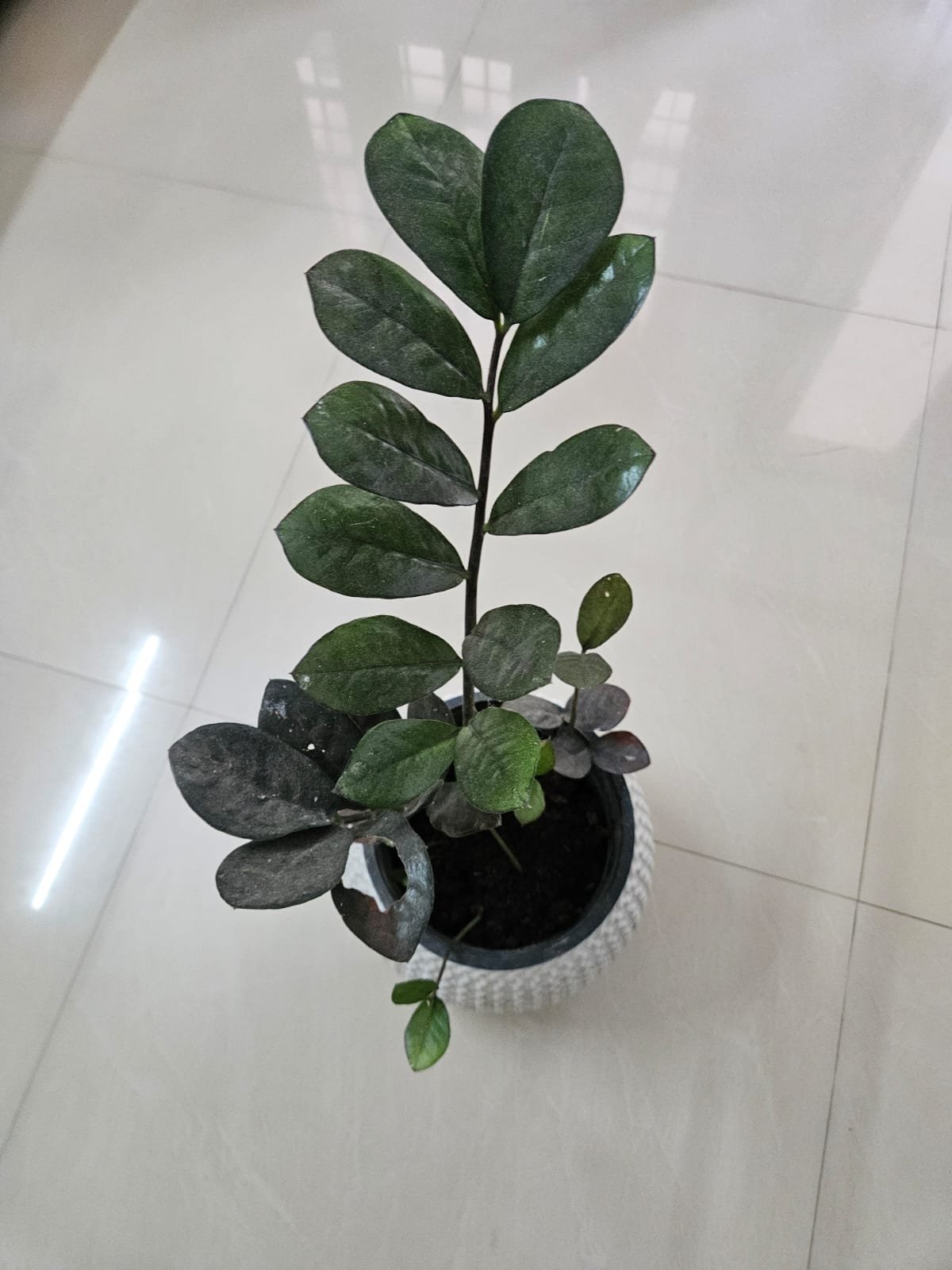
The botanical world knows our cherished Gudhal as Hibiscus rosa-sinensis. It belongs to the Malvaceae family, which also includes cotton and okra, highlighting its rich botanical lineage. Native to East Asia, particularly China, this species has travelled across continents to become a quintessential part of tropical and subtropical landscapes worldwide, flourishing particularly well in India’s diverse climate. The Hibiscus is a woody, evergreen perennial shrub, meaning it retains its foliage year-round and can live for many years with proper care.
It typically exhibits an upright and bushy growth habit, developing into a medium-sized shrub. While many varieties are grown as individual specimen plants, they can also be pruned and trained into beautiful hedges or grown in large containers on patios and balconies, showcasing their versatility in various gardening settings.
Why People Love This Plant
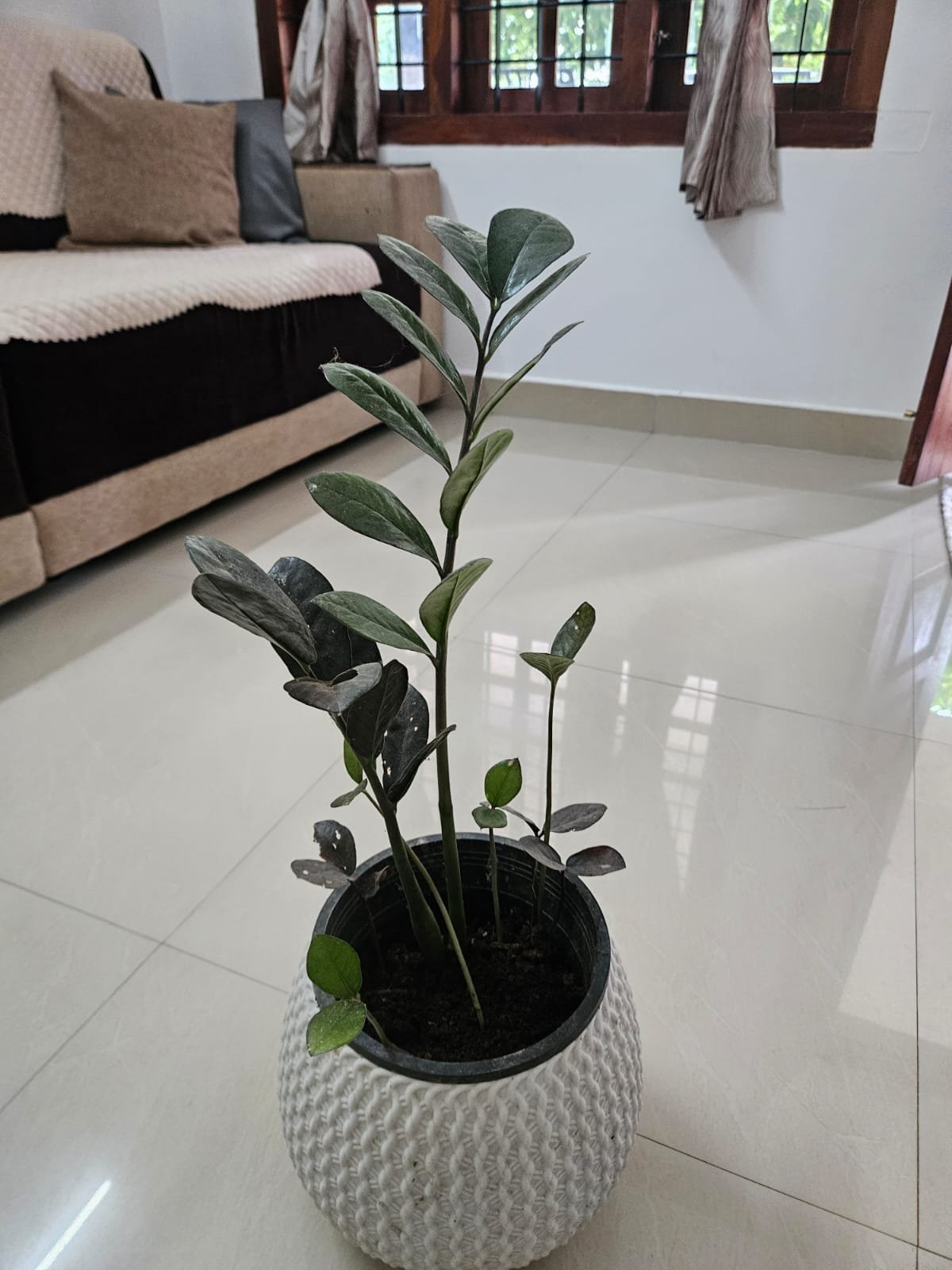
The widespread adoration for the Hibiscus plant stems from several captivating features:
Appearance
The sheer aesthetic appeal of the Hibiscus is undeniable. Its lush green foliage provides a perfect backdrop for the star of the show – its magnificent flowers. These blooms are often large, sometimes up to 6-8 inches across, and can be single or double-petaled, adding layers of visual interest.
Flowers
Hibiscus flowers are truly spectacular. They come in an astonishing palette of colours, including classic reds, vibrant pinks, sunny yellows, pure whites, soft oranges, and even captivating multi-coloured varieties. Each flower typically lasts for a day or two, but a healthy Hibiscus plant continuously produces new buds, ensuring a prolonged season of vibrant colour. This constant renewal of blooms is a significant reason for its popularity, as your garden or balcony can enjoy its beauty for months on end, especially during India’s long warm periods.
Foliage
The leaves of the Hibiscus plant are typically glossy, dark green, and oval-shaped with serrated edges. This healthy, vibrant foliage not only enhances the beauty of the flowers but also contributes to the plant’s overall lush appearance, making it an attractive addition even when not in full bloom.
Fragrance
While most modern Hibiscus varieties are not known for a strong fragrance, some cultivars might offer a very mild, pleasant scent. However, the plant is primarily admired for its visual impact rather than its aromatic qualities.
Decorative Value
Whether used as a standalone specimen, part of a mixed border, or as a vibrant hedge, the Hibiscus plant offers immense decorative value. Its striking flowers can brighten up any garden space, patio, or balcony. Potted Hibiscus plants are also excellent for adding a tropical touch to entryways or outdoor seating areas, creating an inviting and lively atmosphere.
Growing Requirements
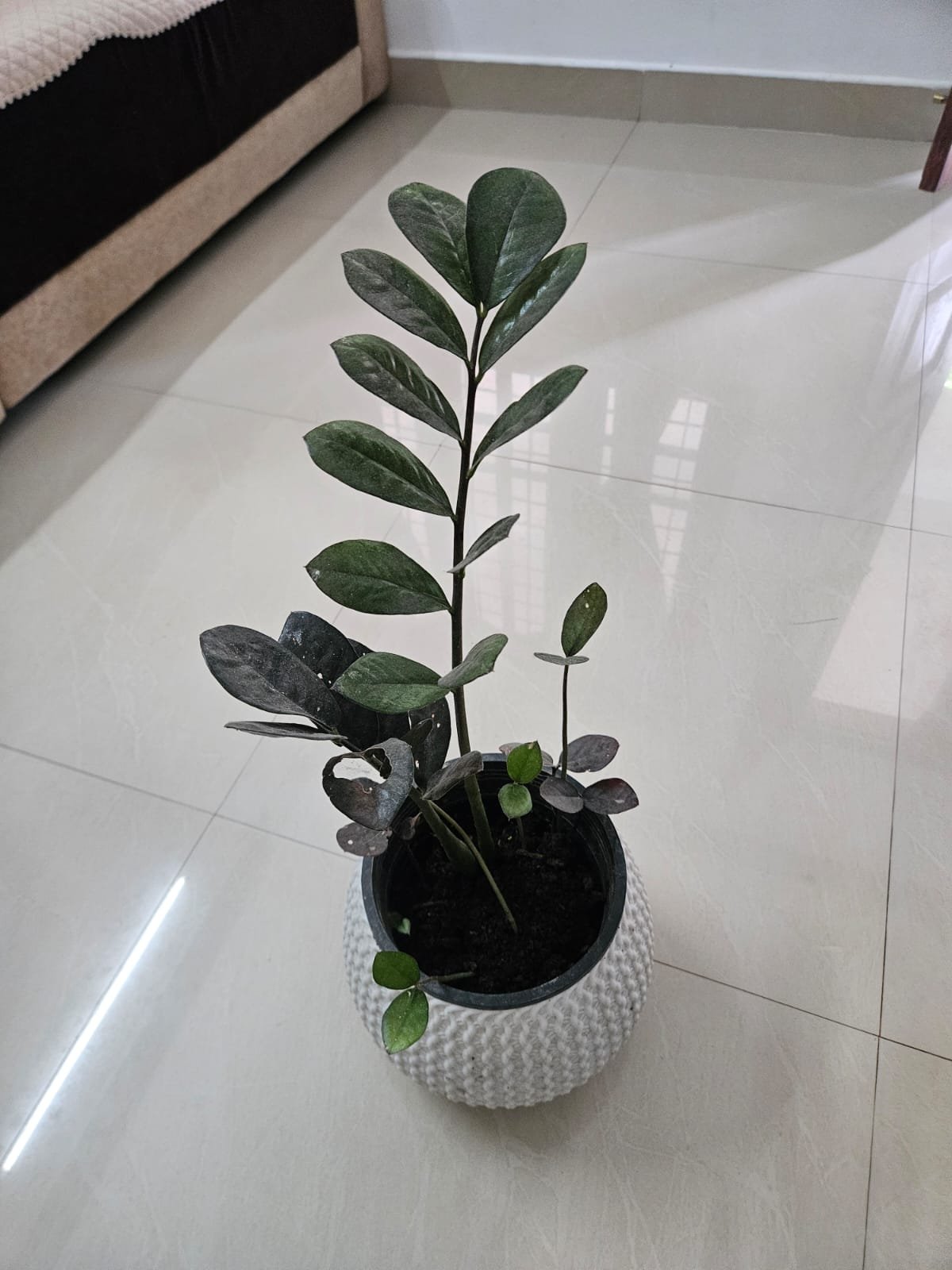
Understanding the specific needs of your Hibiscus plant is crucial for its health and abundant flowering. Here’s a detailed look at its growing requirements:
Light
Hibiscus plants are sun-lovers. They thrive in full sun, meaning they need at least 6-8 hours of direct sunlight per day to produce a profusion of flowers. In scorching Indian summers, especially in regions with intense midday sun, a location that provides some afternoon shade can prevent leaf scorch and keep the plant hydrated. If growing indoors, place your Hibiscus in the brightest spot available, ideally near a south-facing window.
Water
Consistent watering is key for a healthy Hibiscus plant. The soil should be kept consistently moist but never waterlogged. During the hot Indian summer months, you may need to water daily, especially for potted plants, as they dry out faster. Reduce watering frequency in cooler months. Always check the top inch or two of soil before watering; if it feels dry, it’s time to water thoroughly until it drains from the bottom of the pot.
Temperature
Being a tropical plant, Hibiscus thrives in warm temperatures, ideally between 20°C to 35°C. They do not tolerate frost and can be damaged by temperatures below 10°C. In areas that experience cooler winters, it’s advisable to move potted Hibiscus indoors or provide protective covering for outdoor plants.
Humidity
Hibiscus plants appreciate high humidity, mimicking their native tropical environment. In dry climates or during dry spells, misting the foliage regularly can be beneficial. For indoor plants, placing them near a humidifier or on a pebble tray filled with water can help increase ambient humidity around the plant.
Soil
A well-draining, fertile soil mix is ideal for the Hibiscus plant. It prefers slightly acidic to neutral soil, with a pH between 6.0 and 7.0. Heavy clay soils that retain too much water should be avoided as they can lead to root rot. Good garden soil enriched with organic matter works wonderfully for outdoor planting.
Potting Mix
For potted Hibiscus plants, a high-quality potting mix specifically formulated for flowering plants or a general-purpose potting mix amended with some compost and perlite for better drainage is recommended. Ensure the pot has adequate drainage holes to prevent waterlogging.
Fertilizer
Hibiscus are heavy feeders, especially during their active growing and flowering season (typically spring through autumn in India). Use a balanced liquid fertilizer with a higher potassium content (e.g., NPK 10-10-15 or 5-10-10) every 2-4 weeks. Alternatively, slow-release granular fertilizers can be applied every 2-3 months. Reduce or stop fertilizing during the cooler, dormant period. Over-fertilizing can lead to lush foliage but fewer flowers, so always follow product instructions.
How to Care for This Plant
Nurturing a healthy Hibiscus plant is a rewarding experience. Here’s a step-by-step practical care guide:
- Water Regularly: As mentioned, maintain consistent soil moisture, especially during warm weather. Reduce frequency when temperatures drop.
- Provide Ample Sunlight: Choose a sunny spot in your garden or a bright, south-facing window indoors.
- Pruning for Health and Blooms: Pruning is essential for encouraging a bushy growth habit and more flowers. The best time to prune your Hibiscus plant is in late winter or early spring before new growth begins. Remove dead, diseased, or crossing branches. You can also lightly prune after a flush of blooms to encourage more branching. Pinching back stem tips on young plants helps create a bushier form.
- Repotting: For potted Hibiscus, repotting every 1-2 years into a slightly larger pot with fresh potting mix can rejuvenate the plant. Do this in spring.
- Pest and Disease Monitoring: Regularly inspect your Hibiscus for any signs of pests or diseases. Early detection makes treatment easier.
- Deadheading: While not strictly necessary for continuous blooming, removing spent flowers (deadheading) can make your plant look tidier and may redirect the plant’s energy towards producing new blooms rather than forming seeds.
- Seasonal Care: In regions with mild winters, Hibiscus can remain outdoors. In colder areas, bring potted plants indoors before the first frost. Protect outdoor plants from cold winds and extreme temperature drops. In summer, ensure adequate water and consider some afternoon shade during peak heat.
Common Problems and Solutions
Even with the best care, your Hibiscus plant might encounter a few issues. Here are some common problems and their solutions:
- Yellow Leaves:
- Cause: Overwatering (most common), underwatering, nutrient deficiency (especially iron or nitrogen), or cold temperatures.
- Solution: Check soil moisture before watering. Ensure good drainage. Fertilize with a balanced feed. Protect from cold.
- Pests:
- Cause: Aphids, mealybugs, whiteflies, spider mites are common Hibiscus pests.
- Solution: Regularly inspect leaves (especially undersides). For mild infestations, spray with a strong jet of water or wipe with a cotton swab dipped in rubbing alcohol. For heavier infestations, use neem oil spray or an insecticidal soap, following product instructions.
- Fungal Diseases (e.g., Leaf Spots):
- Cause: High humidity and poor air circulation.
- Solution: Improve air circulation by proper spacing and pruning. Remove affected leaves. Apply a fungicidal spray if necessary.
- Root Rot:
- Cause: Primarily overwatering and poorly draining soil.
- Solution: Ensure excellent drainage. Allow the top soil to dry out between waterings. If severe, repot with fresh, well-draining soil after trimming any mushy roots.
- Poor Flowering/Bud Drop:
- Cause: Insufficient sunlight, lack of fertilizer (especially potassium), extreme temperature fluctuations, pest infestation, or inconsistent watering.
- Solution: Ensure at least 6-8 hours of direct sun. Fertilize with a high-potassium formula. Maintain consistent watering. Check for pests. Protect from sudden environmental changes.
- Slow Growth:
- Cause: Lack of nutrients, insufficient light, or being pot-bound.
- Solution: Fertilize regularly during growing season. Ensure adequate sunlight. Repot into a larger container if the plant has outgrown its current pot.
Benefits
Beyond its striking beauty, the Hibiscus plant offers several advantages that make it a cherished addition to any garden or home:
- Home Decoration: With its vibrant flowers, a potted Hibiscus can instantly elevate the aesthetics of any indoor space, balcony, or patio, adding a touch of exotic charm.
- Balcony Gardening: The compact nature of many Hibiscus varieties makes them perfectly suited for container gardening on balconies, allowing urban dwellers to enjoy its beauty.
- Landscaping: In larger gardens, Hibiscus can be used as beautiful specimen plants, part of mixed borders, or pruned into colourful hedges that provide privacy and visual interest.
- Pollinator Friendly: The large, open flowers of the Hibiscus are a magnet for pollinators like butterflies, bees, and hummingbirds, contributing to the biodiversity of your garden ecosystem. This makes your garden a more lively and healthy space.
Frequently Asked Questions
How much sunlight does a Hibiscus plant need?
For abundant blooms, a Hibiscus plant needs at least 6-8 hours of direct sunlight per day. In very hot Indian regions, some afternoon shade can be beneficial to protect the leaves from scorching. If growing indoors, place it in the brightest possible spot, ideally a south-facing window.
Why are my Hibiscus buds dropping before they open?
Bud drop is a common issue and can be caused by several factors: inconsistent watering (either too much or too little), sudden temperature changes, insufficient sunlight, nutrient deficiencies (especially phosphorus or potassium), or a pest infestation. Ensure consistent watering, proper sunlight, and regular feeding, and inspect for pests.
When is the best time to prune a Hibiscus plant?
The best time to perform major pruning on your Hibiscus plant is in late winter or early spring, just before the new growth cycle begins. This allows the plant to put its energy into new, vigorous shoots that will produce flowers. Light pruning to shape the plant and remove spent flowers can be done throughout the growing season.
Final Thoughts
Bringing a Hibiscus plant into your home or garden is an invitation to enjoy vibrant colours and a touch of tropical beauty. With a little attention to its basic needs—plenty of sunshine, consistent watering, and thoughtful feeding—your Gudhal will reward you with a spectacular display of flowers almost year-round. It’s a plant that connects us to nature’s simple yet profound joys, enriching our living spaces and inviting pollinators to our green havens. Caring for your Hibiscus plant is a journey of learning and observation, making your gardening experience all the more fulfilling.
Remember, Plantrea is the online plant platform from Wynorg, helping plant lovers across India discover quality plants, practical growing advice, and trusted nursery sourcing. We are committed to supporting your gardening passion every step of the way.
Interested in This Plant?
If the vibrant beauty of the Hibiscus plant has captured your heart and you’re considering adding one to your collection, our Plant Expert chat is here to assist you! Available at the bottom-right corner of every Plantrea page, it’s like having a seasoned gardener right at your fingertips.
You can use the Plant Expert to quickly check if the specific Hibiscus variety you’re looking for is currently available, or perhaps get personalised plant recommendations that would thrive in your home or garden conditions. Don’t hesitate to ask any lingering questions about Hibiscus plant care and maintenance—our experts are ready to share their knowledge. If by chance the exact Hibiscus plant you desire isn’t available, the Plant Expert can also help you discover suitable alternatives that offer similar beauty and charm.
Want to buy this plant? Visit https://plantrea.com/shop-2/