Vinca – Sadabahar – Year-Round Blooming Perennial | Wynorg Nursery
There are few sights as comforting and cheerful in an Indian garden or balcony as the humble Vinca, lovingly known as Sadabahar. This delightful plant, whose name literally translates to “always blooming,” truly lives up to its moniker, gracing our surroundings with vibrant flowers almost year-round. Its resilience and beauty make it a beloved choice for both seasoned gardeners and absolute beginners across the country.
Whether you’re looking to add a splash of colour to your landscape, a sunny balcony, or even a humble pot by your doorstep, the Vinca plant offers an abundance of charm with minimal fuss. Here at Plantrea, the online plant platform by Wynorg, a trusted Indian brand known for delivering healthy live plants safely across India, we understand the joy these plants bring and are dedicated to helping you grow them successfully.
Botanical Overview
The beautiful Vinca we cherish is scientifically known as Catharanthus roseus. It belongs to the Apocynaceae family, a group that includes many ornamental flowering plants. Native to Madagascar, this robust species has found a second home in tropical and subtropical regions worldwide, thriving particularly well in India’s warm climate.
It is a true evergreen perennial, meaning it lives for more than two years and retains its foliage throughout the seasons. The Vinca exhibits an upright growth habit, typically reaching a modest height of 1 to 2 feet, making it suitable for various garden settings without becoming unruly. Its persistent flowering makes it a standout choice for continuous colour.
Why People Love This Plant
The widespread adoration for Vinca, or Sadabahar, stems from a combination of its undeniable beauty, ease of care, and enduring nature. It’s a plant that consistently delivers joy and colour, making it a garden staple.
Appearance
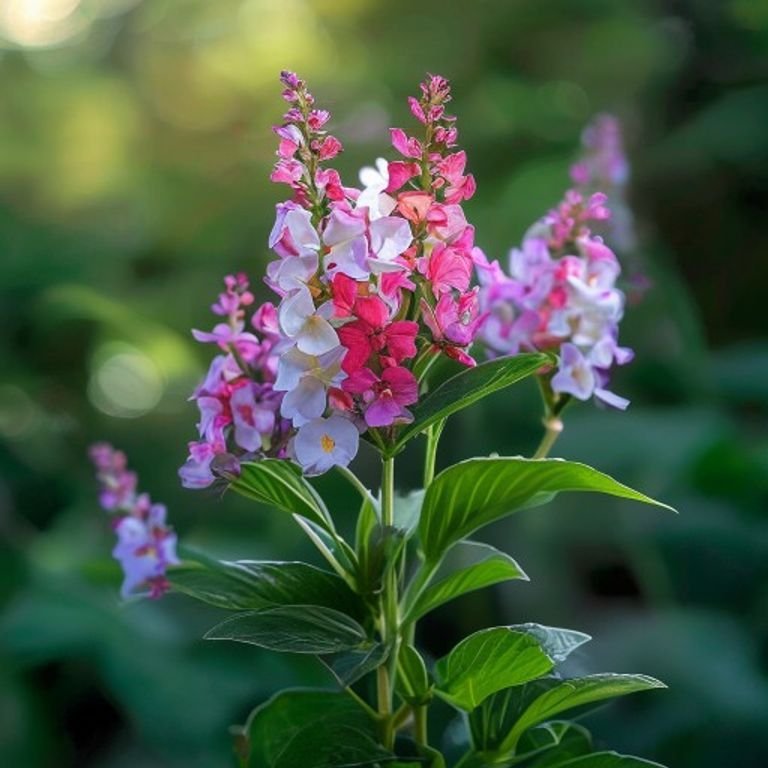
The visual appeal of the Vinca plant is immediate and captivating. Its vibrant, five-petaled flowers bloom in a delightful array of colours, including shades of pink, pristine white, fiery red, and rich purple. Many varieties also feature a contrasting eye in the centre, adding another layer of charm to each bloom. These cheerful flowers stand out against a backdrop of glossy, dark green leaves, creating a lush and attractive display.
Flowers
One of the most compelling reasons to love this plant is its incredible flowering season. As its Hindi name ‘Sadabahar’ suggests, the Vinca produces flowers almost year-round in the Indian climate, providing a continuous burst of colour even during warmer months when many other plants might struggle. This constant bloom ensures your garden always looks lively and inviting.
Foliage
The foliage of the Vinca is as appealing as its flowers. Its leaves are typically oblong or oval, arranged in opposite pairs along the stems. They possess a rich, dark green hue and a slightly leathery, glossy texture that remains evergreen, ensuring the plant looks healthy and vibrant even when not in full bloom.
Fragrance
While the Vinca is adored for its visual beauty, it does not produce a noticeable fragrance. Its charm lies purely in its vibrant colours and prolific blooms, making it an excellent choice for those who prefer unscented flowers or have allergies.
Decorative Value
The decorative value of the Vinca is immense. Its compact size and continuous flowering make it incredibly versatile. It’s ideal for roadside gardens, where its drought tolerance and low maintenance needs shine. It’s also perfect for beginners, providing a rewarding gardening experience without much effort. For those looking for low maintenance plant options, Vinca is a perennial flower superstar that brings vibrant colour to pots, borders, rock gardens, and mass plantings.
Growing Requirements
Cultivating a thriving Vinca plant is remarkably straightforward, thanks to its robust nature. Understanding its basic needs will ensure a continuous display of its beautiful flowers.
Light
Vinca plants absolutely thrive in full sun. For the best flowering performance in India, aim for at least 6-8 hours of direct sunlight per day. While they can tolerate partial shade, too little sun will result in fewer flowers and leggy growth. In extremely harsh afternoon sun during peak summer, a little filtered light might be beneficial in certain regions, but generally, full sun is key.
Water
This is where the Vinca truly shines as a low maintenance plant. It is extremely drought tolerant once established. Overwatering is the most common killer of Vinca plants. Allow the soil to dry out completely between waterings. In pots, check the top inch or two of soil; if it feels dry, it’s time to water. Reduce watering significantly during the cooler, rainy months. When watering, do so thoroughly until water drains from the bottom of the pot, then allow it to dry out again.
Temperature
Vinca loves warm temperatures and thrives in the Indian climate. It is sensitive to frost, which is generally not an issue in most parts of India. Ideal temperatures range from 20°C to 35°C. It can tolerate even higher temperatures, making it perfect for our hot summers.
Humidity
While Vinca plants appreciate moderate humidity, they are quite adaptable and tolerate a wide range of humidity levels. They generally do not suffer in high humidity as long as there is good air circulation to prevent fungal issues, especially when grown outdoors.
Soil
The beauty of Vinca is its adaptability. It tolerates a variety of soil types, even poor soil, as long as it is well-draining. Compacted or heavy clay soils that retain too much moisture are problematic. A slightly acidic to neutral soil pH (6.0 to 7.0) is ideal.
Potting Mix
For container-grown Vinca, use a well-draining potting mix. A standard potting mix amended with some perlite or sand will ensure excellent drainage. Avoid mixes that are too heavy or retain excessive moisture, as this can quickly lead to root rot.
Fertilizer
Vinca plants are not heavy feeders. In good soil, they may not require much fertilization at all. If your plant seems to be struggling or you want to encourage more blooms, you can apply a balanced, liquid fertilizer (e.g., 10-10-10 or 20-20-20) diluted to half strength, once every 4-6 weeks during the active growing and flowering season. Avoid high-nitrogen fertilizers, which will promote foliage growth at the expense of flowers.
How to Care for This Plant
Caring for your Vinca plant is a rewarding experience, as its low maintenance needs mean you get a lot of beauty for minimal effort. Here’s a practical guide to keep your Sadabahar blooming:
- Watering Wisely: As mentioned, the most crucial care aspect is avoiding overwatering. Always check the soil moisture before watering. Let the top inch or two of soil dry out completely. When you do water, water deeply until you see water drain from the bottom of the pot.
- Sunlight is Essential: Ensure your Vinca receives ample sunlight. Place it in a spot where it gets at least 6-8 hours of direct sun daily. Less sun will result in sparse flowering and leggy growth.
- Pruning for Bushiness: While not strictly necessary, light pruning can help your Vinca maintain a bushier, more compact form and encourage more branching. Pinch back the tips of young plants to promote fuller growth. You can also give it a more significant trim in late winter or early spring before new growth begins, especially if it has become leggy.
- Deadheading for More Blooms: The FAQ section indicates deadheading isn’t strictly necessary, but it certainly helps! Removing spent flowers (deadheading) prevents the plant from putting energy into seed production and redirects it into producing more blooms. While Vinca is a prolific bloomer naturally, this simple task can enhance its appearance and flowering quantity.
- Managing Pests and Diseases: Keep an eye out for common problems like aphids. Regular inspection helps catch issues early. Ensure good air circulation around the plant to prevent fungal diseases, especially in humid conditions.
- Seasonal Care: In most parts of India, Vinca thrives year-round. During the peak summer months, ensure consistent watering (still allowing drying out between waterings) to help it cope with intense heat. During the monsoon, be extra vigilant about drainage to prevent root rot.
- Propagation: Vinca is easy to propagate. You can collect seeds from dried flower pods, or take stem cuttings. For cuttings, simply snip a 4-6 inch piece of stem, remove the lower leaves, and plant it in moist, well-draining soil. They root fairly easily.
Common Problems and Solutions
Even the toughest plants can face a few issues. Here are some common problems you might encounter with your Vinca and how to address them:
- Yellow Leaves: This is often a sign of overwatering, leading to root rot. Check your watering schedule and ensure the soil dries out between waterings. Yellow leaves can also indicate a nutrient deficiency; a balanced liquid fertilizer can help.
- Pests: Aphids are the most common pests for Vinca. You might see small green or black insects clustered on new growth or under leaves.
- Solution: Spray with a strong stream of water to dislodge them, or use a neem oil solution. For severe infestations, insecticidal soap can be effective.
- Fungal Diseases (e.g., Root Rot): The primary cause of root rot is consistently wet, poorly draining soil.
- Solution: The best prevention is proper watering and well-draining soil. If your plant is affected, you might need to repot it into fresh, dry soil after trimming away any rotten roots. Ensure good air circulation.
- Poor Flowering: If your Vinca isn’t blooming as profusely as it should, the most likely culprit is insufficient sunlight.
- Solution: Move the plant to a location where it receives at least 6-8 hours of direct sun daily. Over-fertilizing with high-nitrogen fertilizers can also reduce blooms, so ensure you’re using a balanced fertilizer if needed.
- Slow Growth: This could be due to a lack of sufficient sunlight or very poor soil quality.
- Solution: Ensure adequate sunlight. If the soil is very poor, consider amending it with compost or repotting with fresh, nutrient-rich, well-draining potting mix.
- Leaf Drop: Sudden leaf drop can be a sign of severe stress, either from extreme underwatering or, more commonly, from overwatering and root issues.
- Solution: Assess your watering habits. If the soil is waterlogged, address the root rot. If it’s bone dry, give it a good, thorough watering.
Benefits
Beyond its aesthetic appeal and ease of care, the Vinca plant offers several advantages that make it a truly beneficial addition to any garden or home.
Home Decoration
With its constant splash of colour, Vinca is an excellent choice for home decoration. Potted Vinca plants can brighten up windowsills, verandas, or entranceways. Their vibrant flowers can complement any decor style, adding a touch of natural beauty and cheer.
Balcony Gardening
For urban dwellers, balcony gardening is a popular way to connect with nature. Vinca plants are perfectly suited for this, thriving in pots and containers. Their upright growth habit and continuous blooms ensure a lively and colourful balcony display, even in compact spaces.
Landscaping
In larger gardens, Vinca is a fantastic choice for mass plantings, creating striking beds of colour. It’s also ideal for borders, rock gardens, and ground cover in sunny areas where its drought tolerance and low maintenance needs are particularly valuable. Its ability to tolerate various soil conditions makes it a robust choice for public and roadside gardens.
Pollinator Friendly
While Vinca may not be the primary magnet for all pollinators, its open, brightly coloured flowers can certainly attract bees and butterflies, contributing to the biodiversity of your garden ecosystem. Supporting pollinators is vital for the health of our environment, and adding flowering plants like Vinca helps achieve this.
Medicinal Value
The Vinca plant, particularly *Catharanthus roseus*, has a long history of traditional medicinal use. It contains compounds, notably vincristine and vinblastine, which have been extensively studied and are used in modern medicine, particularly in the treatment of certain cancers. Traditionally, it has been used in various cultures, including India, for conditions like diabetes due to its blood sugar-lowering properties. However, it is crucial to remember that medicinal use should *always* be under the guidance of a qualified medical practitioner. Do not self-medicate with this plant, as it contains potent alkaloids.
Frequently Asked Questions
Why is it called Sadabahar?
The name ‘Sadabahar’ is Hindi for ‘always blooming’ or ‘evergreen’. This name perfectly describes the Vinca plant, as it produces its cheerful flowers almost year-round in the warm climate of India, offering continuous beauty and colour.
Does it need deadheading?
While Vinca plants are prolific bloomers and don’t strictly *need* deadheading to keep flowering, removing the spent blossoms (deadheading) can certainly improve the plant’s overall appearance. It also encourages the plant to put its energy into producing more flowers rather than developing seeds, which can lead to a more abundant and prolonged bloom.
Is it medicinal?
Yes, the Vinca plant (*Catharanthus roseus*) has significant medicinal properties. It is a source of powerful alkaloids like vincristine and vinblastine, which are used in chemotherapy. Traditionally, it has also been used in folk medicine, particularly in India, for its purported benefits in managing diabetes. However, it is extremely important to consult a qualified doctor before considering any medicinal use of this plant, as it is potent and can be toxic if not used correctly.
Final Thoughts
The Vinca, or Sadabahar, is truly a gift to Indian gardens – a perennial flower that offers continuous beauty with remarkably little effort. Its resilience, vibrant colours, and adaptability make it an ideal choice for anyone looking to add long-lasting charm to their outdoor spaces, from sprawling landscapes to cosy balconies. Embracing the Sadabahar means choosing a plant that promises enduring cheer and a rewarding gardening experience.
We hope this guide empowers you to grow and cherish this wonderful plant. Plantrea is the online plant platform from Wynorg, helping plant lovers across India discover quality plants, practical growing advice, and trusted nursery sourcing. We are committed to fostering a love for plants and ensuring you have all the knowledge you need to succeed in your green endeavours.
Interested in This Plant?
Are you considering adding the vibrant Vinca, or Sadabahar, to your home or garden? We understand that every plant enthusiast has unique questions and needs. That’s why we invite you to connect with our Plant Expert chat, conveniently located at the bottom-right corner of every page on Plantrea.
Our experienced gardening assistant can help you check whether this beautiful perennial flower is currently available for delivery in your area. You can also get personalised plant recommendations tailored to your specific home environment or garden conditions, ensuring you choose the perfect plants to thrive.
Have more questions about Vinca care and maintenance, or perhaps encountered a specific issue? Our Plant Expert is here to provide practical, trustworthy advice. If, for any reason, Vinca isn’t quite right for you, or if it’s temporarily out of stock, they can even help you discover suitable alternative low maintenance plant options that offer similar beauty and benefits. Let us help you cultivate your green dreams!
Want to buy this plant? Visit https://plantrea.com/shop-2/