Thechi Pink: A Vibrant Jewel for Every Indian Garden
Thechi Pink, with its captivating clusters of bright pink flowers, is a beloved sight in Indian homes and gardens. This cheerful shrub brings a burst of tropical charm, making it a popular choice for everything from formal hedges to informal balcony pots. Its resilience and striking beauty have cemented its place as a staple in landscapes across the country, brightening spaces with minimal fuss.
For many, Thechi Pink evokes memories of lush temple gardens and vibrant streetscapes. Its continuous blooming habit, especially during the warmer months, ensures a splash of color almost year-round in tropical climates. If you’re looking to add this delightful plant to your collection, Plantrea is the online plant platform by Wynorg, a trusted Indian brand known for delivering healthy live plants safely across India, ensuring your gardening journey starts on the right foot.
Botanical Overview
The plant commonly known as Thechi Pink in India belongs to the genus Ixora, and the specific variety is often Ixora coccinea ‘Pink’ or a similar pink-flowered cultivar. Let’s delve into its botanical specifics:
- Botanical Name: Ixora coccinea ‘Pink’ (or similar pink cultivar)
- Plant Family: Rubiaceae. This family is quite large and diverse, including well-known plants like coffee (Coffea arabica) and gardenias (Gardenia jasminoides).
- Origin: While many cultivars exist today, the parent species, Ixora coccinea, is native to tropical and subtropical regions of Asia, including India and Sri Lanka.
- Plant Type: It is an evergreen shrub. This means it retains its foliage throughout the year, providing continuous greenery even when not in bloom.
- Growth Habit: Thechi Pink typically exhibits a dense, bushy growth habit. It can grow upright and compact, making it excellent for shaping and hedging. Without pruning, it can become quite spreading.
Why People Love This Plant
Thechi Pink holds a special place in the hearts of Indian gardeners for numerous reasons, combining aesthetic appeal with relative ease of care.
- Appearance: Its overall appearance is one of lushness and vibrancy. The dense, glossy foliage provides a perfect backdrop for the spectacular floral displays.
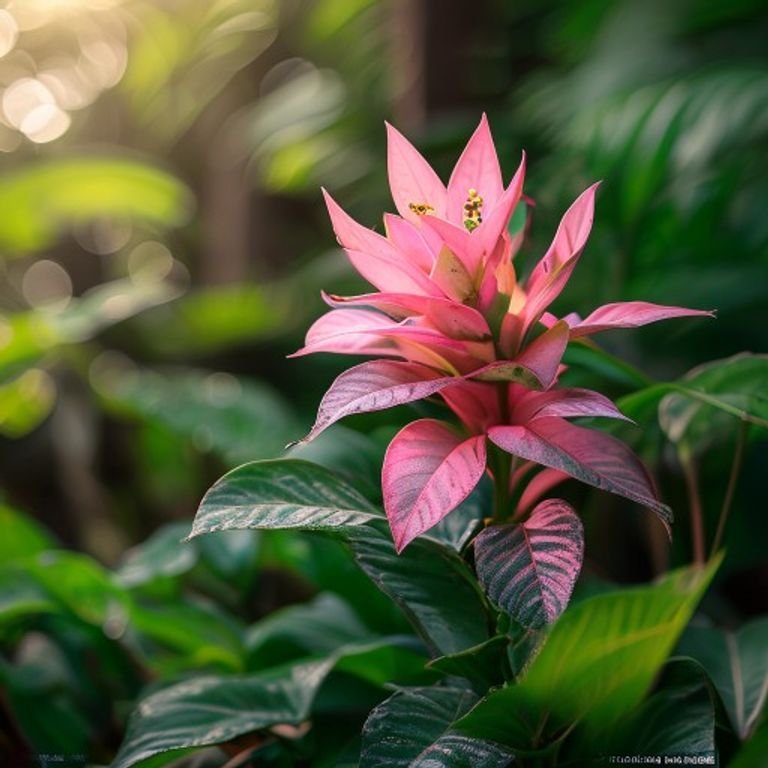
- Flowers: The most striking feature of Thechi Pink is undoubtedly its flowers. These are small, tubular, and clustered together in dense, rounded corymbs (flower heads). The vibrant pink color is eye-catching and can range from soft pastel pinks to deeper, more intense fuchsias depending on the specific cultivar. These flower clusters can cover the entire bush, creating a breathtaking visual impact. They are also long-lasting, providing continuous color for weeks.
- Foliage: The leaves are a rich, dark green, oval-shaped, and have a somewhat leathery texture. They are typically arranged in opposite pairs along the stems. The glossy sheen of the foliage adds to the plant’s ornamental value, providing an attractive backdrop even when the plant is not in full bloom.
- Fragrance: While beautiful, Thechi Pink is generally not known for its strong fragrance. Its appeal lies primarily in its visual splendor.
- Decorative Value: This plant is incredibly versatile for decoration. It’s widely used in landscaping for creating vibrant hedges, borders, or as a striking specimen plant. Its compact size and continuous blooms make it perfect for container gardening on balconies, patios, and near entrances. In traditional Indian gardens, it often adorns temple premises and public parks, adding a touch of traditional elegance.
Growing Requirements
To help your Thechi Pink thrive and produce those gorgeous blooms, understanding its basic growing requirements is key. These plants generally prefer tropical and subtropical conditions, making them well-suited to much of India.
- Light: Thechi Pink loves sunlight! For the best flowering performance, aim for at least 5-6 hours of direct sunlight per day. It can tolerate partial shade, especially in regions with intense afternoon sun, but flowering may be less prolific. In shadier conditions, the plant will grow, but its bloom production will significantly decrease.
- Water: Consistent moisture is crucial for Thechi Pink, especially during its active growing and flowering seasons. The soil should be kept consistently moist but never waterlogged. Allow the top inch of soil to dry out slightly before watering again. During hot, dry periods, you might need to water daily. Reduce watering slightly in cooler months. Overwatering can lead to root rot, so good drainage is essential.
- Temperature: As a tropical plant, Thechi Pink thrives in warm temperatures, ideally between 20°C to 30°C. It is sensitive to frost and cold temperatures below 10°C can cause significant damage or even kill the plant. In regions experiencing cooler winters, consider moving potted plants indoors or providing frost protection.
- Humidity: Thechi Pink appreciates high humidity, reflecting its tropical origins. In very dry climates, occasional misting can be beneficial, especially for potted plants. However, in most parts of India, natural humidity levels are often sufficient.
- Soil: This plant prefers well-draining, slightly acidic soil with a pH between 5.5 and 6.5. Good drainage is paramount to prevent root rot. Heavy clay soils should be amended with organic matter like compost, sand, or perlite to improve drainage and aeration.
- Potting Mix: For potted Thechi Pink, a high-quality potting mix designed for acid-loving plants or a general-purpose mix amended with coco peat, perlite, and compost will work well. Ensure the pot has adequate drainage holes.
- Fertilizer: Thechi Pink is a moderate feeder. During the active growing and flowering season (spring through monsoon), feed it with a balanced liquid fertilizer every 2-4 weeks, or use a slow-release granular fertilizer every 3-4 months. Look for fertilizers that are suitable for acid-loving plants. A fertilizer with a slightly higher phosphorus content can encourage more blooms. Reduce or stop fertilizing during the cooler, less active periods.
How to Care for This Plant
Caring for your Thechi Pink isn’t overly complicated, but a consistent approach will ensure a healthy, blooming specimen. Here’s a practical guide:
- Watering Schedule: Check the soil moisture regularly. Stick your finger about an inch or two into the soil; if it feels dry, it’s time to water. Water thoroughly until you see water draining from the bottom of the pot (for potted plants) or the soil around the plant is evenly moist. In hot Indian summers, this might mean daily watering, while in cooler seasons, once or twice a week could suffice.
- Pruning for Shape and Blooms: Regular pruning is beneficial for Thechi Pink.
- Deadheading: Remove spent flower clusters as soon as they fade. This encourages the plant to produce more blooms instead of putting energy into seed production.
- Shaping: Prune to maintain a desired size and shape. You can trim back leggy stems to encourage bushier growth. The best time for major pruning is after a major flush of blooms or at the end of the flowering season, typically before the new growth spurt begins.
- Light Pruning: Throughout the year, you can lightly trim for neatness and to remove any unhealthy branches.
- Pest and Disease Management: Keep an eye out for common pests. Early detection makes treatment easier. Ensure good air circulation around the plant, especially in humid conditions, to deter fungal issues.
- Repotting (for Potted Plants): Thechi Pink generally likes to be slightly root-bound. Repot only when necessary, usually every 1-2 years, into a pot one size larger. The best time to repot is in spring.
- Seasonal Care:
- Summer: Ensure adequate watering to combat heat. Provide some afternoon shade if the sun is extremely harsh. Continue regular feeding.
- Monsoon: Ensure excellent drainage to prevent waterlogging. Reduce supplemental watering if rainfall is heavy. Keep an eye out for fungal issues due to increased humidity.
- Winter: In colder regions, protect plants from frost. Reduce watering as growth slows down. Hold off on heavy fertilization until spring.
Common Problems and Solutions
Even with the best care, Thechi Pink might encounter a few issues. Here are some common problems and their practical solutions:
- Yellow Leaves:
- Cause: Often indicates overwatering, poor drainage, or a lack of nutrients, especially iron (known as chlorosis, common in alkaline soils).
- Solution: Ensure proper drainage and adjust watering frequency. If soil is alkaline, amend with acidic compost or use an iron supplement specifically designed for acid-loving plants.
- Pests:
- Common Pests: Aphids, mealybugs, and scale insects can sometimes infest Thechi Pink.
- Solution: Inspect your plant regularly. For light infestations, spray with a strong jet of water or use neem oil spray. For heavier infestations, apply an insecticidal soap or a mild organic pesticide.
- Fungal Diseases:
- Cause: High humidity combined with poor air circulation, or persistent wet foliage. Root rot is a common fungal issue caused by overwatering.
- Solution: Ensure good air circulation by proper spacing and pruning. Avoid overhead watering late in the day. For root rot, improve drainage and let the soil dry out. If severe, repotting into fresh, well-draining soil may be necessary after trimming affected roots.
- Poor Flowering:
- Cause: Insufficient sunlight is the most common reason. Other causes include lack of nutrients, improper pruning (cutting off flower buds), or stress.
- Solution: Move the plant to a location with more direct sunlight (at least 5-6 hours). Ensure it’s getting enough phosphorus in its fertilizer. Prune carefully, avoiding cutting off new buds before they can flower.
- Slow Growth:
- Cause: Can be due to inadequate light, nutrient deficiency, poor soil conditions (too compact or lacking organic matter), or incorrect watering.
- Solution: Address light, water, and soil issues. Ensure regular fertilization during the growing season. Improve soil by adding compost.
- Leaf Drop:
- Cause: Often a sign of stress, such as sudden changes in temperature, extreme underwatering, or overwatering.
- Solution: Identify the stressor and correct it. Maintain consistent watering and stable environmental conditions.
Benefits
Beyond its striking appearance, Thechi Pink offers several practical benefits for gardeners and homeowners alike:
- Home Decoration: Its vibrant pink blooms make it an excellent choice for adding a splash of color to any home interior when potted, or to brighten up outdoor living spaces.
- Balcony Gardening: Due to its manageable size and bushy growth, Thechi Pink is perfectly suited for container gardening on balconies, patios, and terraces, bringing tropical beauty to urban dwellings.
- Landscaping: It is widely used in landscape design for creating stunning hedges, borders, mass plantings, or as an accent plant. Its dense foliage and continuous flowering make it a valuable addition to any garden bed.
- Pollinator Friendly: The bright, nectar-rich flowers of Thechi Pink are attractive to various pollinators, especially butterflies and sometimes hummingbirds, adding life and movement to your garden ecosystem.
Frequently Asked Questions
How much sunlight does Thechi Pink need for abundant flowering?
For truly abundant flowering, Thechi Pink requires at least 5-6 hours of direct sunlight per day. While it can tolerate some partial shade, particularly in very hot climates where it might appreciate afternoon protection, consistent direct sun is crucial for maximum bloom production. Less light will result in fewer and smaller flower clusters.
Why are the leaves of my Thechi Pink turning yellow?
Yellowing leaves on Thechi Pink can be caused by several factors. The most common reasons include overwatering (leading to root rot), insufficient nutrients (especially iron deficiency in alkaline soils, known as chlorosis), or sometimes even extreme underwatering. Check your watering schedule, ensure good drainage, and consider testing your soil pH. If the soil is alkaline, an iron supplement or acidic fertilizer can help.
How often should I fertilize Thechi Pink?
During its active growing and flowering seasons (typically spring through monsoon in India), you should fertilize Thechi Pink every 2 to 4 weeks with a balanced liquid fertilizer. Alternatively, a slow-release granular fertilizer can be applied every 3 to 4 months. Always follow the product instructions. Reduce or stop fertilizing during the cooler, dormant months.
Final Thoughts
Thechi Pink is more than just a beautiful flowering shrub; it’s a symbol of vibrancy and resilience that can transform any garden or balcony into a tropical paradise. With its brilliant pink blooms and lush foliage, it offers continuous joy and a touch of the exotic, making it an ideal choice for both seasoned gardeners and beginners across India.
Embracing the charm of Thechi Pink in your garden is a rewarding experience, and with the right care, you can enjoy its spectacular display for many years. As you explore the vast world of plants, remember that Plantrea is the online plant platform from Wynorg, helping plant lovers across India discover quality plants, practical growing advice, and trusted nursery sourcing. Happy gardening!
Interested in This Plant?
If Thechi Pink has captured your imagination and you’re considering adding this beautiful shrub to your home or garden, you might have a few more questions. That’s where Plantrea’s Plant Expert chat comes in handy!
Our Plant Expert is like having a seasoned gardener at your fingertips. You can use the chat, conveniently located at the bottom-right corner of every page, to quickly check if Thechi Pink is currently available. You can also get personalized plant recommendations tailored to your specific home conditions, light availability, and gardening experience.
Feel free to ask any lingering questions about Thechi Pink’s care and maintenance, or even discover suitable alternative plants if this particular variety happens to be out of stock. Our expert is there to guide you, ensuring you find the perfect plant companion for your green space.
Want to buy this plant? Visit https://plantrea.com/shop-2/