Syngonium (Arrowhead Plant) – Easy Care Indoor Plant | Wynorg Nursery Kerala
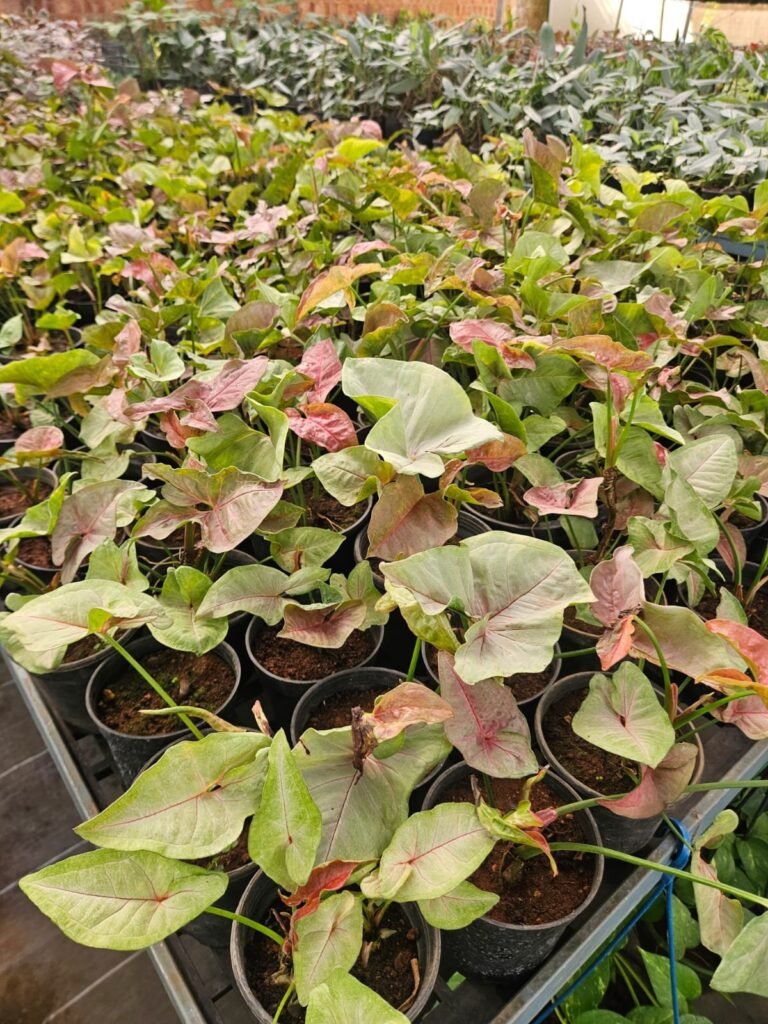
The Syngonium, affectionately known as the Arrowhead Plant, is a true gem in the world of indoor gardening, cherished by countless plant enthusiasts across India. Its unique, arrowhead-shaped leaves, available in an astonishing spectrum of greens, pinks, whites, and creams, make it a delightful addition to any home or office decor. This vibrant foliage plant, with its adaptable nature and relatively easy care, has found a special place in Indian households, transforming ordinary spaces into lush, green havens.
For those looking to invite more greenery into their lives, the Syngonium plant offers both aesthetic beauty and a sense of tranquility. Whether you’re a seasoned gardener or just starting your plant journey, the Arrowhead Plant proves to be a rewarding companion. Plantrea is the online plant platform by Wynorg, a trusted Indian brand known for delivering healthy live plants safely across India, and we’re here to help you unlock the full potential of your Syngonium.
Botanical Overview
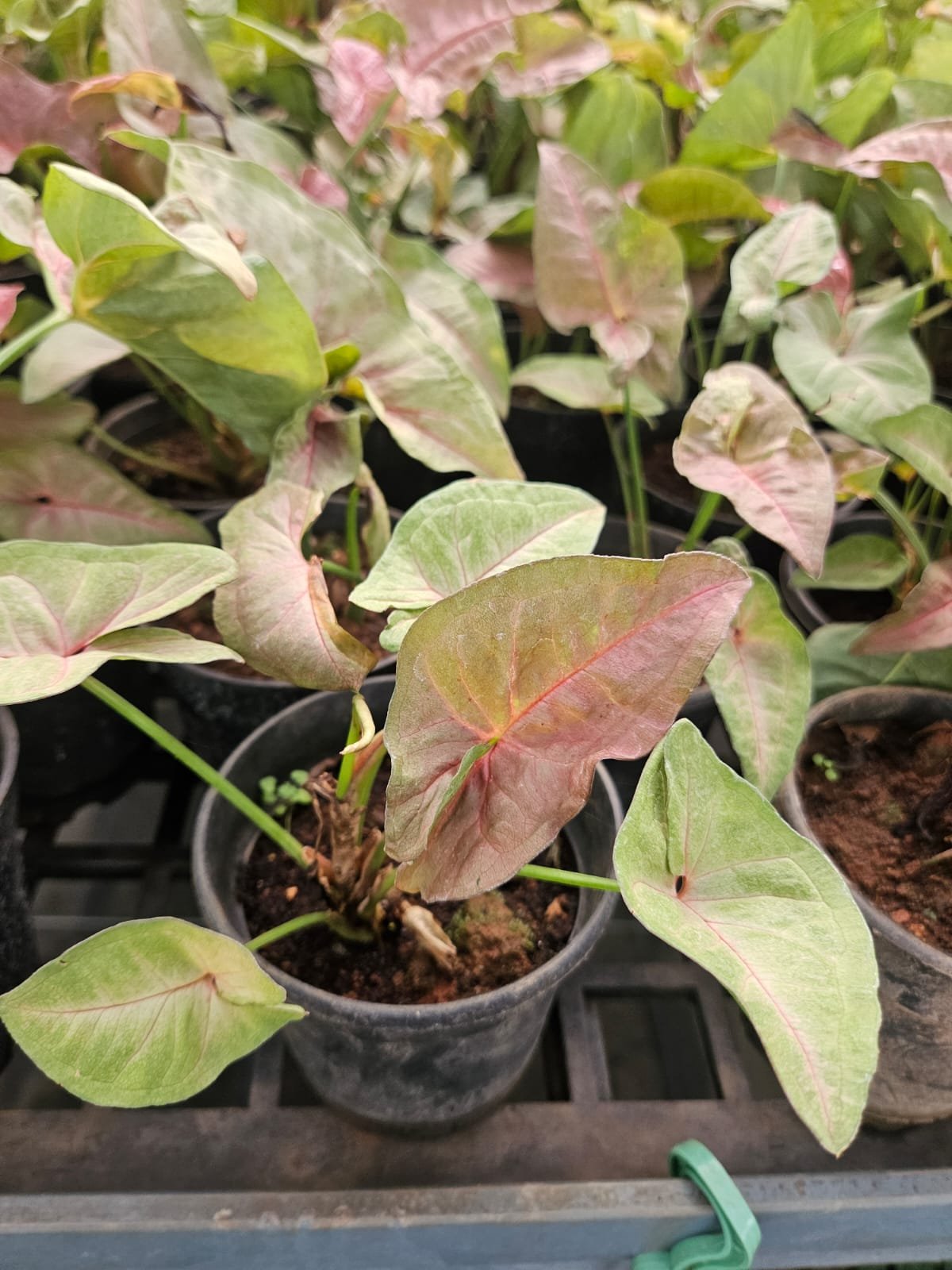
The Syngonium plant, botanically known as Syngonium podophyllum, belongs to the vast and diverse Araceae family, making it a close relative of other popular houseplants like Philodendrons and Monsteras. It originates from the humid tropical rainforests of Central and South America, thriving in environments rich in moisture and dappled sunlight.
As a foliage plant, its beauty lies primarily in its leaves, which evolve in shape as the plant matures. Younger leaves often display the classic arrowhead form, while older leaves may develop more lobes. The Syngonium is primarily a vining or trailing plant, capable of climbing if given support, but it can also be maintained as a bushy specimen with regular pruning. Indoors, it typically reaches a height of 15-90 cm, though its vines can trail much longer, adding a dynamic element to your indoor plant collection. While it can produce an inconspicuous flower (a spathe and spadix, usually green or cream) in its native habitat, flowering is a rare occurrence for indoor Syngonium plants.
Why People Love This Plant
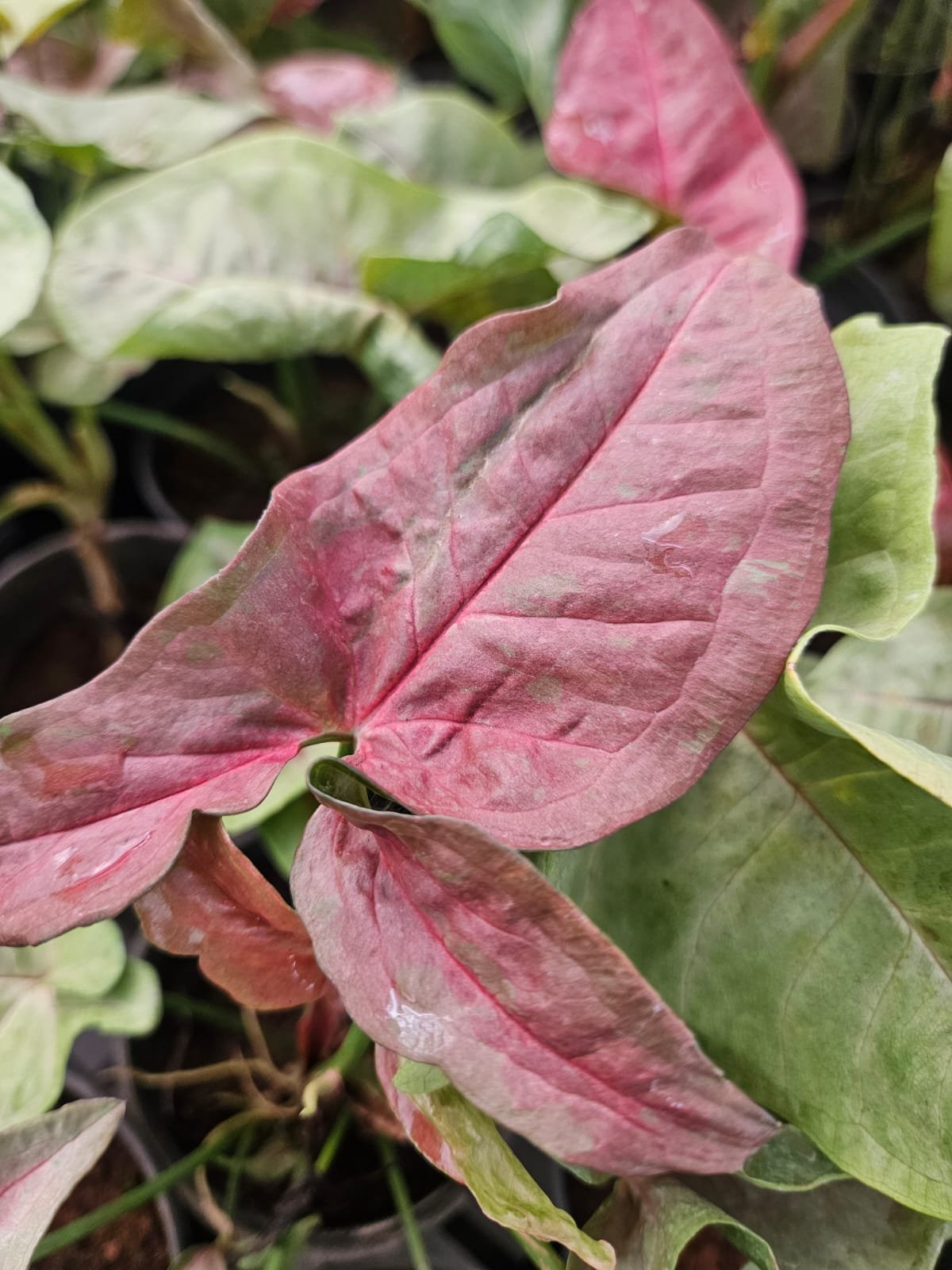
The Syngonium, or Arrowhead Plant India, has captivated plant lovers for numerous reasons, making it one of the most popular indoor plants in India. Its charm lies in a combination of its striking appearance, versatility, and easy-going nature.
Appearance
The most distinctive feature of the Syngonium is its leaves. These aren’t just green; they come in an incredible array of cultivars, showcasing intricate patterns and colours that range from deep emerald green to vibrant pink, pristine white, and creamy yellow. Some varieties boast prominent veins, while others have a velvety texture. As the plant matures, its leaves can change shape, evolving from simple arrowheads to more lobed or segmented forms, adding a dynamic visual interest.
Flowers
While the Syngonium plant does produce flowers in its natural habitat, these are quite inconspicuous and rarely seen on indoor plants. The flowers typically consist of a greenish or creamy spathe (a leaf-like bract) enclosing a spadix, which bears tiny, true flowers. For most indoor gardeners, the focus and appeal of the Syngonium lie entirely in its spectacular foliage rather than its blooms.
Foliage
The foliage is undeniably the star of the Syngonium show. Its ever-evolving leaf shapes and vibrant colour palettes ensure that no two Syngoniums look exactly alike. From the deep greens of ‘Robusta’ to the pastel pinks of ‘Neon Robusta’ or the striking variegation of ‘White Butterfly’, there’s a Syngonium cultivar to suit every taste and interior design scheme. This rich diversity in foliage is a major reason why it remains a favourite among plant collectors.
Fragrance
The Syngonium plant does not possess any significant fragrance. Its appeal is purely visual, derived from its beautiful and varied foliage.
Decorative Value
With its vining habit and colourful leaves, the Syngonium offers immense decorative value. It’s perfectly suited for tabletops, shelves, or as a trailing plant in hanging baskets. You can allow its vines to cascade gracefully or train them to climb a moss pole for a more upright display. Its ability to thrive in various indoor settings, from a cozy Wayanad home to a bustling office space, makes it an excellent choice for adding a touch of tropical elegance and freshness.
Growing Requirements
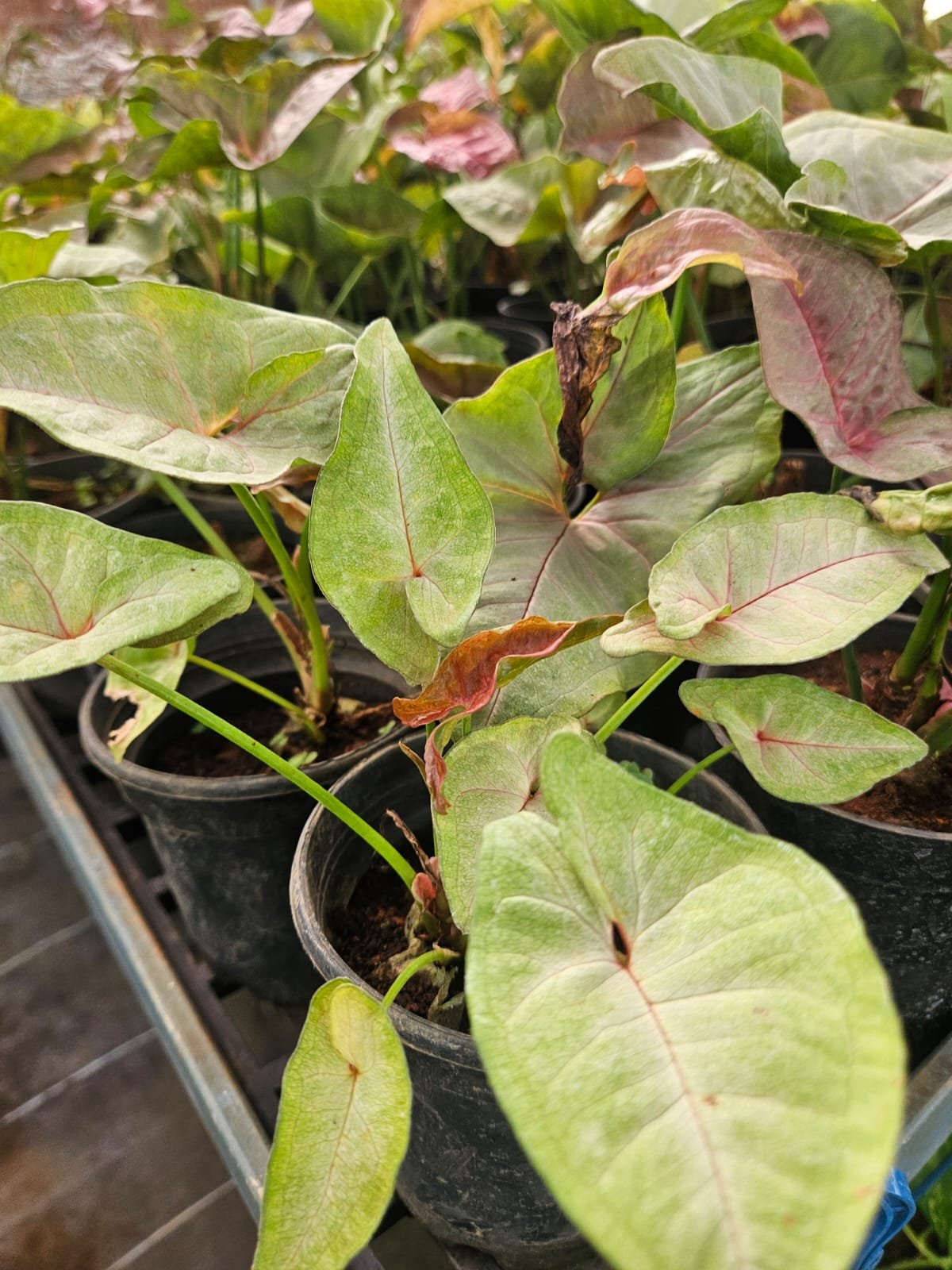
To ensure your Easy Indoor Plant Kerala thrives, understanding its basic growing requirements is key. The Syngonium is quite forgiving, but providing optimal conditions will lead to a healthier, more vibrant plant.
Light
Syngonium plants prefer bright, indirect light. This means a spot near a window that receives plenty of light but is shielded from direct, harsh sunlight, especially during the intense midday hours in India. Too much direct sun can scorch its delicate leaves, causing them to turn pale or develop brown spots. Conversely, too little light can lead to leggy growth and duller foliage colours.
Water
Water moderately. The golden rule for watering your Syngonium is to allow the top 1-2 inches of soil to dry out completely between waterings. You can check this by inserting your finger into the soil. In the hotter, drier months, you might need to water more frequently, while in winter, reduce the frequency significantly as the plant’s growth slows down. Always ensure good drainage to prevent waterlogging.
Temperature
Given its tropical origins, the Syngonium thrives in warm conditions. Ideal temperatures range between 18°C and 29°C. It’s crucial to protect it from sudden temperature drops or cold drafts, which can stress the plant. Most Indian indoor environments naturally fall within this preferred temperature range.
Humidity
High humidity is where the Syngonium truly shines. It loves a humid environment, much like its native rainforest home. In drier climates, especially during air-conditioned days, consider misting your plant regularly, placing it near a humidifier, or using a pebble tray filled with water beneath the pot (ensure the pot isn’t sitting directly in the water). This is particularly important for an Air Purifying Plant Wayanad, where humidity levels can fluctuate.
Soil
A well-draining, aerated potting mix is crucial for Syngoniums. A standard houseplant potting mix amended with perlite, coco coir, or orchid bark works wonderfully. This ensures that while the soil retains some moisture, excess water can drain away freely, preventing root rot.
Potting Mix
An ideal potting mix for your Syngonium would be a blend of peat moss or coco coir (for moisture retention), perlite or coarse sand (for drainage and aeration), and a bit of organic matter like compost. This combination provides the perfect balance of moisture, aeration, and nutrients for healthy root development.
Fertilizer
During the active growing season, which typically spans from spring to autumn in India, fertilize your Syngonium with a balanced liquid feed every 2-4 weeks. Always dilute the fertilizer to half strength to avoid over-fertilizing, which can burn the roots. Reduce or stop fertilizing during the colder winter months when the plant’s growth naturally slows down.
How to Care for This Plant
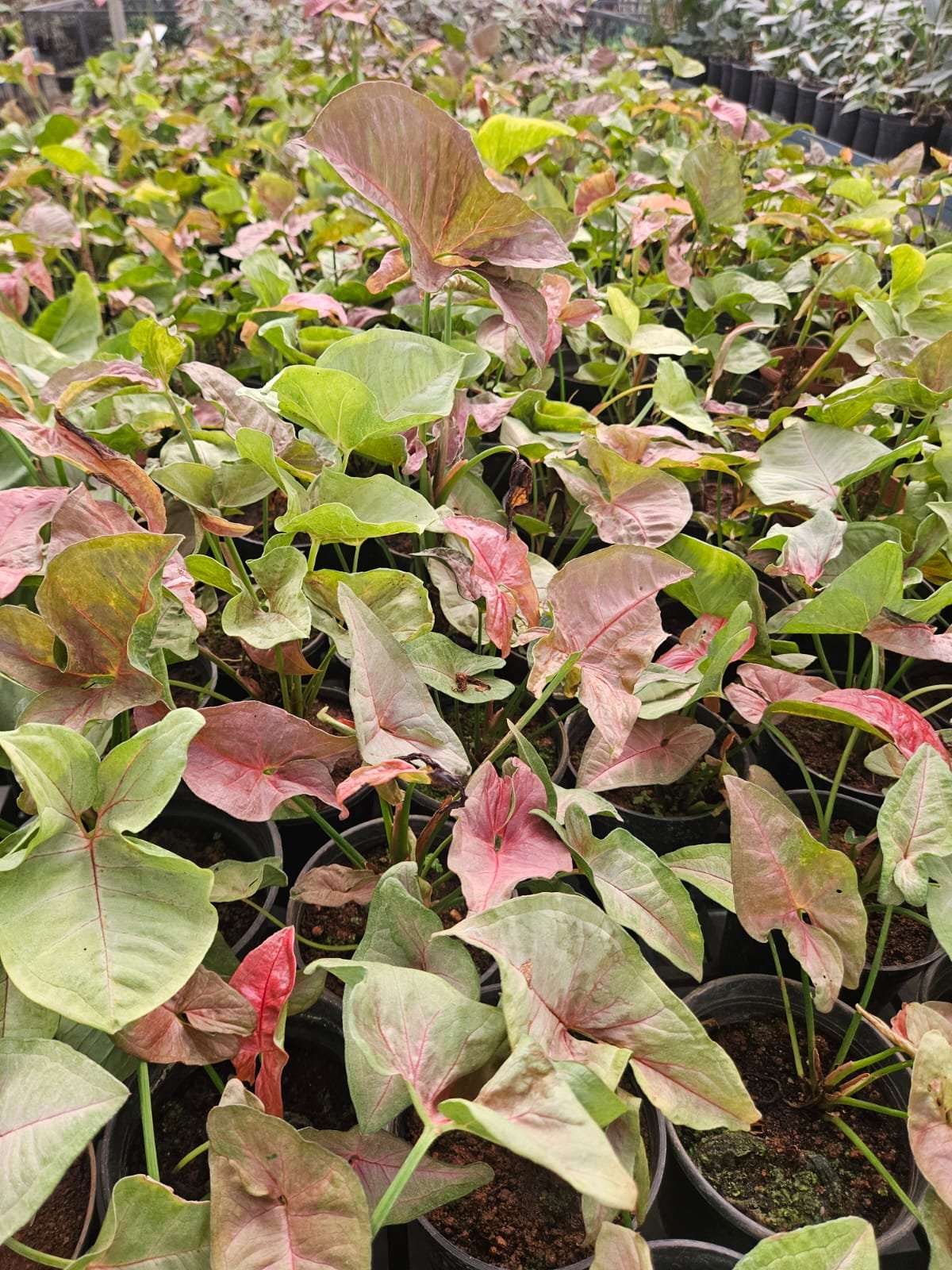
Caring for your Syngonium plant is a straightforward and rewarding experience. Follow these practical steps to keep your Arrowhead Plant thriving and looking its best:
- Light Placement: Position your Syngonium in a spot where it receives bright, indirect light. A north or east-facing window is often ideal. If placed near a south or west-facing window, ensure it’s set back a few feet or has a sheer curtain to filter the intense sunlight.
- Consistent Watering: Stick to the moderate watering schedule. Always check the top 1-2 inches of soil before watering. Water thoroughly until you see water draining from the bottom of the pot, then discard any excess water in the saucer.
- Boost Humidity: Make humidity a priority, especially in dry Indian conditions. Regular misting, grouping it with other plants, or using a humidifier will make a significant difference.
- Pruning for Shape: Prune your Syngonium regularly to encourage a bushier growth habit and prevent it from becoming too leggy. Simply snip off any long, unruly vines just above a leaf node using clean, sharp scissors. This also encourages new growth.
- Fertilize Seasonally: Feed your plant with a diluted balanced liquid fertilizer every 2-4 weeks during spring and summer. Remember to stop fertilizing during the dormant winter period.
- Repotting: Repot your Syngonium every 1-2 years, or when you notice it becoming root-bound (roots circling the drainage holes). Choose a pot that is only one size larger than the current one to avoid overwatering issues.
- Pest Watch: While generally pest-resistant, regularly inspect your plant for any signs of common pests like spider mites or mealybugs. Early detection makes treatment easier.
Common Problems and Solutions
Even an easy-care plant like the Syngonium can sometimes face a few hiccups. Here are some common problems you might encounter and how to resolve them:
- Yellow Leaves: This is a classic sign of overwatering. Ensure you’re allowing the topsoil to dry out between waterings. Check drainage holes and consider repotting if the soil remains soggy.
- Brown, Crispy Leaf Tips: Often indicates low humidity or underwatering. Increase misting, use a humidity tray, or adjust your watering schedule to be slightly more frequent.
- Pale or Scorched Leaves: Your Syngonium is likely getting too much direct sunlight. Move it to a spot with bright, indirect light.
- Pests: While generally resistant, spider mites and mealybugs can occasionally appear. Isolate the affected plant and treat with neem oil spray or an insecticidal soap. Regularly wiping down leaves can help prevent infestations.
- Root Rot: Caused by consistent overwatering and poor drainage. Symptoms include wilting, yellowing leaves, and a foul smell from the soil. Carefully remove the plant, trim away any mushy, black roots, and repot in fresh, well-draining soil.
- Slow Growth or Legginess: This can be due to insufficient light or lack of nutrients. Ensure your plant is getting enough bright, indirect light and fertilize during the growing season. Pruning can also encourage bushier growth.
- Leaf Drop: A common reaction to environmental stress, such as sudden changes in temperature, underwatering, or too much direct light. Review your care routine and make adjustments.
Benefits
Beyond its striking good looks, the Syngonium plant offers several compelling benefits that make it an excellent choice for any indoor setting.
Home Decoration
With its diverse range of leaf colours and shapes, the Syngonium is a decorator’s delight. It brings a vibrant, tropical touch to any room. Its vining habit makes it versatile for display – cascading from a shelf, trailing from a hanging basket, or climbing a support for a more upright look. It’s perfect for adding a pop of natural colour and texture to living rooms, bedrooms, or offices.
Balcony Gardening
While primarily an indoor plant, in shaded, humid tropical climates like Kerala, a Syngonium can thrive in a sheltered spot on a balcony, adding a lush green element to outdoor seating areas. Ensure it’s protected from direct sun and strong winds.
Air Purification
One of the most significant benefits of the Syngonium is its proven ability to purify indoor air. It effectively removes common household toxins such as formaldehyde, benzene, and xylene, contributing to a healthier living or working environment. This makes it an excellent Air Purifying Plant Wayanad, improving the air quality in your home or office.
Low Maintenance and Adaptable
The Syngonium is renowned for its ease of care, making it an ideal plant for beginners and busy individuals. Its adaptability to various indoor conditions and its forgiving nature mean it can thrive even if you occasionally forget a watering session. This low-maintenance quality, combined with its beauty, makes it a truly rewarding plant to own.
Frequently Asked Questions
How often should I water my Syngonium plant in Indian conditions?
In most Indian conditions, especially during the warmer months (spring and summer), you should water your Syngonium when the top 1-2 inches of soil feel dry to the touch. This usually translates to once or twice a week, depending on your home’s humidity and temperature. During the cooler winter months, reduce watering frequency significantly, often to once every 10-14 days, as the plant’s growth slows down and less water is needed.
Is the Syngonium plant effective at purifying air in homes and offices?
Yes, the Syngonium plant is highly effective at purifying indoor air. Studies, including those by NASA, have shown that Syngonium podophyllum can remove common airborne toxins like formaldehyde, benzene, and xylene, which are often found in household products and building materials. Placing a Syngonium in your home or office can contribute to a cleaner, healthier indoor environment.
Can Syngonium plants be kept outdoors in Kerala’s climate?
Yes, Syngonium plants can be kept outdoors in Kerala’s climate, provided they are in a shaded and humid location. Kerala’s tropical climate, with its high humidity and warm temperatures, is very similar to the Syngonium’s native habitat. However, direct, harsh sunlight must be avoided as it can scorch the leaves. A covered verandah, a balcony with overhead protection, or under the canopy of larger trees would be suitable spots where it receives bright, indirect light and protection from the midday sun.
Final Thoughts
The Syngonium, or Arrowhead Plant, is truly a star in the realm of indoor gardening, offering a blend of stunning aesthetics, air-purifying qualities, and remarkable ease of care. Its diverse foliage and adaptable nature make it a perfect choice for enhancing the beauty and health of any indoor space, from a bustling office to a serene home. Whether you’re a beginner looking for a forgiving plant or an experienced enthusiast seeking vibrant variety, the Syngonium plant is sure to bring joy and a touch of tropical elegance to your environment.
As you nurture your Syngonium, remember that observing your plant and understanding its specific needs will lead to the best results. Explore more plant guides on Plantrea, the online plant platform from Wynorg, helping plant lovers across India discover quality plants, practical growing advice, and trusted nursery sourcing. Happy gardening!
Interested in This Plant?
If the beautiful Syngonium has caught your eye and you’re eager to welcome one into your home, we encourage you to connect with our Plant Expert chat. It’s a fantastic resource designed to help you with all your plant-related queries, available at the bottom-right corner of every page.
Our Plant Expert can help you check whether the lovely Syngonium plant is currently available in stock. They can also offer personalised plant recommendations tailored to your specific home or garden conditions, ensuring you find the perfect green companion. Don’t hesitate to ask any questions you have about Syngonium plant care and maintenance—our experts are here to share their knowledge.
Should the Syngonium not be available, or if you’re curious about similar plants that offer the same aesthetic appeal and ease of care, our Plant Expert can suggest suitable alternatives. Think of them as your friendly gardening assistant, ready to help you navigate the wonderful world of plants with practical and trustworthy advice.
Want to buy this plant? Visit https://plantrea.com/shop-2/