Stevia Plant – Natural Zero-Calorie Sweetener | Wynorg Nursery
For centuries, the search for nature’s sweet gifts has led us to remarkable discoveries. Among them, the Stevia plant stands out as a true marvel, offering a guilt-free sweetness that has charmed its way into countless Indian homes and gardens. This incredible herb provides a natural, zero-calorie alternative to sugar, making it a beloved choice for health-conscious individuals and those managing their sugar intake. Its ease of cultivation in our diverse Indian climate, whether in a small balcony pot or a bustling kitchen garden, further adds to its appeal, promising a fresh supply of sweetness right at your fingertips.
At Plantrea, the online plant platform by Wynorg, a trusted Indian brand known for delivering healthy live plants safely across India, we understand the joy and satisfaction that comes from growing your own food and herbs. The Stevia plant embodies this joy perfectly, offering not just a plant but a lifestyle choice towards healthier eating. Its vibrant green leaves, packed with natural sweetness, are a testament to nature’s ability to provide delicious and wholesome alternatives. Let’s delve deeper into understanding this sweet sensation and how you can successfully grow and care for it.
Botanical Overview
The Stevia plant, scientifically known as Stevia rebaudiana, is a fascinating member of the Asteraceae family, which also includes daisies and sunflowers. Originating from the subtropical regions of South America, particularly Paraguay and Brazil, this perennial herb has been used by indigenous communities for hundreds of years for its distinct sweet properties. In its natural habitat, it thrives in sandy soils near marshy areas, showcasing its adaptability.
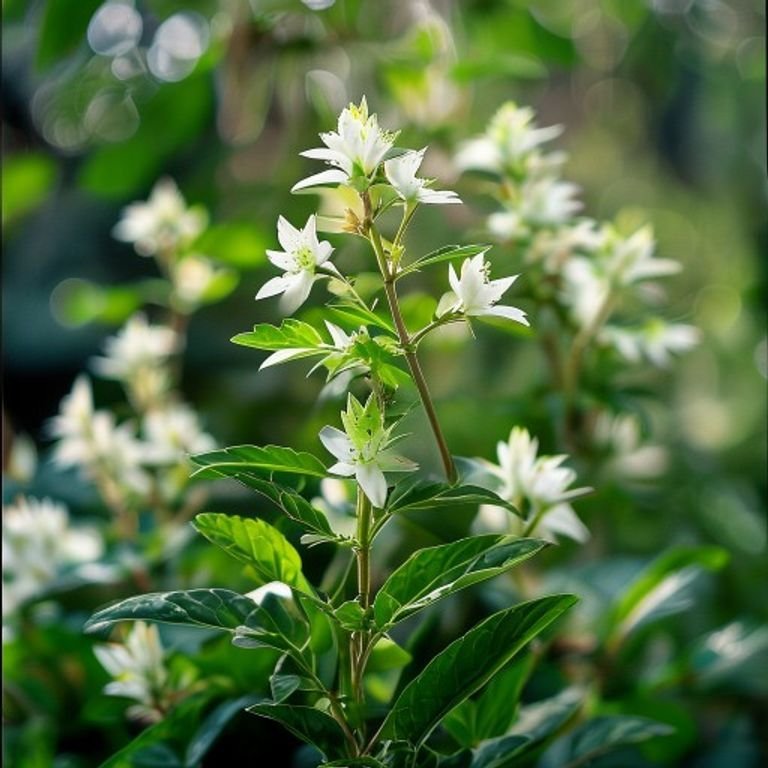
As a plant type, Stevia is primarily cultivated as an herb, valued for its leaves. It exhibits an upright growth habit, typically reaching a height of 1 to 2 feet, making it an ideal candidate for container gardening and smaller spaces. While it does produce small white flowers, the true treasure lies in its foliage, where the sweet compounds, known as steviol glycosides, are concentrated.
Why People Love This Plant
The allure of the Stevia plant extends far beyond its scientific classification. People across India have embraced it for its unique characteristics and the profound impact it can have on a healthy lifestyle.
Appearance
Stevia plants are unassuming yet charming. They feature slender, slightly woody stems adorned with bright green, lance-shaped leaves that have serrated edges. The foliage is dense, giving the plant a bushy appearance, especially when regularly pinched and pruned. While not a showstopper in terms of ornamental beauty, its fresh, verdant presence adds a touch of nature to any kitchen garden or balcony.
Flowers
During the summer months, Stevia plants produce small, delicate white flowers. These bloom in clusters and can be quite attractive to pollinators. However, for gardeners primarily interested in the sweetness of the leaves, allowing the plant to flower is often discouraged. This is because the plant diverts its energy into flower production, which can reduce the sweetness concentration in the leaves. Many gardeners choose to pinch off flower buds to encourage more leaf growth and maintain optimal sweetness.
Foliage
The heart of the Stevia plant’s appeal lies in its foliage. These unassuming green leaves are an incredible natural sweetener, containing compounds that are 30-40 times sweeter than conventional sugar. What’s more, these compounds are calorie-free, making Stevia a revolutionary natural sweetener. The leaves have a slightly wrinkled texture and, when crushed, release a subtly sweet aroma.
Fragrance
The Stevia plant has a faint, earthy fragrance that is not overpowering. When you rub the leaves between your fingers, you might detect a subtle sweetness in the aroma, a gentle hint of the potent goodness within.
Decorative Value
While not a traditionally ornamental plant, Stevia adds significant decorative value to an edible garden. Its fresh green leaves contribute to the aesthetic of a vibrant kitchen garden, blending well with other herbs and vegetables. Placed in attractive pots, it can enhance a balcony or patio, signifying a commitment to health and homemade goodness.
Growing Requirements
Cultivating Stevia successfully in Indian conditions requires attention to a few key environmental factors. Fortunately, it’s a relatively easy-care plant, making it suitable for beginners.
Light
Stevia thrives in partial sun, especially in the intense heat of Indian summers. While it appreciates morning sun, protecting it from the harsh afternoon sun is crucial to prevent leaf scorching and stress. A location that receives 4-6 hours of direct sunlight, ideally in the morning, followed by dappled shade or indirect light in the afternoon, is perfect. In cooler regions or during winter, it can tolerate more direct sunlight.
Water
Moderate watering is key for the Stevia plant. The soil should be kept consistently moist but never waterlogged. Overwatering is a common problem and can quickly lead to root rot. Allow the top inch or two of the soil to dry out slightly before watering again. During hot, dry periods, it may need more frequent watering, while in the monsoon or cooler months, the frequency can be reduced. Always ensure good drainage.
Temperature
Stevia is a warm-weather plant and prefers temperatures between 20°C to 30°C. It is sensitive to frost and cold temperatures, which can severely damage or kill the plant. In regions experiencing cold winters, it’s best to bring potted Stevia plants indoors or provide adequate protection. In most parts of India, it can be grown outdoors year-round, requiring minimal protection during mild winters.
Humidity
Moderate humidity levels are generally suitable for Stevia. It doesn’t have extreme humidity requirements, making it adaptable to various Indian climates. Extremely dry air might cause some stress, but regular watering should mitigate this.
Soil
Well-drained, fertile soil is crucial for the healthy growth of your Stevia rebaudiana plant. Stevia prefers slightly acidic to neutral soil (pH 6.0-7.0). Heavy clay soils that retain too much water are unsuitable. Amending garden soil with organic matter like compost or well-rotted manure can improve its structure and fertility.
Potting Mix
When growing Stevia in pots, a high-quality, well-draining potting mix is essential. A good mix typically includes coco peat, perlite, and compost to ensure adequate aeration and drainage. Avoid using garden soil directly in pots as it can become compacted and lead to poor drainage.
Fertilizer
Stevia plants are not heavy feeders, but they benefit from regular, moderate fertilization. Use a balanced organic fertilizer, such as vermicompost or a liquid seaweed extract, diluted to half strength, once every 4-6 weeks during the growing season (spring and summer). Avoid over-fertilizing, especially with high-nitrogen fertilizers, as this can lead to lush green growth but reduced sweetness in the leaves.
How to Care for This Plant
Caring for your natural sweetener plant, Stevia, is a rewarding experience. Follow these practical steps to ensure a thriving plant and a continuous supply of sweet leaves.
- Planting: When planting Stevia, whether in the ground or in a pot, ensure the chosen location meets its light and soil requirements. Dig a hole twice as wide as the root ball and just as deep. Gently place the plant, backfill with soil, and water thoroughly. If planting in a pot, choose one with good drainage holes.
- Watering Schedule: As mentioned, maintain consistently moist but not waterlogged soil. Check the soil moisture regularly, especially during hot spells. A good tip is to stick your finger about an inch or two into the soil; if it feels dry, it’s time to water.
- Pinching and Pruning: This is a vital step for healthy and productive Stevia plants. Regularly pinch off the tips of the branches to encourage bushier growth and prevent the plant from becoming leggy. Crucially, pinch off any flower buds as soon as they appear. This directs the plant’s energy into producing more leaves and maintains the highest level of sweetness.
- Harvesting: You can start harvesting Stevia leaves once the plant is established and about 6-8 inches tall. Harvest individual leaves as needed, or cut entire stems about 4-6 inches from the top. The best time to harvest for maximum sweetness is usually just before the plant is about to flower. Regular harvesting also promotes new growth.
- Pest and Disease Management: While Stevia is generally robust, keep an eye out for common garden pests like aphids or whiteflies, especially during dry spells. A strong spray of water or a neem oil solution can help deter them. Ensure good air circulation to prevent fungal issues.
- Winter Care (for colder regions): If you live in a region with cold winters, consider bringing your potted Stevia indoors before the first frost. Place it in a sunny window and reduce watering. Alternatively, you can take cuttings in late summer to propagate new plants for the following season. In warmer Indian climates, it’s generally a perennial outdoors.
Common Problems and Solutions
Even though Stevia is considered an easy-care plant, gardeners might encounter a few common issues. Here’s how to address them:
- Root Rot: This is the most prevalent problem and is almost always caused by overwatering or poor drainage.
- Solution: Ensure your pots have drainage holes and use a well-draining potting mix. Allow the top soil to dry out before watering again. If root rot is severe, repot the plant in fresh, dry soil after trimming any affected roots.
- Leaf Drop: Leaves turning yellow and dropping can indicate various stresses, often related to water, light, or temperature.
- Solution: Check your watering routine – both over and underwatering can cause leaf drop. Ensure the plant is receiving adequate light but is protected from intense afternoon sun. Protect from sudden temperature drops.
- Needs Pinching to Prevent Flowering: While not a “problem” in the typical sense, allowing Stevia to flower can reduce the sweetness of its leaves.
- Solution: Regularly inspect your plant for flower buds and pinch them off as soon as they appear. This redirects the plant’s energy into leaf production, maximizing your harvest of sweet leaves.
Benefits
The Stevia plant offers a multitude of benefits, making it a valuable addition to any Indian home or garden:
- Zero-Calorie Natural Sweetener: This is the primary benefit. Stevia leaves contain steviol glycosides, natural compounds that provide intense sweetness without any calories, making it an excellent sugar substitute for those watching their calorie intake.
- Diabetes Friendly: Unlike sugar, Stevia does not raise blood sugar levels, making it a safe and beneficial sweetener for individuals with diabetes or those looking to manage blood sugar. It’s truly a diabetes plant that offers a sweet treat without the worry.
- Weight Management: By providing a sweet taste without calories, Stevia can be an invaluable tool for weight watchers and those aiming to reduce their sugar consumption.
- Easy to Grow in Pots: Its compact size and adaptable nature make Stevia perfect for kitchen gardens, balcony gardening, and even windowsill cultivation, allowing fresh leaves to be always at hand.
- Home and Balcony Decoration: While primarily utilitarian, its fresh green foliage adds a touch of natural beauty and freshness to any space, making it a pleasant addition to your home or balcony.
- Culinary Versatility: Fresh or dried Stevia leaves can be used to sweeten teas, coffees, smoothies, desserts, and various dishes. It’s a natural sweetener that integrates easily into daily cooking.
Frequently Asked Questions
How to use Stevia leaves?
Using Stevia leaves is quite simple! You can either use them fresh or dried. For fresh leaves, simply crush a few and steep them in your tea or coffee. They can also be muddled into cold beverages. For dried leaves, you can grind them into a powder for a more concentrated sweetener that can be used in baking or sprinkled over food. Experiment with quantities as their sweetness is potent!
Does Stevia have an aftertaste?
Some people report a mild licorice-like aftertaste when using Stevia, especially in larger quantities or with certain processed Stevia products. However, fresh or minimally processed leaves often have a purer sweet taste with less noticeable aftertaste. Individual perception can vary, so it’s best to try it yourself!
Can I grow Stevia in a pot?
Absolutely, Stevia is perfectly suited for container gardening! Its upright growth habit and moderate size make it an ideal candidate for pots on balconies, patios, or even indoors near a sunny window. Ensure the pot has good drainage and use a high-quality potting mix for best results.
Final Thoughts
The Stevia plant is much more than just a sweet herb; it’s a versatile and beneficial addition to any Indian garden, offering a natural and healthy alternative to refined sugar. Its ease of care, coupled with its incredible zero-calorie sweetness, makes it a must-have for those striving for a healthier lifestyle. From sweetening your morning tea to enhancing your culinary creations, Stevia brings a touch of nature’s goodness right to your plate.
Embracing the Stevia plant in your home is a step towards sustainable and mindful living, a journey that Plantrea is proud to support. Plantrea is the online plant platform from Wynorg, helping plant lovers across India discover quality plants, practical growing advice, and trusted nursery sourcing. We believe that with the right knowledge and resources, every plant lover can cultivate a flourishing garden, full of beauty and health-giving wonders like the amazing Stevia plant.
Interested in This Plant?
Perhaps you’re captivated by the thought of growing your own natural zero-calorie sweetener, the Stevia plant, or you’re curious about other health-benefiting herbs for your home and garden. Whether you’re a seasoned gardener or just starting your green journey, our Plant Expert chat is here to guide you every step of the way. You’ll find the chat conveniently located at the bottom-right corner of your screen, ready to connect you with personalized advice.
Don’t hesitate to reach out to our Plant Expert. They can help you check if the delightful Stevia plant is currently available for delivery in your area. Beyond availability, our experts can provide personalized plant recommendations tailored to your specific home or garden conditions, helping you find the perfect green companions that will thrive with you. Have questions about Stevia plant care and maintenance? Our experts are keen to share their knowledge.
In case the Stevia plant is not quite what you’re looking for, or if you’d like to explore similar plants with unique properties, our Plant Expert can also help you discover suitable alternatives. Think of them as your friendly gardening assistant, ready to offer insights and practical tips to ensure your gardening experience is both enjoyable and successful. We’re here to help you cultivate your green dreams!
Want to buy this plant? Visit https://plantrea.com/shop-2/