Discover the Sacred Rama Tulsi Plant: Your Guide to Growing Holy Basil in Indian Homes and Gardens
There’s a special place in the heart of every Indian home for the Rama Tulsi plant. This revered herb, often referred to as Holy Basil, isn’t just a plant; it’s a symbol of health, wellness, and spiritual peace. Its vibrant green leaves and distinctive aroma are a familiar and comforting presence, whether gracing a quiet courtyard, a bustling balcony, or a dedicated home temple. Growing this magnificent herb offers not only beauty but also a wealth of traditional benefits that have been cherished for centuries. For those looking to bring this sacred plant into their lives, Plantrea is the online plant platform by Wynorg, a trusted Indian brand known for delivering healthy live plants safely across India, ensuring you start your gardening journey with the best.
The Rama Tulsi plant is more than just an aromatic addition to your garden; it’s a living testament to India’s rich botanical heritage. Its ease of care and adaptability make it a favourite among both novice and experienced gardeners. From its spiritual significance to its potent medicinal properties, understanding how to nurture this plant will allow you to fully appreciate its profound presence in your home and garden.
Botanical Overview of Rama Tulsi
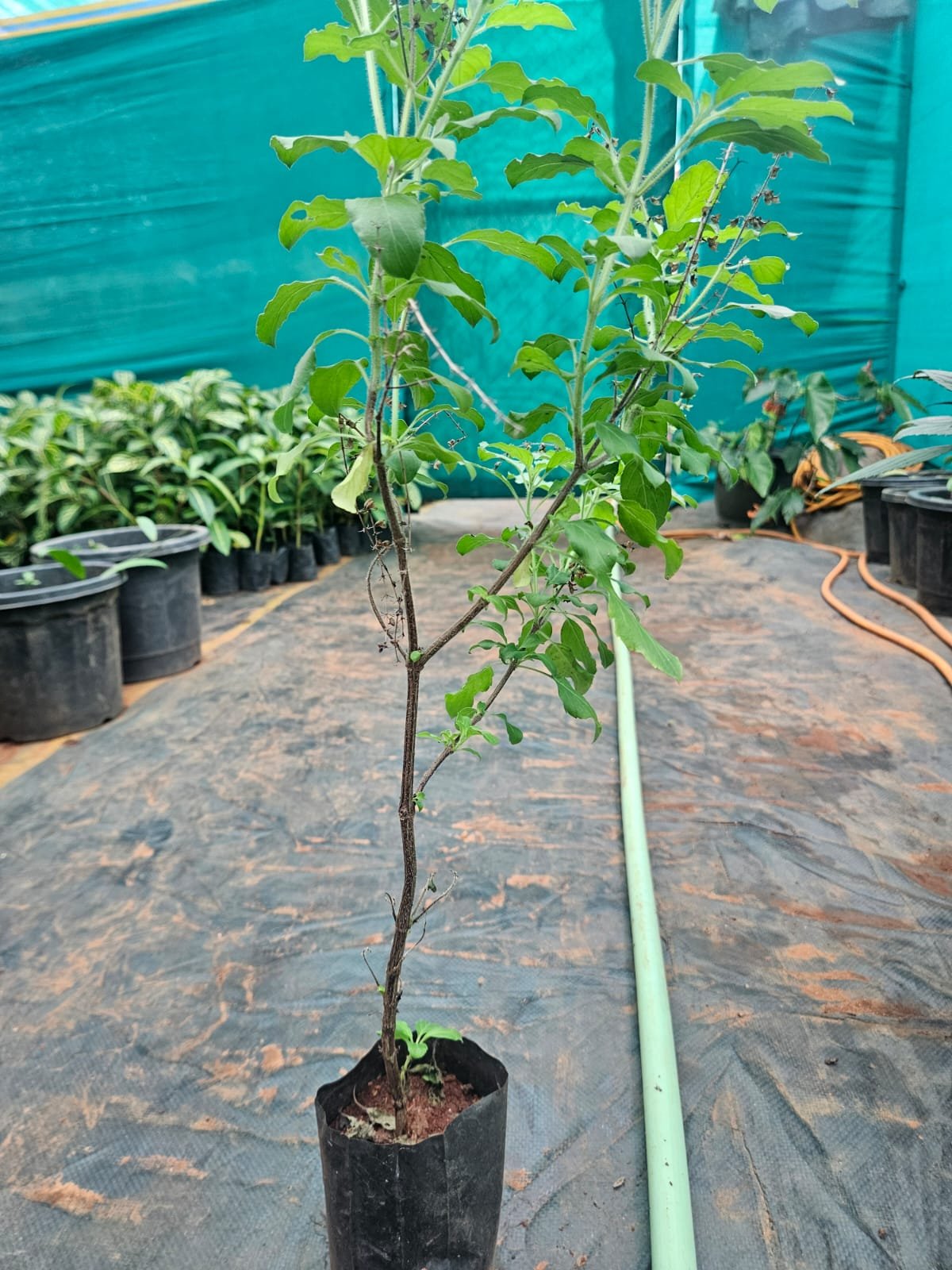
The Rama Tulsi plant, scientifically known as Ocimum tenuiflorum (also synonymously referred to as Ocimum sanctum), belongs to the Lamiaceae family, which includes many other well-known herbs like mint and rosemary. This aromatic perennial herb is deeply rooted in the Indian subcontinent, where it originated and has been cultivated for millennia.
- Botanical Name: Ocimum tenuiflorum (syn. Ocimum sanctum)
- Plant Family: Lamiaceae
- Origin: Indian subcontinent
- Plant Type: Bushy, Upright Herb
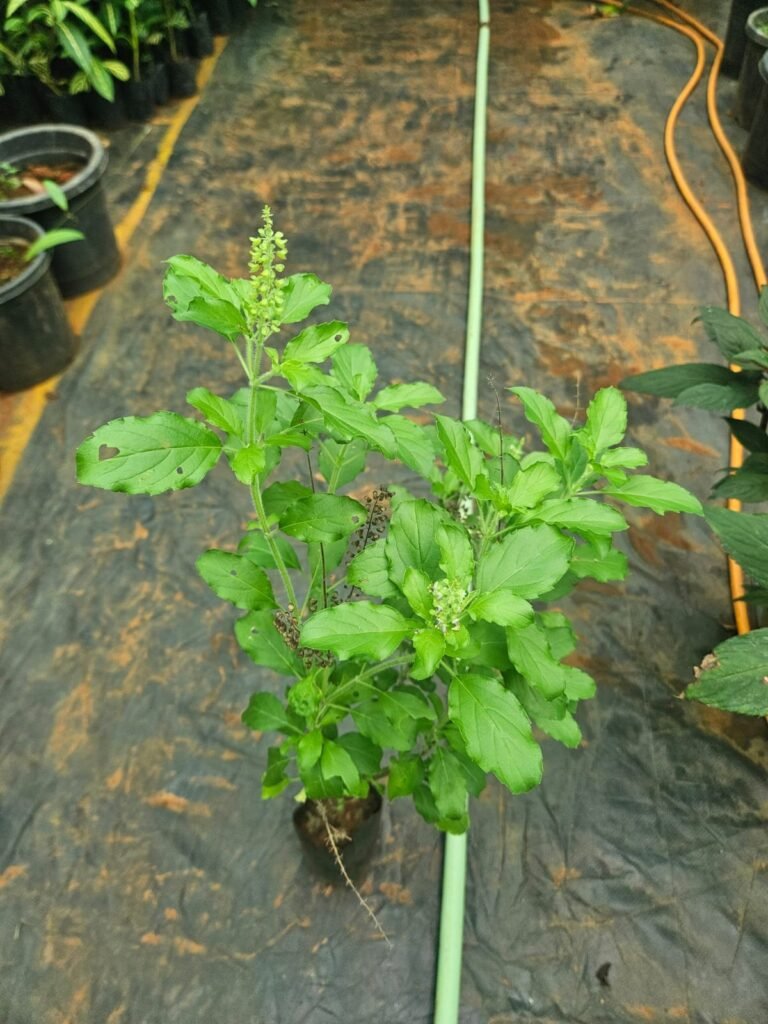
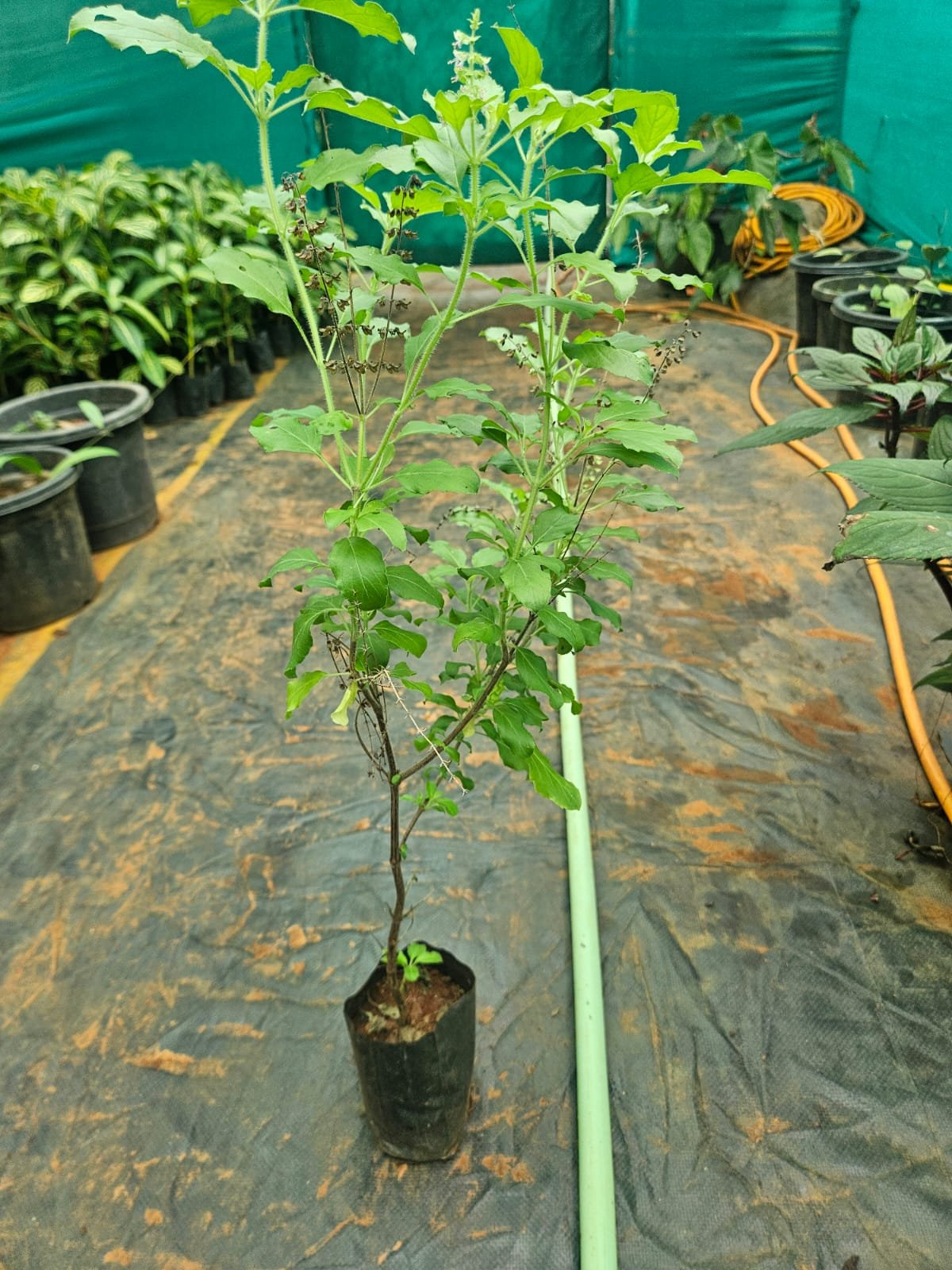
- Growth Habit: Rama Tulsi develops into a bushy, upright shrub, typically reaching a height of 30-90 cm (1-3 feet). Its branching habit gives it a full, lush appearance, making it an attractive addition to any garden or pot.
Why People Love This Plant
The Rama Tulsi plant holds a special place in Indian culture and homes, cherished for a multitude of reasons that go beyond its botanical classification. Its multifaceted appeal makes it a truly unique and beloved plant.
Appearance
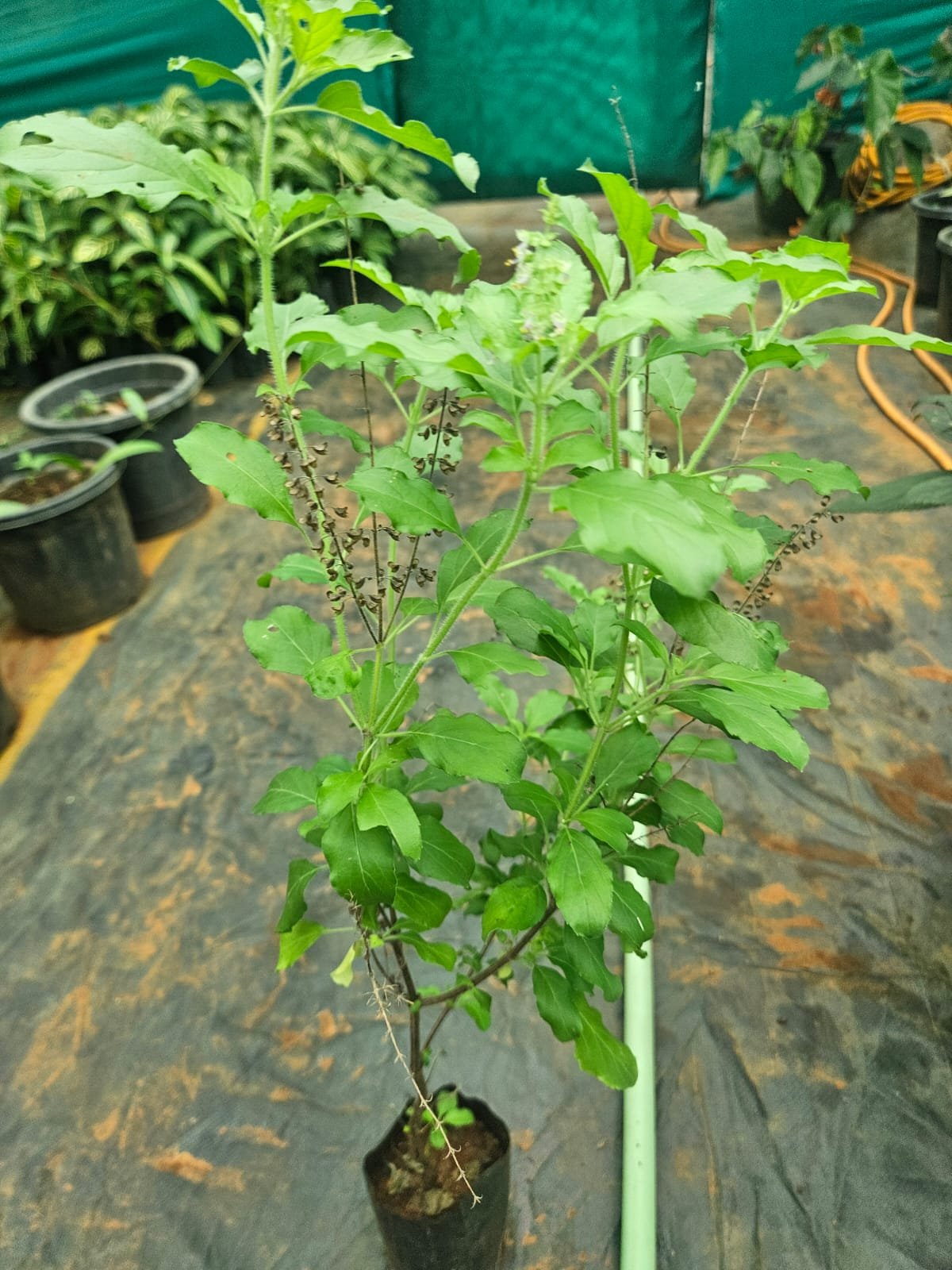
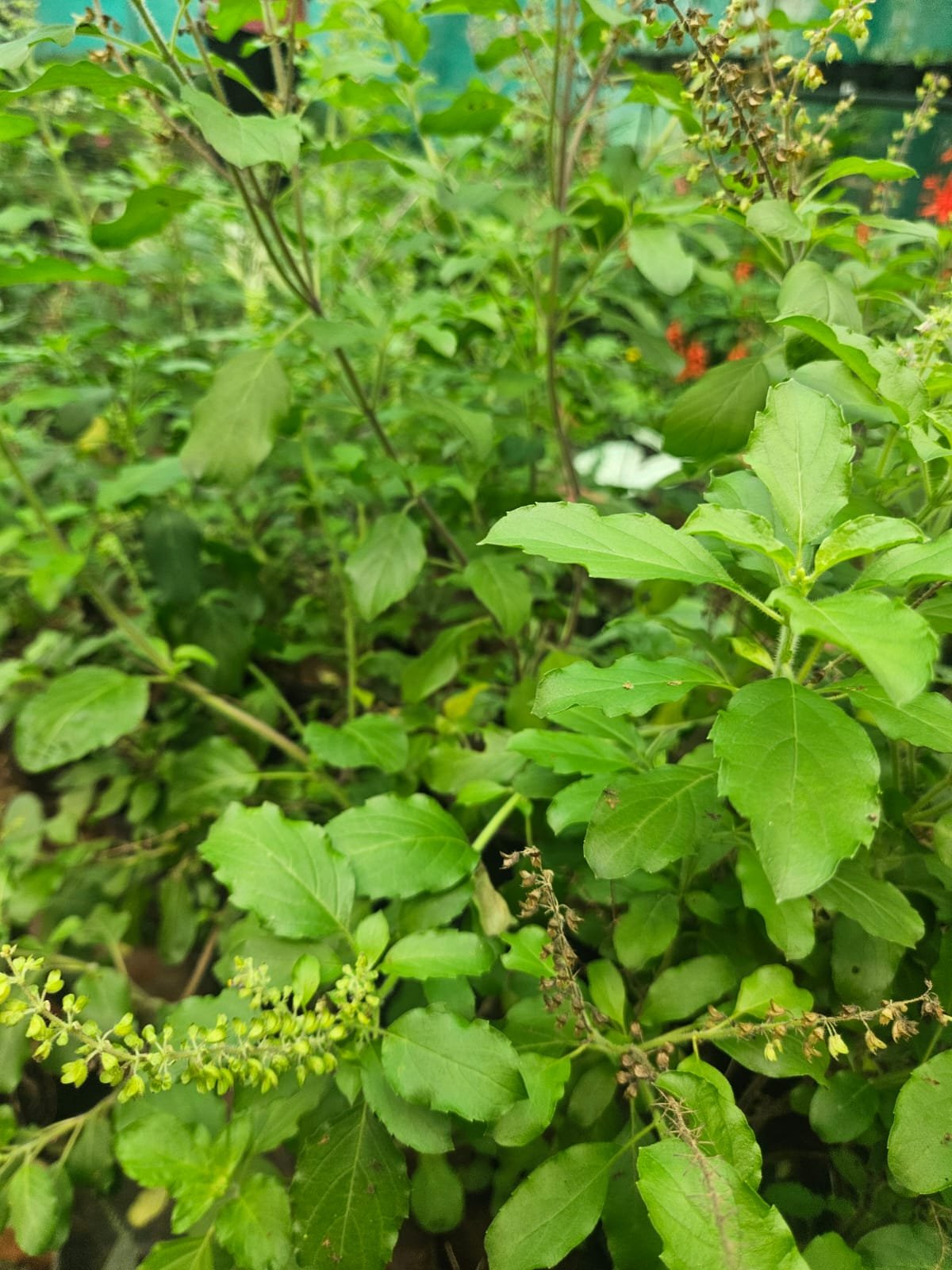
Rama Tulsi is characterized by its vibrant, rich green leaves, which are typically ovate and slightly serrated at the edges. The foliage is lush and dense, forming an attractive bush that brings a touch of natural beauty to any space. Its simple yet elegant form makes it suitable for various garden designs.
Flowers
While the leaves are the main highlight, Rama Tulsi does produce delicate, inconspicuous flowers. These small blooms range in colour from white to light purple and emerge on slender stalks throughout the year, with a more prominent display post-monsoon. Though not showy, they add to the plant’s natural charm and lifecycle.
Foliage
The star of the Rama Tulsi plant is undoubtedly its foliage. The bright green leaves are not only visually appealing but also carry the plant’s most distinctive features. These leaves are traditionally harvested for various uses, from culinary to medicinal.
Fragrance
One of the most captivating aspects of the Rama Tulsi plant is its strong, aromatic fragrance. The scent is often described as spicy and clove-like, permeating the air with a refreshing and calming aroma. This natural perfume is not only pleasant but is also known to naturally repel mosquitoes, making it a functional addition to your outdoor spaces, especially in humid Indian climates.
Decorative Value
Beyond its spiritual and medicinal uses, the Rama Tulsi plant offers considerable decorative value. Its neat, bushy growth habit and vibrant green leaves make it an excellent choice for ornamental purposes. It can be a beautiful focal point in a balcony garden, a serene presence in a home temple, or a verdant addition to a medicinal or kitchen garden. Its presence adds a touch of natural elegance and peace to any setting.
Growing Requirements for Rama Tulsi
Cultivating a healthy Rama Tulsi plant is remarkably straightforward, especially when you understand its basic needs. Given India’s diverse climate, these guidelines are tailored to help your Holy Basil thrive.
Light
The Rama Tulsi plant thrives in full sun, requiring at least 6-8 hours of direct sunlight daily. In Indian conditions, a sunny spot in your garden, courtyard, or on a south-facing balcony is ideal. While it can tolerate some partial shade, insufficient light will lead to leggy growth and reduced aromatic intensity of the leaves.
Water
Moderate watering is key for Rama Tulsi. The best practice is to water thoroughly when the topsoil feels dry to the touch. This could mean daily watering during scorching Indian summers, especially for potted plants, and every 2-3 days during cooler months. Always ensure excellent drainage to prevent waterlogging, which is a common cause of issues for this plant.
Temperature
Being native to the Indian subcontinent, Rama Tulsi is well-suited to tropical and subtropical climates. It flourishes in warm temperatures and is sensitive to extreme cold or frost. In regions where winter temperatures drop significantly, providing some protection or moving potted plants indoors is advisable.
Humidity
Given its origin, Rama Tulsi appreciates moderate to high humidity, which is common across much of India. It generally doesn’t require special humidity adjustments when grown outdoors, but ensure good air circulation to prevent fungal issues in humid conditions.
Soil and Potting Mix
Well-draining soil is crucial for the Rama Tulsi plant. A good quality potting mix for potted plants should be loose, fertile, and allow water to pass through easily. For garden beds, amend heavy clay soils with organic matter like compost and sand to improve drainage. A slightly alkaline to neutral soil pH is preferred.
Fertilizer
Rama Tulsi is not a heavy feeder. Fertilize lightly during its active growing season (spring to early autumn) with organic compost or a balanced liquid feed. Over-fertilization can harm the plant, so less is often more. Healthy soil enriched with organic matter usually provides sufficient nutrients for robust growth.
How to Care for Your Rama Tulsi Plant
Caring for your Rama Tulsi plant is a rewarding experience. With a few simple steps, you can ensure your Holy Basil India plant remains healthy, bushy, and fragrant throughout the year.
- Consistent Watering: As mentioned, water when the top inch of soil is dry. Feel the soil with your finger; if it’s dry, it’s time to water. Ensure the pot has drainage holes.
- Ample Sunlight: Place your Rama Tulsi Plant in a spot where it receives 6-8 hours of direct sunlight daily. Rotate potted plants regularly to ensure even growth.
- Pinching Back Flower Stalks: Regularly pinch back the flower stalks as they appear. This practice, known as deadheading, encourages the plant to produce more leaves and branch out, resulting in a bushier plant. If left to flower and seed, the plant may divert energy from leaf production and become leggy.
- Pruning for Shape: Beyond pinching flowers, occasional light pruning can help maintain a desirable shape and promote denser growth. Remove any yellowed, diseased, or leggy branches.
- Fertilizing Sparingly: During the main growing seasons (spring and summer), feed your Rama Tulsi plant with a light dose of organic compost or a diluted liquid fertilizer every 4-6 weeks.
- Protection from Extremes: While tolerant of Indian climates, protect your Rama Tulsi from extreme frost in colder regions by bringing it indoors or covering it. Similarly, during intense heatwaves, ensure it doesn’t dry out completely.
- Repotting: If your Rama Tulsi plant outgrows its pot, repot it into a slightly larger container with fresh potting mix during the spring.
Common Problems and Solutions for Rama Tulsi
Even though the Rama Tulsi Plant is relatively easy to care for, like any living organism, it can encounter a few common issues. Understanding these problems and their solutions will help you keep your plant flourishing.
- Yellow Leaves:
- Cause: Often an indicator of improper watering (either too much or too little) or a nutrient deficiency.
- Solution: Check the soil moisture. If it’s constantly wet, reduce watering to prevent root rot. If it’s consistently dry, increase watering. Ensure the soil is well-draining. If watering is correct, a light feed with a balanced organic fertilizer can help address nutrient deficiencies.
- Pests (Aphids and Spider Mites):
- Cause: Small insects feeding on plant sap, leading to distorted leaves or webbing (spider mites).
- Solution: For mild infestations, spray the plant with a strong stream of water to dislodge pests. For more persistent issues, use an organic neem oil spray, ensuring to cover both the top and underside of the leaves. Regular inspection helps catch infestations early.
- Fungal Diseases (e.g., Root Rot):
- Cause: Primarily caused by overwatering and poor drainage, leading to waterlogged soil where fungi thrive and attack the roots. Symptoms include wilting, yellowing, and a soft stem base.
- Solution: The best prevention is proper watering – allow the topsoil to dry between waterings. Ensure pots have adequate drainage holes and use a well-draining potting mix. If root rot is suspected, gently remove the plant, trim off any mushy, black roots, and repot in fresh, dry soil.
- Leaf Drop:
- Cause: Can be due to sudden changes in environmental conditions, severe under or overwatering, or extreme temperatures.
- Solution: Assess your watering routine and ensure the plant is receiving consistent moisture without being waterlogged. Protect the plant from sudden temperature drops or harsh winds. Provide stable conditions to help it recover.
Benefits of the Rama Tulsi Plant
The Rama Tulsi plant is not just a beautiful herb; it offers a remarkable array of benefits, making it a truly invaluable addition to any Indian home or garden. Its multifaceted advantages range from aesthetic enhancement to profound well-being contributions.
- Home Decoration: With its vibrant green foliage and bushy growth, the Rama Tulsi plant makes an attractive decorative element. It brings a touch of natural beauty and serenity to living rooms, prayer rooms, or entryways.
- Balcony Gardening: For those with limited space, Rama Tulsi thrives in pots, making it an excellent choice for balcony gardening. Its compact size and upright growth habit allow urban dwellers to cultivate this sacred herb with ease.
- Medicinal Gardens: As a premier Ayurvedic plant, Rama Tulsi is indispensable for medicinal gardens. Its leaves are a natural remedy for various ailments, providing a home-grown source of wellness.
- Air Purification: Yes, Rama Tulsi is known to contribute to air purification, helping to improve the air quality around it by absorbing certain pollutants.
- Medicinal Value: Rama Tulsi is highly regarded in Ayurveda as a powerful adaptogen. This means it helps the body adapt to stress, promoting overall balance. Its benefits include boosting immunity and supporting respiratory health. The leaves are traditionally used to prepare teas and infusions that effectively alleviate colds, coughs, and digestive issues. Furthermore, it possesses significant anti-inflammatory and antioxidant properties, contributing to general well-being and cellular health. Its aroma is also a natural mosquito repellent, providing a double benefit for homes in India.
Frequently Asked Questions About Rama Tulsi
What is the difference between Rama Tulsi and Krishna Tulsi?
Rama Tulsi typically features vibrant green leaves and a milder, slightly sweeter aroma. Krishna Tulsi (also known as Shyama Tulsi) has purplish-green leaves and a sharper, spicier aroma. Both are varieties of Ocimum tenuiflorum and offer similar profound medicinal benefits, primarily differing in their leaf colour and subtle scent profiles.
How often should I water my Tulsi plant?
You should water your Rama Tulsi plant when the top inch of the soil feels dry to the touch. This could mean daily during hot Indian summers, especially for potted plants, or every 2-3 days in cooler months. Always ensure excellent drainage in your pot or garden bed to prevent waterlogging and root issues, which can be detrimental to the plant’s health.
Can I grow Rama Tulsi indoors in India?
Yes, you can absolutely grow Rama Tulsi indoors in India, provided it receives at least 4-6 hours of bright, direct sunlight daily. An ideal spot would be near a south-facing window. Ensure good air circulation around the plant, and rotate the pot regularly to encourage even growth on all sides. During periods of low natural light, particularly in monsoon or winter, supplemental grow lights can be highly beneficial to keep your Rama Tulsi plant thriving indoors.
Final Thoughts
Bringing a Rama Tulsi Plant into your home or garden is an invitation to embrace nature’s goodness and ancient wisdom. This resilient and beneficial herb offers not just aesthetic appeal but also a rich tapestry of cultural significance and potent wellness advantages. Nurturing your Holy Basil India plant is a simple yet deeply rewarding endeavour that connects you with time-honoured traditions of health and harmony.
Whether you’re looking to cultivate a medicinal herb garden, enhance your spiritual space, or simply enjoy its refreshing aroma, the Rama Tulsi plant is an ideal choice. For those eager to embark on this journey, Plantrea is the online plant platform from Wynorg, helping plant lovers across India discover quality plants, practical growing advice, and trusted nursery sourcing. Explore the world of plants and find your perfect green companion with us.
Interested in This Plant?
If the fascinating world of Rama Tulsi has captured your interest, and you’re considering adding this sacred herb to your home or garden, Plantrea is here to help. We understand that every plant enthusiast has unique questions and needs, and our dedicated Plant Expert chat is designed to provide you with personalised assistance.
You can easily connect with our Plant Expert, available at the bottom-right corner of every page, to check whether the Rama Tulsi plant is currently available for purchase. Our expert can also offer personalised plant recommendations tailored to your specific home or garden conditions, ensuring you choose the best plants that will thrive in your care. Feel free to ask any questions about Rama Tulsi care and maintenance; our goal is to empower you with the knowledge to grow it successfully.
Even if Rama Tulsi isn’t available at the moment, our Plant Expert can help you discover suitable alternatives that offer similar benefits or suit your gardening preferences. We are committed to being your trusted gardening assistant, providing helpful advice and guidance every step of the way.
Want to buy this plant? Visit https://plantrea.com/shop-2/