Buy Parijat Plant (Harsingar) – Fragrant Night-Flowering Jasmine | Wynorg Nursery
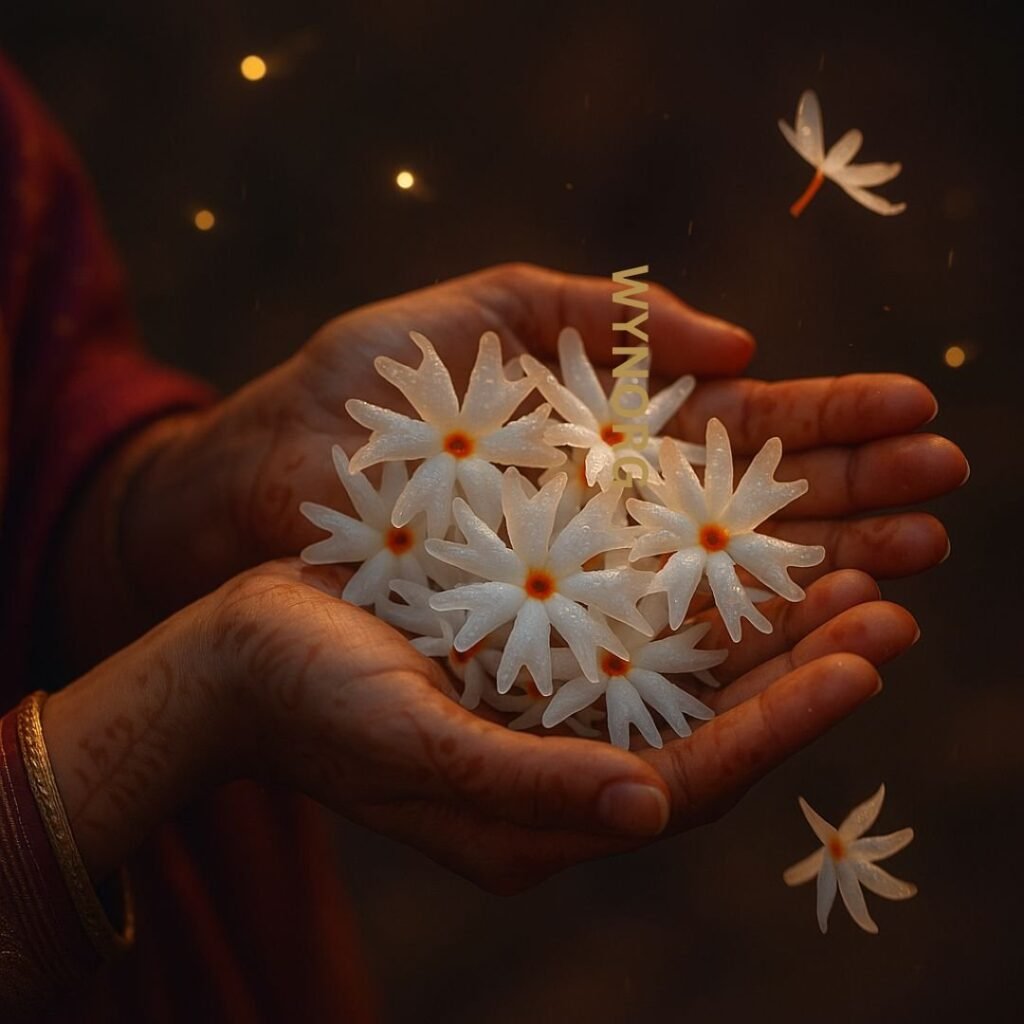
There are few plants that capture the heart and soul quite like the Parijat plant, affectionately known as Harsingar, Shiuli, or the enchanting Night-flowering Jasmine. This revered shrub holds a special place in Indian homes and gardens, not just for its breathtaking beauty but for the captivating fragrance that perfumes the night air. Its delicate white flowers, each adorned with a vibrant orange-red base, bloom with the twilight and gracefully carpet the ground by dawn, creating a magical daily spectacle.
For generations, the Parijat plant has been a symbol of devotion, purity, and beauty in India, woven into cultural and spiritual practices. Its unique nocturnal bloom makes it a cherished addition to any garden, offering a sensory experience unlike any other. Whether you’re a seasoned gardener or just starting your green journey, caring for a Parijat plant can be a deeply rewarding experience. Plantrea is the online plant platform by Wynorg, a trusted Indian brand known for delivering healthy live plants safely across India, helping you bring such botanical treasures into your home.
Botanical Overview
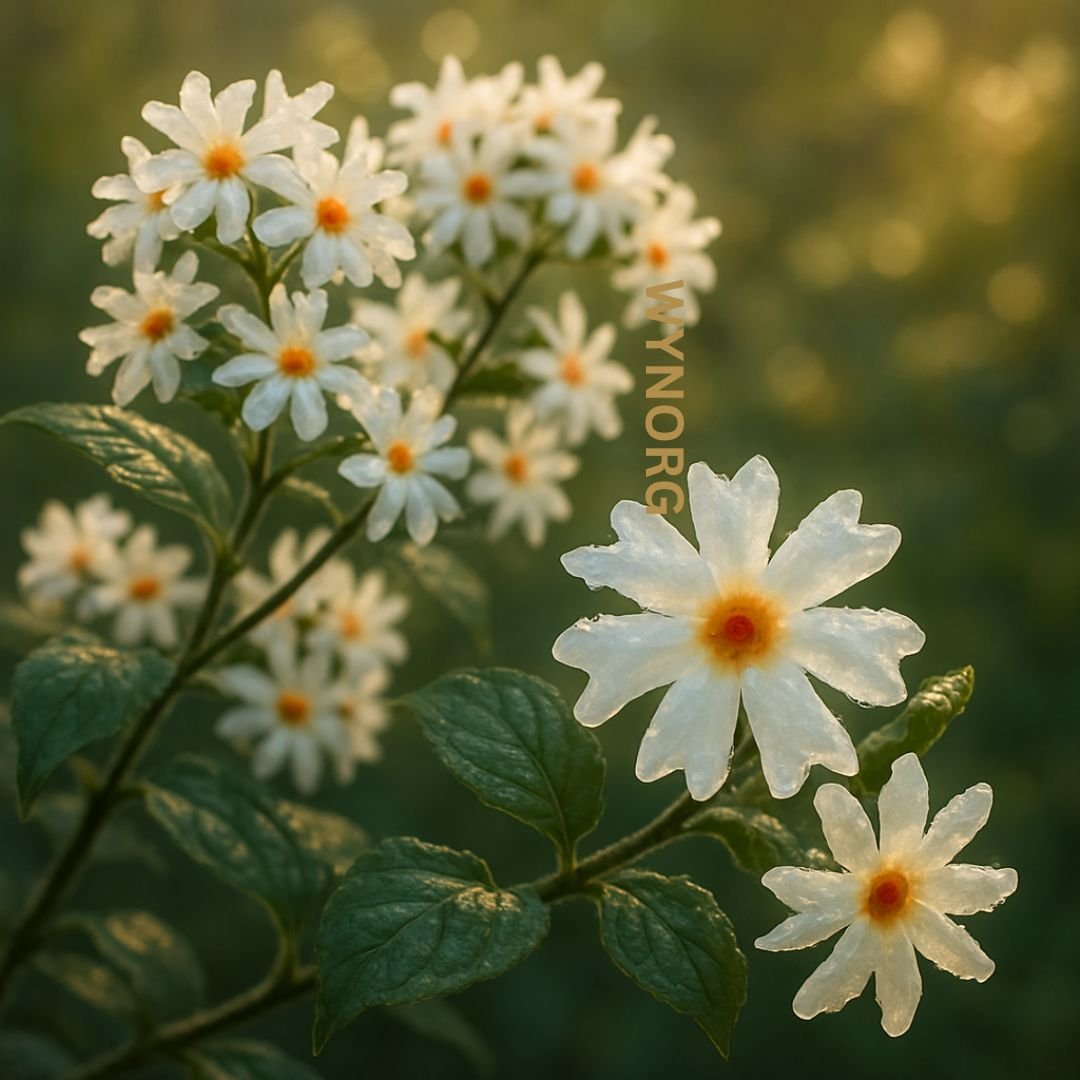
The Parijat plant, scientifically known as Nyctanthes arbor-tristis, belongs to the Oleaceae family, which also includes true jasmines and olives. Its botanical name, “arbor-tristis,” literally means “sad tree” or “tree of sorrow,” referring to its flowers that lose their vibrancy and fall at dawn, almost as if weeping. This captivating plant is native to South Asia, with its roots deeply embedded in the subcontinent’s rich biodiversity. It is primarily a woody shrub, though it can sometimes grow into a small tree under ideal conditions.
As an outdoor, upright, and bushy shrub, the Parijat plant typically reaches a height of 2 to 4 meters (6 to 12 feet), making it a versatile choice for various garden settings. Its growth habit is robust, forming a dense structure that provides an excellent backdrop for its profuse flowering. The life cycle of the Parijat plant is deeply tied to the Indian monsoon, which triggers its magnificent blooming phase.
Why People Love This Plant
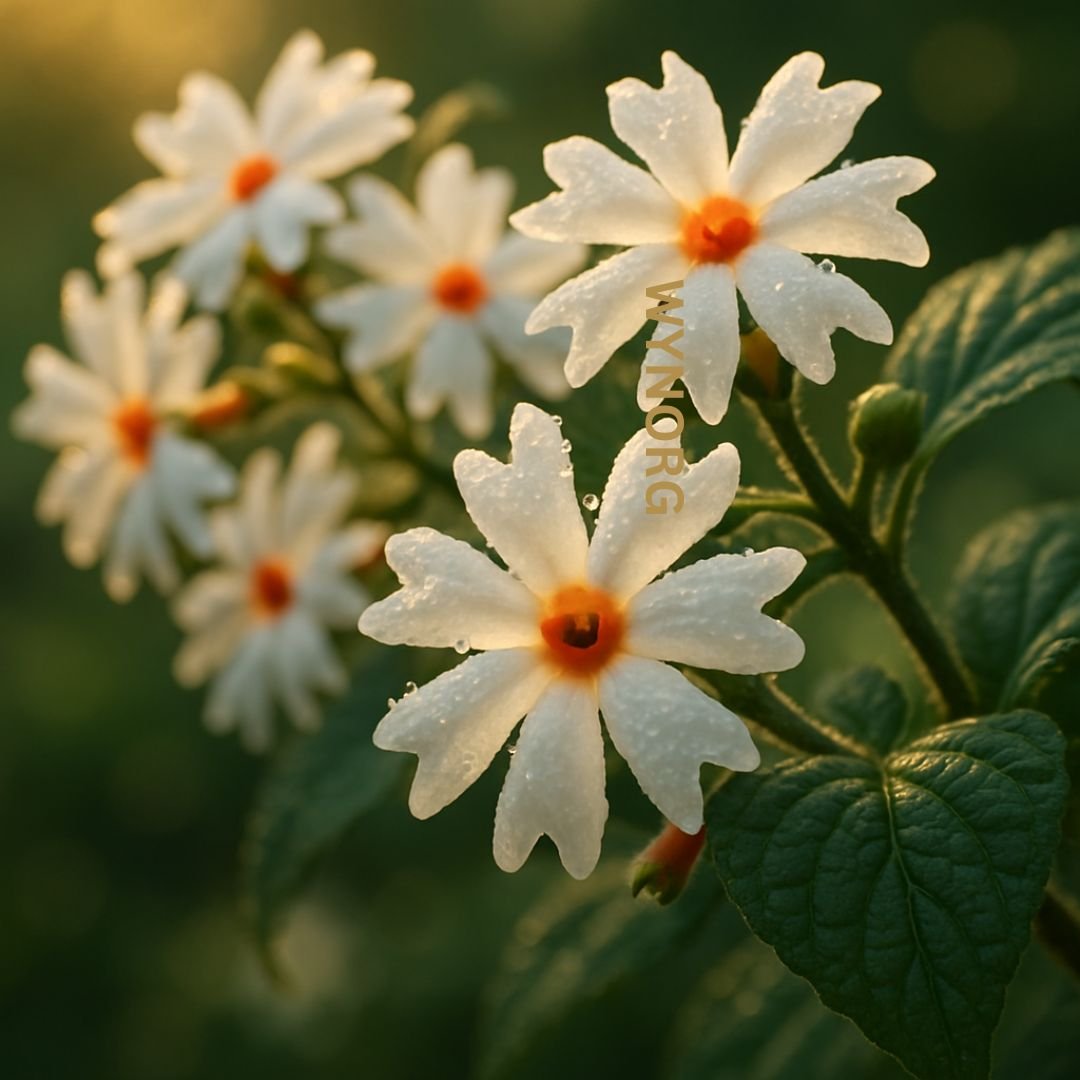
The allure of the Parijat plant is multi-faceted, drawing in plant enthusiasts with its unique characteristics and profound cultural significance.
Appearance
The most striking feature of the Parijat plant is its exquisite flowers. These are small, star-shaped, and pure white, creating a stunning contrast with their vibrant orange-red tubular bases. They appear in clusters, covering the shrub in a blanket of white during its flowering season. The foliage consists of rough, dark green leaves that provide a robust and healthy backdrop for the delicate blooms.
Flowers
The flowers of the Parijat plant are truly a wonder of nature. They famously bloom at night, opening their petals as dusk settles and releasing their intoxicating perfume. By the early hours of dawn, they gracefully detach themselves from the branches and fall to the ground, forming a pristine white and orange carpet. This daily cycle of nocturnal bloom and morning fall is a beloved characteristic, often used in religious offerings and decorations, making the Harsingar a truly sacred shrub.
Foliage
While the flowers are the star, the foliage of the Parijat plant is also noteworthy. Its leaves are simple, opposite, and have a somewhat rough, sandpaper-like texture. They are a rich dark green, providing a lush, evergreen appearance for most of the year, even when the plant is not in bloom. This dense foliage contributes to the bushy growth habit of the Parijat plant.
Fragrance
Perhaps the most enchanting quality of the Parijat plant is its fragrance. It emits a strong, sweet, and utterly captivating scent, especially pronounced during the night. This intoxicating aroma can permeate an entire garden, making it a perfect choice for moon gardens or areas where you spend evenings outdoors. The fragrance of the Night-flowering Jasmine is often described as heavenly and is a major reason for its popularity as a fragrant plant in India.
Decorative Value
Beyond its spiritual significance, the Parijat plant offers immense decorative value. Its upright, bushy growth makes it suitable for hedges, as a standalone specimen, or even in large containers on patios and courtyards. The daily spectacle of fresh flowers carpeting the ground adds an ephemeral beauty that is unique among flowering plants. The rich green foliage provides year-round beauty, making the Parijat plant a valuable addition to any home garden or landscape design.
Growing Requirements
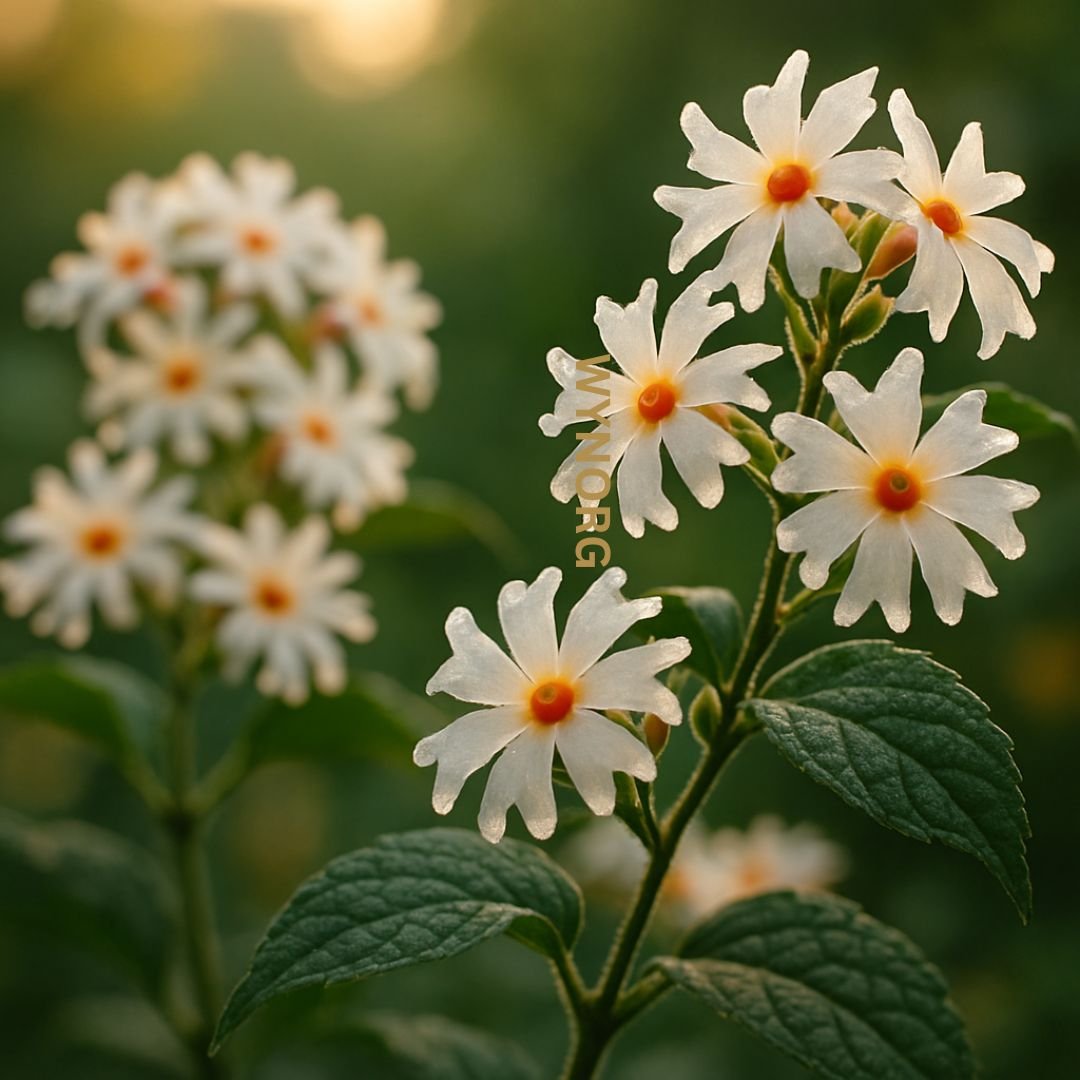
Cultivating a healthy and blooming Parijat plant is quite achievable, even for beginner gardeners, provided you understand its fundamental needs. The Harsingar plant is known for its resilience once established.
- Light: The Parijat plant thrives best in full sun, meaning at least 6-8 hours of direct sunlight per day. However, in regions with intensely hot summers, it can benefit from partial shade, especially during the scorching afternoon hours. Adequate sunlight is crucial for abundant flowering.
- Water: Moderate watering is key for the Parijat plant. The soil should be kept consistently moist but never waterlogged. Overwatering is a common mistake that can lead to root problems. During the monsoon and warmer months, water regularly. Reduce watering significantly during the cooler, drier winter months when the plant’s growth slows down.
- Temperature: Being native to South Asia, the Parijat plant prefers warm, tropical, and subtropical climates. It is generally hardy across most of India. While it can tolerate mild winters, it should be protected from severe frost, which can damage the foliage and impede flowering.
- Humidity: The Parijat plant adapts well to the natural humidity levels found across most of India, especially during the monsoon season. High humidity can sometimes lead to fungal issues if air circulation is poor, but generally, it’s not a primary concern.
- Soil: Well-draining, fertile soil is paramount for the health of your Parijat plant. A loamy soil rich in organic matter is ideal. Avoid heavy, clayey soils that retain too much moisture, as this can lead to root rot.
- Potting Mix: If growing in containers, a good quality potting mix designed for flowering shrubs, enriched with compost, works well. Ensure the pot has ample drainage holes to prevent water accumulation.
- Fertilizer: Fertilize your Parijat plant during its active growing season, which spans from spring through the monsoon. Use an organic compost or a balanced granular fertilizer (like NPK 10-10-10 or 19-19-19) once every 4-6 weeks. Reduce or stop fertilizing during the winter when the plant is dormant.
How to Care for This Plant
Caring for your Parijat plant is a rewarding journey that brings fragrant blooms and a touch of sacred beauty to your garden. Here’s a practical, step-by-step guide:
- Planting: Choose a location with full sun to partial shade. Dig a hole twice as wide as the root ball and just as deep. Gently place the Parijat plant, ensuring the top of the root ball is level with the ground. Backfill with fertile, well-draining soil, gently compacting around the base. Water thoroughly after planting.
- Watering Schedule: Establish a consistent watering routine. Check the soil moisture by inserting your finger about an inch or two deep. If it feels dry, it’s time to water. Aim to keep the soil consistently moist but never soggy. In hot Indian summers, this might mean daily watering, while in cooler periods, it could be once every few days.
- Feeding: During the growing and flowering season (spring to early winter), feed your Parijat plant regularly with an organic compost or a balanced liquid fertilizer. This provides the necessary nutrients for robust growth and abundant flowers.
- Pruning: Light pruning is best done after the flowering season concludes, typically in late winter or early spring before new growth begins. This helps maintain the shrub’s shape, encourages bushier growth, and removes any dead, diseased, or leggy branches. Avoid heavy pruning during the active flowering period.
- Pest and Disease Monitoring: While generally hardy, keep an eye out for common pests and diseases (discussed below). Early detection and intervention are crucial.
- Winter Care: In areas that experience mild winters, the Parijat plant is usually fine. However, if there’s a risk of severe frost, consider covering smaller plants or moving container-grown Harsingar to a sheltered location. Reduce watering significantly during this period.
- Mulching: Applying a layer of organic mulch around the base of the Parijat plant helps retain soil moisture, regulate soil temperature, and suppress weeds.
Common Problems and Solutions
Even with the best care, sometimes your Parijat plant might face a few challenges. Here are some common problems and their solutions:
- Yellow Leaves: This is often a sign of overwatering or nutrient deficiency.
- Solution: Check your watering schedule. Ensure the soil is well-draining and not waterlogged. If the soil is consistently wet, reduce watering frequency. If drainage is good, consider a balanced fertilizer application.
- Pests (Spider Mites, Mealybugs): Though generally pest-resistant, occasional attacks can occur, especially in stressed plants.
- Solution: Inspect leaves regularly. For minor infestations, wipe affected areas with a damp cloth or spray with a strong stream of water. For more severe cases, use neem oil spray or an insecticidal soap, ensuring thorough coverage of all leaf surfaces.
- Fungal Diseases (Fungal Spots): These can appear in overly humid conditions, especially with poor air circulation.
- Solution: Improve air circulation around the plant by selective pruning if it’s too dense. Avoid overhead watering, especially in the evenings. Remove affected leaves. In persistent cases, a fungicide may be required.
- Root Rot: This is almost always caused by excessive watering and poor drainage.
- Solution: The best solution is prevention through proper watering and well-draining soil/potting mix. If suspected, gently unpot the plant, trim off any soft, mushy, or black roots, and repot in fresh, well-draining soil.
- Poor Flowering: If your Parijat plant isn’t blooming abundantly, it could be due to insufficient sunlight or lack of nutrients.
- Solution: Ensure your plant receives at least 6-8 hours of full sun. Fertilize regularly with a balanced fertilizer during the growing season. Pruning at the right time (after flowering) can also encourage more blooms in the next season.
- Slow Growth/Leaf Drop: This can be a symptom of various stresses, including improper watering, nutrient deficiency, or extreme temperatures.
- Solution: Assess your general care routine. Ensure consistent watering, provide adequate nutrients, and protect the plant from harsh environmental conditions like severe frost or prolonged intense heat.
- Natural Flower Dropping: Remember, the rapid dropping of flowers by dawn is a characteristic of the Night-flowering Jasmine, not a problem. This is part of its charm!
Benefits
The Parijat plant offers a treasure trove of benefits, making it an invaluable addition to many Indian gardens and homes.
- Ornamental Beauty: With its striking white and orange flowers and lush green foliage, the Parijat plant is undeniably beautiful. It adds a touch of elegance and natural grace to any setting.
- Intense Nocturnal Fragrance: The strong, sweet, and captivating aroma that emanates from the flowers at night is a unique delight. It transforms evening gardens into fragrant havens, perfect for relaxation and contemplation.
- Cultural and Religious Significance: Known as a sacred shrub, Parijat flowers are extensively used in pujas and religious ceremonies across India. Its presence in a garden often brings a sense of peace and spiritual connection.
- Traditional Medicinal Properties: In Ayurveda, the leaves, bark, and flowers of Nyctanthes arbor-tristis have been traditionally used for various ailments, including fever, arthritis, and sciatica. It is important to note that these are traditional uses and should not replace professional medical advice.
- Home Decoration & Balcony Gardening: Its manageable size and beautiful blooms make it ideal for home gardens, spiritual gardens, and even in large containers for balcony gardening, adding a focal point with its unique flowering habit.
- Landscaping & Hedges: The bushy growth habit of the Parijat plant makes it an excellent choice for creating fragrant hedges or as part of a mixed border in larger landscapes.
- Moon Gardens: Given its night-blooming flowers and intense fragrance after dark, the Harsingar is an essential plant for creating enchanting moon gardens, designed to be enjoyed under the glow of the moon.
Frequently Asked Questions
Here are some common questions about the Parijat plant that gardeners often ask:
What are the best conditions for Parijat (Harsingar) to flower abundantly?
For your Parijat plant to flower abundantly, it needs ample sunlight – preferably full sun (6-8 hours daily), although partial shade is tolerated in very hot regions. It also requires consistently moist (but not waterlogged) soil and regular feeding with a balanced fertilizer during its growing season from spring through monsoon. Pruning lightly after its main flowering period also encourages more blooms in the subsequent season. The plant’s natural flowering season is from late monsoon to early winter (August to December in India), so conditions during this time are especially critical.
Is the Parijat plant considered pet-friendly or safe for consumption?
No, the Parijat plant (Nyctanthes arbor-tristis) is generally not considered pet-friendly. It is important to note that parts of the plant are considered toxic if ingested by pets. While it has traditional medicinal uses in Ayurveda, it should not be consumed without expert guidance and proper processing, as certain components can be harmful. It’s best to keep pets away from the plant to ensure their safety.
How often should I water my Parijat plant in Indian weather conditions?
The watering frequency for your Parijat plant in Indian weather conditions depends largely on the season and your local climate. During the hot and dry summer months, and especially during the monsoon when it’s actively growing and flowering, you will likely need to water more frequently, possibly daily or every other day, to keep the soil consistently moist. In cooler periods, such as winter, reduce watering significantly as the plant’s metabolic rate slows down. Always check the top inch or two of soil; if it feels dry, it’s time to water. Ensure excellent drainage to prevent root rot, especially during heavy monsoon rains.
Final Thoughts
The Parijat plant, with its ethereal beauty and captivating night fragrance, is truly a jewel in the crown of Indian horticulture. Its cultural resonance, combined with its relatively easy care, makes it a cherished addition to any home or garden. By providing the right conditions and a little attentive care, you can enjoy the magical spectacle of its night-blooming flowers and its intoxicating aroma year after year. Watching the delicate white blossoms fall by dawn, ready for collection, is a daily ritual that connects us deeply with nature.
Embracing the joy of gardening means discovering plants that resonate with our spirit and local climate. Plantrea is the online plant platform from Wynorg, helping plant lovers across India discover quality plants, practical growing advice, and trusted nursery sourcing. We hope this guide inspires you to cultivate the beautiful Harsingar and experience its unique charm.
Interested in This Plant?
If the enchanting Parijat plant has captured your imagination and you’re considering adding this fragrant beauty to your garden, we invite you to explore further with our Plant Expert chat. Located conveniently at the bottom-right corner of every page on Plantrea.com, our Plant Expert is an experienced gardening assistant, ready to help you.
You can use the Plant Expert chat to check whether the Parijat plant is currently available for delivery to your location. Moreover, if you’re unsure about the best spot for the Night-flowering Jasmine in your home or garden, our expert can provide personalised plant recommendations tailored to your specific conditions and preferences. They can also answer any lingering questions you might have about Parijat plant care and maintenance, ensuring your new plant thrives.
Should the Parijat plant not be available or if you’re looking for something similar, the Plant Expert can also help you find suitable alternatives that offer comparable beauty and fragrance. Think of it as having a personal gardener at your fingertips, ready to assist you in making the best choices for your green space.
Want to buy this plant? Visit https://plantrea.com/shop-2/