Pakistan Mulberry (Morus macroura ‘Pakistan’) – Growing & Care Guide
There’s something truly special about cultivating fruit trees in your own garden, and among them, the Pakistan Mulberry stands out as a jewel, especially loved in Indian homes and gardens for its exceptionally long, sweet, and juicy fruits. Imagine plucking these unique berries right from your tree, enjoying their distinct flavour fresh or incorporating them into delightful desserts. This fast-growing, deciduous tree not only graces your landscape with its elegant, spreading canopy but also rewards you with a bountiful harvest, making it a fantastic addition for both its beauty and its delicious offerings.
At Plantrea, the online plant platform by Wynorg, a trusted Indian brand known for delivering healthy live plants safely across India, we understand the joy and satisfaction that comes from nurturing such a magnificent plant. This comprehensive guide is designed to help you successfully grow and care for your Pakistan Mulberry, ensuring it thrives and brings you years of sweet rewards.
Botanical Overview
The plant we commonly refer to as the Pakistan Mulberry is botanically known as Morus macroura ‘Pakistan’. It belongs to the Moraceae family, which is also home to other well-known figs and breadfruit. Originally hailing from the Himalayan region, this particular cultivar is celebrated for its superior fruit quality.
As a deciduous tree, the Pakistan Mulberry sheds its leaves annually, typically in autumn, before bursting back to life with fresh foliage and flowers in spring. It exhibits a vigorous, spreading growth habit, developing a broad canopy that provides excellent shade. Mature trees can reach an impressive height of 20-30 feet (6-9 meters) with a similar spread, making it a significant presence in any garden.
Why People Love This Plant
The affection for the Pakistan Mulberry stems from several appealing characteristics that make it a favourite among gardeners and fruit enthusiasts alike.
Appearance
The tree’s aesthetic appeal is undeniable. Its large, bright green leaves, which can be either lobed or unlobed, create a lush, vibrant canopy throughout the growing season. In autumn, these leaves transition to a lovely yellow hue, adding a splash of seasonal colour before they fall. The overall form of the tree is robust and spreading, providing a grand focal point in a garden.
Flowers
In spring, the Pakistan Mulberry produces inconspicuous greenish-white catkins. While not overtly showy, these small flowers are the precursors to the tree’s most prized asset – its remarkable fruits.
Foliage
The dense foliage of the Pakistan Mulberry provides ample shade, a welcome feature during the intense Indian summers. The vibrant green leaves are healthy and abundant, contributing to the tree’s overall lush appearance.
Fragrance
Unlike many flowering plants, the Pakistan Mulberry is not primarily grown for its fragrance; its flowers do not possess a notable scent.
Decorative Value
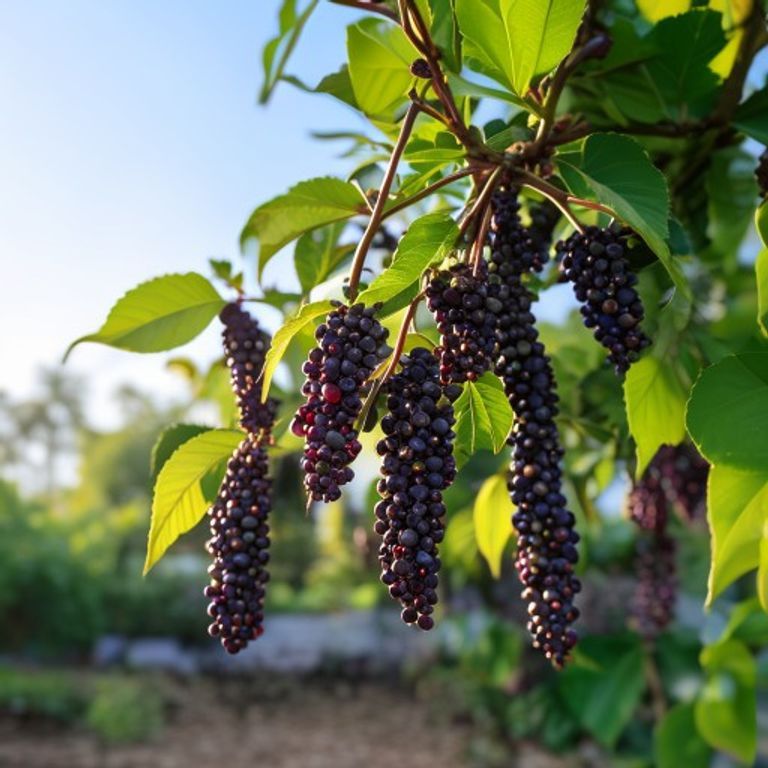
Beyond its delicious fruit, the Pakistan Mulberry offers significant decorative value. Its stately size and spreading canopy make it an excellent choice for a shade tree in larger gardens or as a specimen plant. The unique, elongated fruits, dangling like festive ornaments as they ripen, also add a unique visual interest to the tree before they are harvested.
Growing Requirements
To ensure your Pakistan Mulberry flourishes and yields abundant fruit, understanding its specific growing requirements is key. While generally easy to care for, providing optimal conditions will lead to the best results.
Light
The Pakistan Mulberry is a sun-loving tree. It absolutely thrives in full sun, meaning it needs at least 6-8 hours of direct sunlight daily for optimal growth and prolific fruit production. In the intense Indian climate, ensuring it receives adequate morning sun and some protection from harsh afternoon sun (if possible, though it usually tolerates it well once established) can be beneficial, but full sun is generally preferred.
Water
Moderate to regular watering is crucial for the Pakistan Mulberry, especially during dry spells and when the tree is actively fruiting. The soil should be kept consistently moist but never waterlogged. While established trees do exhibit moderate drought tolerance, consistent moisture is vital for fruit development and preventing stress. Young trees will require more frequent watering to establish a strong root system.
Temperature
As a deciduous tree native to the Himalayan region, the Pakistan Mulberry requires a distinct chill period to properly enter dormancy and set fruit for the following season. It is hardy in USDA Zones 6-9, which translates well to many parts of India that experience cool winters. It tolerates the warm to hot summers common across the subcontinent, provided its water needs are met.
Humidity
Humidity is generally not a critical factor for the Pakistan Mulberry. It can adapt to a range of humidity levels. However, good air circulation is always beneficial, especially in high humidity, to prevent fungal diseases.
Soil
The Pakistan Mulberry is adaptable but prefers well-draining, fertile loamy soil. A slightly acidic to neutral pH, ideally between 6.0 and 7.0, is optimal. Avoid heavy clay soils that retain too much water, as this can lead to root problems. Amending the soil with organic matter like compost before planting can significantly improve drainage and fertility.
Potting Mix
While primarily an outdoor tree, if growing a younger Pakistan Mulberry in a large container (which is possible for a few years), use a high-quality, well-draining potting mix. A mix designed for trees or shrubs, often containing perlite or coarse sand, is ideal. Ensure the container has ample drainage holes.
Fertilizer
For young Pakistan Mulberry trees, an annual application of a balanced NPK fertilizer (e.g., 10-10-10) in early spring, just as new growth begins, is beneficial. Alternatively, a good layer of organic compost around the base of the tree will provide slow-release nutrients. Mature, heavily fruiting trees will also benefit from a similar spring feeding to support fruit production. Always follow fertilizer package instructions and water thoroughly after application.
How to Care for This Plant
Caring for your Pakistan Mulberry is a rewarding experience. Here’s a step-by-step guide to keep it healthy and productive:
- Planting: Choose a site with full sun and well-draining soil. Dig a hole twice as wide as the root ball and just as deep. Gently loosen the roots before placing the tree, ensuring the top of the root ball is level with the soil surface. Backfill with soil, tamp gently to remove air pockets, and water thoroughly.
- Watering Schedule: During the first year, water newly planted trees regularly, 2-3 times a week, to encourage root establishment. For established trees, monitor soil moisture, especially during dry periods and fruiting season. Water deeply when the top 2-3 inches of soil feel dry.
- Pruning: Prune your Pakistan Mulberry in late winter or early spring while the tree is dormant. Focus on shaping the tree, maintaining its size, encouraging strong branching, and removing any dead, diseased, or crossing limbs. You can also thin out some branches to improve air circulation and light penetration, which benefits fruit quality.
- Fertilization: As mentioned, fertilize young trees annually in early spring. For mature fruiting trees, a spring application of compost or a balanced fertilizer will boost production.
- Pest and Disease Monitoring: Regularly inspect your tree for any signs of pests or diseases. Early detection makes treatment much easier.
- Protection from Birds: The delicious fruits of the Pakistan Mulberry are highly attractive to birds. If you wish to harvest a significant amount, consider netting your tree as the fruits begin to ripen.
- Mulching: Apply a layer of organic mulch (like wood chips or compost) around the base of the tree, keeping it a few inches away from the trunk. Mulch helps retain soil moisture, regulate soil temperature, and suppress weeds.
Common Problems and Solutions
Even with the best care, Pakistan Mulberry trees can encounter a few issues. Here are some common problems and practical solutions:
- Bird Predation:
- Problem: Birds love the sweet, ripe Pakistan Mulberries and can strip a tree quickly.
- Solution: The most effective method is to drape bird netting over the tree as fruits begin to change colour and ripen.
- Pests:
- Problem: Scale insects and mealybugs can occasionally infest mulberry trees, leading to sticky residue (honeydew) and sooty mold.
- Solution: For minor infestations, a strong stream of water can dislodge them. For more severe cases, apply horticultural oil or insecticidal soap, ensuring thorough coverage of both upper and lower leaf surfaces.
- Fungal Diseases:
- Problem: Diseases such as bacterial blight, canker, and powdery mildew can occur, especially in humid conditions or areas with poor air circulation. Powdery mildew appears as white, powdery spots on leaves.
- Solution: Ensure good air circulation through proper pruning. Remove and destroy affected plant parts. Fungicides can be used for persistent powdery mildew, following product instructions carefully. For bacterial blight and canker, proper sanitation and pruning of affected branches are key.
- Root Rot:
- Problem: Yellowing leaves, wilting, and overall decline of the tree, often occurring in poorly drained soils.
- Solution: Prevent root rot by ensuring excellent soil drainage at planting. Avoid overwatering. If root rot is suspected in an established tree, improve drainage around the root zone if possible, and reduce watering frequency.
- Yellow Leaves (Chlorosis):
- Problem: Leaves turn yellow while veins remain green, often indicating an iron deficiency. This is common in highly alkaline soils where iron becomes unavailable to the plant.
- Solution: Test your soil pH. If it’s too alkaline, amend with sulfur or peat moss to lower the pH. You can also apply an iron chelate supplement to the soil or as a foliar spray.
- Slow Growth:
- Problem: The tree is not growing as vigorously as expected.
- Solution: Ensure it’s receiving full sun, adequate water, and proper nutrition. Check for compacted soil or competition from other plants. Young Pakistan Mulberry trees are generally fast-growing, so stunted growth often points to a cultural deficiency.
Benefits
The Pakistan Mulberry offers a myriad of benefits that extend beyond just its delicious fruit, making it a highly desirable plant for various garden settings.
- Edible Fruit: The primary allure of the Pakistan Mulberry is its exceptionally long, sweet, and juicy fruit. These berries are perfect for fresh eating, making jams, pies, or dried snacks. They are significantly larger and sweeter than many common mulberry varieties.
- Home Decoration & Shade Tree: With its broad, spreading canopy and vigorous growth, the Pakistan Mulberry quickly establishes itself as an excellent shade tree. It provides a cool retreat during hot Indian summers, enhancing the comfort and aesthetics of a home garden.
- Edible Landscaping: Integrating the Pakistan Mulberry into your landscape design combines beauty with utility. Its attractive foliage and unique fruits make it a focal point while also providing a food source.
- Wildlife Friendly: While a challenge for fruit harvesting, the abundance of mulberries provides a valuable food source for various local wildlife, particularly birds, contributing to the biodiversity of your garden ecosystem.
- Large Containers: While it prefers to be in the ground, younger Pakistan Mulberries can be grown in very large containers for a few years, allowing for some flexibility in placement on spacious balconies or patios.
Frequently Asked Questions
How long does it take for a Pakistan Mulberry tree to bear fruit?
Pakistan Mulberry trees typically begin bearing fruit within 2-3 years when grown from cuttings or grafts. This relatively quick fruiting time adds to its appeal for impatient gardeners!
What are the ideal growing conditions for Pakistan Mulberry?
This tree thrives in full sun, requiring at least 6-8 hours of direct sunlight daily for optimal fruit production. It prefers well-draining, fertile loamy soil with a pH between 6.0 and 7.0. Regular watering is important, especially during dry periods and while the tree is actively fruiting, ensuring the soil remains consistently moist but not waterlogged.
Is the Pakistan Mulberry tree messy?
Yes, like most mulberry varieties, the ripe, juicy fruits of the Pakistan Mulberry can drop and stain surfaces below. If planted over patios, walkways, or driveways, the falling fruit can be quite messy. It’s best to plant it in a grassy area or where falling fruit is not an issue, or be prepared to harvest frequently.
Final Thoughts
Cultivating a Pakistan Mulberry tree is a truly enriching experience, offering not just the joy of fresh, delicious fruit but also the beauty and shade of a magnificent tree. Its resilience, combined with its unique bounty, makes it a highly recommended choice for Indian gardens. By providing it with ample sunlight, consistent watering, and well-draining soil, you’ll be well on your way to enjoying its many benefits for years to come.
Embrace the journey of growing this wonderful fruit tree, and let your garden thrive with its presence. Plantrea is the online plant platform from Wynorg, helping plant lovers across India discover quality plants, practical growing advice, and trusted nursery sourcing. We are always here to support your green thumb adventures!
Interested in This Plant?
If the idea of growing your own Pakistan Mulberry tree has captured your imagination, you might have a few more questions. Perhaps you’re wondering about its current availability, or if it’s the perfect fit for your specific garden conditions.
Don’t hesitate to reach out to our Plant Expert chat, conveniently located at the bottom-right corner of every page. Our knowledgeable gardening assistant can help you check whether the Pakistan Mulberry is currently available, provide personalised plant recommendations tailored to your home or garden, and answer any specific plant care questions you might have.
Whether you’re curious about different varieties of mulberries, looking for suitable alternatives if the Pakistan Mulberry isn’t quite right for you, or just need some practical tips, our Plant Expert is here to guide you. It’s like having an experienced gardener by your side, ready to assist you in making the best choices for your green space.
Want to buy this plant? Visit https://plantrea.com/shop-2/