Buy Neem Plant (Arya Vep) Online – Medicinal Tree | Plantrea Wynorg Nursery
The Neem plant, known botanically as Azadirachta indica and affectionately as Arya Vep in many Indian households, holds a special place in our hearts and gardens. This magnificent evergreen tree is far more than just a source of shade; it’s a living treasure chest of medicinal properties, a natural guardian against pests, and a symbol of holistic well-being. From its dense foliage to its small, fragrant flowers, every part of the Neem plant is revered, making it a beloved addition to home gardens and larger landscapes across the country. Its resilience and versatility in tropical and sub-tropical climates make it an ideal choice for gardeners, whether seasoned or just starting their green journey.
At Plantrea, the online plant platform by Wynorg, a trusted Indian brand known for delivering healthy live plants safely across India, we understand the deep cultural and practical significance of the Neem plant. We are dedicated to helping you bring this incredible tree into your space, ensuring it thrives and enriches your life with its numerous benefits. Delve into this comprehensive guide to learn everything you need to know about growing and caring for your very own Neem tree.
Botanical Overview
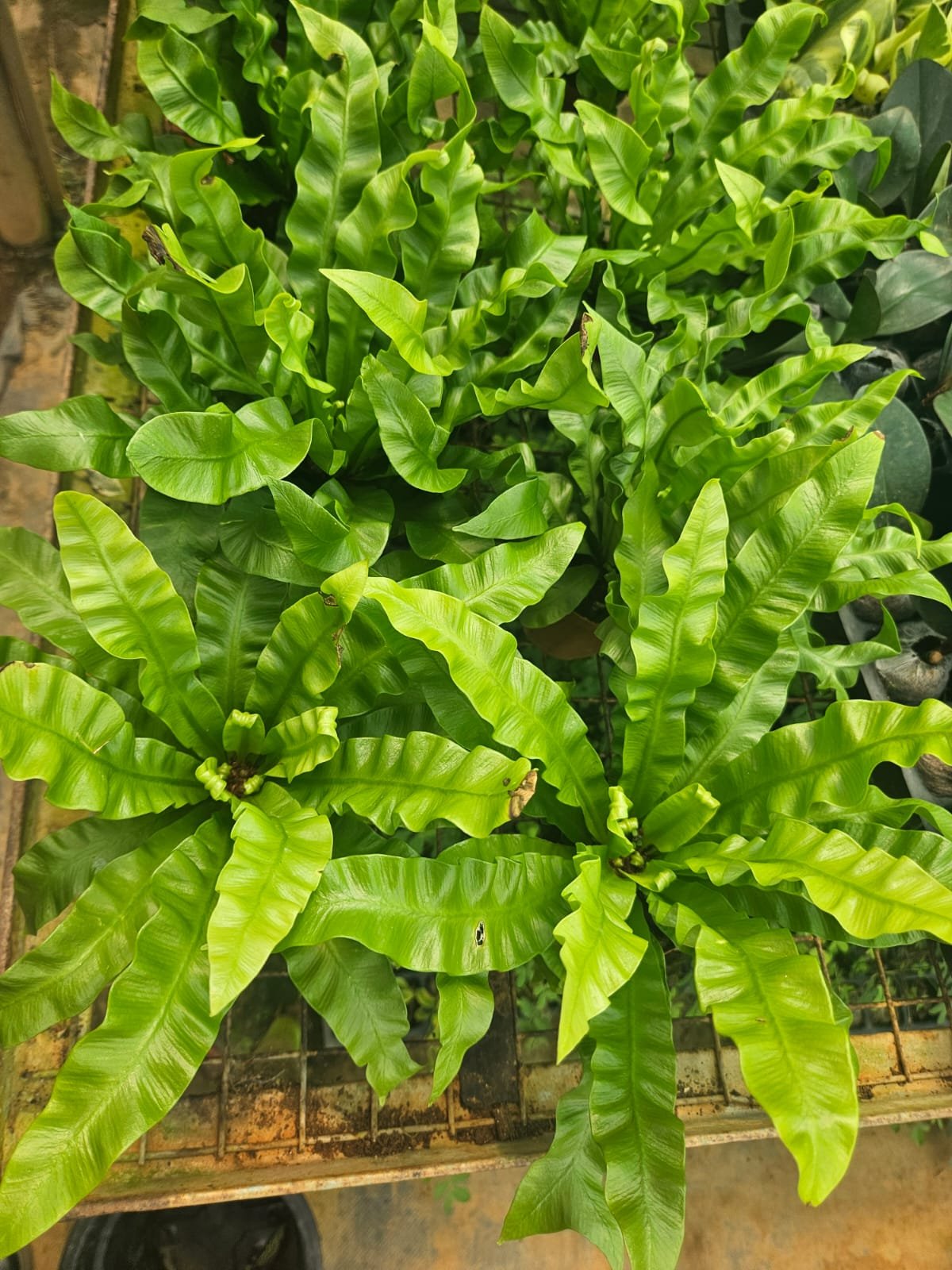
The Neem plant, or Azadirachta indica, is a fascinating specimen with a rich botanical history.
- Botanical Name: Azadirachta indica
- Plant Family: Meliaceae (Mahogany family)
- Origin: Native to the Indian subcontinent and parts of Southeast Asia, particularly thriving in India.
- Plant Type: Evergreen Tree, Ayurvedic Plant
- Growth Habit: It exhibits an upright and spreading growth habit. When young, it grows steadily upwards, and as it matures, its canopy expands, providing excellent shade. It’s a robust tree that can withstand various environmental conditions once established.
Why People Love This Plant
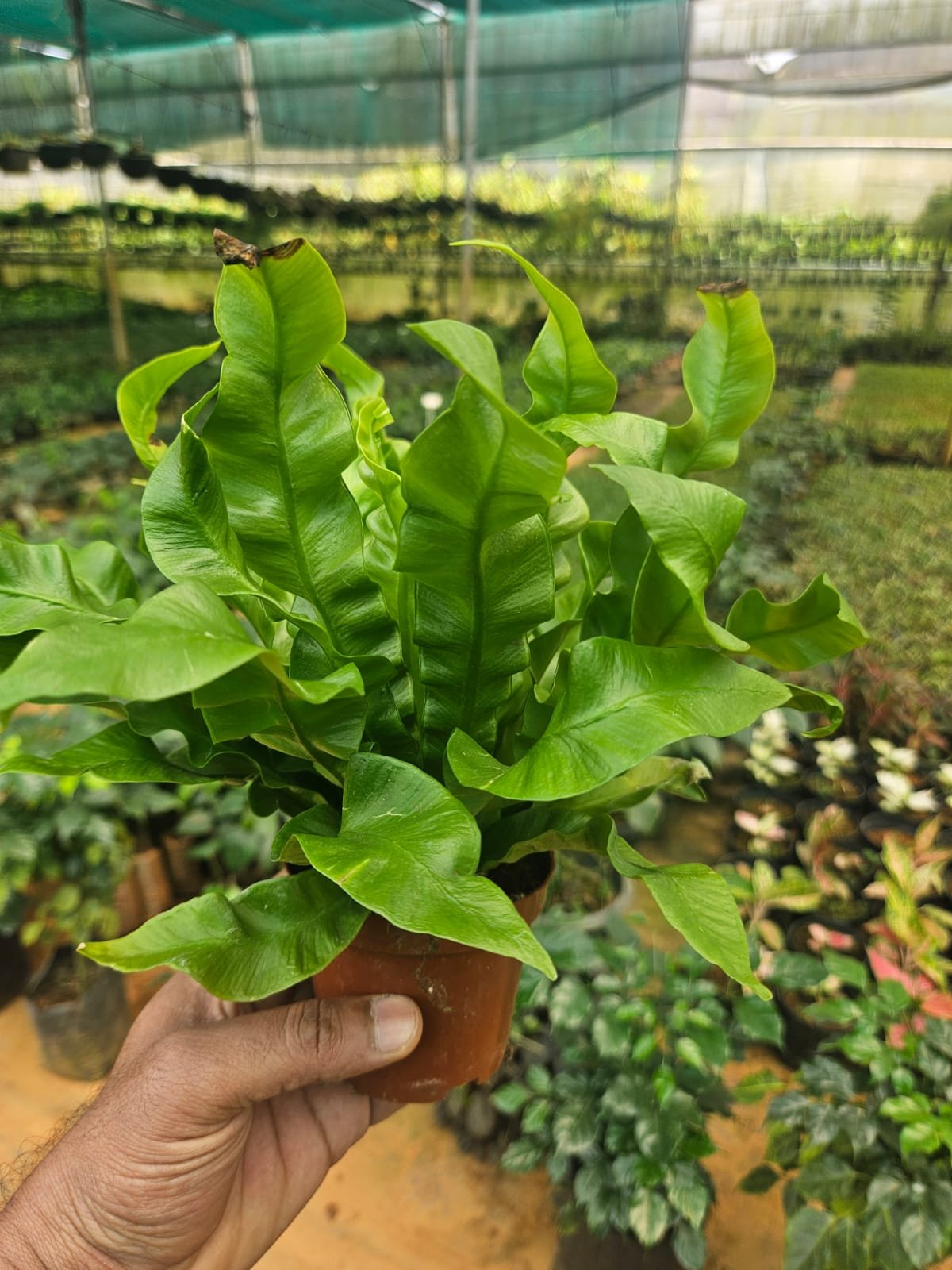
The Neem plant’s popularity stems from a blend of its aesthetic appeal, profound utility, and deep-rooted cultural significance in India. It’s not just a tree; it’s an institution.
- Appearance: The Neem plant boasts a majestic appearance. It’s a tall, stately tree with a dense, rounded to oval crown. Its bark is rough, furrowed, and dark brown, often exuding a reddish sap. The tree provides substantial shade, a welcome relief during India’s hot summers.
- Flowers: During its flowering season, the Neem tree is adorned with clusters of small, delicate, white to creamy white flowers. These blossoms appear in profusion, creating a beautiful spectacle.
- Foliage: The leaves are pinnate, meaning they are arranged in opposite pairs along a central stem. Each leaf is bright to dark green, glossy, and distinctly serrated at the edges. The dense foliage contributes significantly to the tree’s shade-giving capacity and its air-purifying qualities.
- Fragrance: The flowers of the Neem plant release a mild, sweet, honey-like fragrance, especially noticeable in the evenings. This subtle scent adds another layer of charm to the tree, often attracting bees and other pollinators.
- Decorative Value: While primarily known for its medicinal and environmental benefits, a well-grown Neem tree is also a striking landscape feature. Its grand stature and lush canopy make it an excellent choice for large gardens, public parks, and as a roadside tree. The delicate flowers and eventual olive-like fruits further enhance its visual appeal.
Growing Requirements
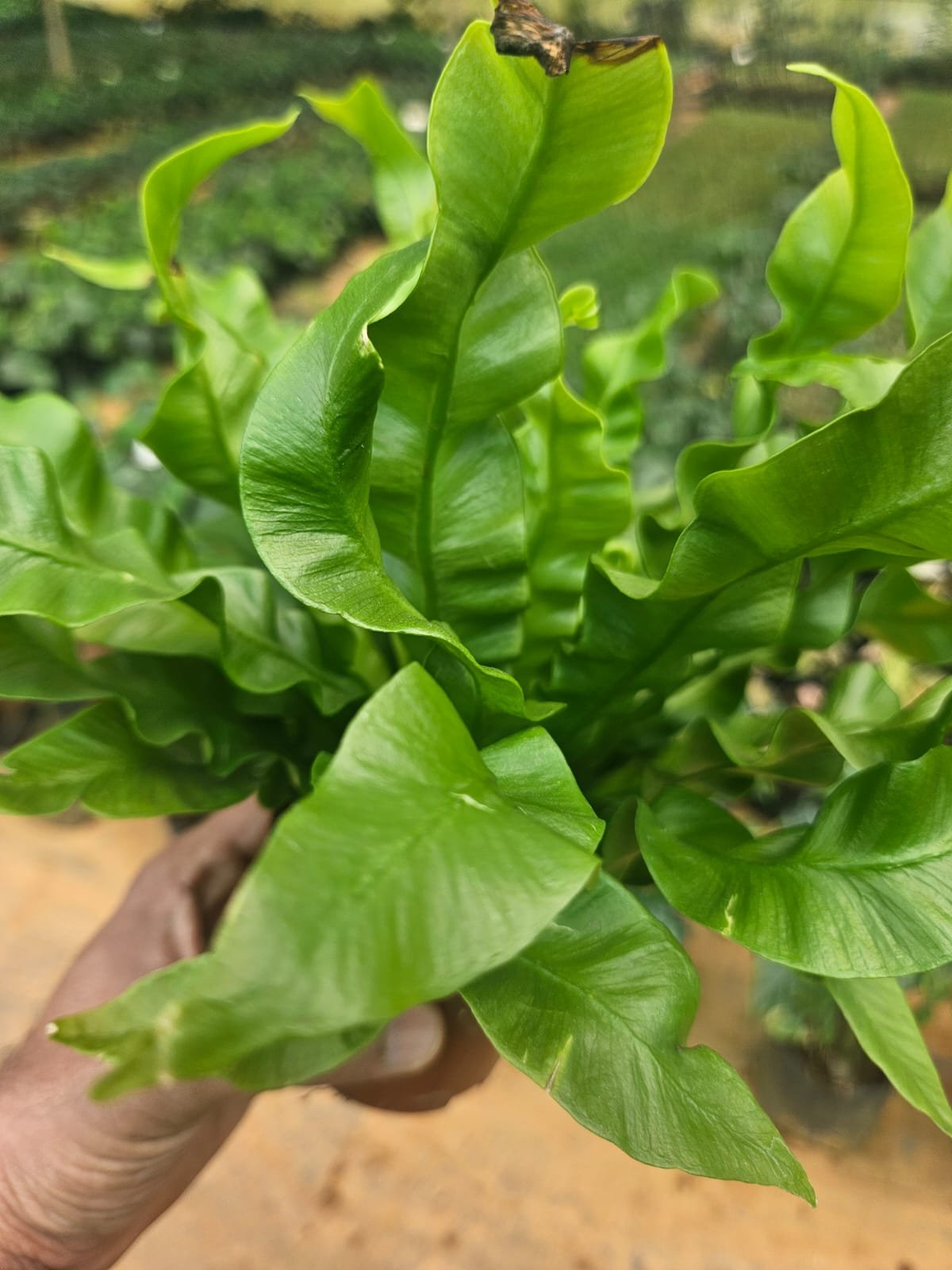
Growing a healthy Neem plant in your Indian garden is relatively straightforward, thanks to its hardy nature. Here’s what it needs to thrive:
- Light: The Neem plant is a sun-worshipper. It absolutely thrives in full sun, requiring at least 6-8 hours of direct sunlight daily to grow vigorously and produce its medicinal compounds effectively. Choose a spot in your garden that receives ample, unobstructed sunlight throughout the day.
- Water: When your Neem plant is young and establishing itself, it requires moderate and consistent watering. Water regularly, ensuring the soil remains moist but not waterlogged. Once the tree is established (typically after 1-2 years), it becomes remarkably drought-tolerant, a significant advantage in many Indian regions. At this stage, allow the soil to dry out completely between waterings. Overwatering is a common pitfall and can lead to root rot.
- Temperature: As a tree native to tropical and sub-tropical regions, the Neem plant loves warmth. It flourishes in temperatures ranging from 20°C to 40°C. While established trees can tolerate short periods of cooler temperatures, they are sensitive to extreme cold and frost, which can damage young trees.
- Humidity: Neem trees are accustomed to the moderate to high humidity levels typical of many parts of India. They generally do not require special humidity considerations.
- Soil: The key to healthy Neem growth is well-drained soil. It adapts to a wide range of soil types but prefers sandy to loamy soils. Good drainage is crucial to prevent root rot.
- Potting Mix: If you’re growing a young Neem plant in a large pot outdoors, use a high-quality potting mix that offers excellent drainage. A mix designed for trees or a standard potting mix amended with sand or perlite will work well. Ensure the pot has ample drainage holes.
- Fertilizer: Neem trees are not heavy feeders, especially when mature. For young trees and annually for established ones, fertilize with organic compost or a balanced tree fertilizer during the growing season (spring and monsoon). This provides essential nutrients without overfeeding.
How to Care for This Plant
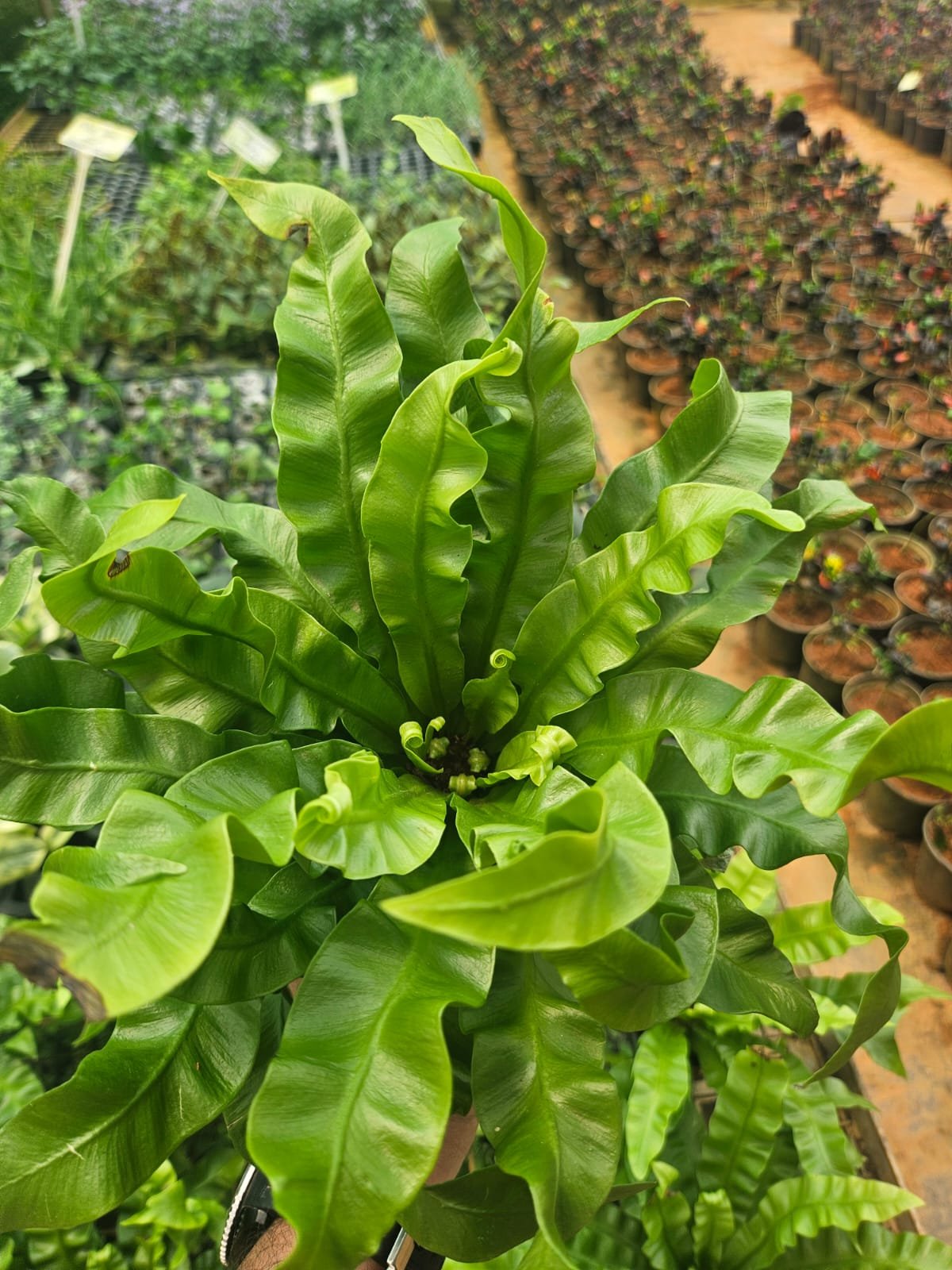
Caring for your Neem plant is a rewarding experience. Here’s a practical, step-by-step guide for Indian conditions:
- Location Selection: Choose a permanent spot in your garden that receives full sun for at least 6-8 hours daily. Remember, this tree can grow quite large, so ensure it has ample space away from foundations, septic lines, and other structures.
- Planting: Dig a hole that is twice as wide and as deep as the root ball. Gently remove the plant from its nursery container and place it in the hole, ensuring the top of the root ball is level with the ground. Backfill with the excavated soil, mixed with some organic compost if your soil quality is poor. Water thoroughly after planting.
- Initial Watering: For the first year or two, water your young Neem plant regularly. Keep the soil consistently moist but never soggy. Check the soil moisture by sticking your finger about an inch or two deep; if it feels dry, it’s time to water.
- Mature Watering: Once your Neem plant is well-established and its root system has developed, it becomes remarkably drought-tolerant. You can reduce watering frequency significantly, allowing the soil to dry out completely between waterings. During prolonged dry spells or intense heat, occasional deep watering will be beneficial.
- Pruning: Prune young Neem trees to encourage a strong central leader and a good branching structure. Remove any dead, diseased, or crossing branches. Light pruning can also be done to maintain shape or remove lower branches for clearance. The best time for pruning is usually after the flowering season.
- Fertilization: Fertilize your Neem plant annually in spring or early monsoon with a layer of organic compost around its base. Alternatively, you can use a balanced tree fertilizer according to product instructions. Avoid over-fertilizing, as Neem trees are not demanding.
- Pest and Disease Management: Neem trees are naturally robust and resistant to most pests and diseases due to their intrinsic properties. Maintain good cultural practices like proper watering and air circulation to prevent issues.
- Winter Care (if applicable): In parts of India that experience occasional mild winters, established Neem trees are generally hardy. However, young trees might benefit from some protection if temperatures are expected to drop significantly. This could involve wrapping the trunk or providing temporary cover.
- Potting (for young trees): If growing in a pot, ensure it’s a very large container to accommodate the root system. Repot as needed into a larger container until the tree is ready to be planted in the ground.
Common Problems and Solutions
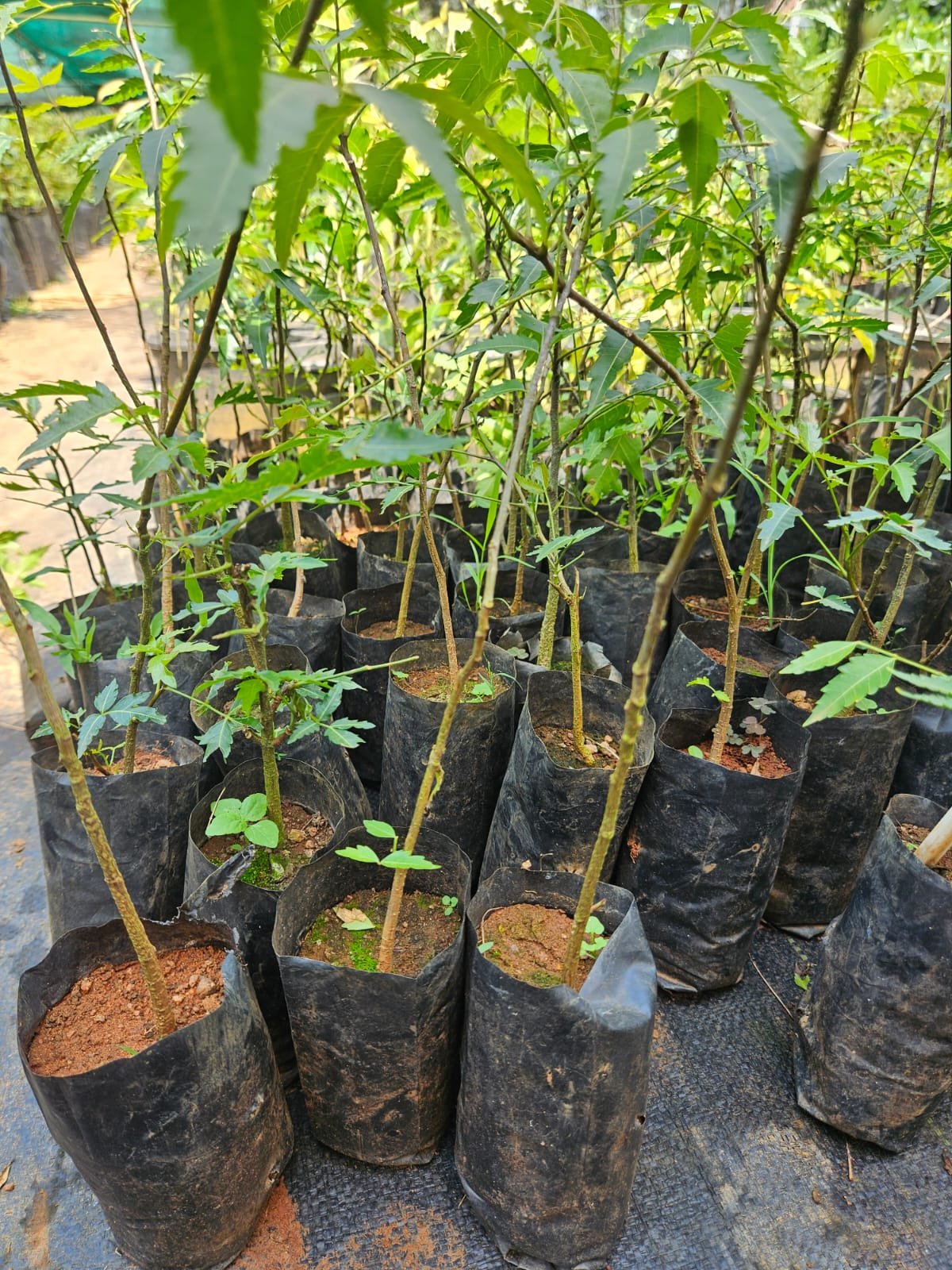
While the Neem plant is remarkably resilient, a few issues can occasionally arise. Here’s how to address them:
- Yellow Leaves: This is most often a sign of overwatering or poor drainage. Ensure your soil is well-drained and adjust your watering schedule to allow the soil to dry out between waterings. Nutrient deficiencies can also cause yellowing; an annual application of organic compost usually resolves this.
- Pests: Neem trees are natural pest repellents, so severe pest infestations are rare. However, young trees might occasionally attract common garden pests. Usually, a strong spray of water can dislodge them. For persistent issues, a mild organic insecticidal soap can be used, though rarely needed for Neem.
- Fungal Diseases: In very humid conditions or with poor air circulation, some fungal issues might occasionally arise, particularly on leaves. Ensure good air circulation by proper spacing (if multiple trees) and light pruning. Remove any affected leaves promptly. Avoiding overhead watering can also help.
- Root Rot: This is almost exclusively caused by consistent overwatering and poorly drained soil. The roots sit in waterlogged conditions, leading to decay. The solution is to improve drainage, reduce watering frequency, and ensure the pot (if applicable) has sufficient drainage holes. Signs include wilting despite watering, yellowing leaves, and stunted growth.
- Slow Growth: If your Neem plant is growing slowly, it might not be receiving enough sunlight or nutrients. Ensure it gets at least 6-8 hours of direct sun. A boost with organic compost or a balanced fertilizer in the growing season can also help.
- Leaf Drop: A sudden change in environment (e.g., transplant shock), extreme cold, or severe underwatering/overwatering can cause leaf drop. Identify the stressor and rectify it. Established trees might shed some older leaves as part of their natural cycle, which is normal.
Benefits
The Neem plant is truly a powerhouse of benefits, making it an invaluable addition to any home or landscape.
- Highly Valued for Medicinal Properties: The Neem plant is an Ayurvedic plant revered for millennia. Its leaves, bark, seeds, and oil are packed with powerful compounds like azadirachtin, nimbin, and nimbidin, offering broad-spectrum medicinal properties. These include antibacterial, antifungal, antiviral, and anti-inflammatory effects. It’s widely used in traditional medicine for skin ailments, dental health, digestive issues, and general wellness.
- Natural Pest Repellent: This is one of the most celebrated qualities of the Neem plant. Its compounds act as a natural pest repellent and insecticide, discouraging a wide range of garden pests without harming beneficial insects. Neem oil is a popular organic solution for gardeners seeking natural pest control.
- Air Purification: As a large, evergreen tree with dense foliage, the Neem plant contributes significantly to air quality. It absorbs carbon dioxide and releases oxygen, helping to clean the air and reduce air pollution, especially in urban areas.
- Shade Provision: Its wide, spreading canopy provides excellent shade, offering relief from the intense sun, particularly in India’s hot climate. This makes it ideal for gardens, courtyards, and public spaces.
- Balcony Gardening (when young): While it grows into a large tree, a young Neem plant can be successfully grown in a large pot on a balcony or patio for a few years, allowing you to enjoy its benefits even in smaller spaces.
- Landscaping: Its majestic appearance and practical benefits make it an excellent choice for landscaping, whether as a specimen tree, along driveways, or as part of a medicinal garden.
- Sustainable Living: For those interested in sustainable living, the Neem plant is a versatile resource, providing natural solutions for health, agriculture, and environmental benefits.
Frequently Asked Questions
What are the main benefits of a Neem plant?
The main benefits of a Neem plant are extensive. It’s highly valued for its broad-spectrum medicinal properties, acting as a natural antibacterial, antifungal, antiviral, and anti-inflammatory agent. Its leaves, bark, seeds, and oil are extensively used in traditional Ayurvedic medicine for various health issues, including skin conditions, dental care, and boosting overall immunity. Beyond health, it’s a potent natural pest repellent, provides significant air purification, offers ample shade, and supports sustainable living practices.
How do I care for my Neem tree in Indian conditions?
Caring for your Neem tree in Indian conditions involves providing it with full sun (at least 6-8 hours daily) and well-drained soil. Water regularly when the tree is young and establishing itself, allowing the soil to dry slightly between waterings. Once mature, it becomes very drought-tolerant, so water only when the soil is dry. Fertilize annually with organic compost in spring or monsoon. Prune young trees to establish a strong structure and remove dead or crossing branches. Protect very young trees from extreme cold, though established trees in warm Indian climates are generally hardy.
Is the Neem plant safe for pets?
While the Neem plant is generally considered to have low toxicity in small amounts, caution should be exercised with pets. Large ingestion of Neem leaves or seeds by pets is not recommended and can cause digestive upset, including vomiting or diarrhea. It’s best to prevent pets from consuming significant quantities of any part of the Neem plant. If you suspect your pet has ingested a large amount and is showing adverse symptoms, it’s advisable to consult a veterinarian.
Final Thoughts
The Neem plant, Azadirachta indica or Arya Vep, is truly one of nature’s marvels. Its robust growth, minimal care requirements, and an impressive array of benefits, from medicinal applications to natural pest control and air purification, make it an indispensable tree for every Indian home and garden. Whether you’re a seasoned gardener or just beginning your green journey, incorporating a Neem tree into your landscape is a decision that offers long-term rewards for your health, your environment, and your connection to nature.
Embrace the ancient wisdom and practical benefits of this remarkable tree. Plantrea is the online plant platform from Wynorg, helping plant lovers across India discover quality plants, practical growing advice, and trusted nursery sourcing. We are committed to empowering you with the knowledge and resources to cultivate a thriving, beautiful, and beneficial garden.
Interested in This Plant?
If the fascinating Neem plant has captured your imagination and you’re considering adding this medicinal powerhouse to your garden, we’re here to help! Growing a Neem plant can be a truly rewarding experience, offering a multitude of benefits for your home and health.
For any specific questions about the Neem plant, or if you’d like to check its current availability, simply use our Plant Expert chat feature. You’ll find it conveniently located at the bottom-right corner of every page on Plantrea. Our friendly and knowledgeable Plant Expert is ready to provide you with personalised recommendations for your home or garden, offer tailored plant care advice, and help you discover if the Neem plant is the perfect fit for your space.
Whether you need to know more about its specific needs in your region, want to find out about suitable alternatives if the Neem plant is currently out of stock, or just have a general plant care query, our Plant Expert is your trusted gardening assistant. Feel free to reach out and let us help you grow your green sanctuary!
Want to buy this plant? Visit https://plantrea.com/shop-2/