Growing Madhuri Guava: A Complete Care Guide for Indian Gardens
Guava, known as “Amrood” in Hindi, holds a special place in the hearts and gardens of Indian plant enthusiasts. Among its many delightful varieties, the Madhuri guava stands out as a truly cherished fruit tree. Its sweet, aromatic fruits are a treat for the senses, making it a popular choice for home gardens, courtyards, and even large pots on sunny balconies across India. Beyond its delicious produce, the Madhuri guava plant offers lush green foliage and a charming presence, enriching any outdoor space. Plantrea is the online plant platform by Wynorg, a trusted Indian brand known for delivering healthy live plants safely across India, helping you bring such botanical treasures into your home.
Botanical Overview
The Madhuri guava is a prized cultivar of the common guava, scientifically known as *Psidium guajava* ‘Madhuri’. It belongs to the Myrtaceae family, which includes other well-known fruit trees like eucalyptus and allspice. Originating from Central and South America, guavas have long been naturalized and cultivated extensively in tropical and subtropical regions worldwide, including India, where they thrive. The Madhuri guava plant is typically a small, bushy tree or a large shrub, characterized by its moderate growth habit and ability to produce abundant fruit.
Why People Love This Plant
The appeal of the Madhuri guava goes beyond just its fruit. It’s a plant that offers a multi-sensory experience and practical benefits for the home gardener.
Appearance
The Madhuri guava plant is visually appealing with its spreading canopy and attractive foliage. Young stems are often reddish-brown, maturing into a light brown trunk with peeling bark, which adds character. The leaves are ovate or oblong, dark green, somewhat stiff, and prominently veined, providing a dense, lush look.
Flowers
The flowers of the Madhuri guava are small, delicate, and typically white, often appearing in clusters or singly in the leaf axils. While not overtly showy, they possess a simple beauty and a mild, pleasant fragrance that signals the promise of future fruits. These blossoms are particularly attractive to pollinators, essential for fruit set.
Foliage
The evergreen foliage remains vibrant throughout the year, offering a constant splash of green. This makes the Madhuri guava an excellent choice for providing year-round visual interest and shade in a garden or on a large patio.
Fragrance
While the flowers have a subtle scent, it is the fruit of the Madhuri guava that truly delights with its strong, sweet, and unique tropical aroma. This rich fragrance fills the air when the fruits ripen, a sure sign of their deliciousness.
Decorative Value
Even when not laden with fruit, a well-maintained Madhuri guava plant adds significant decorative value to a garden. Its pleasing shape, evergreen leaves, and the occasional burst of white flowers contribute to a natural and inviting aesthetic, making it an ideal candidate for home decoration and balcony gardening.
Growing Requirements
Understanding the specific needs of your Madhuri guava plant is the first step towards a bountiful harvest. Here’s what this wonderful fruit tree needs to thrive in Indian conditions.
Light
Madhuri guava plants are sun-lovers and require ample sunlight to produce sweet, juicy fruits. They need at least 6-8 hours of direct full sun daily. In areas with very intense afternoon sun, some dappled shade during the hottest part of the day might be beneficial, but generally, more sun equals more fruit.
Water
Consistent watering is crucial for the Madhuri guava, especially during its establishment phase and when the plant is flowering and fruiting. Water deeply when the top inch or two of the soil feels dry to the touch. Avoid overwatering, which can lead to root rot. During the dry season in India, more frequent watering will be necessary, while rainfall will suffice during the monsoon. Reduce watering slightly during cooler, dormant periods.
Temperature
Being a tropical plant, Madhuri guava thrives in warm temperatures. It prefers temperatures between 20°C and 30°C. While it can tolerate brief dips, prolonged exposure to temperatures below 5°C can damage the plant. It’s well-suited to the warm and humid climate prevalent across much of India.
Humidity
High humidity is generally preferred by Madhuri guava, mimicking its tropical origins. India’s naturally humid climate, especially during and after the monsoon, is quite favorable for its growth. No special measures are usually required for humidity in most Indian regions.
Soil
Madhuri guava is adaptable but performs best in well-draining, fertile soil. A sandy loam with a pH between 5.5 and 7.0 is ideal. Good drainage is paramount to prevent waterlogging and root issues.
Potting Mix
If growing Madhuri guava in a pot, use a high-quality potting mix that offers good drainage and aeration. A mix specifically designed for fruit trees or a blend of garden soil, coco peat, and compost in equal parts works well. Ensure the pot is large, at least 18-24 inches in diameter for a mature plant, with adequate drainage holes.
Fertilizer
Regular feeding supports healthy growth and fruiting for Madhuri guava. Use a balanced NPK fertilizer (e.g., 8-8-8 or 10-10-10) during the growing season (spring and summer). For mature, fruiting trees, a fertilizer higher in potassium (K) can encourage better flowering and fruit development. Organic options like well-rotted cow dung manure or compost can be applied every 2-3 months to enrich the soil.
How to Care for This Plant
Caring for your Madhuri guava plant involves a few key practices that ensure its health and productivity.
* **Pruning:** Pruning is vital for Madhuri guava. Start with formative pruning when the plant is young to create a strong framework. Once established, annual pruning in late winter or early spring (before new growth begins) helps maintain size, shape, and encourages better fruiting. Remove dead, diseased, or crossing branches. Thin out overcrowded branches to improve air circulation and sunlight penetration, which helps reduce fungal diseases and allows for larger, healthier fruits. Light pruning can also be done after harvesting.
* **Pest and Disease Management:** Regularly inspect your Madhuri guava plant for signs of pests or diseases. Early detection makes control easier.
* **Support:** Young Madhuri guava plants may benefit from staking to help them establish a strong, upright trunk, especially in windy areas.
* **Mulching:** Applying a layer of organic mulch around the base of the Madhuri guava plant helps retain soil moisture, suppress weeds, and slowly release nutrients into the soil.
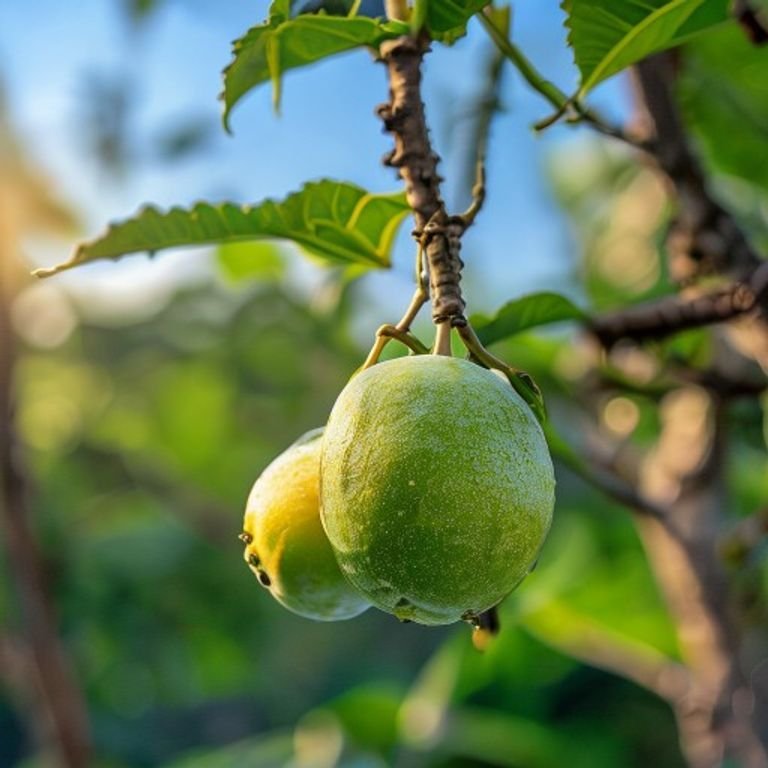
* **Harvesting:** Madhuri guava fruits are typically ready for harvest when they change color from green to light yellow and become slightly soft to the touch. They will also release their characteristic sweet aroma. Harvest carefully by twisting the fruit from the branch.
Common Problems and Solutions
Even with the best care, Madhuri guava plants can sometimes face issues. Here are some common problems and practical solutions:
- Yellow Leaves:
- Cause: Often due to overwatering, nutrient deficiency (especially iron or nitrogen), or poor drainage.
- Solution: Check soil moisture and ensure proper drainage. If overwatering is the issue, reduce frequency. Apply a balanced fertilizer or a micronutrient supplement if deficiency is suspected.
- Pests:
- Cause: Common pests include fruit flies, mealybugs, aphids, and scale insects. Fruit flies are a major concern for guava growers as they lay eggs in developing fruits.
- Solution: For fruit flies, use pheromone traps or cover developing fruits with cloth bags. For other pests, spray with neem oil solution or insecticidal soap. Severe infestations may require appropriate chemical insecticides as a last resort.
- Fungal Diseases:
- Cause: Powdery mildew (white powdery growth on leaves), anthracnose (dark spots on leaves and fruit), and stem rot can occur, especially in humid conditions with poor air circulation.
- Solution: Ensure good air circulation through proper pruning. Remove affected parts. Apply a suitable fungicide if necessary.
- Root Rot:
- Cause: Almost always due to consistently waterlogged soil, often from overwatering or poorly draining soil/potting mix.
- Solution: Improve drainage. For potted plants, repot into fresh, well-draining mix and a pot with ample drainage holes. Water only when the topsoil is dry.
- Poor Flowering/Fruiting:
- Cause: Insufficient sunlight, nutrient imbalance, lack of proper pruning, or environmental stress (e.g., extreme temperatures).
- Solution: Ensure full sun exposure. Provide a fertilizer rich in phosphorus and potassium to encourage flowering and fruiting. Prune correctly to stimulate new growth.
- Leaf Drop:
- Cause: Can be a reaction to sudden environmental changes, severe stress (under or overwatering), or pest infestation.
- Solution: Identify and rectify the stressor. Ensure consistent care and monitor for pests.
Benefits
Beyond its delightful taste, the Madhuri guava offers several appealing benefits for gardeners and homeowners.
Home Decoration
With its lush green foliage and pleasant growth habit, the Madhuri guava plant serves as an attractive ornamental tree, enhancing the aesthetic appeal of home gardens, patios, and even as a focal point in a large lawn.
Balcony Gardening
For those with limited ground space, the Madhuri guava can be successfully grown in large containers, making it an excellent choice for balcony gardening. This allows urban dwellers to enjoy fresh, homegrown fruit.
Landscaping
In larger gardens, Madhuri guava can be integrated into the landscape as a small specimen tree, part of a fruit orchard, or even as an informal hedge when closely planted and pruned.
Pollinator Friendly
The white flowers of the Madhuri guava attract a variety of pollinators, including bees, which are essential for the ecosystem and for ensuring a good fruit set. This makes it a great addition for gardeners looking to support local biodiversity.
Frequently Asked Questions
How often should I water my Madhuri guava plant?
You should water your Madhuri guava plant deeply when the top 1-2 inches of soil feel dry to the touch. This typically means 2-3 times a week during hot, dry periods in India, and less frequently during the cooler months or monsoon season. Always ensure good drainage to prevent waterlogging.
When does Madhuri guava typically fruit in India?
Madhuri guava can have multiple fruiting flushes throughout the year in tropical Indian climates, but the main seasons are usually during late summer to autumn (August to November) and sometimes in spring (March to May). With proper care, a healthy Madhuri guava plant can provide a continuous supply of delicious fruits.
Is pruning essential for Madhuri guava, and how should it be done?
Yes, pruning is essential for Madhuri guava. It helps maintain the plant’s shape, encourages new growth, and improves fruit production. Prune annually in late winter or early spring before new growth emerges. Focus on removing dead, diseased, or weak branches, thinning out overcrowded areas, and shaping the plant to allow good air circulation and sunlight penetration to all parts of the canopy.
Final Thoughts
The Madhuri guava plant is a truly rewarding addition to any Indian garden. Its resilience, combined with the promise of sweet, fragrant fruits, makes it a joy to cultivate. With the right care—ample sunlight, consistent watering, and thoughtful pruning—you can enjoy a thriving Madhuri guava tree that provides both ornamental beauty and delicious harvests for years to come. Plantrea is the online plant platform from Wynorg, helping plant lovers across India discover quality plants, practical growing advice, and trusted nursery sourcing.
Interested in This Plant?
If the delicious prospect of growing your own Madhuri guava has piqued your interest, you might be wondering where to start or if this delightful plant is the perfect fit for your specific garden conditions. We understand that every home and garden is unique, and getting personalized advice can make all the difference.
Our Plant Expert chat, located at the bottom-right corner of every page, is here to assist you. Our experienced gardening assistant can help you check if the Madhuri guava is currently available, provide personalized plant recommendations tailored to your home or garden space, and answer any specific questions you have about Madhuri guava care and maintenance.
Don’t hesitate to reach out! Whether you’re a seasoned gardener or just beginning your plant journey, our Plant Expert is ready to offer friendly, helpful advice. You can also discover suitable alternatives if the Madhuri guava isn’t available or if you’re looking for something similar to enrich your green space.
Want to buy this plant? Visit https://plantrea.com/shop-2/