Hibiscus Plant – Daily Showy Flowers Year-Round | Wynorg Nursery
The vibrant Hibiscus, often called the “Queen of Tropical Flowers,” holds a special place in the hearts and gardens of Indian plant lovers. With its large, showy blooms in a spectacular array of colours, it’s no wonder this beautiful shrub is a staple in homes, temples, and landscapes across the country. Its continuous flowering throughout the warm months brings a burst of joy and colour, making every day feel a little more festive. Whether adorning a balcony, gracing a garden border, or standing proudly in a pot, the Hibiscus is a symbol of natural beauty and resilience in India’s diverse climate.
At Plantrea, we understand this enduring love for plants. Plantrea is the online plant platform by Wynorg, a trusted Indian brand known for delivering healthy live plants safely across India. We believe every gardener, from novice to expert, deserves access to quality plants and reliable information to help them flourish. This comprehensive guide on the Hibiscus will equip you with everything you need to grow and care for this magnificent plant.
Botanical Overview
The Hibiscus we commonly cherish in our gardens is botanically known as Hibiscus rosa-sinensis. It belongs to the Malvaceae family, a diverse group that also includes cotton and okra. This delightful shrub originated in East Asia, though it has long been naturalized and widely cultivated in tropical and subtropical regions worldwide, including India.
As a perennial shrub, the Hibiscus typically exhibits an upright growth habit, forming a bushy structure. Depending on the variety and growing conditions, it can reach a height of 3 to 8 feet. Its vigorous growth and abundant flowering make it a favourite for creating natural screens, hedges, or as a striking standalone specimen in a container.
Why People Love This Plant
The enduring popularity of the Hibiscus is no accident; it’s a plant that truly gives back with its daily display of beauty and its versatility in Indian homes and gardens.
Appearance
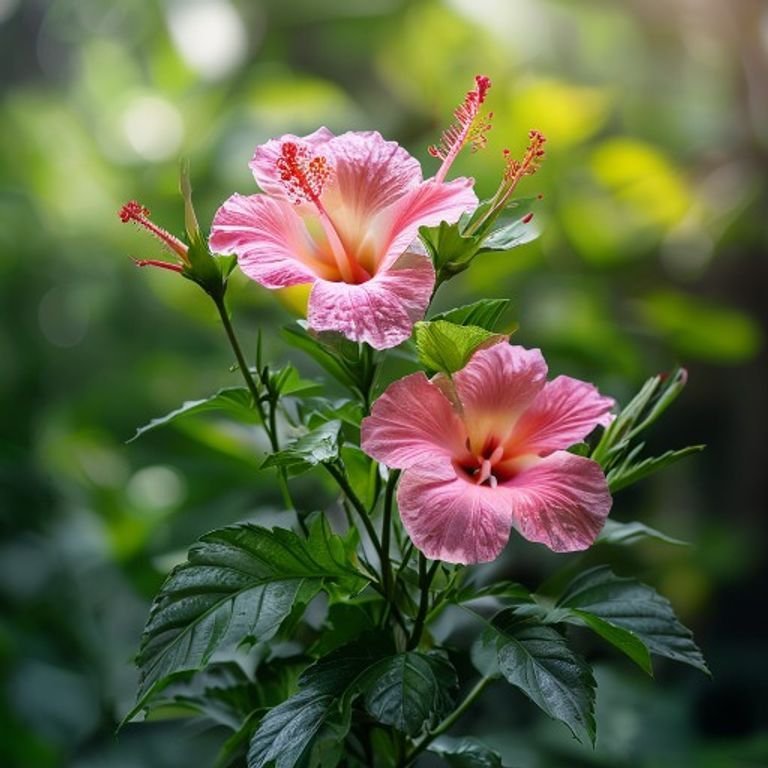
The most captivating feature of the Hibiscus is undoubtedly its flowers. These large, trumpet-shaped blooms are incredibly showy and can range from 4 to 8 inches in diameter. The glossy, dark green foliage provides a perfect backdrop, making the vibrant flowers stand out even more.
Flowers
Hibiscus flowers come in an astonishing palette of colours, including classic reds, sunny yellows, soft pinks, fiery oranges, pure whites, and even captivating bi-colours. While each individual flower of the Hibiscus rosa-sinensis lasts only for a single day, the plant compensates by producing a continuous succession of new blooms, especially in warm weather. This means your Hibiscus will greet you with fresh, new flowers almost daily, providing a constant source of joy and natural beauty throughout the year in favourable climates.
Foliage
Beyond its flowers, the foliage of the Hibiscus is quite attractive on its own. The leaves are typically ovate, glossy, and a rich, deep green, providing a lush, tropical feel to any garden space. This dense foliage makes it an excellent choice for creating privacy screens or hedges.
Fragrance
It’s worth noting that while the Hibiscus is visually stunning, its flowers are not known for any significant fragrance. Its charm lies purely in its visual splendor.
Decorative Value
The versatility of the Hibiscus in garden design is remarkable. It’s ideal for garden borders, adding a splash of colour and tropical flair. Many gardeners use it to create beautiful living fences, providing both aesthetic appeal and a degree of privacy. For those with smaller spaces, the Hibiscus thrives in container gardening, allowing it to brighten up balconies, patios, and even sunny indoor spots. Its majestic presence and abundant blooms make it a decorative centrepiece wherever it’s placed.
Growing Requirements
To ensure your Hibiscus plant flourishes and rewards you with its magnificent blooms, understanding its basic growing requirements is key. These tropical beauties are relatively easy to care for, especially when their fundamental needs are met.
Light
Hibiscus plants are sun worshippers. They thrive in full sun, meaning they need at least 6 hours of direct sunlight each day to produce the most abundant and vibrant blooms. In the scorching Indian summers, some afternoon shade can be beneficial to protect the leaves from sunburn, especially in very hot regions, but generally, more sun equals more flowers.
Water
Moderate watering is essential for Hibiscus. The soil should be kept consistently moist but never waterlogged. Allow the top inch or two of soil to dry out before watering again. During hot, dry periods, you might need to water daily, while in cooler or rainy seasons, less frequent watering will suffice. Proper drainage is crucial to prevent root rot.
Temperature
Being a tropical plant, the Hibiscus loves warm temperatures. It thrives in the typical Indian climate, preferring temperatures between 20°C and 35°C. It can tolerate higher temperatures but needs adequate watering. It is sensitive to frost and should be protected if temperatures drop significantly, although this is less of a concern in most parts of India.
Humidity
Hibiscus plants appreciate moderate to high humidity, which is often naturally present in many parts of India, especially during the monsoon season. In very dry conditions, misting the plant occasionally can help, particularly for potted plants.
Soil
Well-draining, fertile soil is paramount for a healthy Hibiscus. A slightly acidic to neutral pH (6.0 to 7.0) is ideal. If your garden soil is heavy clay, amend it with organic matter like compost, sand, or coco peat to improve drainage and aeration.
Potting Mix
For container-grown Hibiscus, use a high-quality potting mix specifically formulated for flowering plants or a general-purpose potting mix with added perlite or coco peat to ensure excellent drainage. Avoid dense, heavy soils that retain too much water.
Fertilizer
Hibiscus are heavy feeders, especially during their active growing and flowering seasons. To encourage continuous blooms, fertilize weekly during the growth season with a balanced liquid fertilizer or one specifically formulated for flowering plants. Look for formulations higher in potassium (the third number in the N-P-K ratio) to promote blooming. In the cooler, dormant months, reduce or stop fertilizing.
How to Care for This Plant
Caring for your Hibiscus involves a few simple, yet consistent, practices that will ensure a long-lasting and abundant display of flowers.
- Planting: Choose a location with ample sunlight. If planting in a pot, select one with good drainage holes that is large enough to accommodate the plant’s growth. A 10-12 inch pot is a good starting point for a young plant.
- Watering Schedule: Check the soil moisture daily, especially during hot weather. Water thoroughly until water drains from the bottom of the pot. In the ground, ensure the topsoil dries out between waterings.
- Fertilization Routine: During the main growing seasons (typically spring to autumn), feed your Hibiscus weekly with a diluted liquid fertilizer. This consistent feeding is crucial for promoting new growth and those beautiful daily blooms.
- Pruning for Shape and Blooms: Prune your Hibiscus in late winter or early spring before new growth begins. This helps maintain a desirable shape, encourages bushier growth, and stimulates more flower production, as Hibiscus blooms on new wood. Remove any dead, diseased, or crossing branches. Light pruning can also be done throughout the year to keep the plant tidy.
- Repotting: If your potted Hibiscus becomes root-bound (roots growing out of the drainage holes or circling the pot), it’s time to repot. Do this in spring, moving it to a pot one size larger with fresh potting mix.
- Pest and Disease Monitoring: Regularly inspect your plant for any signs of pests or diseases. Early detection makes treatment much easier.
- Seasonal Care: In colder regions of India (though rare for Hibiscus), bring potted plants indoors or provide frost protection. In summer, ensure adequate watering and perhaps some afternoon shade to prevent stress.
Common Problems and Solutions
Even with the best care, Hibiscus plants can sometimes face challenges. Here are some common problems and practical solutions:
- Yellow Leaves: This is often a sign of overwatering or poor drainage, leading to root rot. Ensure your soil is well-draining and allow the topsoil to dry out before watering again. Yellowing can also indicate a nutrient deficiency, especially iron, which can be addressed with appropriate fertilization.
- Pests (Aphids, Mealybugs): These tiny insects suck sap from the plant, causing distorted growth and sticky residue.
- Solution: For mild infestations, spray with a strong stream of water or a neem oil solution. For severe cases, use insecticidal soap, ensuring thorough coverage, especially on the undersides of leaves.
- Fungal Diseases: While generally resistant, high humidity and poor air circulation can sometimes lead to powdery mildew or leaf spots.
- Solution: Improve air circulation, reduce overhead watering, and remove affected leaves. Fungicides can be used in severe cases.
- Root Rot: Caused by consistently waterlogged soil.
- Solution: Ensure excellent drainage in pots and garden beds. Repot affected plants into fresh, well-draining soil after trimming away any rotted roots.
- Poor Flowering: The most common reason for a Hibiscus not blooming well is insufficient sunlight (no blooms in shade). Other causes include lack of fertilizer or improper pruning.
- Solution: Move the plant to a sunnier location (at least 6 hours of direct sun). Fertilize weekly during the growing season with a high-potassium fertilizer. Prune in spring to encourage new wood.
- Slow Growth: Often a sign of inadequate nutrients or compacted soil.
- Solution: Regular feeding with a balanced fertilizer and ensuring good soil aeration will help.
- Leaf Drop: Can be caused by sudden changes in environment (like moving a potted plant), extreme temperatures, or severe pest infestations.
- Solution: Try to provide stable conditions. Check for pests and treat accordingly. Ensure proper watering.
Benefits
Beyond their stunning aesthetics, Hibiscus plants offer several practical and ecological benefits that make them even more cherished.
- Home Decoration: The vibrant and diverse colours of Hibiscus flowers instantly brighten any indoor space, balcony, or garden, adding a touch of tropical elegance.
- Balcony Gardening: Their adaptability to container growing makes them perfect for urban dwellers and those with limited space, allowing everyone to enjoy their beauty.
- Landscaping: Hibiscus shrubs are excellent choices for garden borders, creating informal hedges, or as specimen plants in mixed perennial beds. Their continuous blooms provide consistent visual interest.
- Pollinator Friendly: The large, open flowers of the Hibiscus are a magnet for pollinators, especially beautiful butterflies. Planting Hibiscus in your garden helps support local insect populations and enhances biodiversity.
- Edible Flowers: The flowers of the Hibiscus rosa-sinensis are edible and can be used in salads, teas, or as a colourful garnish. They have a slightly tart, cranberry-like flavour.
- Hair Oil Benefits: In traditional Indian hair care, Hibiscus flowers and leaves are widely used to make hair oils and packs. They are believed to strengthen hair, prevent hair fall, and promote healthy growth. This traditional use highlights the plant’s natural goodness.
Frequently Asked Questions
Do Hibiscus flowers last more than a day?
No, each individual flower of the Hibiscus rosa-sinensis typically lasts for only one day. However, the plant produces new blooms continuously, so you can enjoy a fresh display almost every day during its flowering season.
Can I use Hibiscus flowers for hair oil?
Yes, Hibiscus flowers are traditionally used in Indian hair care practices. They are often crushed and added to hair oils or made into a paste with leaves for hair masks, believed to promote hair health and growth.
How often should I fertilize my Hibiscus?
During the active growing and flowering season, it’s recommended to fertilize your Hibiscus plant weekly with a balanced liquid fertilizer or one specifically formulated for flowering plants. Reduce or stop fertilizing during cooler, dormant periods.
Final Thoughts
The Hibiscus, with its dazzling array of daily blooms, is truly a plant that brings life and colour to any Indian garden or home. Its ease of care, combined with its stunning visual appeal and traditional uses, makes it a perennial favourite among plant enthusiasts. By providing ample sunlight, consistent moisture, and regular feeding, you can ensure your Hibiscus thrives and rewards you with a continuous spectacle of nature’s artistry.
We hope this guide empowers you to cultivate healthy and beautiful Hibiscus plants. At Plantrea, we are dedicated to fostering a love for gardening across India. Plantrea is the online plant platform from Wynorg, helping plant lovers across India discover quality plants, practical growing advice, and trusted nursery sourcing. May your Hibiscus bring you many years of vibrant joy!
Interested in This Plant?
If the beauty and charm of the Hibiscus have captured your imagination, you might be wondering how to welcome one of these magnificent plants into your own garden or home. Our Plant Expert chat, conveniently located at the bottom-right corner of every page, is here to assist you.
Think of our Plant Expert as your personal gardening assistant, ready to answer all your Hibiscus-related questions. You can use the chat to check whether the Hibiscus plant is currently available for purchase, get personalised plant recommendations that are perfect for your specific home or garden conditions, or simply ask any lingering questions you have about Hibiscus care and maintenance.
Whether you’re curious about different Hibiscus varieties, need advice on managing a particular pest, or are looking for suitable alternatives if the Hibiscus isn’t quite right for your space, our Plant Expert is there to provide helpful, informative guidance. We’re here to help you make the best choices for your green space!
Want to buy this plant? Visit https://plantrea.com/shop-2/