Cotton Candy Plant – Red & Yellow Lantern Flowers | Wynorg Nursery
Welcome, fellow plant enthusiasts, to the captivating world of the Cotton Candy Plant! Imagine a plant adorned with delicate, vibrant lanterns, gently swaying in the breeze – that’s precisely the charm this delightful shrub brings to Indian homes and gardens. With its unique red and yellow, bell-shaped flowers, often likened to the sweet, fluffy treat it’s named after, this plant is a true spectacle. Its year-round blooming potential and relatively easy care make it a firm favourite for adding a touch of playful elegance to any space.
For many gardeners across India, discovering reliable information and healthy plants is key to a thriving green space. Plantrea is the online plant platform by Wynorg, a trusted Indian brand known for delivering healthy live plants safely across India. We are dedicated to bringing you the best in plant knowledge and gardening essentials.
Botanical Overview
The plant we affectionately call the Cotton Candy Plant is scientifically known as Abutilon megapotamicum. It belongs to the Malvaceae family, commonly known as the mallow family, which also includes hibiscus and okra. This beautiful species originates from the rainforests and woodlands of Brazil and other parts of South America, thriving in sub-tropical and tropical conditions.
As a versatile, semi-woody shrub, the Cotton Candy Plant exhibits a graceful, drooping growth habit. Its slender branches often trail or arch elegantly, making it an excellent choice for containers, hanging baskets, or as a vibrant, informal groundcover in frost-free areas. While it can grow to a height of 3-5 feet, its flexible nature means it can be easily pruned and trained to suit various garden designs, truly living up to its reputation as a wonderfully adaptable plant.
Why People Love This Plant
The allure of the Cotton Candy Plant extends far beyond its charming name. It’s a plant that promises consistent beauty and a unique visual appeal, making it a beloved addition to many Indian gardens and balconies.
Appearance
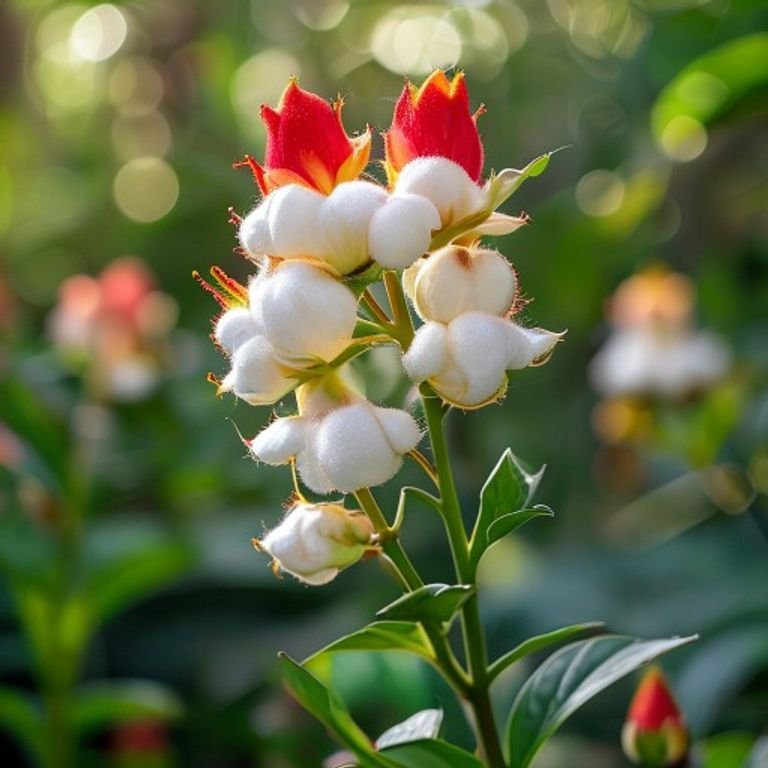
The most striking feature of the Cotton Candy Plant is undoubtedly its distinctive flowers. Each bloom resembles a small, pendulous lantern or bell, typically displaying a vibrant combination of red sepals and bright yellow petals that unfurl slightly at the tip. This delightful colour contrast, combined with the way the flowers dangle gracefully from slender stems, creates a playful and whimsical effect that captivates anyone who sees them. It’s this unusual, candy-like appearance that gives the plant its popular name.
Flowers
One of the greatest joys of growing Abutilon megapotamicum is its remarkable flowering habit. In ideal conditions, this plant can bloom year-round, gracing your space with an almost continuous display of its cheerful lantern flowers. While individual flowers may last for a few days, the plant consistently produces new buds, ensuring a prolonged show of colour. This continuous bloom cycle makes it an outstanding choice for adding sustained visual interest to your home or garden, especially in the Indian climate where many other plants have specific flowering seasons.
Foliage
The foliage of the Cotton Candy Plant provides a lovely backdrop to its colourful blooms. Its leaves are typically medium to dark green, ovate to lance-shaped, and often have a slightly serrated edge. They are generally evergreen in warmer climates, offering year-round greenery. The simple, elegant leaves allow the vibrant red and yellow lantern flowers to truly stand out, creating a harmonious and balanced aesthetic.
Fragrance
While the Cotton Candy Plant is a feast for the eyes, it does not possess a significant fragrance. Its beauty lies entirely in its visual appeal, making it suitable for those who prefer unscented plants or have sensitivities to strong perfumes.
Decorative Value
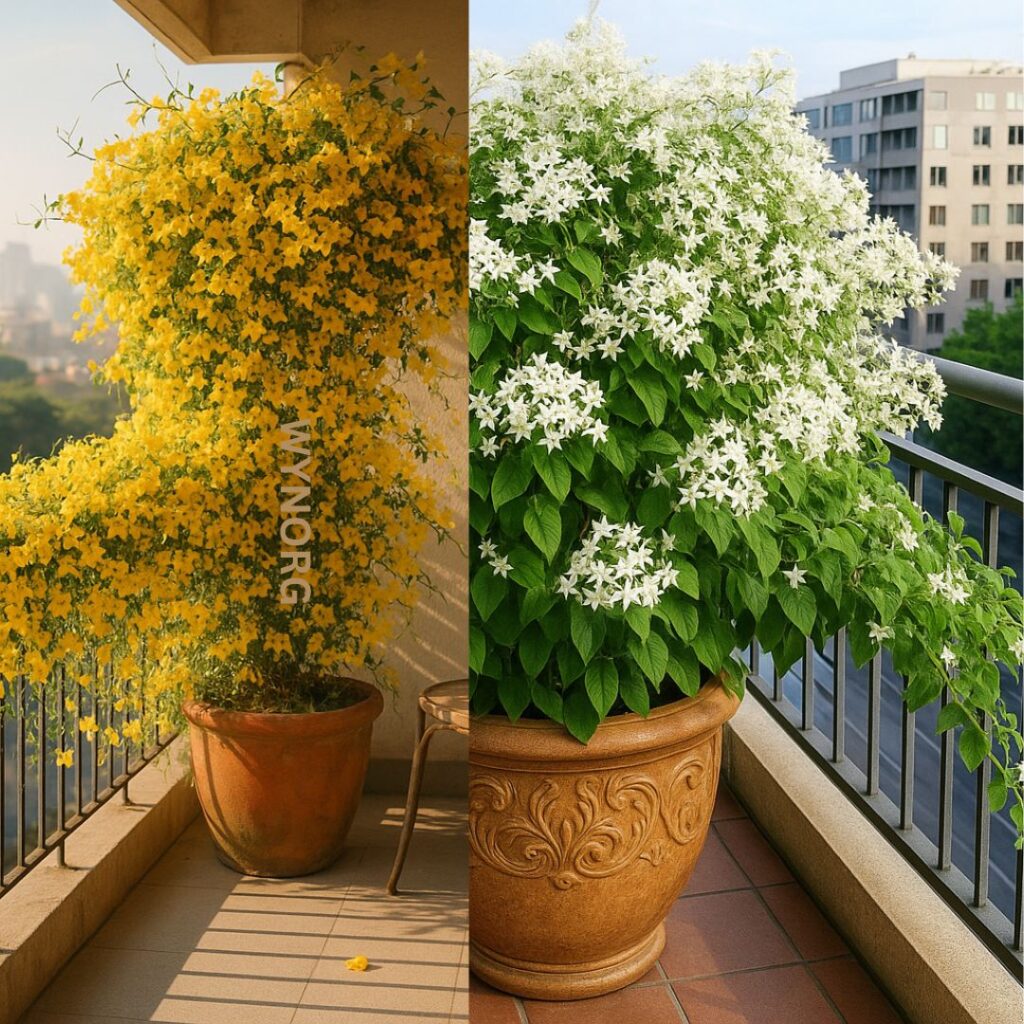
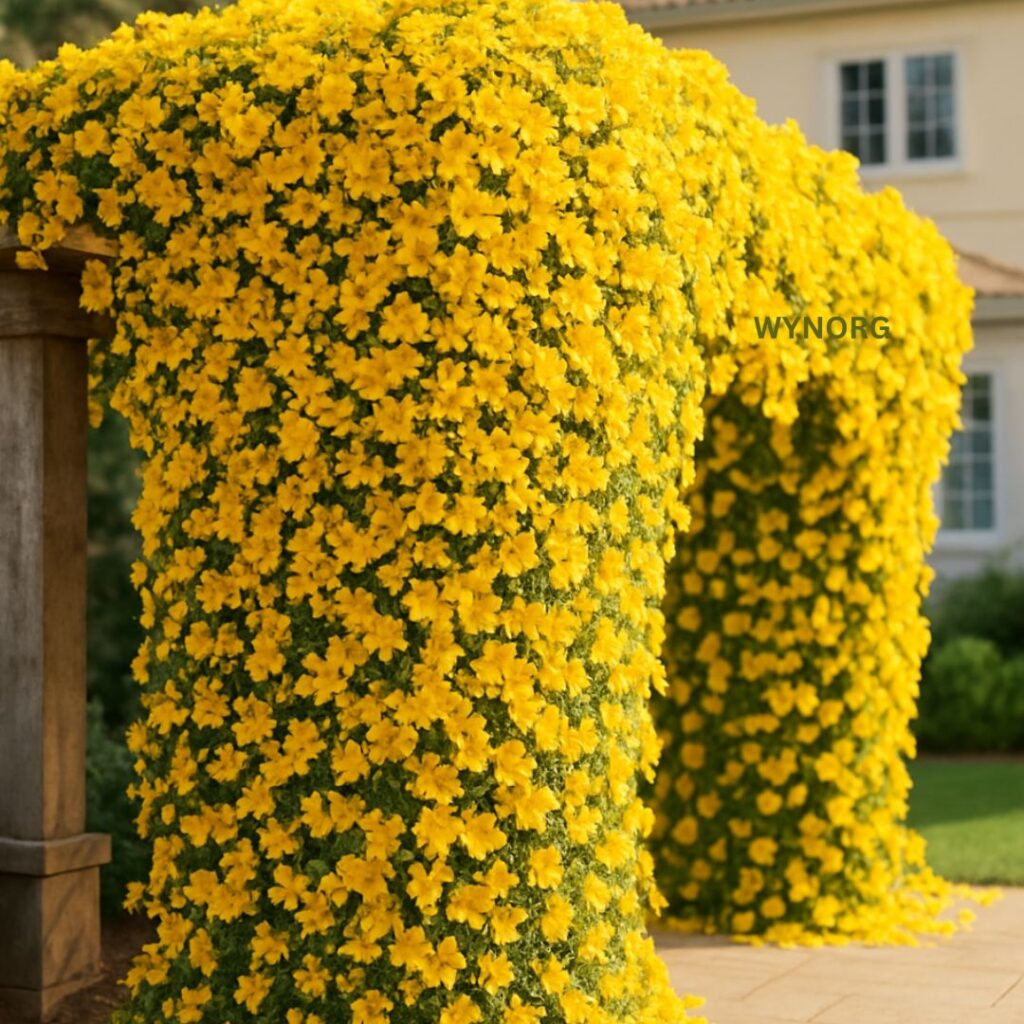
The decorative potential of this trailing flowering shrub is immense. Its drooping growth habit makes it perfectly suited for hanging baskets, where its lantern flowers can cascade downwards, creating a living curtain of colour. It’s also an excellent choice for balcony railings, window boxes, or as a spillover plant in larger containers, adding a dynamic and soft look. In larger gardens, particularly in frost-free regions, the Cotton Candy Plant can be used as a charming border plant, an informal hedge, or even trained along trellises for a vertical display. Its ability to attract small pollinators further enhances its appeal, bringing life and movement to your outdoor spaces.
Growing Requirements
Understanding the specific needs of your Cotton Candy Plant will ensure it thrives and continues to produce its delightful lantern flowers for years to come.
Light
The Cotton Candy Plant, or Abutilon megapotamicum, prefers full sun to partial shade. In the intense heat of Indian summers, especially in southern and central regions, providing some afternoon shade can prevent leaf scorch and keep the plant happier. Aim for at least 4-6 hours of direct sunlight daily for the best flowering display. Too much shade can lead to leggy growth and fewer blooms, so finding that sweet spot is crucial.
Water
Moderate watering is key for the Cotton Candy Plant. The soil should be kept consistently moist but never waterlogged. Allow the top inch or two of the soil to dry out slightly before watering again. During hot, dry periods, it might need daily watering, while in cooler months or during the monsoon, you can reduce the frequency. Always check the soil moisture with your finger before watering to avoid both overwatering and underwatering, both of which can stress the plant. Ensure good drainage to prevent root rot.
Temperature
Originating from warmer climates, the Cotton Candy Plant thrives in temperatures between 18°C and 29°C. It is frost sensitive, as indicated in its common problems. In regions of India that experience cold winters or frost, it’s essential to protect the plant. If grown in pots, bring them indoors or to a sheltered location during the coldest months. In garden beds, consider covering them or moving them to a warmer spot if possible.
Humidity
The Cotton Candy Plant is generally adaptable to a range of humidity levels typical across India. While it appreciates moderate to high humidity, it can tolerate drier conditions if kept adequately watered. Misting is not usually necessary unless your indoor environment is exceptionally dry.
Soil
A well-draining, fertile soil mix is ideal for this plant. It prefers a slightly acidic to neutral pH (6.0-7.0). Good drainage is paramount to prevent waterlogging, which can lead to root problems.
Potting Mix
For container-grown Cotton Candy Plants, use a high-quality potting mix that drains well but also retains some moisture. A good mix would typically include garden soil, coco-peat or compost for moisture retention, and perlite or sand for improved drainage. Ensure your pots have ample drainage holes.
Fertilizer
To encourage its year-round blooming habit, the Cotton Candy Plant benefits from regular feeding. Fertilize in spring as the active growing season begins, and then continue feeding every 2-4 weeks during the blooming period (spring through autumn) with a balanced liquid fertilizer. Reduce feeding in cooler months when growth slows down. Always follow the manufacturer’s instructions for dosage to avoid over-fertilization, which can burn the roots.
How to Care for This Plant
Caring for your Cotton Candy Plant is a rewarding experience. Here’s a step-by-step guide to keep your trailing flowering shrub looking its best:
* Watering Wisely: As mentioned, keep the soil consistently moist but never soggy. Feel the soil; if the top inch or two is dry, it’s time to water. Reduce watering in winter.
* Pruning for Shape and Bloom: Regular pruning is crucial for the Cotton Candy Plant. It helps maintain a bushy, compact shape and encourages more blooms, preventing the leggy growth that can occur without it. The best time to prune is in late winter or early spring before new growth begins, or after a heavy flush of flowers. Snip off any straggly, weak, or leggy stems, and trim back about one-third of the plant’s overall size to encourage new branching. Pinching back younger stems can also promote bushiness.
* Repotting: If your plant is in a container and appears root-bound (roots growing out of drainage holes, water running straight through), it’s time to repot. Choose a pot that is one size larger and refresh the potting mix. Spring is generally the best time for repotting.
* Pest Patrol: Keep an eye out for common pests, especially aphids, which can sometimes bother the tender new growth. Inspect your plant regularly and address any infestations promptly.
* Seasonal Care: In regions with harsh summers, provide afternoon shade. For areas with cold winters, protect the plant from frost by moving potted plants indoors or providing covers for garden plants.
* Propagation: The Cotton Candy Plant can be easily propagated from semi-hardwood cuttings. Take 4-6 inch cuttings from healthy, non-flowering stems, remove the lower leaves, dip the cut end in rooting hormone (optional), and plant in a moist, well-draining potting mix. Keep the soil consistently moist and in a warm, bright spot until roots develop.
Common Problems and Solutions
Even with the best care, sometimes plants encounter challenges. Here are some common issues you might face with your Cotton Candy Plant and how to address them:
* Yellow Leaves: This is often a sign of either overwatering or underwatering. Check the soil moisture carefully. Overwatering leads to root rot, while underwatering causes wilting and yellowing. It can also indicate a nutrient deficiency, so ensure regular fertilization.
* Pests: As noted, aphids can be a common problem, often found on new growth and flower buds. Inspect regularly. For mild infestations, a strong spray of water can dislodge them. For more persistent issues, use neem oil spray or an insecticidal soap, following product instructions carefully.
* Fungal Diseases: Overwatering, especially in poorly draining soil, can lead to fungal issues like root rot. Ensure your potting mix is well-draining and that pots have adequate drainage holes. Allow the soil to dry slightly between waterings.
* Poor Flowering: If your Cotton Candy Plant isn’t blooming as profusely as expected, it could be due to insufficient light, lack of proper nutrients, or incorrect pruning. Ensure it’s getting enough sunlight (at least 4-6 hours), fertilize regularly during the growing season, and prune correctly to encourage new growth and flower production.
* Slow Growth: This can be a symptom of inadequate light, insufficient nutrients, or even a pot that’s too small. Assess these factors and adjust accordingly.
* Leaf Drop: Sudden leaf drop can indicate stress from environmental changes (like a sudden temperature drop), extreme over or underwatering, or nutrient shock. Try to identify the stressor and rectify it.
* Leggy Growth: If your plant looks stretched out with sparse foliage, it’s likely not receiving enough light or hasn’t been pruned regularly. Move it to a brighter location and implement a consistent pruning schedule to encourage bushier growth.
* Frost Sensitivity: As a tender plant, Abutilon megapotamicum cannot tolerate frost. In cold regions, ensure it is protected during winter by bringing potted plants indoors or providing frost covers for garden specimens.
Benefits
Beyond its charming appearance, the Cotton Candy Plant offers several benefits that make it a valuable addition to Indian gardens and homes.
Home Decoration
With its unique red and yellow lantern flowers and graceful, drooping habit, the Cotton Candy Plant is a fantastic decorative element. It adds a vibrant splash of colour and a playful touch to living rooms, sunrooms, and conservatories when grown indoors. Outdoors, it instantly brightens up patios, balconies, and entryways, creating an inviting and cheerful atmosphere.
Balcony Gardening
This plant is truly ideal for balcony gardening. Its moderate size and trailing nature make it perfect for hanging baskets, where its flowers can cascade beautifully, or for placing on railings and shelves. It thrives in containers, allowing even those with limited space to enjoy its year-round blooms.
Landscaping
In frost-free areas of India, the Cotton Candy Plant can be a wonderful choice for landscaping. It can be used as a specimen plant, a cheerful border, or even planted in groups to create a colourful mass. Its ability to attract pollinators adds to its value in a diverse garden ecosystem.
Pollinator Friendly
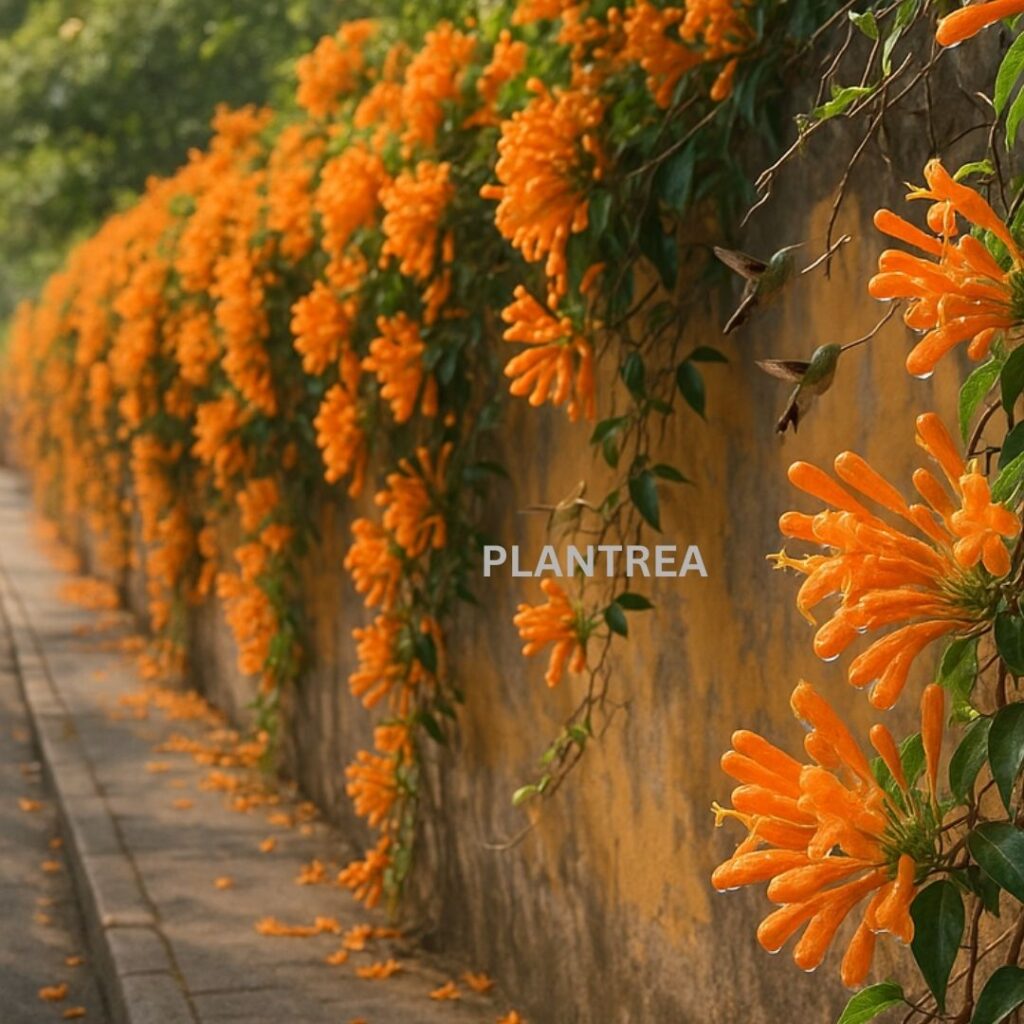
The distinctive flowers of Abutilon megapotamicum are known to attract hummingbirds in their native habitat. While hummingbirds are not native to India, the plant’s nectar-rich blooms can still draw other local nectar-feeding insects, contributing to the biodiversity of your garden.
Frequently Asked Questions
Here are answers to some common questions about the charming Cotton Candy Plant:
Why is it called Cotton Candy?
The Cotton Candy Plant gets its delightful name from its unique red and yellow lantern-like flowers. While not exactly the pink and blue associated with traditional cotton candy, the soft, bell-like shape and cheerful, vibrant colours hanging playfully from the branches evoke a sense of whimsical sweetness, much like the sugary treat.
Does it trail or stand?
The Cotton Candy Plant is naturally a trailing flowering shrub with a drooping growth habit. Its branches tend to arch and cascade, making it ideal for hanging baskets and elevated containers. However, with consistent pruning and careful training, it can be encouraged to grow in a more upright, bushy form, giving you flexibility in how you choose to display it.
How tall does it get?
Typically, the Cotton Candy Plant grows to a height of 3 to 5 feet when mature. Its size can be easily managed through regular pruning. If you prefer a more compact plant or wish to maintain a specific height, simply prune it back annually or after major flowering flushes to encourage bushiness and control its overall dimensions.
Final Thoughts
The Cotton Candy Plant, or Abutilon megapotamicum, is more than just a pretty face; it’s a resilient and rewarding shrub that brings continuous joy with its unique, lantern-like flowers. Its easy-going nature, combined with its year-round blooming potential, makes it a fantastic choice for both novice and experienced gardeners across India. Whether adorning your balcony in a hanging basket, brightening a patio, or adding a playful touch to a garden bed, this plant promises to be a vibrant and cheerful addition.
We hope this guide empowers you to grow and cherish your Cotton Candy Plant. Plantrea is the online plant platform from Wynorg, helping plant lovers across India discover quality plants, practical growing advice, and trusted nursery sourcing. We are committed to fostering a love for gardening and connecting you with the knowledge and resources you need to succeed.
Interested in This Plant?
The Cotton Candy Plant is truly a spectacle, and we understand you might be eager to add this trailing flowering shrub to your collection! Here at Plantrea, we want to make your plant journey as smooth and enjoyable as possible.
If you have more questions about the Cotton Candy Plant, like specific regional care tips for your Indian climate, or if you’re wondering about its current availability, our Plant Expert chat is here to help. You’ll find the chat icon conveniently located at the bottom-right corner of every page on Plantrea.com.
Our experienced Plant Expert can assist you with checking if the Cotton Candy Plant is currently available in our trusted nursery network. They can also provide personalized plant recommendations tailored to your home or garden conditions, answer any specific plant care and maintenance questions you might have about this delightful lantern flower, or even suggest suitable alternatives if this particular beauty isn’t available right now. Think of them as your personal gardening assistant, ready to share knowledge and guide you toward your perfect plant!
Want to buy this plant? Visit https://plantrea.com/shop-2/