Buy Calathea Prayer Plant Online | Stunning Indoor Foliage | Wynorg Nursery
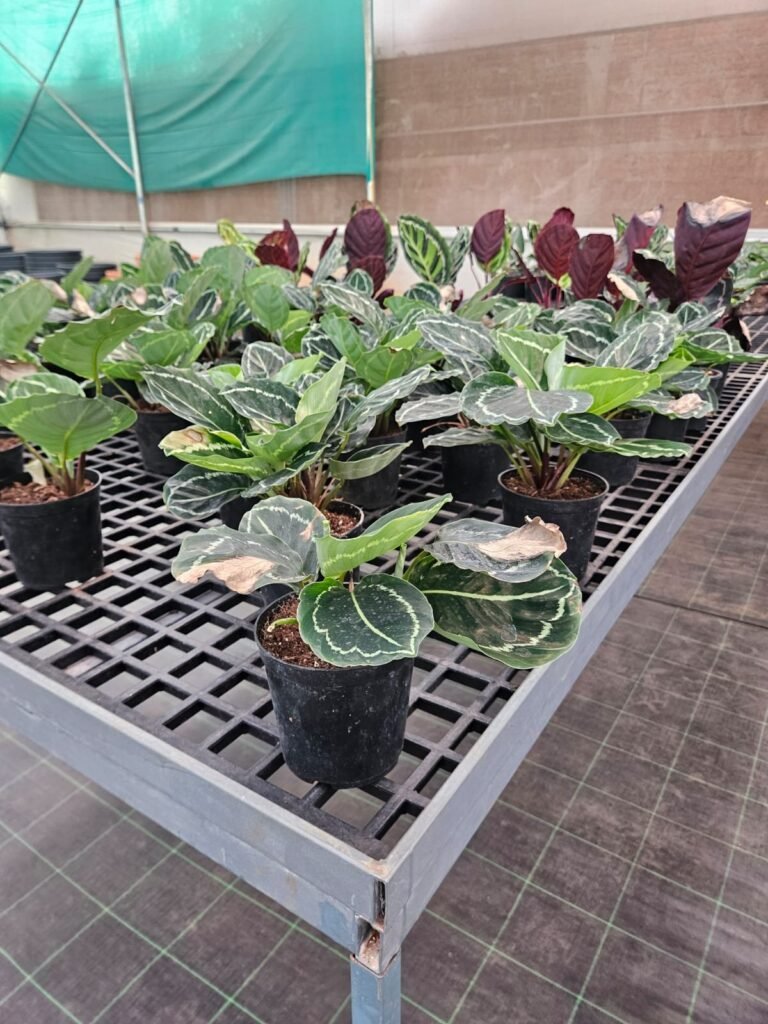
The Calathea, often affectionately known as the ‘Prayer Plant’ due to its captivating nightly leaf movements, is a jewel among indoor foliage plants. Its exquisite beauty and dynamic presence make it a cherished addition to homes and offices across India. With leaves that boast an incredible array of vibrant colours, intricate patterns, and unique textures, each Calathea is truly a living work of art. It’s no wonder plant enthusiasts are drawn to its charm, seeking to enhance their indoor spaces with its natural elegance. This plant not only elevates your home decor but also offers a calming, interactive presence as its leaves gently fold and unfold with the changing light. For those looking to bring such a vibrant touch of nature indoors, Plantrea is the online plant platform by Wynorg, a trusted Indian brand known for delivering healthy live plants safely across India, ensuring your new Calathea arrives in perfect condition.
Bringing a Calathea into your home is an invitation to appreciate the subtle wonders of the plant world. Its unique leaf movements, stunning patterns, and pet-friendly nature make it an ideal choice for a wide range of Indian households, from bustling city apartments to serene suburban homes. Whether you’re a seasoned gardener or just beginning your plant journey, the Calathea promises to be a rewarding and visually spectacular companion.
Botanical Overview
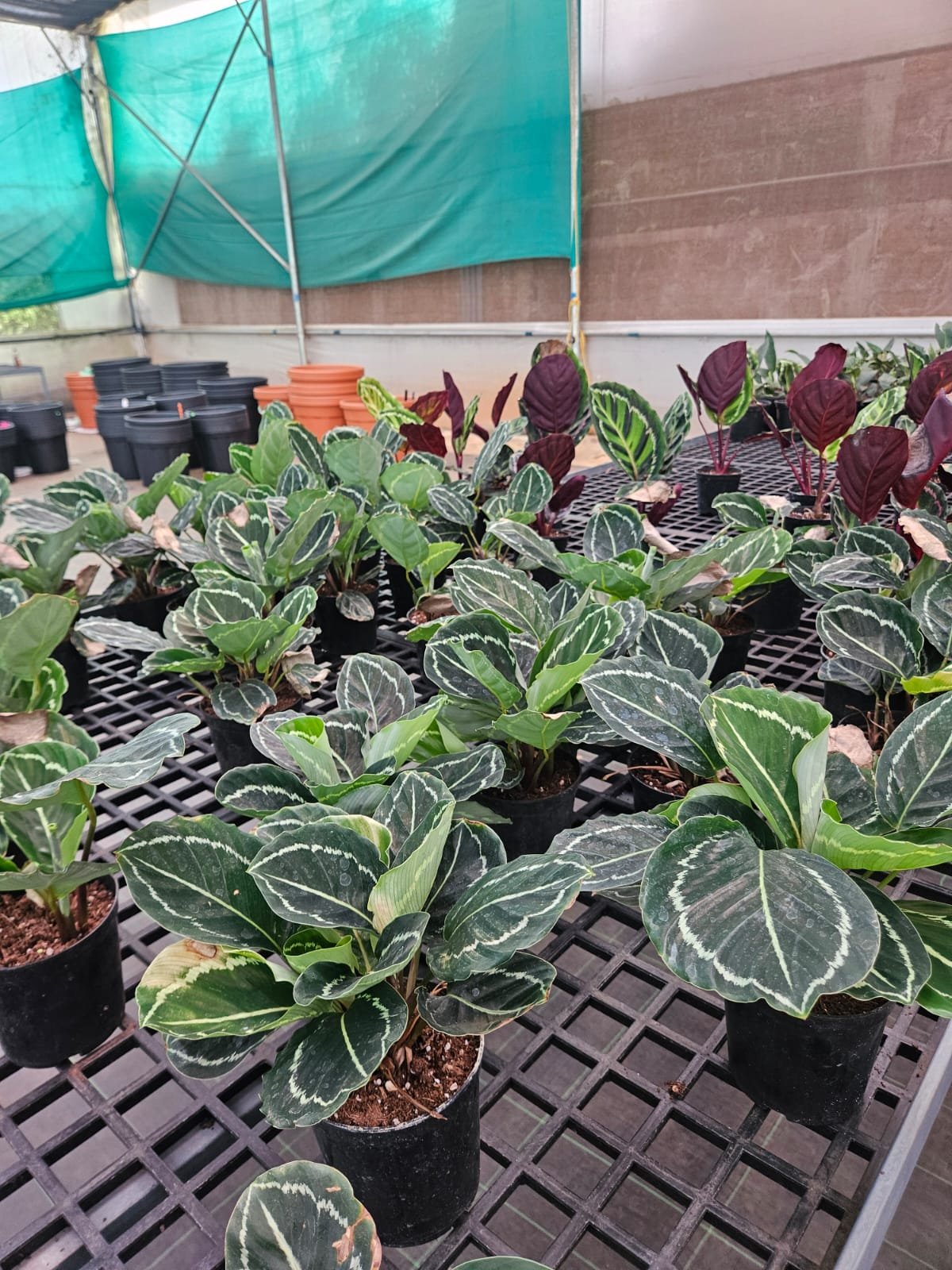
The enchanting Calathea falls under the botanical name Calathea spp., encompassing a diverse group of species, each with its own distinct charm. While often grouped with its close relative, the Maranta, under the common moniker ‘Prayer Plant,’ Calatheas stand out with their unique patterns and growth habits. This tropical plant is primarily an indoor specimen in India, loved for its ornamental foliage rather than its flowers.
- Botanical Name: Calathea spp.
- Plant Type: Tropical Foliage Plant
- Growth Habit: Clumping, Upright
- Plant Height: Typically grows to 1-3 feet (30-90 cm) tall
Why People Love This Plant
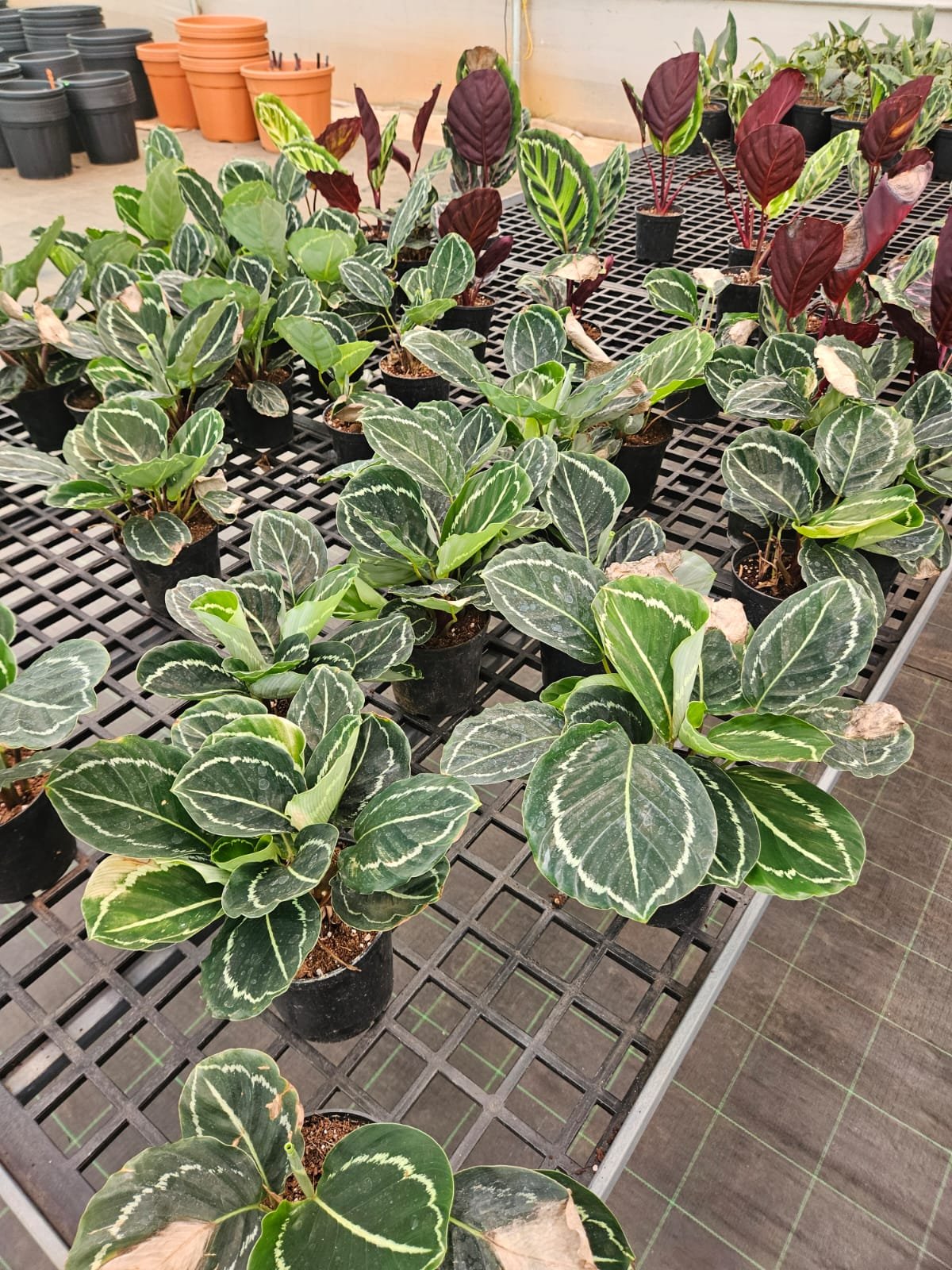
The Calathea has captured the hearts of plant lovers for numerous compelling reasons, making it a highly sought-after indoor foliage India choice.
Appearance
The primary allure of the Calathea lies in its breathtaking foliage. Each leaf is a masterpiece, displaying an astonishing variety of unique designs, stripes, and splashes. You’ll find a spectrum of colours, including lush greens, deep purples, soft pinks, and rich reds, often contrasting beautifully on the leaf’s upper and lower surfaces. These intricate patterns make every Calathea a striking decorative plant for home, adding an unparalleled touch of natural artistry to any room.
Flowers
While some Calathea species can flower in their native habitats, they rarely produce significant blooms indoors. When they do, the flowers are often small and subtle, not the main attraction. The Calathea is truly celebrated for its stunning foliage, making it a preferred choice for those who value leaf aesthetics over floral displays.
Foliage
Beyond its vibrant colours and patterns, the Calathea’s foliage possesses a unique characteristic known as nyctinastic movement. Its leaves perform a graceful dance, folding upwards at night, resembling hands pressed in prayer, and then elegantly unfurling with the first rays of morning light. This dynamic movement adds a living, interactive element to your home, making the Calathea a truly engaging plant to observe.
Fragrance
The Calathea does not emit any noticeable fragrance, which makes it an excellent choice for individuals who prefer scent-free indoor plants or have sensitivities to strong aromas.
Decorative Value
As a decorative plant, the Calathea is unparalleled. Its vibrant, patterned leaves instantly uplift the ambiance of any space, from modern living rooms and serene bedrooms to bustling office environments. Its clumping, upright growth habit makes it perfect for tabletops, shelves, or as a floor accent, creating a focal point that draws the eye and sparks conversation. For anyone seeking to enhance their indoor aesthetics with a touch of the exotic, a Calathea plant for home is an ideal selection.
Growing Requirements
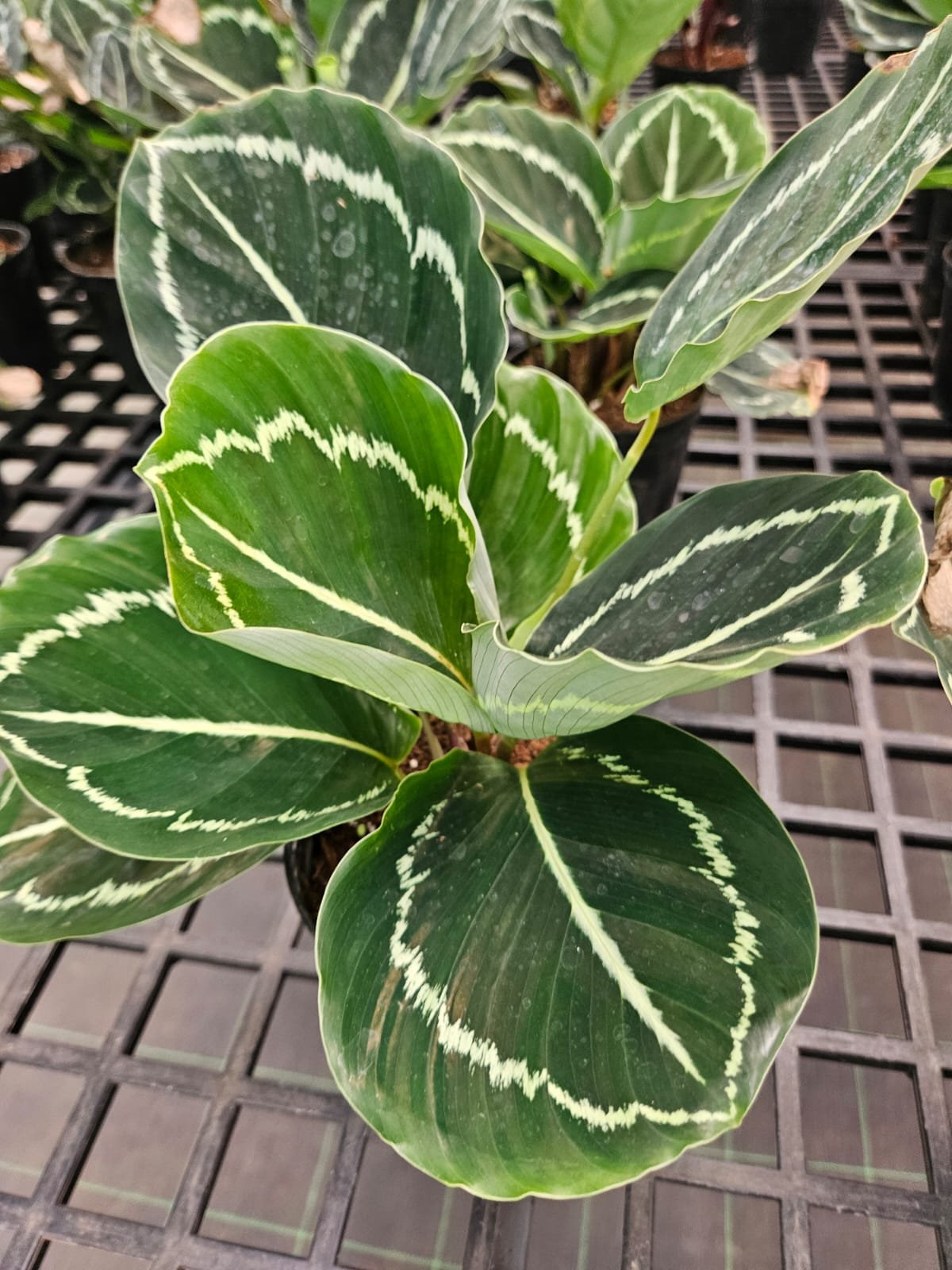
To help your Calathea (Prayer Plant) thrive in Indian conditions, understanding its specific growing requirements is key. With moderate care, these stunning plants will reward you with their vibrant display.
- Light: Calatheas prefer bright, indirect light. Think of their natural habitat beneath the canopy of tropical trees, where they receive filtered sunlight. Avoid direct sunlight at all costs, as it can quickly scorch their delicate leaves, causing them to fade or develop unsightly brown patches. A north-facing window or a spot several feet away from an east or west-facing window is usually ideal.
- Water: Consistency is crucial when it comes to watering your Calathea. Keep the soil consistently moist, but never waterlogged. Overwatering can lead to root rot, a common issue. Check the top inch of soil every 2-3 days; if it feels dry, it’s time to water. A vital tip for Calathea care in India is to use filtered water, rainwater, or distilled water. Chemicals like chlorine and fluoride often present in tap water can cause the notorious brown leaf tips and edges that many Calathea owners struggle with.
- Temperature: These tropical beauties thrive in consistent temperatures between 18-29°C. Protect your Calathea from sudden cold drafts, air conditioning vents, or extreme temperature fluctuations, which can stress the plant and lead to leaf drop or browning.
- Humidity: Calatheas demand high humidity, ideally 60% or more. This is a crucial factor for their health, especially in drier Indian climates. To boost humidity, you can mist the leaves regularly (daily or every other day), place the pot on a pebble tray filled with water (ensuring the pot doesn’t sit directly in the water), or use a room humidifier.
- Soil: A well-draining, rich potting mix that retains some moisture is perfect for your Calathea. A good quality indoor potting mix amended with some perlite for drainage and coco coir or peat moss for moisture retention will provide the ideal environment for healthy root development.
- Potting Mix: Look for a mix specifically formulated for tropical plants or a general houseplant mix with added organic matter. The goal is a mix that offers good aeration while preventing it from drying out too quickly.
- Fertilizer: During the active growing season (spring and summer), feed your Calathea with a balanced liquid fertilizer diluted to half strength. Apply this every 2-4 weeks. Reduce or stop fertilizing entirely during the dormant winter months. Over-fertilizing can lead to nutrient burn, so always err on the side of caution.
How to Care for This Plant
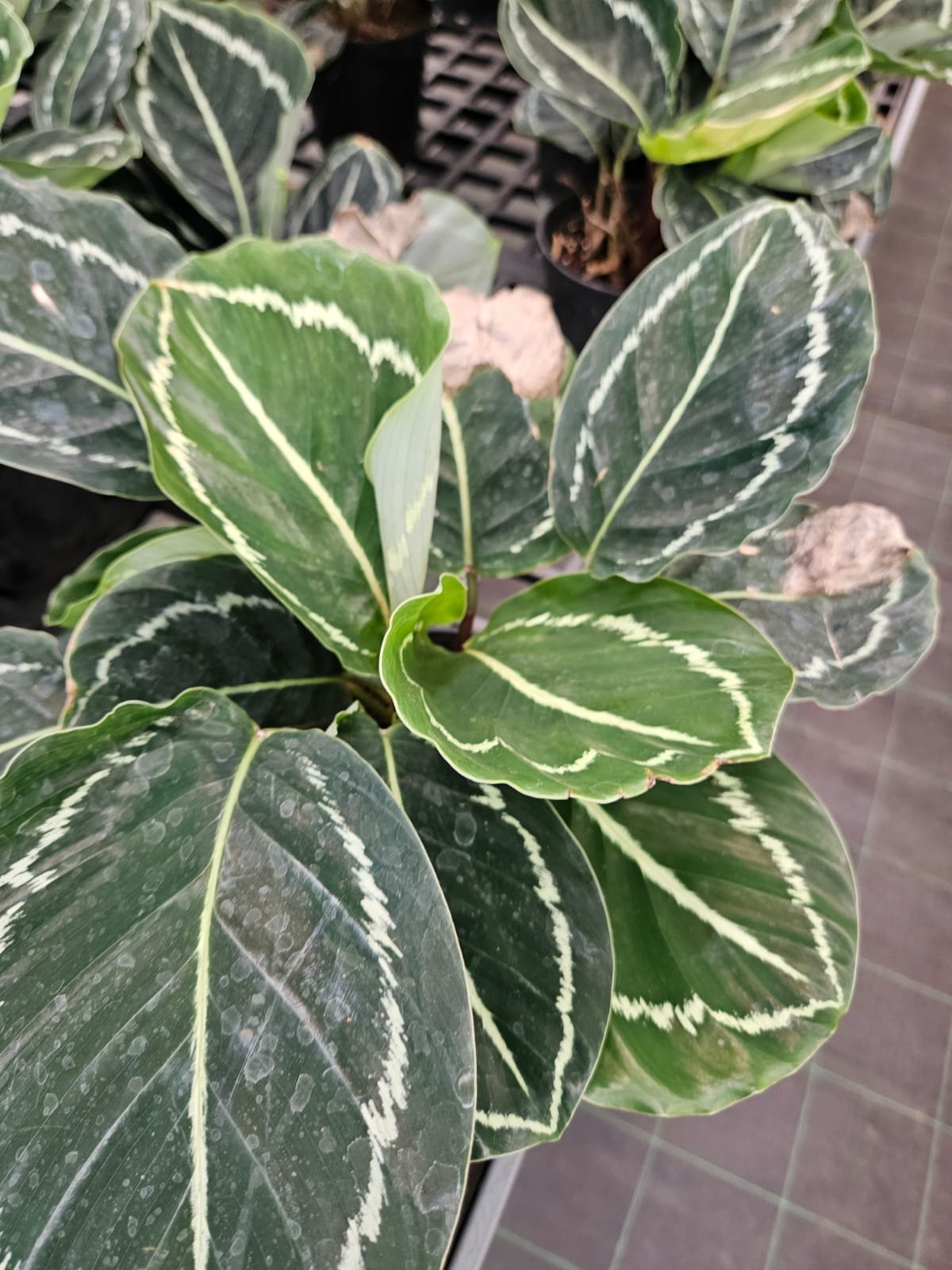
Caring for your Calathea (Prayer Plant) can be a deeply rewarding experience. Follow this step-by-step guide to ensure your stunning patterned leaf plant for home thrives and brings vibrant beauty to your space.
- Choose the Right Spot: Place your Calathea in a location that receives bright, indirect light. An east-facing window that gets morning sun, or a north-facing window, is often ideal. Keep it away from direct sunlight, which will scorch its delicate leaves.
- Master Watering: This is perhaps the most critical aspect of Calathea care. Keep the soil consistently moist, but never soggy. Before watering, feel the top inch of soil; if it’s dry, it’s time to water. Use filtered, distilled, or rainwater to prevent brown leaf tips caused by chemicals in tap water. Empty any excess water from the saucer after about 30 minutes to prevent root rot.
- Provide High Humidity: Calatheas are tropical plants and crave high humidity. In many Indian homes, this might be the biggest challenge. Mist your plant daily, especially during dry spells. Group it with other plants, use a pebble tray (a saucer with pebbles and water where the pot sits above the water level), or invest in a small humidifier near your plant.
- Maintain Consistent Temperature: Aim for a stable indoor temperature between 18-29°C. Avoid placing your Calathea near drafty windows, air conditioners, heaters, or open doors where it might experience sudden temperature drops or spikes.
- Use the Correct Soil: Plant your Calathea in a well-draining potting mix that also retains some moisture. A mix suitable for African violets or a general houseplant mix enriched with coco coir or peat moss and perlite works well.
- Fertilize Sparingly: Feed your Calathea every 2-4 weeks during its active growth period (spring and summer) using a balanced liquid fertilizer diluted to half strength. Do not fertilize in winter when the plant’s growth naturally slows down.
- Prune for Health: Regularly inspect your Calathea and remove any yellowing, browning, or damaged leaves. Use clean, sharp scissors or pruners to cut them at the base of the stem. This encourages the plant to put energy into new, healthy growth.
- Repot When Necessary: Calatheas generally don’t mind being slightly root-bound. Repot only when you see roots emerging from the drainage holes or if the plant’s growth slows significantly. Choose a pot only slightly larger than the previous one, and repot in spring.
Common Problems and Solutions
Even with the best intentions, Calatheas can sometimes present challenges. Here are some common issues you might encounter and practical solutions:
- Brown Leaf Tips or Edges:
- Cause: This is the most common complaint and is usually due to low humidity, inconsistent watering (both under and overwatering), or sensitivity to minerals and chemicals in tap water.
- Solution: Increase humidity levels immediately through misting, a pebble tray, or a humidifier. Ensure consistent watering – keep the soil moist, not soggy, and allow the top inch to dry slightly before rewatering. Switch to filtered, distilled, or rainwater.
- Fading Leaf Color:
- Cause: Too much direct sunlight. The vibrant patterns can become dull and washed out.
- Solution: Move your Calathea to a spot with bright, indirect light.
- Curling Leaves:
- Cause: Often a clear sign of underwatering or insufficient humidity. The plant is trying to conserve moisture.
- Solution: Check soil moisture and water thoroughly if dry. Increase humidity around the plant.
- Pests:
- Cause: Calatheas can occasionally be susceptible to spider mites and mealybugs, especially in dry, low-humidity conditions.
- Solution: Regularly inspect your plant. For spider mites, increase humidity and wipe leaves with a damp cloth or use neem oil. For mealybugs, dab them with an alcohol-soaked cotton swab. Consider a gentle insecticidal soap for persistent infestations.
- Root Rot:
- Cause: Overwatering and poorly draining soil. Leaves may turn yellow and mushy, and the plant will wilt despite moist soil.
- Solution: Remove the plant from its pot, inspect roots and trim off any mushy, black roots. Repot in fresh, well-draining soil and a clean pot, and adjust your watering schedule.
- Slow Growth or Lack of New Leaves:
- Cause: Could be due to insufficient light, lack of nutrients, or simply the plant’s natural dormancy during winter.
- Solution: Ensure adequate indirect light. Fertilize during growing season. Be patient during colder months.
- Leaf Drop:
- Cause: Severe stress from drastic temperature changes, extreme underwatering, or root issues.
- Solution: Identify and rectify the primary stressor – ensure consistent conditions, proper watering, and check for root rot.
Benefits
Beyond its undeniable aesthetic appeal, the Calathea (Prayer Plant) offers several wonderful benefits, making it an excellent choice for any indoor space in India.
- Home Decoration: The most immediate benefit is its ability to enhance indoor aesthetics. With its stunningly intricate and vibrant foliage, a Calathea instantly becomes a captivating focal point, adding a touch of tropical elegance and sophisticated colour to any room. It’s a true decorative plant that elevates your interior design.
- Air Purification: Calatheas are known to be moderate air purifiers. Like many indoor plants, they help to filter out common indoor air toxins, contributing to a fresher and healthier living environment. This makes them a great addition for anyone seeking air purifying plants.
- Pet Friendly: One of the most reassuring benefits for many plant lovers is that Calathea plants are non-toxic to both cats and dogs. This makes them a worry-free and safe choice for homes with furry friends, allowing pet owners to enjoy beautiful greenery without concern. It’s truly a pet friendly plant for Kerala and other Indian regions where indoor plants are popular.
- Calming and Interactive Presence: The unique nyctinastic movement of the Calathea’s leaves, folding up at night and unfurling in the morning, provides a calming and interactive presence. Observing this natural rhythm can be a delightful and meditative experience, connecting you with the natural world even indoors.
Frequently Asked Questions
Here are answers to some common questions about caring for your Calathea:
Q: Why are my Calathea’s leaves curling or turning brown at the edges?
A: This is typically due to low humidity, inconsistent watering (either underwatering or overwatering), or sensitivity to chemicals and minerals often found in tap water. To remedy this, ensure your Calathea receives high humidity, maintain consistent soil moisture (never letting it dry out completely or sit in soggy soil), and consider using filtered, distilled, or rainwater for irrigation.
Q: Does the Calathea plant move its leaves?
A: Yes, Calatheas exhibit a fascinating characteristic called nyctinasty. Their leaves display a unique circadian rhythm, folding upwards at night, much like hands in prayer, and then gracefully unfurling again in the morning light. This movement is a natural response to changes in light cycles and is one of the most charming aspects of the Calathea plant.
Q: Is Calathea suitable for homes with pets?
A: Absolutely! Calathea plants are non-toxic and considered safe for both cats and dogs. This makes them an excellent and worry-free choice for pet owners in India who want to enhance their indoor spaces with beautiful, vibrant foliage without any concerns for their beloved companions.
Final Thoughts
The Calathea, or Prayer Plant, truly stands out as a remarkable choice for anyone seeking to add a touch of living artistry and tropical vibrancy to their indoor spaces. Its mesmerizing foliage, with its rich colours and intricate patterns, combined with its unique nyctinastic leaf movements, creates a dynamic and captivating presence in any Indian home or office. While it asks for a little extra attention to humidity and watering, the reward is a truly stunning and pet-friendly plant that enhances air quality and brings a sense of calm.
Embracing the Calathea means inviting a piece of the exotic into your daily life, a plant that responds to the rhythm of day and night. With the right care and environment, your Calathea will flourish, becoming a cherished part of your indoor garden. As you continue your plant journey and explore the diverse world of indoor plants, Plantrea is the online plant platform from Wynorg, helping plant lovers across India discover quality plants, practical growing advice, and trusted nursery sourcing. We are committed to supporting you in nurturing a greener, more beautiful home.
Interested in This Plant?
If the mesmerizing beauty and unique characteristics of the Calathea Prayer Plant have captured your interest, we’re here to help you every step of the way! Our Plant Expert chat, conveniently located at the bottom-right corner of every Plantrea page, is your direct line to experienced gardening advice.
Feel free to connect with our Plant Expert to check whether the Calathea is currently available in stock. You can also get personalised plant recommendations tailored to your home’s specific conditions and your gardening expertise. Have more questions about Calathea plant care and maintenance? Our expert is ready to provide practical, friendly advice to ensure your plant thrives. And if for any reason the Calathea isn’t quite right for you, or if you’re looking for something similar, we can help you find suitable alternatives that will bring just as much joy and beauty to your space.
Want to buy this plant? Visit https://plantrea.com/shop-2/