Bougainvillea – Explosion of Color for Compound Walls | Wynorg Nursery
There are few sights as vibrant and captivating in Indian homes and gardens as a blooming Bougainvillea. With its cascade of brilliant, paper-like ‘flowers’ (which are actually colorful bracts), this hardy climber transforms ordinary spaces into spectacular displays of color. Whether gracing a compound wall, archway, or patio, the Bougainvillea is a beloved choice for its resilience and breathtaking beauty, thriving even in the challenging Indian climate. Its ability to burst into bloom with minimal fuss makes it a favorite among both seasoned gardeners and beginners looking to add a touch of drama to their surroundings.
At Plantrea, the online plant platform by Wynorg, a trusted Indian brand known for delivering healthy live plants safely across India, we understand the enduring appeal of the Bougainvillea. Our aim is to provide you with all the knowledge you need to cultivate these magnificent thorny climbers successfully, ensuring your garden bursts with their vibrant hues year-round.
Botanical Overview
The Bougainvillea, specifically Bougainvillea glabra, is a true spectacle of nature. It belongs to the Nyctaginaceae family and is native to South America. This versatile plant is categorized as a flowering shrub, though its most common and admired growth habit is that of a vigorous climbing vine. While the true flowers are tiny, inconspicuous white or yellowish blooms found within the colorful bracts, it’s these prominent, brightly hued bracts that give the Bougainvillea its popular name, the ‘paper flower’.
Bougainvillea plants are known for their rapid and expansive growth, capable of reaching heights of 10 to 20 feet if left unpruned. They are woody, thorny climbers that can also be trained as shrubs, standards, or even bonsai specimens. Their robust nature makes them an excellent choice for a variety of landscape applications, especially in areas where they can truly spread and show off their stunning color.
Why People Love This Plant
Appearance
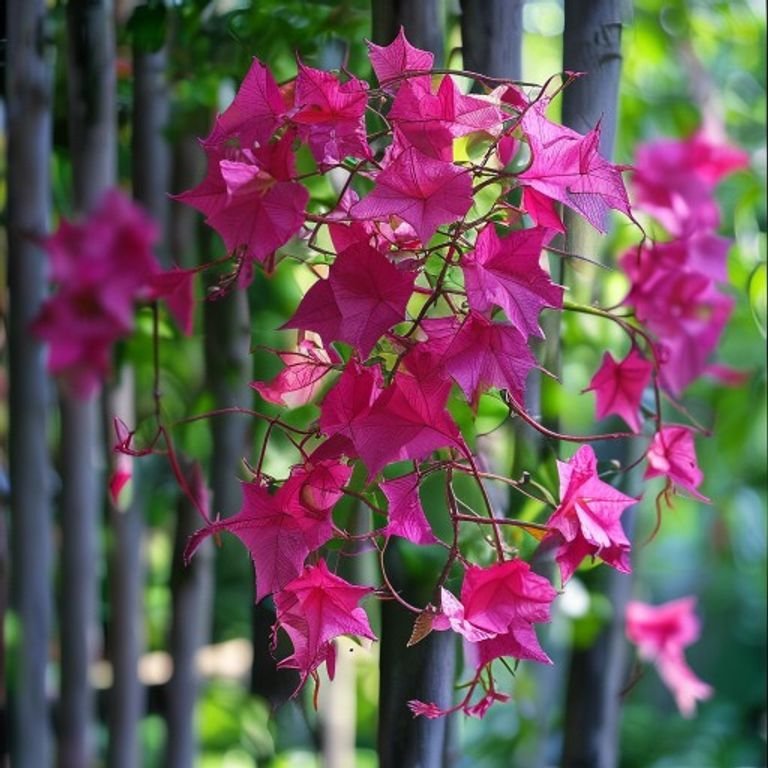
The sheer visual impact of a Bougainvillea in full bloom is unparalleled. What most people perceive as the ‘flowers’ are, in fact, modified leaves called bracts. These paper-thin bracts come in an astonishing array of colors, including vivid pink, royal purple, fiery red, cheerful orange, and pristine white. The actual flowers are small, often white, and tubular, nestled discreetly within these colorful bracts. This combination creates an ‘explosion of color’ that can brighten any landscape, making it a highly decorative plant.
Flowers (Bracts)
One of the most appealing aspects of the Bougainvillea is its nearly year-round flowering season in warm climates like India. These vibrant bracts emerge in abundance, often completely obscuring the foliage beneath, creating a dense tapestry of color. Unlike many flowering plants, Bougainvillea tends to bloom more profusely when it experiences a bit of stress, such as slightly drier conditions.
Foliage
While the bracts steal the show, the foliage of the Bougainvillea consists of simple, ovate green leaves. In warmer regions, it is an evergreen plant, maintaining its leaves throughout the year. However, in cooler climates or during periods of drought, it may become deciduous, shedding its leaves temporarily.
Fragrance
Interestingly, despite its dramatic visual appeal, the Bougainvillea is not known for its fragrance. The true flowers have a very subtle scent, if any, and the colorful bracts are entirely scentless. This makes it a perfect choice for those who appreciate visual beauty without overpowering floral perfumes.
Decorative Value
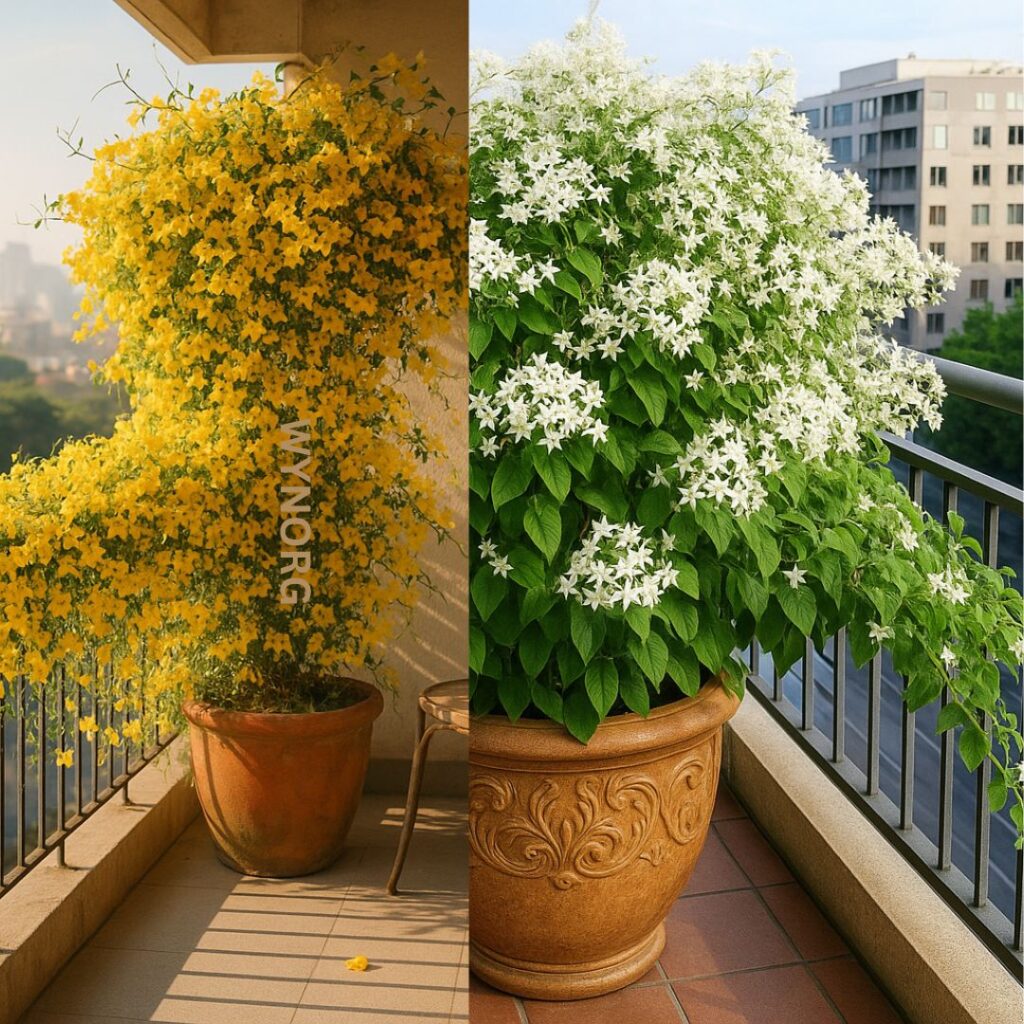
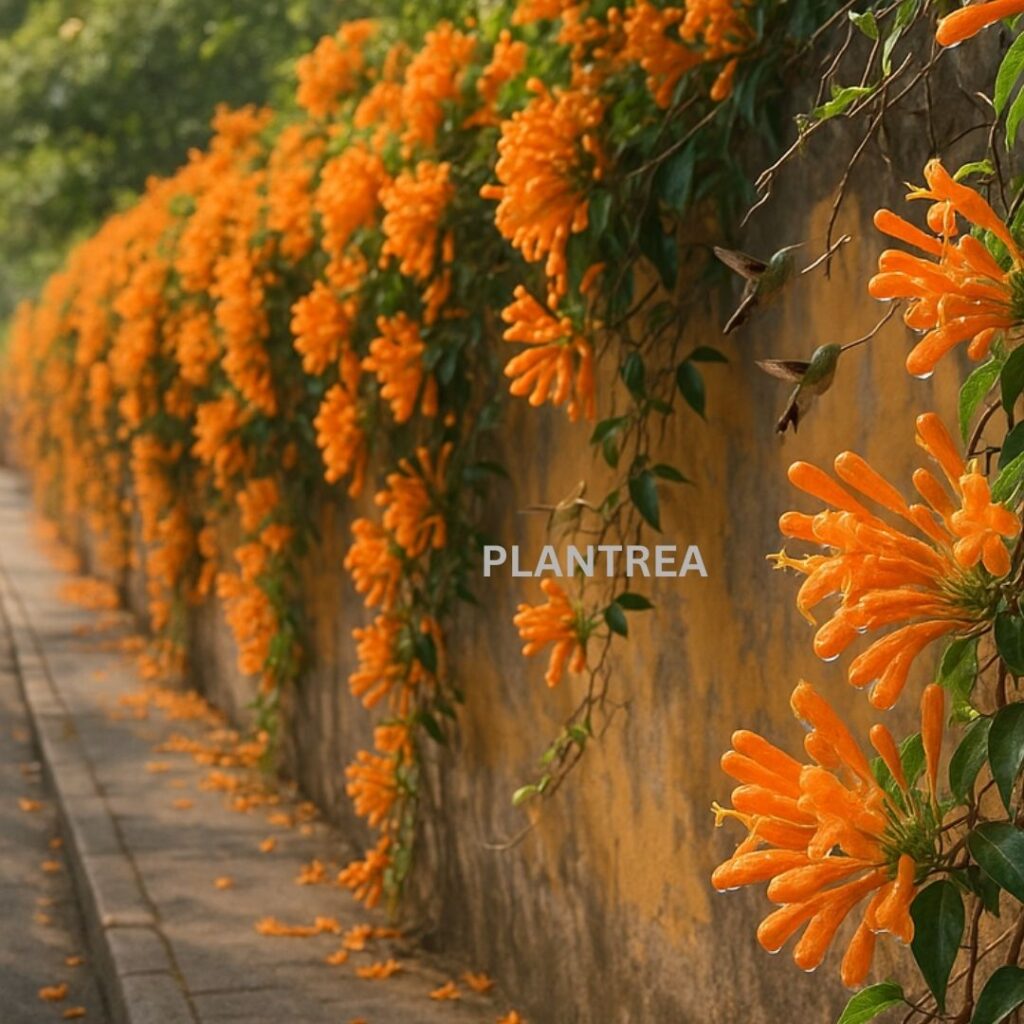
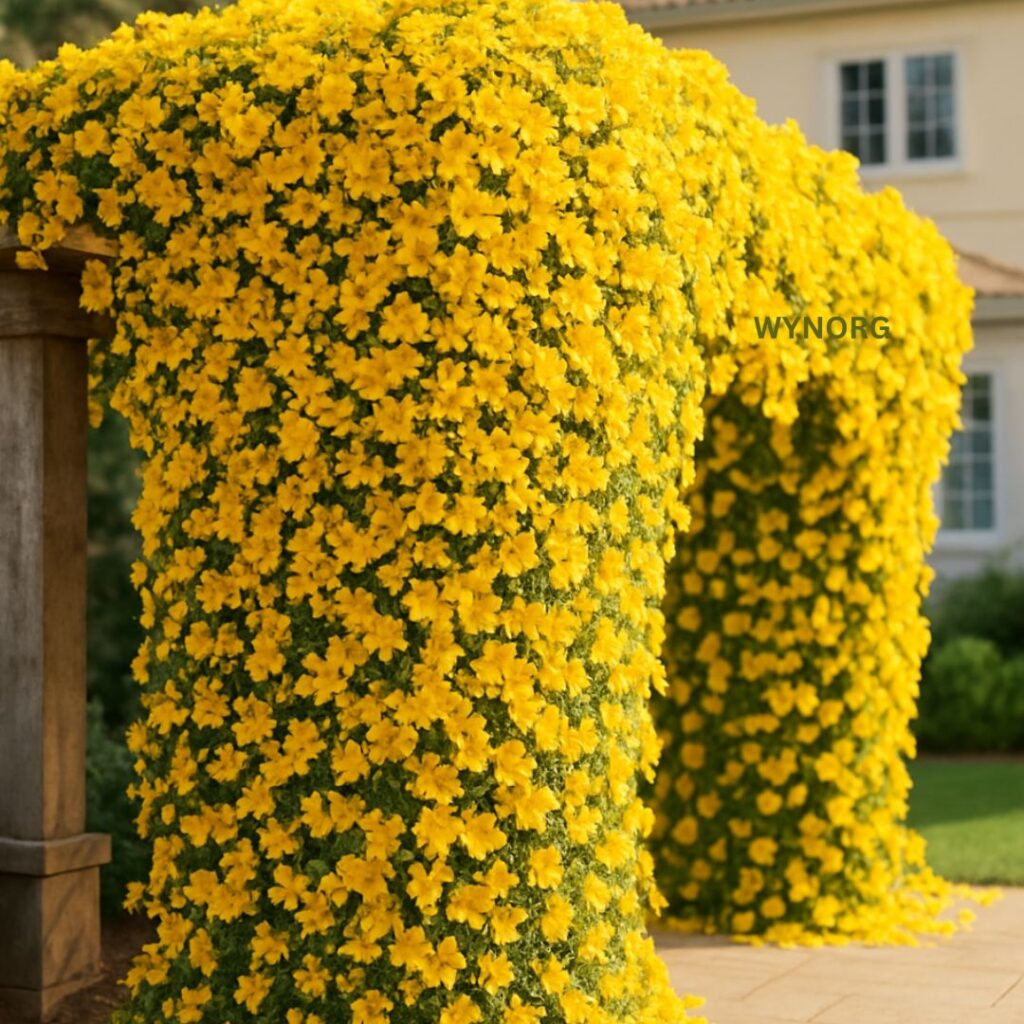
The Bougainvillea’s growth habit and vibrant colors make it an incredibly versatile plant for decorative purposes. It’s an ideal wall cover plant, perfect for compound walls, fences, and pergolas, creating stunning vertical gardens. It can be trained over arches, creating dramatic entrances, or allowed to ramble freely in dry gardens. Its salt tolerance also makes it an excellent choice for coastal areas. The thorns, while requiring careful handling, also add a layer of security, making it a practical choice for boundary plantings.
Growing Requirements
To witness the full glory of your Bougainvillea, understanding its basic growing requirements is key. This drought tolerant flowering plant prefers specific conditions to truly thrive and deliver its spectacular blooms.
Light
Full sun is absolutely essential for a Bougainvillea to bloom prolifically. It requires at least 6-8 hours of direct sunlight per day. Insufficient light is one of the most common reasons for poor flowering. Choose a location in your garden where it can bask in the brightest sun, especially during the hottest parts of the day.
Water
Bougainvillea prefers infrequent but deep watering. It is a drought tolerant plant and actually blooms best when stressed by slightly dry conditions. Overwatering is a common mistake that leads to lush foliage but very few flowers, and can also cause root rot. Allow the top few inches of soil to dry out completely between waterings. In the peak of summer, you might need to water more frequently, but always check the soil moisture first.
Temperature
Being a tropical plant, Bougainvillea thrives in warm climates, making it perfectly suited for most Indian conditions. It prefers temperatures above 15°C (59°F) and can tolerate very high temperatures common in India. While mature plants can handle occasional dips, prolonged cold or frost can damage them.
Humidity
Bougainvillea is quite adaptable to varying humidity levels and generally does well in the natural humidity found across most parts of India. It doesn’t require any special humidity conditions.
Soil
Well-draining soil is crucial for Bougainvillea. It tolerates a range of soil types but will struggle in heavy, waterlogged soils. A slightly acidic to neutral soil pH is ideal. Good drainage prevents problems like root rot.
Potting Mix
If growing in a pot, use a good quality, well-draining potting mix. A mix formulated for cacti or succulents often works well, or you can amend a regular potting mix with perlite or coarse sand to improve drainage. Ensure the pot has ample drainage holes.
Fertilizer
Less is often more when it comes to fertilizing Bougainvillea, especially if you want more blooms and less foliage. Over-fertilizing, particularly with high-nitrogen fertilizers, will encourage leafy growth at the expense of flowers. Use a balanced, slow-release fertilizer sparingly, perhaps once or twice during the main growing season, or a bloom-boosting fertilizer with a lower nitrogen (N) and higher phosphorus (P) and potassium (K) ratio. Remember, this thorny climber blooms best when slightly stressed, so go easy on the feeding.
How to Care for This Plant
Caring for Bougainvillea is relatively straightforward, making it a rewarding plant for gardeners of all levels. Here’s a practical, step-by-step guide to keeping your paper flower thriving:
- Location is Key: Plant your Bougainvillea in a spot that receives at least 6-8 hours of direct sunlight daily. This is non-negotiable for abundant blooms.
- Water Sparingly: Once established, water deeply but infrequently. Allow the soil to dry out significantly between waterings. This stress encourages blooming. Reduce watering during the cooler, dormant months.
- Prune for Shape and Blooms: Pruning is vital for maintaining the shape, size, and flowering performance of your Bougainvillea. Prune after each major flush of blooms to encourage new growth and more flowers. Remove any dead, diseased, or crossing branches. You can also hard prune to reshape an overgrown plant, but be prepared for a temporary reduction in blooms. Always wear gloves when pruning due to the thorns.
- Support for Climbing Varieties: If you have a climbing variety, provide sturdy support like a trellis, arbor, or wall. Tie the branches gently as they grow to guide them.
- Fertilize Prudently: Fertilize sparingly. A light application of a bloom-boosting fertilizer (lower N, higher P and K) once or twice during the growing season is usually sufficient. Avoid high-nitrogen fertilizers.
- Container Care: If growing in a pot, ensure it’s large enough to accommodate the plant’s growth and has excellent drainage. Container-grown Bougainvillea may require more frequent watering than those in the ground, but still allow the soil to dry out between sessions. Repot only when necessary, as they prefer to be slightly root-bound.
- Pest and Disease Watch: Bougainvillea is generally resistant to most pests and diseases. However, keep an eye out for common garden pests like aphids or mealybugs, and treat with organic pest control methods if necessary. The most significant disease threat is root rot, caused by overwatering.
Common Problems and Solutions
While Bougainvillea is a robust plant, gardeners sometimes encounter specific issues. Here are some common problems and their straightforward solutions:
- No Blooms:
- Problem: The most frequent complaint is a lack of flowers. This is almost always due to either too much water or not enough sun (shade).
- Solution: Ensure your Bougainvillea receives at least 6-8 hours of direct full sun daily. Reduce watering, allowing the soil to dry out between irrigation cycles. Avoid over-fertilizing with nitrogen-rich products.
- Yellow Leaves:
- Problem: Yellowing leaves can indicate overwatering, poor drainage, or sometimes nutrient deficiencies.
- Solution: Check soil moisture. If it’s consistently wet, improve drainage or reduce watering frequency. Ensure the plant is in full sun. A general-purpose fertilizer might help if it’s a nutrient issue, but remember to fertilize sparingly.
- Pests:
- Problem: Bougainvillea is relatively pest-free, but occasionally you might encounter aphids, mealybugs, or spider mites.
- Solution: For minor infestations, a strong spray of water can dislodge pests. For more persistent issues, use neem oil spray or insecticidal soap, following product instructions.
- Fungal Diseases (e.g., Root Rot):
- Problem: Root rot is a common fungal issue caused by persistently wet, poorly draining soil. Symptoms include wilting, yellowing leaves, and stunted growth despite adequate watering.
- Solution: The best prevention is good drainage and proper watering practices. If root rot is suspected, try to improve drainage and allow the soil to dry out thoroughly. In severe cases, the plant may need to be carefully removed, diseased roots pruned, and repotted in fresh, well-draining soil.
- Thorns:
- Problem: While a benefit for security, the sharp thorns can make handling difficult and cause scratches.
- Solution: Always wear thick gloves when pruning or training your Bougainvillea. Be mindful of its placement in high-traffic areas.
Benefits
Beyond its stunning aesthetics, the Bougainvillea offers a host of benefits that make it a highly desirable plant for Indian gardens and landscapes.
- Home Decoration & Landscaping: Its primary benefit is the dramatic explosion of color it brings. It’s perfect for creating living fences, covering unsightly walls, adorning pergolas and arches, or adding a vibrant splash to large containers on patios and balconies. As a wall cover plant or for compound walls, it creates an impressive and colourful barrier.
- Drought Tolerance: This is a significant advantage, especially in regions with water scarcity or during dry spells. Once established, the Bougainvillea requires very little water, making it an eco-friendly choice. It’s a true drought tolerant flowering plant.
- Salt Tolerance: For those living in coastal areas, the Bougainvillea is an excellent option as it tolerates salty air and soil conditions where many other plants would struggle.
- Security: The thorny nature of this climber makes it an effective and beautiful security barrier when planted along fences or compound walls. Its dense, thorny growth can deter intruders.
Frequently Asked Questions
Here are answers to some common questions about Bougainvillea:
FAQ 1: Why is my Bougainvillea not flowering?
The most common reasons for a Bougainvillea not flowering are too much water or not enough sun. Bougainvillea needs at least 6-8 hours of direct full sun daily to produce its vibrant bracts. Additionally, it actually blooms better when slightly stressed by drier soil conditions, so reduce your watering frequency.
FAQ 2: Is Bougainvillea an evergreen plant?
Yes, Bougainvillea is typically evergreen in warm, tropical climates like much of India, meaning it retains its leaves year-round. However, in regions with cooler winters or during extended dry periods, it may become deciduous, shedding some or all of its leaves temporarily.
FAQ 3: How should I prune my Bougainvillea?
Prune your Bougainvillea after each major flush of flowering. This encourages new growth, which will bear more blooms. Focus on shaping the plant, removing any dead, damaged, or weak branches, and cutting back any long, leggy stems to maintain a compact form and promote bushiness. Always wear protective gloves due to the plant’s thorns.
Final Thoughts
The Bougainvillea is truly a gardener’s delight, offering an unparalleled display of color with minimal fuss. Its resilience, drought tolerance, and adaptability to Indian conditions make it a phenomenal choice for adding grandeur and vibrancy to any outdoor space. By providing ample sunlight, judicious watering, and timely pruning, you can enjoy a continuous spectacle of its magnificent paper flower bracts for many years to come.
Embrace the challenge of cultivating this thorny climber, and you’ll be rewarded with an “explosion of color” that transforms your garden into a tropical paradise. Plantrea is the online plant platform from Wynorg, helping plant lovers across India discover quality plants, practical growing advice, and trusted nursery sourcing, ensuring you have all the support you need for a thriving garden.
Interested in This Plant?
If the breathtaking Bougainvillea has captured your imagination, you might have more questions about bringing this vibrant plant into your home or garden. We understand that every gardener’s situation is unique, and getting personalised advice can make all the difference.
Our Plant Expert chat, located at the bottom-right corner of every page, is here to assist you. You can use this helpful tool to check whether the beautiful Bougainvillea is currently available, or get personalised plant recommendations that are perfect for your specific home and garden conditions.
Whether you have specific questions about Bougainvillea care and maintenance, or if you’re looking for suitable alternatives should this particular plant not be available, our experienced Plant Expert is ready to provide guidance. Think of them as your personal gardening assistant, ready to share tailored advice to help your garden flourish.
Want to buy this plant? Visit https://plantrea.com/shop-2/