Baramasi Lemon: Year-Round Citrus Fruit for Your Garden | Plantrea
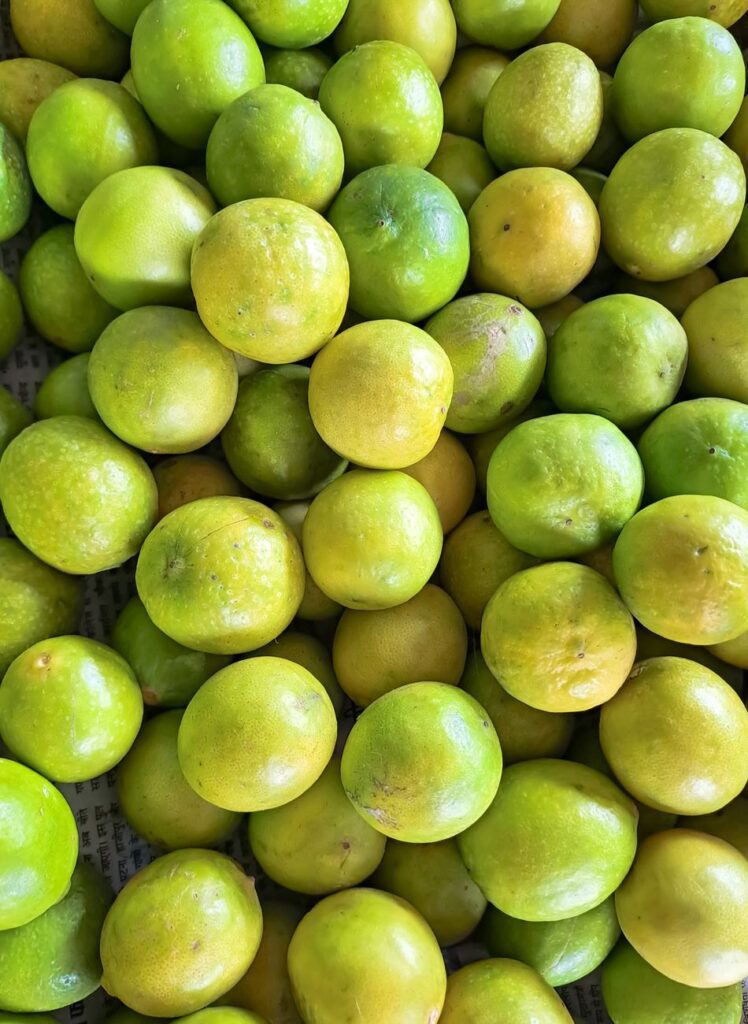
There’s something truly special about having fresh, homegrown lemons available right when you need them. In Indian homes and gardens, the Baramasi Lemon (Citrus limon) holds a cherished spot for this very reason. Its remarkable ability to produce fruits throughout the year makes it a favourite among gardeners, from seasoned enthusiasts to those just starting their green journey. Imagine stepping into your garden and plucking a ripe, juicy lemon for your morning tea, a refreshing nimbu pani, or a flavourful curry – the Baramasi Lemon makes this a delightful reality, offering both beauty and bounty.
At Plantrea, we understand the joy and satisfaction that comes from nurturing plants that give back so much. Plantrea is the online plant platform by Wynorg, a trusted Indian brand known for delivering healthy live plants safely across India. We’re here to help you cultivate thriving Baramasi Lemon trees, ensuring you enjoy a continuous harvest of this versatile citrus.
Botanical Overview
The Baramasi Lemon, scientifically known as Citrus limon, belongs to the Rutaceae plant family, which is renowned for its aromatic citrus fruits. This wonderful plant is believed to have originated in Asia, specifically in regions of Northeast India, Northern Myanmar, and China, where citrus diversity is particularly rich. It’s classified as an evergreen shrub or a small tree, meaning its vibrant green foliage remains year-round, adding continuous greenery to your landscape.
In terms of its growth habit, the Baramasi Lemon typically grows as a dense, spreading shrub, but with proper pruning, it can be trained into a charming small tree. It’s an incredibly vigorous grower in suitable conditions, capable of reaching heights of 10-20 feet (3-6 meters) when planted directly in the ground. Its evergreen nature, combined with its continuous flowering and fruiting cycle, makes it a dynamic and productive addition to any garden.
Why People Love This Plant
The Baramasi Lemon is not just a fruit producer; it’s a plant that brings a multitude of sensory delights and practical benefits to any space it inhabits. It’s adored for many reasons that extend beyond its delicious fruit.
Appearance
The plant itself is a vision of lushness. Its glossy, dark green leaves are a vibrant backdrop to the delicate flowers and bright yellow fruits. The foliage has a dense, attractive quality that makes it a superb ornamental specimen, whether in a large garden bed or a decorative pot on a patio.
Flowers
One of the most captivating features of the Baramasi Lemon is its continuous display of flowers. Throughout the year, you’ll be treated to small, exquisite white blossoms. These flowers often boast a lovely tinge of purple on their outer petals, adding a subtle touch of elegance. The sheer abundance of blooms ensures a steady supply of fruit, living up to its “Baramasi” (twelve-month) name.
Foliage
The deep green, ovate leaves are not only aesthetically pleasing but also release a distinct, refreshing citrus aroma when brushed or crushed. This natural fragrance can elevate the atmosphere of your garden or balcony, providing a hint of zest even before the fruit ripens.
Fragrance
Beyond the leaves, the flowers themselves are wonderfully fragrant. Their sweet, heady perfume drifts through the air, especially in the evening, attracting pollinators like bees and filling your garden with a delightful scent that speaks of warmth and sunshine.
Decorative Value
With its vibrant evergreen leaves, fragrant blossoms, and colourful fruit at various stages of ripeness, the Baramasi Lemon is a plant of high decorative value. It adds texture, colour, and life to home gardens, courtyards, and even balconies when grown in containers. Its presence is a constant reminder of nature’s bounty and beauty.
Growing Requirements
To ensure your Baramasi Lemon thrives and produces its beloved year-round fruit, understanding its specific growing requirements is key. While it’s a robust plant, giving it the right conditions from the start will lead to a healthier, more productive tree.
Light
The Baramasi Lemon is a sun-worshipper. It absolutely thrives in full sun, requiring a minimum of 6-8 hours of direct sunlight daily. For optimal flowering and fruit production, especially in the Indian climate, choose a spot in your garden or on your balcony that receives ample sunshine throughout the day. Insufficient light can lead to sparse flowering and reduced fruit yield.
Water
Consistent and moderate watering is crucial for your Baramasi Lemon. When the top 2-3 inches of soil feel dry to the touch, it’s time to water deeply. Ensure the water drains well from the pot or garden bed. Overwatering, which can lead to soggy soil, is a common culprit for root rot, so always check soil moisture before watering again. During hot summer months, you might need to water more frequently, while in cooler, humid conditions, less often.
Temperature
As a tropical to subtropical plant, the Baramasi Lemon prefers warm temperatures, ideally ranging from 13-29°C (55-85°F). It can tolerate higher temperatures common in many parts of India but is sensitive to frost. In regions where winter temperatures drop significantly, container-grown plants should be moved indoors or protected with frost covers.
Humidity
Moderate humidity is preferred by the Baramasi Lemon. While it generally copes well with ambient Indian humidity, extremely dry conditions can stress the plant. Misting the foliage occasionally, especially indoors during dry periods, can be beneficial, but ensure good air circulation to prevent fungal issues.
Soil
A well-draining soil is paramount for any citrus plant. The Baramasi Lemon prefers a slightly acidic to neutral pH (6.0-7.0). A sandy loam soil is ideal as it allows for good drainage while retaining essential moisture and nutrients. Avoid heavy clay soils that can become waterlogged.
Potting Mix
For container-grown Baramasi Lemon trees, use a high-quality, well-draining potting mix specifically formulated for citrus or general container plants. You can amend it with perlite or coarse sand to improve drainage. Ensure the pot has ample drainage holes to prevent water accumulation.
Fertilizer
Given its year-round fruiting habit, the Baramasi Lemon is a heavy feeder. Fertilize every 4-6 weeks during its active growing season, which typically runs from spring through fall in India. Use a balanced citrus-specific fertilizer rich in nitrogen for foliage growth, potassium for flowering and fruiting, and essential micronutrients like iron and zinc. These micronutrients are vital to prevent deficiencies that can manifest as yellowing leaves. Follow the product’s instructions for dosage.
How to Care for This Plant
Caring for your Baramasi Lemon tree is a rewarding experience that ensures a steady supply of fresh, homegrown fruit. Here’s a practical, step-by-step guide to nurturing your ever-bearing lemon tree:
- Location, Location, Location: Choose a sunny spot that receives at least 6-8 hours of direct sunlight daily. If growing in a container, select a well-drained pot and consider castor wheels for easy movement to catch the sun or for frost protection.
- Consistent Watering: Feel the soil regularly. Water deeply when the top 2-3 inches of soil feel dry. In the hotter Indian months, this might be every few days. Always ensure proper drainage to prevent root rot. Reduce watering frequency during cooler, dormant periods.
- Feed Your Tree: Baramasi Lemon is an ever-bearing lemon, meaning it’s continuously working to produce fruit. Support this by fertilizing every 4-6 weeks from spring through autumn with a good quality citrus-specific fertilizer. Look for formulas with micronutrients like iron and zinc.
- Pruning for Health and Harvest: Annual pruning is essential. The best time is usually after a major flush of fruit or in late winter/early spring before new growth emerges.
- Remove any dead, diseased, or damaged branches.
- Prune away suckers that grow from the rootstock below the graft union.
- Thin out crowded branches to improve air circulation, which helps prevent fungal diseases.
- Shape the tree to encourage a strong, open structure, allowing light to penetrate the inner canopy. This promotes better fruit production.
- Pest Vigilance: Regularly inspect your Baramasi Lemon for signs of pests like aphids, scale, or leaf miners. Early detection makes treatment much easier.
- Frost Protection (if applicable): If you live in a region that experiences occasional frost, protect young trees by covering them with a blanket or horticultural fleece. Container plants should be moved indoors to a bright, sheltered spot.
- Repotting Container Plants: Every 2-3 years, or when the plant becomes root-bound, repot your container-grown Baramasi Lemon into a slightly larger pot with fresh potting mix. This revitalizes the plant and provides new nutrients.
- Propagation: While Baramasi lemon can be grown from seed, it’s often propagated through grafting onto a robust rootstock. This ensures the true-to-type characteristics of the parent plant and provides disease resistance and vigour. For home gardeners, purchasing a grafted plant is usually the most reliable way to get a productive Baramasi Lemon. You can also try taking semi-hardwood cuttings during the warmer months, dipping them in rooting hormone, and planting them in a well-draining propagation mix.
Common Problems and Solutions
Even with the best care, Baramasi Lemon trees can sometimes encounter issues. Here are some common problems and practical solutions for your ever-bearing lemon tree:
- Yellow Leaves (Chlorosis):
- Problem: Leaves turning yellow, especially between the veins, often indicates nutrient deficiencies, most commonly iron or zinc, but can also be nitrogen.
- Solution: Ensure you are using a balanced citrus-specific fertilizer that includes micronutrients. For severe deficiencies, a foliar spray with chelated iron or zinc can provide a quick boost. Adjust soil pH if it’s too alkaline, as this can lock up nutrients.
- Pests: Citrus Leaf Miners, Aphids, Scale, Spider Mites:
- Problem: Curling leaves, sticky residue (honeydew), tiny insects on new growth, or silvery trails on leaves are signs of pests.
- Solution: Regularly inspect your plant. For mild infestations, spray affected areas with a strong stream of water. For more persistent issues, use neem oil spray or insecticidal soap, ensuring thorough coverage of both leaf surfaces. Repeat applications may be necessary.
- Fungal Diseases (Citrus Canker, Anthracnose, Root Rot):
- Problem: Symptoms include raised, crusty lesions on leaves and fruit (canker), brown spots on leaves, dieback (anthracnose), or wilting and yellowing despite watering (root rot).
- Solution: Prevent root rot by ensuring excellent drainage and avoiding overwatering. Improve air circulation through proper pruning. For canker or anthracnose, remove affected branches and dispose of them to prevent spread. Fungicides can be used as a preventative measure in very humid conditions, but good cultural practices are key.
- Poor Flowering/Fruiting:
- Problem: Your Baramasi Lemon isn’t producing many flowers or fruits, despite being an ever-bearing lemon.
- Solution: Most often, this is due to insufficient sunlight (less than 6-8 hours), inadequate fertilization (lack of potassium and phosphorus), or improper watering. Ensure all growing requirements are met, and consider using a fertilizer with a higher phosphorus content to encourage blooms.
- Slow Growth:
- Problem: The plant appears stunted or isn’t growing as vigorously as expected.
- Solution: Check for nutrient deficiencies, insufficient light, or compacted/poor soil. Ensure regular fertilization, provide ample sunlight, and if in a container, consider repotting with fresh, well-draining soil.
- Leaf Drop:
- Problem: Leaves falling off the tree. This can be sudden or gradual.
- Solution: Common causes include sudden temperature changes (especially cold snaps/frost), severe underwatering or overwatering, nutrient shock, or pest infestations. Identify the underlying cause and rectify it. For frost damage, move container plants indoors or protect outdoor trees.
Benefits
Beyond its charm and delicious fruit, the Baramasi Lemon offers several tangible benefits to the gardener and the environment:
- Culinary Delight & Vitamin C: The most obvious benefit is the year-round supply of fresh lemons, rich in Vitamin C. Perfect for cooking, baking, beverages, and traditional remedies.
- Home Decoration: Its evergreen foliage, fragrant white flowers, and bright yellow fruits make it a highly attractive ornamental plant, enhancing the aesthetic appeal of any home or garden space.
- Balcony Gardening: The Baramasi Lemon adapts wonderfully to container gardening, making it an excellent choice for balconies, patios, and smaller urban gardens where space is limited. This also allows for easy relocation during harsh weather.
- Landscaping: When planted in the ground, it can serve as an attractive specimen tree, part of an edible landscape, or even provide a degree of natural screening due to its dense growth.
- Pollinator Friendly: The fragrant white blossoms are a magnet for bees and other beneficial pollinators, contributing to the biodiversity of your garden and supporting local ecosystems.
Frequently Asked Questions
How often does a Baramasi Lemon tree produce fruit?
The Baramasi Lemon is renowned for its “ever-bearing” nature, meaning it produces fruit throughout the year. While there might be peaks in production, you can expect a continuous supply of fresh lemons, with flowers, immature fruits, and ripe fruits often present on the tree simultaneously. Consistent care, including adequate sunlight, water, and fertilizer, will ensure optimal year-round fruiting.
What are the ideal growing conditions for a Baramasi Lemon?
For optimal growth and fruit production, the Baramasi Lemon thrives in full sun, requiring 6-8 hours of direct sunlight daily. It prefers warm temperatures (13-29°C) and moderate humidity. The ideal soil is well-draining, slightly acidic to neutral (pH 6.0-7.0), such as a sandy loam. Consistent, moderate watering when the top few inches of soil are dry, along with regular feeding with a citrus-specific fertilizer, are also crucial.
Is the Baramasi Lemon plant suitable for growing in containers?
Absolutely! The Baramasi Lemon is an excellent choice for container gardening, especially if you have limited garden space or live in a region with cold winters. Growing it in a pot allows you to move the plant indoors or to a sheltered location during frost. Ensure you choose a large pot with good drainage and use a high-quality, well-draining potting mix. Regular feeding and occasional repotting will keep your container-grown Baramasi Lemon healthy and productive.
Final Thoughts
Bringing a Baramasi Lemon tree into your home or garden is an investment in both beauty and an abundant harvest. Its evergreen foliage, fragrant blooms, and the promise of fresh, year-round fruit make it a truly rewarding plant to cultivate. By understanding its needs for sunlight, water, and nutrients, and by providing consistent care, you can enjoy the satisfaction of growing your own delicious citrus for many years to come.
Embrace the journey of nurturing this wonderful plant, and soon you’ll be harvesting your very own lemons. Plantrea is the online plant platform from Wynorg, helping plant lovers across India discover quality plants, practical growing advice, and trusted nursery sourcing. We are committed to supporting your gardening passion every step of the way.
Interested in This Plant?
The Baramasi Lemon is truly a gem for any Indian garden, offering year-round freshness and beauty. If you’re considering adding this delightful ever-bearing lemon to your collection or have more questions about its care, our Plant Expert chat is here to help! You can find our friendly experts ready to assist you in the bottom-right corner of every page.
Whether you want to check if the Baramasi Lemon is currently available, need personalised plant recommendations tailored to your home or garden conditions, or simply have specific questions about its care and maintenance, our Plant Expert is an experienced gardening assistant who can provide immediate, helpful advice. They can even guide you on suitable alternatives if the Baramasi Lemon isn’t quite right for your space or if you’re looking for something similar.
Don’t hesitate to reach out! Our Plant Expert is dedicated to helping you make informed decisions and ensuring your gardening journey is as fruitful and enjoyable as possible. Get expert advice on your Baramasi Lemon or any other plant today!
Image by: Mahantraa Photography
https://www.pexels.com/@mahantraaphotography