Hibiscus Plant Care: A Comprehensive Guide for Indian Gardeners
The vibrant Hibiscus, affectionately known as Gudhal in many Indian homes, is a true jewel of the garden. Its large, showy flowers, ranging in colours from fiery reds to delicate pinks, bright yellows, and pure whites, bring an undeniable charm to any space. Whether gracing a temple offering, adorning a balcony, or forming a lush garden hedge, the Hibiscus is deeply woven into the fabric of Indian culture and gardening. Its ability to bloom almost year-round in our tropical and subtropical climates makes it a perennial favourite among plant enthusiasts.
At Plantrea, the online plant platform by Wynorg, a trusted Indian brand known for delivering healthy live plants safely across India, we understand the joy and beauty a thriving Hibiscus brings. We’re here to guide you through every step of its care, ensuring your plant flourishes and blesses your home with its magnificent blooms.
Botanical Overview
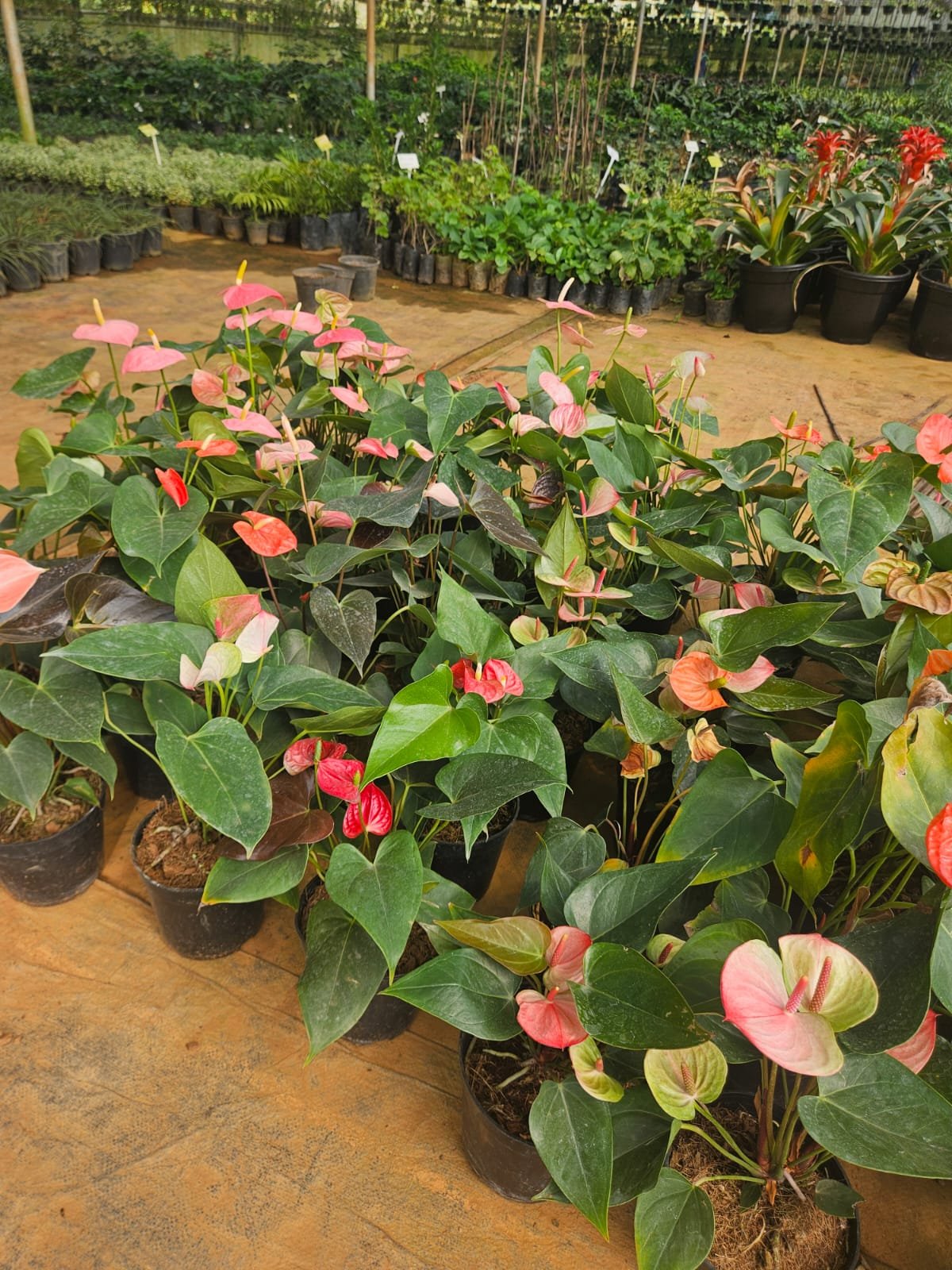
The plant we commonly refer to as Hibiscus is most often Hibiscus rosa-sinensis, though many other species exist.
* Botanical Name: Hibiscus rosa-sinensis
* Plant Family: Malvaceae (Mallow family)
* Origin: East Asia, though widely cultivated and naturalized across tropical and subtropical regions.
* Plant Type: Evergreen flowering shrub
* Growth Habit: Typically grows as a bushy, upright shrub, but can be trained into a small tree or espalier.
Why People Love This Plant
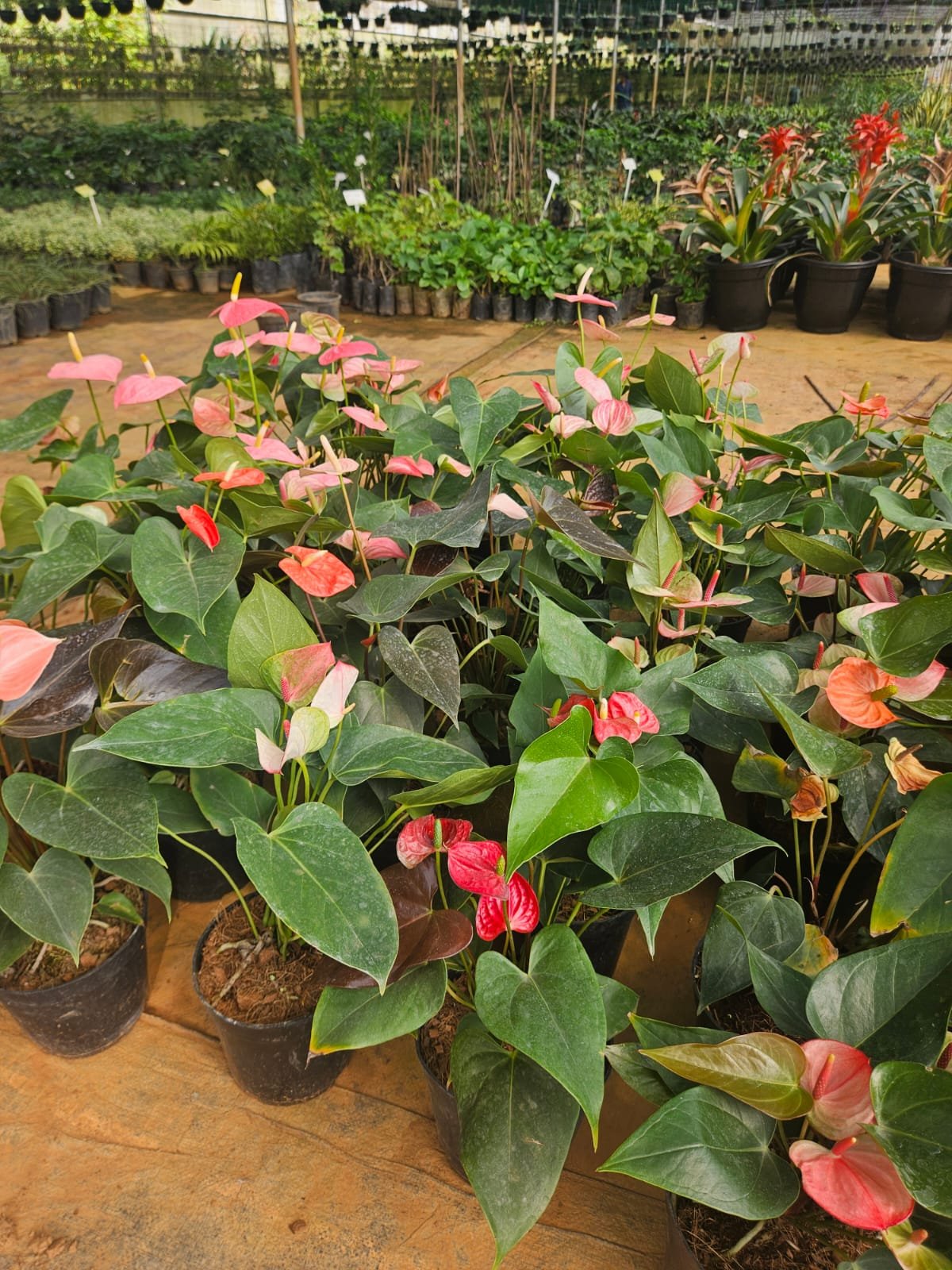
The sheer exuberance of the Hibiscus makes it a beloved plant across India.
Appearance
The overall appearance of a healthy Hibiscus plant is one of lushness and vitality. Its glossy, dark green leaves provide a perfect foil for the spectacular flowers.
Flowers
Hibiscus flowers are the main attraction. They are large, trumpet-shaped, and can reach impressive sizes, often with prominent staminal columns. While each individual flower typically lasts only a day or two, a well-cared-for plant produces a continuous succession of blooms, ensuring your garden is always lively. Varieties boast single or double petals and a stunning array of colours including red, pink, orange, yellow, and white, often with contrasting centres or veining.
Foliage
The leaves are typically dark green, glossy, and ovate with serrated edges, providing a dense, attractive backdrop even when the plant is not in bloom.
Fragrance
Most varieties of Hibiscus rosa-sinensis have little to no fragrance, though their visual appeal more than compensates for this.
Decorative Value
The Hibiscus plant is incredibly versatile for decorative purposes. It’s perfect for traditional Indian gardens, adding a splash of vibrant colour. It can be grown as a specimen plant, a hedge, or in containers on balconies and patios. Its flowers are frequently used in religious ceremonies, as hair adornments, and for making herbal teas or natural dyes.
Growing Requirements
To ensure your Hibiscus plant thrives in the Indian climate, understanding its specific needs is crucial.
Light
Hibiscus plants crave sunlight. They perform best in a location that receives at least 6-8 hours of direct sunlight daily. In extremely hot regions, a spot with morning sun and some afternoon shade can be beneficial to prevent leaf scorch, especially during peak summer. Insufficient light will result in leggy growth and reduced flowering.
Water
These plants prefer consistently moist soil, but not waterlogged conditions. Water thoroughly when the top inch of soil feels dry to the touch. During hot, dry periods, this might mean daily watering. In cooler months, reduce watering frequency. Good drainage is paramount to prevent root rot.
Temperature
Hibiscus are tropical plants and thrive in warm temperatures. They are well-suited to the Indian climate, preferring temperatures between 18°C and 30°C. They are not frost-tolerant and should be protected if temperatures drop significantly.
Humidity
Being tropical plants, Hibiscus appreciate high humidity. In naturally humid Indian conditions, this is rarely an issue. If growing indoors or in a particularly dry environment, occasional misting can be beneficial.
Soil
A well-draining, fertile soil mix is ideal. Hibiscus prefer a slightly acidic to neutral pH (6.0 to 7.0).
Potting Mix
For container-grown Hibiscus, use a high-quality potting mix that drains well but retains some moisture. A mix containing garden soil, coco peat, and organic compost in equal parts is often effective. Ensure the pot has ample drainage holes.
Fertilizer
Hibiscus are heavy feeders, especially during their active growing and flowering periods (spring to autumn). Use a balanced liquid fertilizer or a slow-release granular fertilizer formulated for flowering plants. A fertilizer high in potassium but lower in phosphorus is often recommended for maximum blooms. Fertilize every 2-4 weeks during the growing season and reduce or stop during dormancy. Avoid fertilizers high in phosphorus, as this can lead to nutrient imbalances.
How to Care for This Plant
A little consistent care goes a long way in keeping your Hibiscus healthy and blooming profusely.
* Pruning: Regular pruning is essential for a bushy plant and abundant blooms. Prune in late winter or early spring before new growth begins, or after a major flush of flowers. Remove dead, diseased, or crossing branches. You can also prune to shape the plant and encourage new lateral growth. Light tip pruning throughout the year can encourage more blooms.
* Pinching: Pinching back the tips of young stems can encourage bushier growth.
* Repotting: Repot young Hibiscus plants annually into a slightly larger pot. Mature plants can be repotted every 2-3 years or have their topsoil replaced with fresh potting mix.
* Pest Management: Regularly inspect your plant for pests. Early detection makes control easier.
* Disease Prevention: Ensure good air circulation and avoid overwatering to prevent fungal issues.
* Seasonal Care: In colder regions of India, protect your Hibiscus from frost by moving potted plants indoors or covering garden plants. In scorching summers, ensure adequate watering and possibly provide some afternoon shade.
Common Problems and Solutions
Even with the best intentions, your Hibiscus might face a few challenges. Here are some common problems and their solutions:
* Yellow Leaves:
* Cause: Overwatering, underwatering, nutrient deficiency (especially iron or nitrogen), or cold temperatures.
* Solution: Check soil moisture. Ensure good drainage. Fertilize with a balanced feed. Move to a warmer spot if temperatures are low.
* Pests:
* Common Pests: Aphids, mealybugs, whiteflies, spider mites.
* Solution: For mild infestations, spray with a strong jet of water or neem oil solution. For severe cases, use an insecticidal soap or an appropriate organic pesticide.
* Fungal Diseases:
* Common Diseases: Powdery mildew, leaf spot.
* Cause: High humidity coupled with poor air circulation, or overhead watering.
* Solution: Improve air circulation, water at the base of the plant, remove affected leaves, and if necessary, use an organic fungicide.
* Root Rot:
* Cause: Persistent overwatering and poor drainage.
* Solution: Ensure pots have drainage holes and the soil mix drains well. Reduce watering frequency. In severe cases, repotting into fresh, well-draining soil after trimming affected roots may be necessary.
* Poor Flowering:
* Cause: Insufficient sunlight, inadequate fertilization (especially lack of potassium), over-fertilization with nitrogen (encourages foliage over flowers), or incorrect pruning.
* Solution: Move to a sunnier location. Use a balanced fertilizer high in potassium. Prune correctly to encourage new growth points for flowers.
* Slow Growth:
* Cause: Lack of nutrients, insufficient light, or compact soil.
* Solution: Fertilize regularly, ensure adequate sunlight, and consider repotting with fresh, aerated potting mix.
* Leaf Drop:
* Cause: Sudden changes in environment (temperature, light), severe pest infestation, or extreme watering issues (both over and under).
* Solution: Identify and rectify the underlying stress factor. Ensure consistent care.
Benefits
Beyond their undeniable beauty, Hibiscus plants offer several benefits that make them a valuable addition to Indian homes and gardens.
* Home Decoration: The vibrant blooms are perfect for adding a tropical touch to any home interior or exterior. Potted Hibiscus can brighten up living rooms, balconies, and patios.
* Balcony Gardening: Hibiscus are excellent candidates for container gardening, making them ideal for urban dwellers with limited space on balconies or terraces.
* Landscaping: In larger gardens, Hibiscus can be used as stunning specimen plants, part of a mixed border, or trimmed into beautiful, flowering hedges.
* Pollinator Friendly: The large, open flowers are very attractive to pollinators like butterflies and hummingbirds, contributing to the biodiversity of your garden.
Frequently Asked Questions
How often should I water my Hibiscus plant?
The watering frequency for your Hibiscus depends on various factors such as weather, pot size, and soil type. As a general rule, water thoroughly when the top inch of soil feels dry to the touch. During hot Indian summers, this might mean daily watering, while in cooler seasons, it could be every few days. Always ensure good drainage to prevent waterlogging.
Why are my Hibiscus buds dropping before they open?
Bud drop in Hibiscus is a common issue and can be caused by several factors: sudden changes in temperature, inconsistent watering (both too much and too little), pest infestations (especially thrips or spider mites), nutrient deficiencies (particularly potassium), or extreme heat stress. Inspect your plant for pests, ensure consistent moisture, and consider a fertilizer with higher potassium to encourage stronger buds.
Can Hibiscus be grown in pots?
Absolutely! Hibiscus plants thrive in pots, making them perfect for balconies, patios, and even as indoor plants in bright locations. When potting, choose a container with good drainage holes and use a well-draining, fertile potting mix. Ensure the pot size is adequate for the plant’s growth, and remember that potted plants may require more frequent watering and feeding than those in the ground.
Final Thoughts
The Hibiscus is more than just a beautiful flower; it’s a symbol of tropical exuberance and a testament to the joy of gardening. With the right care and attention to its needs for sunlight, water, and nutrients, your Hibiscus plant will reward you with a continuous display of stunning blooms. Embracing the journey of growing a Hibiscus is a rewarding experience that adds a touch of natural elegance and vibrancy to your surroundings.
Plantrea is the online plant platform from Wynorg, helping plant lovers across India discover quality plants, practical growing advice, and trusted nursery sourcing.
Interested in This Plant?
Curious to add the magnificent Hibiscus to your collection or need more personalized advice? Our Plant Expert chat is here to help you! You’ll find it conveniently located at the bottom-right corner of your screen.
Our Plant Expert is like having an experienced gardening assistant at your fingertips. You can use the chat to quickly check whether the vibrant Hibiscus plant is currently available for delivery in your area. Beyond availability, feel free to ask for personalised plant recommendations tailored to your home or garden conditions.
Have specific questions about Hibiscus plant care and maintenance, or perhaps encountered a unique challenge? Our Plant Expert can provide detailed guidance. If for any reason the Hibiscus isn’t quite right for you, or if you’re looking for similar options, the chat is also a great way to discover suitable alternatives that will thrive in your space.
Want to buy this plant? Visit https://plantrea.com/shop-2/