Adenium – Desert Rose with Swollen Bonsai Trunk | Wynorg Nursery
The Adenium, often affectionately known as the Desert Rose, is a plant that effortlessly captures hearts with its unique charm and stunning floral displays. Its distinctive swollen base, or caudex, gives it a sculptural, bonsai-like appearance, making it a beloved choice for Indian homes and gardens. Whether adorning a sunny balcony or taking pride of place in a succulent collection, the Desert Rose brings a touch of exotic beauty and resilience.
Its ability to thrive in challenging conditions, coupled with its vibrant, trumpet-shaped flowers, makes it a rewarding plant for both novice and experienced gardeners. If you’re looking for a plant that offers both visual drama and relatively easy care, the Adenium is an excellent choice. Plantrea is the online plant platform by Wynorg, a trusted Indian brand known for delivering healthy live plants safely across India, and we’re here to help you unlock the secrets to growing a thriving Desert Rose.
Botanical Overview
The Adenium plant, scientifically known as Adenium obesum, belongs to the Apocynaceae family, commonly known as the Dogbane family. This diverse family includes many well-known flowering plants and succulents. The Adenium is native to the arid regions of Africa and the Arabian Peninsula, a testament to its incredible drought tolerance and resilience.
- Botanical Name: Adenium obesum
- Plant Family: Apocynaceae
- Origin: Arid regions of Africa and the Arabian Peninsula
- Plant Type: Succulent, Flowering Shrub
- Growth Habit: Upright, slow-growing, developing a distinctive swollen base (caudex) over time. It can grow into a small, attractive tree-like form, often used for bonsai.
Why People Love This Plant
The Adenium has garnered immense popularity, particularly in India, for several compelling reasons:
Appearance
The most striking feature of the Desert Rose is its magnificent caudex. This swollen, often gnarled trunk acts as a natural water reservoir, giving the plant a mature, ancient, and sculptural look, reminiscent of a natural bonsai. This unique structure makes each Adenium a living work of art.
Flowers
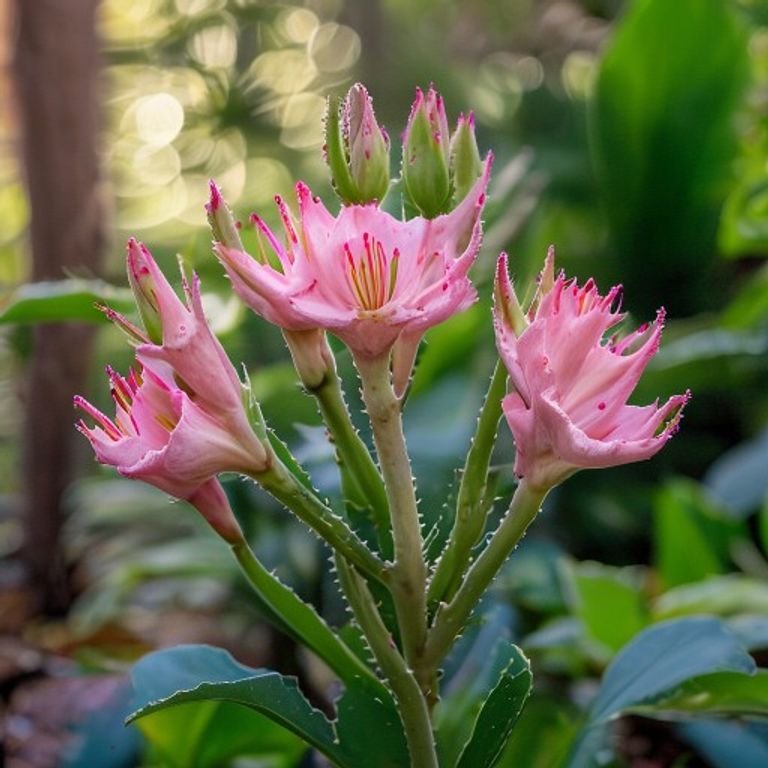
Adenium flowers are truly spectacular. They are trumpet-shaped and come in a dazzling array of colours, primarily vibrant shades of pink, red, and white. Many hybrids now offer bi-coloured and multi-petaled varieties. The plant has an impressive flowering season, often blooming year-round in warm Indian climates, providing continuous bursts of colour.
Foliage
While the flowers and caudex steal the show, the foliage of the Adenium obesum is also appealing. Its leaves are typically glossy, leathery, and dark green, providing a beautiful contrast to the bright flowers and the rugged texture of the caudex.
Fragrance
Most common Adenium obesum varieties cultivated for their flowers and caudex do not possess a noticeable fragrance, allowing their visual beauty to be the sole focus.
Decorative Value
The unique form of the Adenium makes it incredibly versatile for decoration. It’s an ideal choice for:
- Bonsai: Its natural caudex and adaptable nature make it perfect for bonsai training, even for beginners.
- Succulent Gardens: It blends beautifully with other succulents and cacti, creating drought-tolerant landscapes.
- Balcony Containers: Its moderate height (1-3 feet) and stunning display make it a star in containers on sunny balconies and patios.
- Outdoor Landscaping: In warm, dry climates, it can be a striking specimen plant in rock gardens or xeriscaping.
Growing Requirements
To ensure your Desert Rose thrives and produces its beautiful blooms, understanding its basic growing requirements is key.
Light
Full sun is absolutely essential for Adenium. These plants love bright light and need at least 6-8 hours of direct sunlight per day to flower profusely and develop a healthy caudex. In Indian conditions, a spot facing south or west on a balcony or in an open garden where it receives unfiltered sun for most of the day is ideal. Insufficient light is one of the main reasons for poor flowering and leggy growth.
Water
Adenium are succulents, meaning they store water in their swollen trunks. Therefore, they are highly drought-tolerant and very sensitive to overwatering. The general rule is to let the soil dry out completely between waterings.
- Growing Season (Summer/Spring): Water thoroughly when the top few inches of soil are dry. This could be every 7-10 days, depending on heat and humidity.
- Dormancy (Winter): Reduce watering significantly. Water sparingly, perhaps once every 2-3 weeks, or even less if the plant drops its leaves, allowing the soil to remain dry for longer periods.
- Monsoon: Be extra careful during the monsoon season. Ensure excellent drainage and protect from excessive rain, as continuous wet soil can quickly lead to root rot.
Temperature
Being native to deserts, Adeniums thrive in warm temperatures. They prefer temperatures between 25°C and 35°C. They can tolerate higher temperatures but are sensitive to cold. Protect them from temperatures below 10°C, as prolonged exposure to cold can cause stress, leaf drop, and even death, especially if the soil is wet.
Humidity
Adenium plants are tolerant of low humidity, which is typical of their native arid environments. They generally do well in India’s fluctuating humidity, but extremely high, stagnant humidity combined with overwatering can exacerbate fungal issues.
Soil
The right soil is crucial for Adenium. It must be extremely well-draining. A typical garden soil that retains too much moisture will cause root rot. A sandy, gritty mix is best.
Potting Mix
A specialized cactus or succulent potting mix is ideal. You can create your own by mixing:
- 1 part regular potting soil
- 1 part coarse sand or perlite
- 1 part small gravel, pumice, or brick chips
This ensures excellent aeration and drainage, preventing waterlogging around the caudex and roots.
Fertilizer
Adeniums are not heavy feeders. During their active growing season (spring and summer), you can fertilize them once a month with a balanced, liquid fertilizer diluted to half strength. A fertilizer with a slightly higher phosphorus content can encourage more blooms. Avoid fertilizing during their dormant winter period.
How to Care for This Plant
Caring for your Adenium involves a few practical steps to keep it healthy and flowering beautifully.
- Choosing the Right Pot: Always use a pot with drainage holes. Terracotta pots are excellent as they allow the soil to breathe and dry out faster. Choose a pot that is only slightly larger than the caudex.
- Watering Wisely: As discussed, the golden rule is “less is more” when it comes to watering. Always check the soil moisture before watering. When you do water, do so thoroughly until water drains from the bottom, then allow it to dry completely.
- Sunlight is Key: Ensure your Adenium receives maximum sunlight. Rotate the pot occasionally to ensure even growth and light exposure for all sides of the plant.
- Pruning for Shape and Blooms: Pruning is essential for shaping your Adenium and encouraging more branching and flowers.
- For Bushier Growth: Prune leggy branches back to promote new shoots.
- For Caudex Development: Light pruning can encourage the plant to put more energy into swelling its caudex.
- After Flowering: Trim spent flower stalks to encourage new blooms. Always use clean, sharp shears.
- Repotting: Adeniums generally don’t mind being slightly root-bound. Repot every 2-3 years, or when the plant outgrows its pot. When repotting, you can gently lift the caudex slightly above the soil line to expose more of its interesting shape. Always use fresh, well-draining potting mix.
- Pest Checks: Regularly inspect your plant for signs of pests, especially on the undersides of leaves and in crevices. Early detection makes treatment easier.
- Winter Care (Dormancy): In regions of India with cooler winters, your Adenium may enter a semi-dormant or dormant state, shedding some or all of its leaves. Reduce watering significantly during this period and ensure it remains in a sunny, protected spot.
Common Problems and Solutions
While relatively low-maintenance, Adenium can face a few issues. Here’s how to address them:
- Yellow Leaves:
- Cause: Most commonly, overwatering. It can also be due to cold temperatures, nutrient deficiency, or natural aging of leaves.
- Solution: Check soil moisture. If wet, let it dry out completely. Reduce watering frequency. Ensure the plant is in a warm, sunny spot. Fertilize during the growing season if a nutrient deficiency is suspected.
- Pests:
- Cause: Scale insects are common, appearing as small, brown, raised bumps on stems and leaves. Mealybugs and spider mites can also infest Adeniums.
- Solution: For scale, carefully scrape them off with a fingernail or a soft brush dipped in rubbing alcohol. For mealybugs and spider mites, use a neem oil solution or insecticidal soap, applied thoroughly to all plant surfaces.
- Fungal Diseases:
- Cause: Primarily caused by excessive moisture and poor air circulation, leading to spots on leaves or rot.
- Solution: Ensure excellent drainage and do not overwater. Provide good air circulation. Remove affected parts immediately. Fungicides can be used in severe cases.
- Root Rot:
- Cause: The most significant problem for Adenium, almost always due to overwatering, especially in poorly draining soil.
- Solution: If caught early, unpot the plant, inspect roots, cut away any soft, black, or mushy parts with a sterile knife. Allow the plant to air dry for a few days to form a callus before repotting in fresh, dry, well-draining soil.
- Poor Flowering:
- Cause: Insufficient sunlight is the primary culprit. Other reasons include improper watering, lack of nutrients, or not enough mature growth.
- Solution: Move the plant to a location with more direct sunlight. Ensure consistent, but not excessive, watering. Fertilize with a phosphorus-rich feed during the growing season. Ensure the plant is mature enough to flower.
- Slow Growth:
- Cause: Adeniums are naturally slow-growing, especially their caudex. However, very slow growth might indicate insufficient light, lack of nutrients, or root issues.
- Solution: Ensure full sun exposure and adequate, diluted fertilization during the growing season. Check for root rot if other conditions are met.
- Leaf Drop:
- Cause: Can be a natural response to dormancy (especially in winter), significant changes in environment (e.g., sudden temperature drop, moving the plant), or stress from over/underwatering.
- Solution: Assess recent changes. If it’s winter, it might be normal dormancy. Adjust watering based on the season and soil moisture. Ensure stable conditions.
Benefits
Beyond its striking appearance, the Adenium offers several benefits that make it a cherished plant:
- Home Decoration: The unique, swollen caudex and vibrant flowers make the Desert Rose a natural focal point, adding an exotic and artistic touch to any indoor space or outdoor patio. It’s perfect for creating a miniature desert landscape.
- Balcony Gardening: Its moderate size and preference for container growth make it an excellent choice for balcony and terrace gardens, especially in urban Indian settings where space is at a premium.
- Landscaping: In warmer climates, Adeniums can be used in drought-tolerant landscaping, rock gardens, or as a distinctive specimen plant, requiring minimal water once established.
- Drought Tolerance: This is one of its most significant advantages. The plant’s ability to store water in its caudex means it can withstand dry periods, making it ideal for busy gardeners or those in regions with water restrictions.
- Good for Beginners: Despite its exotic looks, the Adenium is relatively easy to care for, provided its basic needs for sunlight and well-draining soil are met, making it a rewarding plant for new gardeners to nurture.
Frequently Asked Questions
How often should I water my Adenium?
During the active growing season (spring and summer), water thoroughly every 7-10 days, allowing the soil to dry out completely between waterings. In winter or during dormancy, reduce watering significantly, perhaps to once every 2-3 weeks or less, ensuring the soil stays dry for longer periods.
Why is the trunk of my Adenium swollen?
The swollen trunk, known as a caudex, is a natural adaptation of the Adenium plant. It acts as a water storage organ, allowing the plant to survive prolonged periods of drought in its native arid habitats. This unique feature also gives the plant its distinctive bonsai-like appearance.
Can I grow my Adenium as a bonsai?
Yes, the Adenium is perfectly suited for bonsai cultivation, even for beginners! Its naturally sculptural caudex, along with its adaptable nature to pruning and root restriction, makes it an ideal candidate. Regular pruning helps in shaping the plant and exposing more of its beautiful caudex over time.
Final Thoughts
The Adenium, or Desert Rose, is a truly remarkable plant that offers beauty, resilience, and a touch of the exotic to any Indian garden or home. Its striking swollen caudex and continuous display of vibrant, trumpet-shaped flowers make it a captivating specimen. With its preference for full sun and minimal watering, it’s a plant that rewards simple care with magnificent results, making it an ideal choice for both seasoned plant enthusiasts and those just beginning their green journey.
Embracing the joy of gardening with plants like the Adenium is a fulfilling experience. Plantrea is the online plant platform from Wynorg, helping plant lovers across India discover quality plants, practical growing advice, and trusted nursery sourcing. We hope this guide empowers you to grow a flourishing Desert Rose and enjoy its unique beauty for years to come.
Interested in This Plant?
If the fascinating Adenium has captured your imagination and you’re considering adding this Desert Rose to your collection, we’re here to help! Understanding a plant’s specific needs for your home or garden can sometimes be tricky, but you don’t have to navigate it alone.
Our Plant Expert chat, conveniently located at the bottom-right corner of every page on Plantrea, is your go-to resource. Our experienced gardening assistants are ready to answer all your questions about the Adenium. You can use the chat to check whether the Adenium is currently available, ensuring you don’t miss out on this beautiful succulent.
Furthermore, our Plant Expert can provide personalised plant recommendations tailored to your specific environment and preferences, ensuring you find the perfect match for your space. If you have any more questions about Adenium care and maintenance, or if you’d like to explore suitable alternatives if this plant is unavailable, our experts are just a click away, ready to offer friendly and practical advice.
Want to buy this plant? Visit https://plantrea.com/shop-2/