Buy Bird Nest Fern (Asplenium Nidus) Online | Wynorg Nursery, Kerala
The Bird Nest Fern, with its strikingly lush, apple-green fronds, is a beloved addition to homes and gardens across India. Its unique, nest-like growth habit and vibrant appearance make it a popular choice for both seasoned plant enthusiasts and beginners alike. This tropical beauty effortlessly brings a touch of the rainforest into any space, making it a focal point in living rooms, balconies, and shaded garden nooks. Its easy-going nature and stunning aesthetics are just a few reasons why the Bird Nest Fern has captured the hearts of plant lovers. Plantrea is the online plant platform by Wynorg, a trusted Indian brand known for delivering healthy live plants safely across India, and we’re here to help you understand and care for this magnificent fern.
Known for its robust growth and decorative appeal, the Bird Nest Fern (Asplenium nidus) is more than just a pretty face; it’s also celebrated for its air-purifying qualities, contributing to a healthier indoor environment. Whether you’re looking to enhance your interior décor or add a vibrant green touch to your outdoor shaded areas, this fern offers beauty and benefits without demanding too much in return. Let’s dive deeper into the world of this fascinating plant and discover how you can successfully grow and cherish it in your Indian home or garden.
Botanical Overview
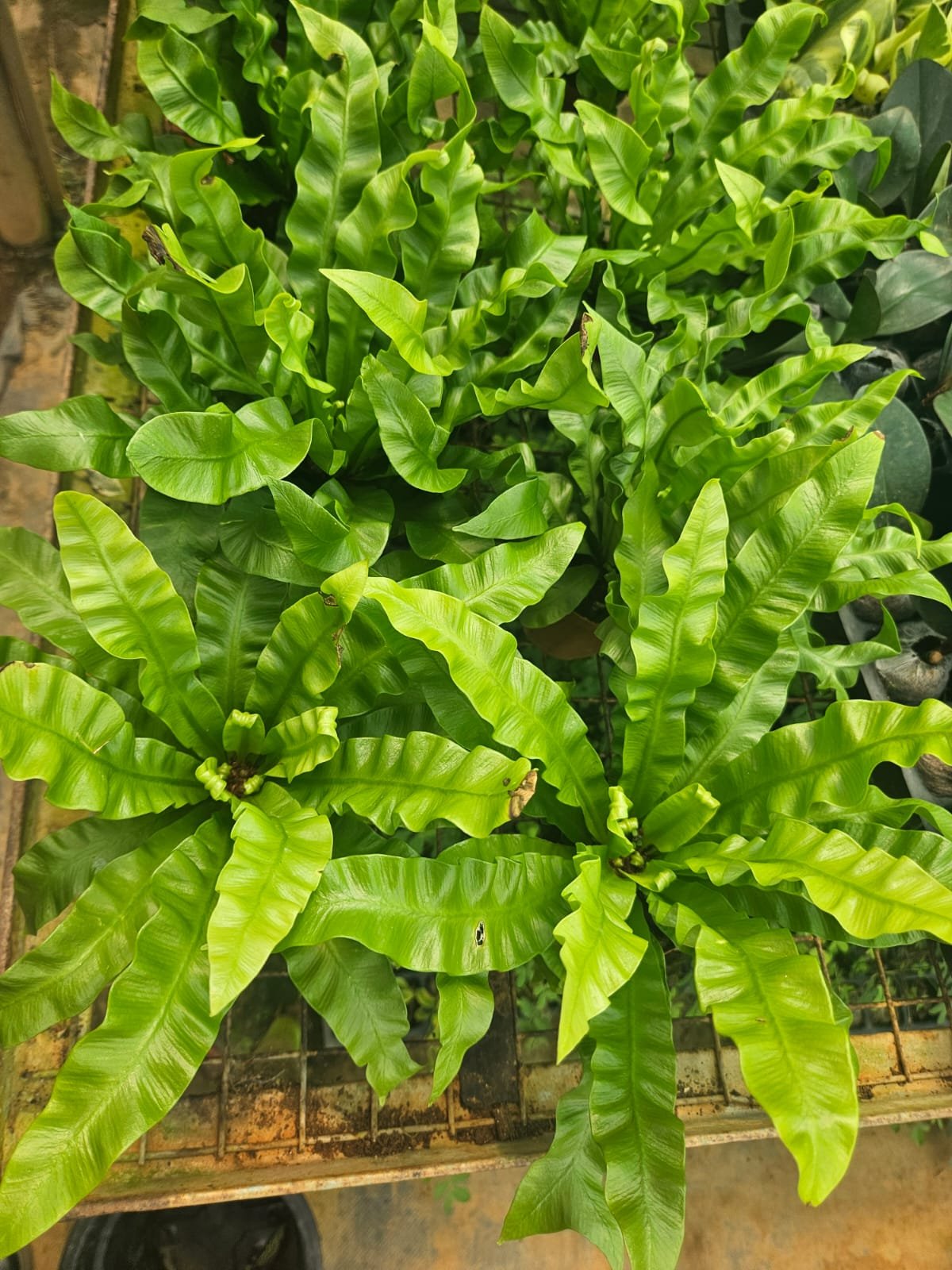
The Bird Nest Fern is a distinctive member of the fern family, known for its elegant simplicity and tropical charm.
- Botanical Name: Asplenium nidus
- Plant Family: Aspleniaceae (Spleenwort family)
- Origin: This tropical fern hails from the rainforests of East Asia, Australia, and parts of Africa, where it often grows as an epiphyte on trees or rocks, rather than in soil.
- Plant Type: It is a perennial fern, meaning it lives for more than two years and typically retains its foliage year-round in suitable climates. It is a non-flowering plant, reproducing via spores.
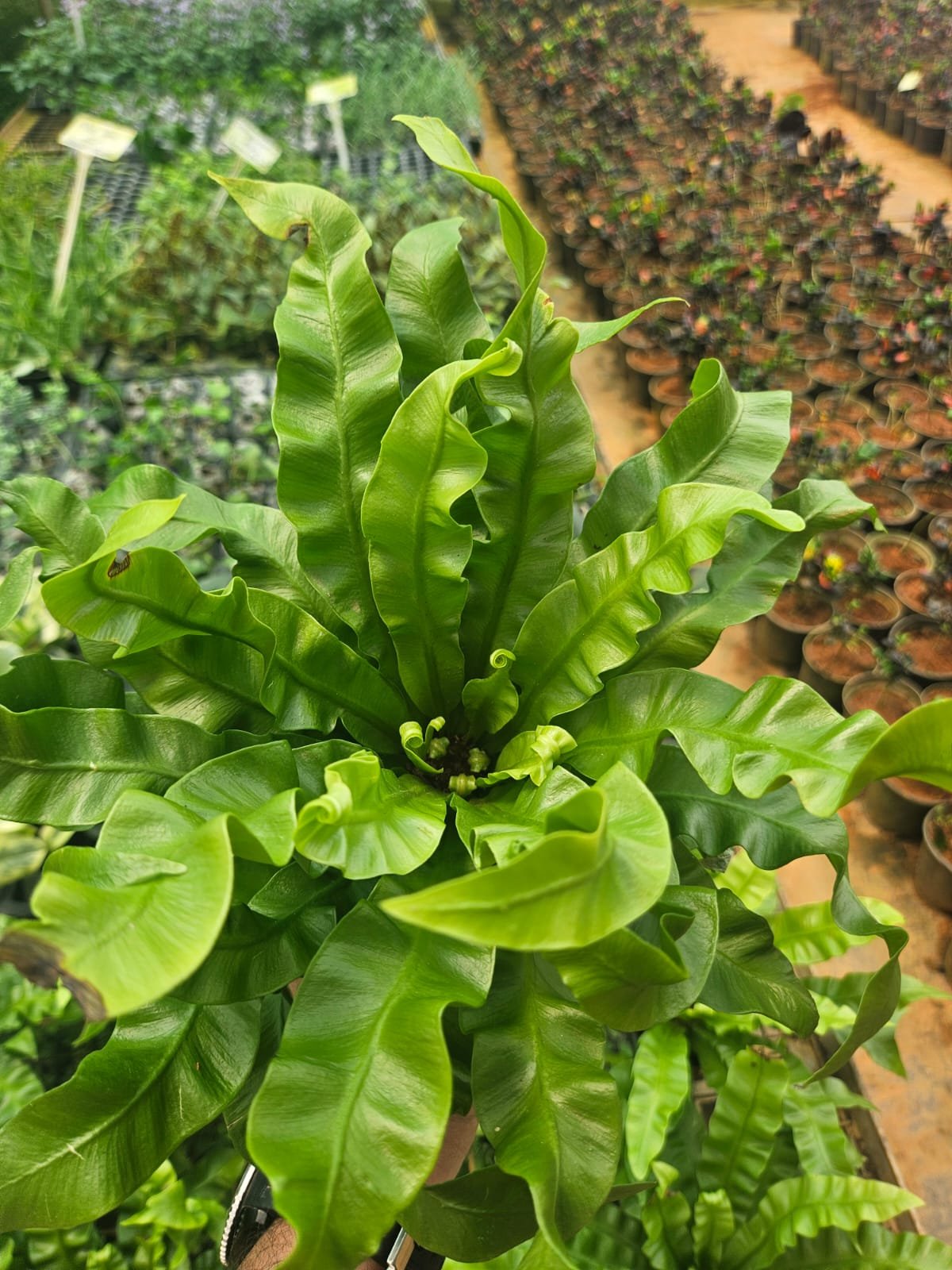
- Growth Habit: The Asplenium nidus is characterized by its rosette-forming growth habit. Its large, undivided fronds emerge from a central rhizome, forming a striking ‘nest’ in the middle, which, in nature, collects organic debris and moisture. It can reach a height of 0.6 to 1.2 meters, creating a lush, bushy appearance.
Why People Love This Plant
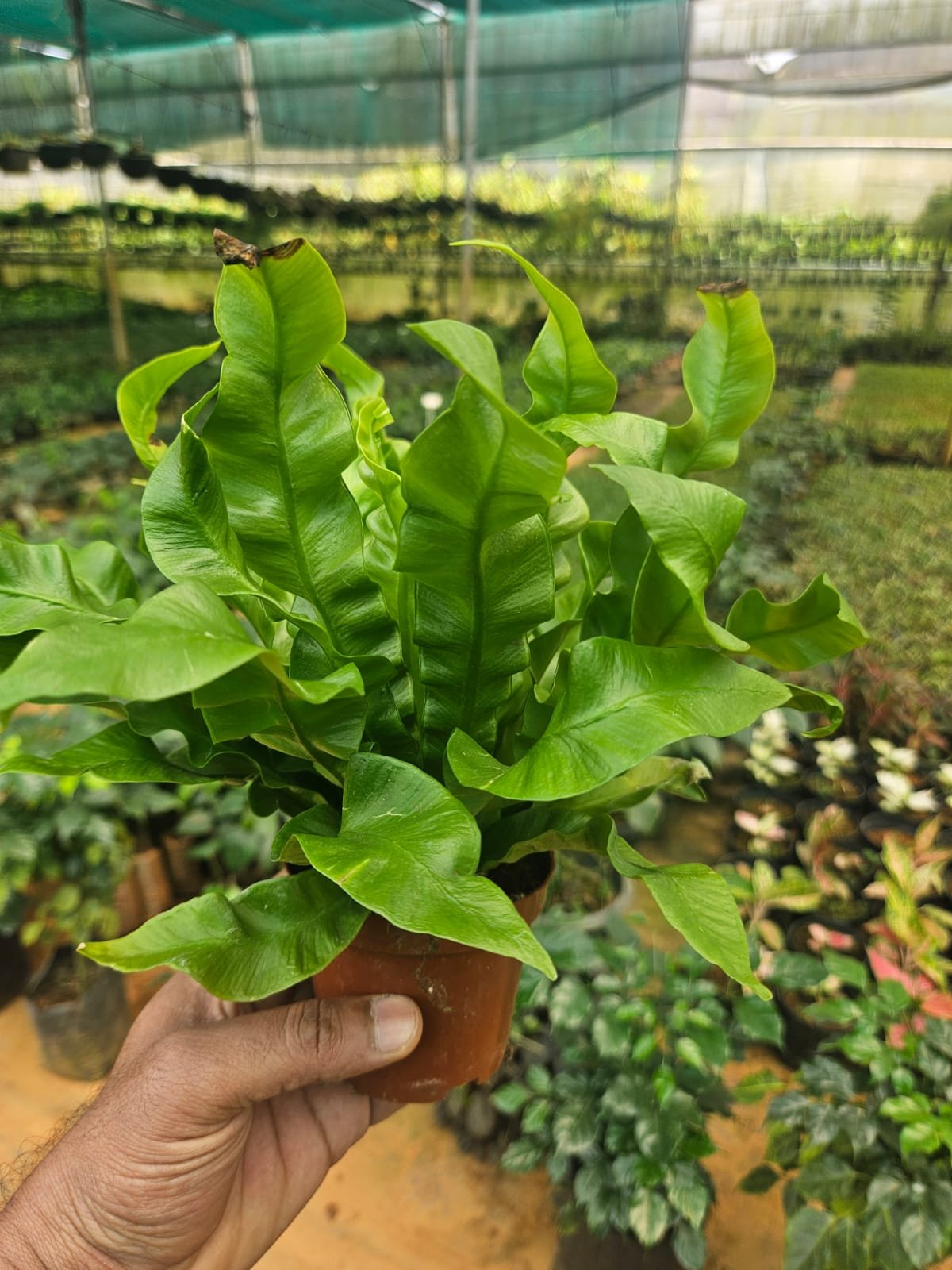
The Bird Nest Fern is a popular choice among Indian gardeners for numerous reasons, combining aesthetic appeal with ease of care.
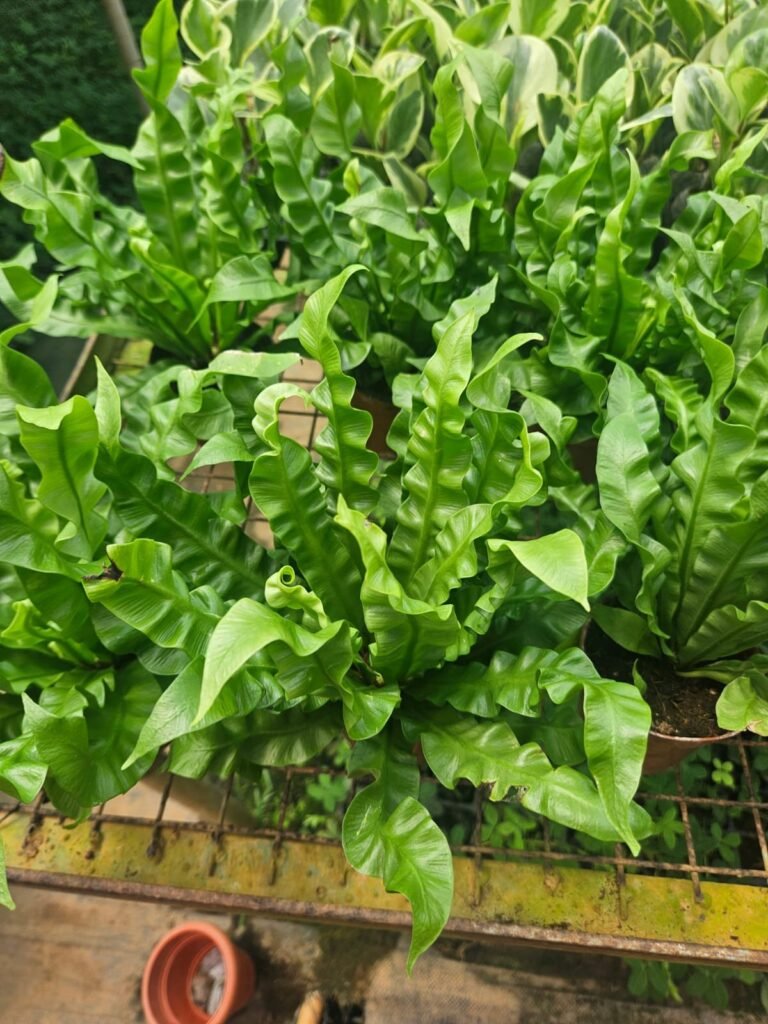
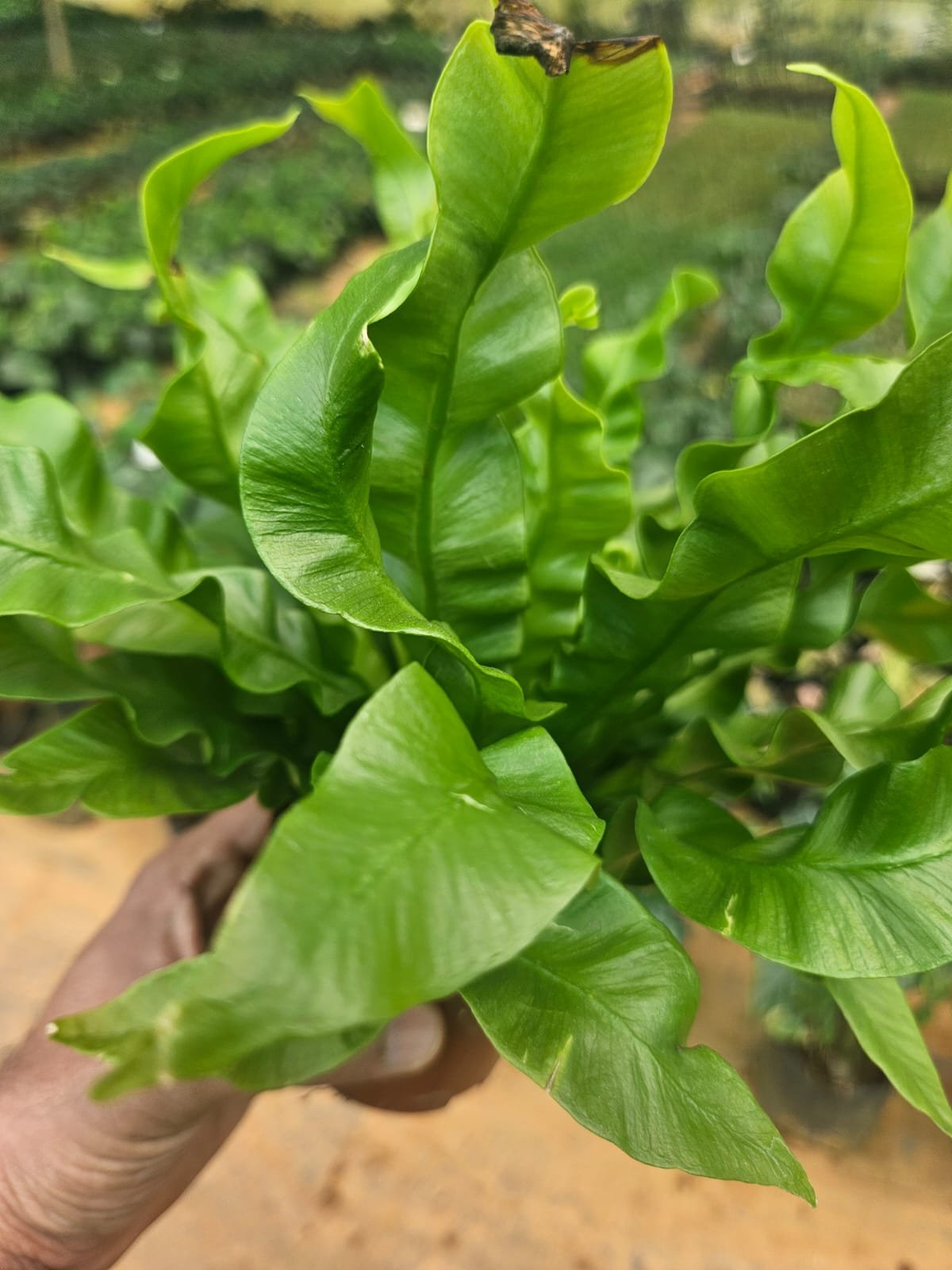
- Appearance: Its most striking feature is its large, glossy, strap-like fronds. These leaves are typically apple-green, with a slightly wavy or ruffled edge, and radiate outwards from the central rosette. The fronds unfurl slowly, adding a dynamic element to its growth.
- Flowers: As a fern, the Bird Nest Fern does not produce flowers. Its beauty lies entirely in its magnificent foliage, which remains vibrant and green throughout the year, providing continuous decorative value.
- Foliage: The fronds are the star of the show. They are smooth, somewhat leathery in texture, and can grow quite long, creating a dense, architectural statement. The rich green colour adds a calming and natural touch to any environment.
- Fragrance: This fern has no discernible fragrance, making it an excellent choice for individuals sensitive to strong scents or for those who prefer to enjoy its visual beauty without any accompanying aroma.
- Decorative Value: Its unique growth habit and vibrant green foliage make the Bird Nest Fern an excellent decorative plant. It works wonderfully as a standalone specimen plant, in mixed plant arrangements, or to add a tropical flair to office spaces, living rooms, and shaded balconies. Its architectural form suits both modern and traditional Indian home décor styles.
Growing Requirements
Understanding the specific needs of your Bird Nest Fern is key to its healthy growth. Here’s what you need to know for successful cultivation in India.
- Light: The Bird Nest Fern thrives in low to medium, bright indirect light. Mimicking its natural rainforest understory habitat, it prefers dappled shade. Direct harsh sunlight, especially the intense afternoon sun in India, can easily scorch its beautiful fronds, leading to browning and damage. A north or east-facing window indoors, or a deeply shaded spot outdoors on a balcony or patio, would be ideal.
- Water: This fern requires consistent moisture. Keep the soil consistently moist but never waterlogged. Allow the top inch of soil to dry out slightly between waterings. Overwatering can lead to root rot, while underwatering can cause the fronds to brown and crisp. During the warmer, humid months in India, you might need to water more frequently, while in cooler periods, the frequency can be reduced.
- Temperature: The Bird Nest Fern prefers warm temperatures, ideally between 18-29°C. These temperatures are generally consistent with much of India’s climate. Protect it from cold drafts, especially during cooler winter nights or if kept near air conditioning vents.
- Humidity: High humidity is crucial for the health of this tropical fern. India’s generally humid climate, particularly in coastal regions like Kerala, is often beneficial. In drier indoor environments or during dry spells, regular misting, using a pebble tray filled with water, or placing the fern near a humidifier can help maintain the required humidity levels. Grouping it with other plants also helps create a more humid microclimate.
- Soil: Use a well-draining, peat-based potting mix that retains some moisture. A mix specifically designed for ferns or a general houseplant mix amended with perlite and peat moss works well. Good drainage is paramount to prevent waterlogging.
- Potting Mix: A good potting mix for Asplenium nidus should be rich in organic matter, slightly acidic, and airy. A blend of peat moss, perlite, and a small amount of coco coir or compost will provide the ideal environment.
- Fertilizer: Feed your Bird Nest Fern sparingly. During its active growing season (spring and summer), use a balanced liquid fertilizer diluted to half strength once a month. Avoid fertilizing in autumn and winter when the plant’s growth slows down. Over-fertilization can harm the sensitive fronds and roots.
How to Care for This Plant
Caring for your Bird Nest Fern is a rewarding experience. Here’s a practical, step-by-step guide to keep it thriving:
- Watering Technique: When watering, aim to water the soil directly and avoid pouring water into the central ‘nest’ of the fern, as this can lead to rot. Water thoroughly until water drains from the bottom of the pot, then discard any excess water in the saucer.
- Humidity Boost: Beyond misting, consider placing your fern in a naturally humid area of your home, such as a bathroom or kitchen, provided it receives adequate indirect light.
- Repotting: Repot your Bird Nest Fern only when it becomes root-bound, typically every 2-3 years. Choose a pot that is only one size larger than the current one to avoid overwatering issues. Spring is the best time for repotting.
- Cleaning Fronds: Periodically wipe the fronds with a soft, damp cloth to remove dust. This not only keeps the plant looking pristine but also allows it to photosynthesize more efficiently.
- Pruning: Minimal pruning is needed. Simply remove any brown, damaged, or yellowing fronds by cutting them at the base with clean, sharp scissors or pruners. This encourages new growth and maintains the plant’s appearance.
- Pest Watch: While generally pest-resistant, always keep an eye out for common houseplant pests like scale or mealybugs, especially in dry conditions. Address any infestations promptly.
- Location Adjustment: Observe your fern’s reaction to its environment. If fronds look pale or scorched, it might be receiving too much light. If growth is leggy or slow, it might need slightly brighter indirect light.
Common Problems and Solutions
Even with the best care, your Bird Nest Fern might occasionally face some challenges. Here’s how to address common issues:
- Brown Leaf Tips: This is a very common issue and often indicates low humidity, underwatering, or too much direct sunlight.
- Solution: Increase humidity by misting regularly, using a pebble tray, or a humidifier. Check soil moisture and ensure consistent watering. Move the plant to a location with bright, indirect light away from harsh sun.
- Yellow Leaves: Yellowing leaves are frequently a sign of overwatering or nutrient deficiency.
- Solution: Check the soil’s moisture. If it’s soggy, reduce watering frequency and ensure good drainage. Allow the top soil to dry out before watering again. If overwatering isn’t the issue, consider a diluted feed during the growing season.
- Pests: Generally pest-resistant, but occasional scale insects or mealybugs can appear, especially in very dry indoor conditions.
- Solution: Inspect your plant regularly. For minor infestations, wipe pests off with a cotton swab dipped in rubbing alcohol. For larger issues, use neem oil spray or an insecticidal soap, following product instructions carefully.
- Root Rot: Caused by consistently waterlogged soil, leading to mushy, decaying roots.
- Solution: Ensure your pot has drainage holes and the potting mix is well-draining. If detected early, repot the fern into fresh, well-draining soil after trimming away any rotten roots. Reduce watering frequency.
- Slow Growth or Stunted Fronds: Can be due to insufficient light, lack of nutrients, or low humidity.
- Solution: Move the plant to a brighter indirect light spot. Fertilize sparingly during the growing season. Ensure humidity levels are adequate.
- Leaf Drop: While not common for ferns, severe stress from extreme temperature changes, drastic underwatering, or pest infestations can cause fronds to wilt and drop.
- Solution: Identify and rectify the stressor. Ensure consistent care, stable temperatures, and check for pests.
Benefits
The Bird Nest Fern offers more than just visual appeal; it brings several advantages to any space it inhabits:
- Home Decoration: With its architectural fronds and vibrant green hue, it is an excellent choice for enhancing interior aesthetics. It can serve as a stunning focal point in a living room, add a touch of lushness to a bedroom, or brighten up an office desk. Its unique form provides a sophisticated and natural touch to any décor.
- Balcony Gardening: For those with shaded balconies and patios in India, the Bird Nest Fern thrives, transforming these spaces into serene, green retreats. It’s particularly well-suited for humid climates like Kerala, where it can enjoy outdoor life protected from direct sun.
- Air Purification: This beautiful fern is known to act as a natural air purifier, helping to remove common indoor toxins and improve air quality. This makes it a beneficial plant for creating a healthier home or office environment.
- Pet Friendly: Absolutely! One of its most appealing benefits for many households is that the Asplenium nidus is completely safe for pets. You can enjoy its beauty without worrying about your furry friends.
Frequently Asked Questions
Q: How often should I water my Bird Nest Fern in India?
A: During warmer months, especially in India’s tropical and subtropical regions, you should check the soil every 3-5 days. Water when the top inch of soil feels dry to touch, ensuring the soil remains consistently moist but not waterlogged. It’s crucial not to let the soil dry out completely. Reduce the frequency of watering in cooler, drier periods, allowing the soil to dry out a bit more between waterings to prevent root rot.
Q: Can Bird Nest Ferns be grown outdoors in Kerala?
A: Yes, Bird Nest Ferns (Asplenium nidus) absolutely thrive outdoors in Kerala’s naturally humid climate. The high humidity is ideal for them. However, they must be placed in a shaded area that receives bright indirect light, such as under a tree canopy or on a covered patio. It is vital to protect them from direct sunlight, which can scorch their fronds, and strong winds, which can cause dehydration and damage.
Q: Is the Bird Nest Fern considered safe for homes with children and pets?
A: Absolutely! The Bird Nest Fern (Asplenium nidus) is non-toxic and is considered a safe and excellent choice for households with both children and pets. You can enjoy its lush beauty without any concerns about toxicity, making it a worry-free addition to any family home.
Final Thoughts
The Bird Nest Fern is a truly magnificent plant that brings a touch of tropical elegance and fresh air into any Indian home or garden. Its resilience, combined with its stunning foliage and pet-friendly nature, makes it a rewarding choice for both novice and experienced plant parents. By understanding its simple needs for bright indirect light, consistent moisture, and high humidity, you can ensure your Asplenium nidus thrives and continues to be a captivating green presence.
Embrace the lush beauty of this unique fern, and let it transform your living spaces into a verdant oasis. Remember, a happy fern is a well-understood fern. Plantrea is the online plant platform from Wynorg, helping plant lovers across India discover quality plants, practical growing advice, and trusted nursery sourcing. We are dedicated to supporting your gardening journey with reliable information and healthy plants.
Interested in This Plant?
The Bird Nest Fern is a fantastic choice for anyone looking to add a touch of lush, tropical greenery to their home or garden. If this beautiful plant has caught your eye, you might have a few questions before making it a part of your collection.
To make your plant journey even smoother, consider reaching out to our Plant Expert chat, conveniently located at the bottom-right corner of every page on Plantrea. Our expert is there to assist you with all your plant-related queries. You can easily check whether the Bird Nest Fern is currently available, ensuring you don’t miss out on bringing this stunning plant home.
Beyond availability, our Plant Expert can provide personalised plant recommendations tailored to your specific home or garden conditions. Whether you have questions about the care and maintenance of your Bird Nest Fern, or if you’re looking for suitable alternatives should this particular fern be unavailable, our expert gardening assistant is ready to help guide you every step of the way.
Want to buy this plant? Visit https://plantrea.com/shop-2/