Growing Pinkerton Avocado Trees in India: A Comprehensive Care Guide
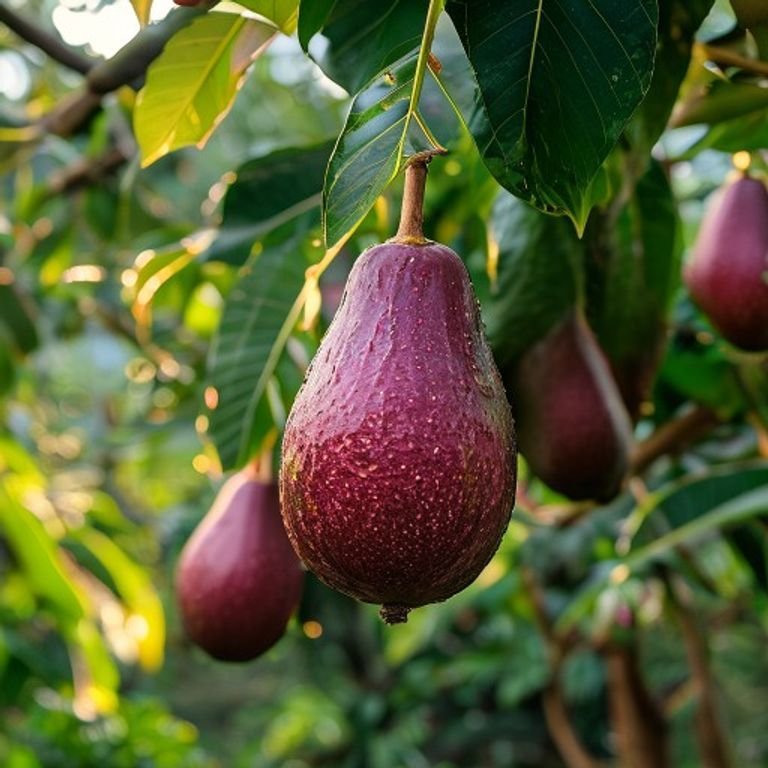
The Pinkerton Avocado, with its delicious, creamy fruit and vigorous growth, has carved a special place in the hearts of many Indian gardeners and fruit enthusiasts. This remarkable tree offers not only a bountiful harvest of exquisite avocados but also provides beautiful evergreen foliage, adding a lush touch to any garden. Its popularity stems from its reliable fruiting and the superior quality of its pear-shaped produce, making it a highly sought-after variety for home orchards and larger gardens across the country.
For those looking to cultivate this wonderful fruit tree, understanding its specific needs is key to success. Plantrea is the online plant platform by Wynorg, a trusted Indian brand known for delivering healthy live plants safely across India. We are here to guide you through every step of nurturing your Pinkerton Avocado tree, ensuring it thrives and rewards you with its delightful harvest.
Botanical Overview
The Pinkerton Avocado is a cultivar of the species Persea americana, belonging to the plant family Lauraceae. Originating as a chance seedling in Saticoy, California, USA, in the 1970s, it quickly gained recognition for its exceptional fruit quality and robust nature. This evergreen tree is known for its upright and moderately spreading growth habit, developing a strong central leader. In ideal conditions, a mature Pinkerton Avocado tree can reach heights of 15-20 feet, though its size can be managed with proper pruning. It is a ‘Type A’ flower type, meaning its flowers are female in the morning and male in the afternoon. While it is considered partially self-fertile, cross-pollination with a ‘Type B’ variety can often lead to improved fruit set.
Why People Love This Plant
Appearance
The Pinkerton Avocado tree is a handsome addition to any landscape. Its dense canopy of glossy, dark green leaves provides ample shade and a rich, tropical aesthetic. The leaves are ovate to elliptical, creating a lush backdrop that highlights its unique fruits.
Flowers
While not overtly showy, the Pinkerton Avocado produces small, inconspicuous greenish-yellow flowers in clusters during its flowering season, typically in spring. These delicate blossoms carry a mild, pleasant fragrance and are crucial for the tree’s fruit production.
Foliage
The evergreen foliage of the Pinkerton Avocado remains vibrant throughout the year, offering continuous beauty and a sense of permanence in the garden. Its healthy leaves are a sign of a thriving tree and contribute significantly to its ornamental appeal.
Fragrance
During its blooming period, the Pinkerton Avocado flowers emit a subtle, sweet fragrance that can be a delightful addition to the garden, though it’s not as prominent as many flowering ornamentals.
Decorative Value
Beyond its culinary offerings, the Pinkerton Avocado tree holds significant decorative value. Its stately presence, lush foliage, and the sight of ripening fruits make it a captivating focal point in a garden. It can serve as an excellent shade tree or a majestic specimen plant, enhancing the overall aesthetic of larger outdoor spaces.
Growing Requirements
Cultivating a healthy Pinkerton Avocado tree in India requires attention to several key environmental factors. Understanding these needs is the first step towards a bountiful harvest.
Light
Pinkerton Avocado trees thrive in full sunlight, requiring at least 6-8 hours of direct sun exposure daily. Choose a location in your garden that receives abundant sunlight throughout the day. While young trees might benefit from some afternoon shade in extremely hot Indian summers, mature trees prefer full sun for optimal growth and fruit production.
Water
Consistent and deep watering is crucial for Pinkerton Avocado trees, especially during dry spells, flowering, and fruit development. They prefer consistently moist soil but are highly susceptible to root rot in waterlogged conditions. Water thoroughly until water drains from the bottom of the pot or soaks deep into the garden soil. Allow the top few inches of soil to dry out slightly between waterings. Reduce watering during the cooler, dormant months. Mulching around the base of the tree can help retain soil moisture and regulate temperature.
Temperature
Pinkerton Avocados prefer a warm, subtropical to tropical climate. They do best in temperatures between 20°C and 30°C. While mature trees can tolerate brief dips to around -1°C, young trees are much more sensitive to cold. Frost can severely damage or kill young Pinkerton Avocado trees, so protection is vital in regions experiencing winter chills. In extremely hot conditions, ensuring adequate water and potentially providing some partial afternoon shade for young plants can be beneficial.
Humidity
These trees appreciate moderate to high humidity, which is often naturally present in many parts of India, especially during the monsoon season. Dry air can sometimes lead to leaf tip burn, so maintaining good soil moisture is important.
Soil
The Pinkerton Avocado requires well-draining soil with a slightly acidic to neutral pH (6.0 to 7.0). Loamy or sandy-loam soils are ideal. Heavy clay soils that retain too much water are detrimental and can lead to root rot. If your soil is heavy, amend it with organic matter, sand, or perlite to improve drainage. Ensure the planting site allows for water to drain freely.
Potting Mix
If growing a Pinkerton Avocado tree in a pot (which is typically only recommended for young trees or in very specific circumstances due to their size), use a high-quality, well-draining potting mix specifically formulated for fruit trees or citrus. A mix containing perlite, coco coir, and compost will provide both drainage and nutrients. Ensure the pot has ample drainage holes.
Fertilizer
Pinkerton Avocado trees are moderate to heavy feeders. Begin fertilizing young trees after new growth appears, usually a month or two after planting. Use a balanced fertilizer (e.g., 8-3-9 or 10-10-10) specifically designed for fruit trees or avocados, three to four times a year. As the tree matures, switch to a fertilizer with a higher potassium content to encourage fruiting. Micronutrients like zinc, iron, and manganese are also essential, so choose a fertilizer that includes these or supplement as needed, especially if you observe deficiency symptoms like yellowing leaves with green veins (iron deficiency).
How to Care for This Plant
Nurturing a Pinkerton Avocado tree from a young sapling to a fruit-bearing giant is a rewarding journey. Here’s a practical, step-by-step guide to help you provide the best Pinkerton Avocado tree care in Indian conditions.
- Planting: Choose a sunny, well-drained location. Dig a hole twice as wide as the root ball and just as deep. Gently remove the tree from its nursery pot, being careful not to disturb the roots too much. Place the tree in the hole so that the top of the root ball is level with or slightly above the surrounding soil to prevent waterlogging around the trunk. Backfill with amended soil, gently tamping down to remove air pockets. Water thoroughly.
- Watering Schedule: Establish a regular watering routine. During the dry season, young trees might need watering every few days, while mature trees can go longer. Always check the soil moisture before watering. Stick your finger about 2-3 inches into the soil; if it feels dry, it’s time to water.
- Pruning: Prune your Pinkerton Avocado tree to maintain its shape, control size, and encourage better air circulation and fruit production. For young trees, remove any crossing or weak branches. As the tree matures, focus on removing dead, diseased, or damaged wood. Light pruning can also help manage the tree’s height, making harvesting easier. Avoid heavy pruning, as it can reduce fruit yield. The best time for pruning is usually after the harvest or in early spring before new growth emerges.
- Pest and Disease Management: Regularly inspect your Pinkerton Avocado tree for signs of pests or diseases. Early detection is key. Refer to the common problems section for specific issues and solutions.
- Mulching: Apply a 2-4 inch layer of organic mulch (like wood chips or compost) around the base of the tree, keeping it a few inches away from the trunk. Mulching helps retain soil moisture, suppress weeds, and regulate soil temperature, creating a more stable environment for your Pinkerton Avocado tree.
- Seasonal Care:
- Summer: Increase watering frequency, especially during hot, dry periods. Ensure adequate nutrients are available.
- Monsoon: Ensure excellent drainage to prevent root rot. Monitor for fungal diseases. Reduce supplemental watering if rainfall is sufficient.
- Winter: Protect young trees from frost if you are in a cooler region. Reduce watering as the tree’s water needs decrease.
Common Problems and Solutions
Even with the best care, Pinkerton Avocado trees can encounter issues. Here are some common problems and practical solutions:
- Yellow Leaves:
- Cause: Often due to nutrient deficiencies (especially iron or zinc), overwatering leading to root rot, or sometimes underwatering.
- Solution: Check soil moisture. If soil is waterlogged, improve drainage. If dry, water deeply. Apply a balanced fertilizer with micronutrients. A soil test can confirm specific deficiencies.
- Pests:
- Common Pests: Mites, thrips, scale insects, mealybugs.
- Solution: Regularly inspect leaves (especially undersides). For mild infestations, spray with a strong stream of water or use neem oil. For severe cases, consider insecticidal soaps or specific organic pesticides. Encourage beneficial insects in your garden.
- Fungal Diseases (e.g., Anthracnose):
- Cause: Humid conditions, poor air circulation, and water splashing on leaves. Anthracnose causes dark spots on leaves, flowers, and fruit.
- Solution: Improve air circulation through pruning. Avoid overhead watering. Remove infected plant parts. In severe cases, use appropriate fungicides.
- Root Rot:
- Cause: Primarily overwatering and poorly draining soil.
- Solution: The most critical step is to ensure excellent drainage. Amend heavy clay soils. Do not overwater. If caught early, transplanting to better-draining soil may help.
- Poor Flowering/Fruiting:
- Cause: Insufficient sunlight, inadequate pollination, nutrient deficiencies, or extreme temperatures during flowering.
- Solution: Ensure full sun exposure. Consider planting a ‘Type B’ avocado variety nearby (like Fuerte or Zutano) to aid cross-pollination. Ensure proper fertilization. Protect trees from extreme cold or heat during bloom.
- Slow Growth:
- Cause: Nutrient deficiencies, insufficient sunlight, inadequate watering, or compacted soil.
- Solution: Review growing requirements. Ensure proper feeding, adequate sunlight, and consistent moisture. Loosen compacted soil around the drip line and add organic matter.
- Leaf Drop:
- Cause: Often a reaction to stress such as sudden temperature changes, severe underwatering or overwatering, nutrient shock, or transplant shock.
- Solution: Identify and rectify the stressor. Ensure consistent care. Gradual changes in environment are always preferred.
Benefits
The Pinkerton Avocado tree offers a wealth of benefits, making it a valuable addition to Indian homes and gardens.
- Home Decoration: Its lush, evergreen foliage and robust stature make it an excellent choice for landscaping, providing shade and a tropical ambiance.
- Balcony Gardening: While a full-sized Pinkerton Avocado tree is best for ground planting, young saplings can be grown in large containers on spacious balconies for a few years, offering ornamental value before they outgrow the space.
- Landscaping: As a mature tree, it provides significant shade, helps cool the surroundings, and adds a beautiful, structured element to any large garden or property.
- Pollinator Friendly: The flowers, though subtle, attract various pollinators like bees, contributing to the local ecosystem and biodiversity.
- Nutritious Fruit: The primary benefit is its highly prized fruit. Pinkerton avocados are known for their rich, creamy flesh, small seed, and excellent flavour, packed with healthy fats, vitamins (K, C, B6, E), and minerals.
Frequently Asked Questions
How long does it take for a Pinkerton Avocado tree to bear fruit?
Typically, a grafted Pinkerton Avocado tree can start bearing fruit within 3-5 years of planting. Seed-grown trees take much longer, often 7-15 years, and may not produce fruit true to the parent variety. Consistent care, optimal growing conditions, and proper pollination will help ensure timely fruiting.
What are the best ways to protect my Pinkerton Avocado tree from pests?
Protecting your Pinkerton Avocado tree from pests involves a multi-pronged approach. Regular inspection of leaves (especially undersides) for early detection is crucial. Encourage beneficial insects like ladybugs and lacewings, which prey on common pests. Use organic solutions like neem oil sprays or insecticidal soaps for mild infestations. Maintaining tree health through proper watering and fertilization also makes it more resistant to pest attacks.
Can Pinkerton Avocado trees be grown in pots in India?
While Pinkerton Avocado trees are naturally large and prefer to be grown in the ground, young trees can be successfully grown in large pots for a few years. Choose a pot that is at least 20-25 gallons (around 60 cm in diameter) with excellent drainage. You will need to repot into larger containers as the tree grows. Container-grown trees will require more frequent watering and fertilization, and their growth will be restricted, resulting in smaller tree size and potentially fewer fruits compared to ground-planted trees.
Final Thoughts
Cultivating the Pinkerton Avocado tree is a journey that rewards patience and consistent care with the joy of harvesting your own delicious, home-grown avocados. By providing the right conditions – ample sunlight, well-draining soil, consistent watering, and thoughtful nutrition – you can ensure your tree thrives in the Indian climate. Addressing common problems proactively will help maintain its health and productivity, allowing you to enjoy its lush beauty and bountiful yields for years to come.
Plantrea is the online plant platform from Wynorg, helping plant lovers across India discover quality plants, practical growing advice, and trusted nursery sourcing. We are committed to empowering you with the knowledge to create and maintain a thriving green space.
Interested in This Plant?
The Pinkerton Avocado tree is a fantastic choice for those looking to add a productive and beautiful fruit tree to their garden. If you’re curious to know more or want to make this wonderful tree a part of your green space, we invite you to connect with our Plant Expert chat.
Our knowledgeable Plant Expert is available at the bottom-right corner of every page and can provide you with personalized assistance. You can use the Plant Expert chat to check whether the Pinkerton Avocado tree is currently available, get tailored recommendations that suit your specific home or garden conditions, or ask any burning questions you have about its care and maintenance. If the Pinkerton Avocado isn’t quite right for your space, our expert can also help you discover suitable alternative fruit trees.
Think of our Plant Expert as your friendly, experienced gardening assistant, ready to help you make informed decisions and ensure your gardening journey is successful and enjoyable.
Want to buy this plant? Visit https://plantrea.com/shop-2/