Discover the Magic of Miracle Fruit: A Complete Growing Guide for Indian Gardeners
Imagine biting into a lemon and tasting pure sweetness, or a vinegar-drenched salad suddenly becoming a delightful treat. This isn’t a culinary fantasy; it’s the enchanting effect of the Miracle Fruit! Loved for its unique taste-altering properties, this fascinating plant is steadily gaining popularity in Indian homes and gardens. Its unassuming appearance belies the extraordinary experience it offers, making it a conversation starter and a joy for adventurous palates. Growing the Miracle Fruit is a rewarding endeavor, offering not just a unique culinary experience but also the satisfaction of nurturing an exotic plant. Plantrea is the online plant platform by Wynorg, a trusted Indian brand known for delivering healthy live plants safely across India, helping many cultivate such unique botanical treasures.
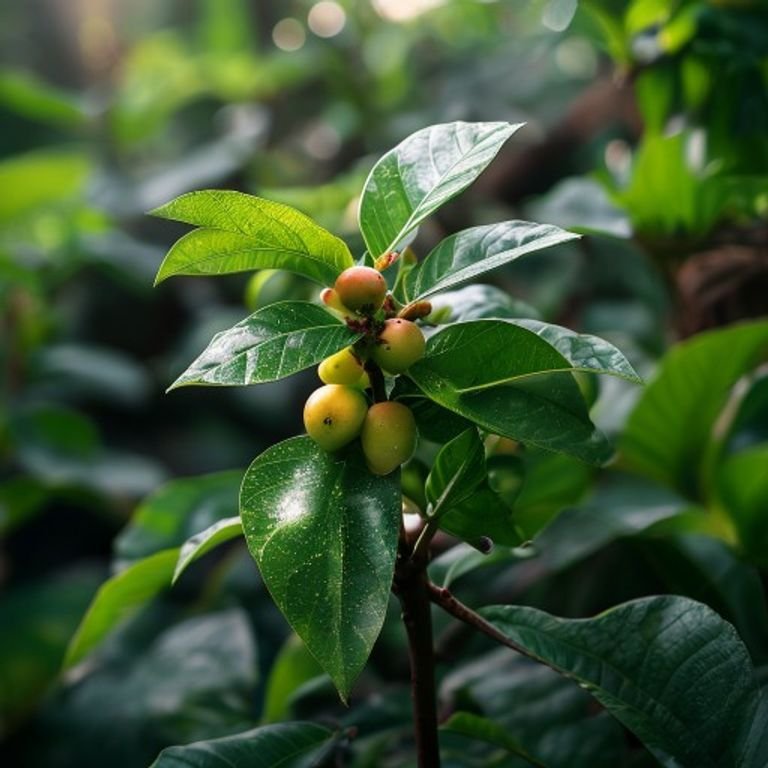
The Miracle Fruit (often referred to simply as the “miracle berry”) holds a special place among fruit enthusiasts. Its small, unassuming red berries possess a glycoprotein called miraculin, which temporarily alters taste buds, making sour foods taste sweet. This makes it a fantastic addition to any garden for those who love to experiment with flavors and enjoy something truly out of the ordinary.
Botanical Overview
The botanical name for the Miracle Fruit is Synsepalum dulcificum. It belongs to the Sapotaceae family, which also includes other well-known fruit trees like sapodilla (chikoo). Originating from West Africa, where it has been used by local tribes for centuries to sweeten bland foods, this plant is an evergreen shrub or a small tree. In its native habitat, it can grow up to 5-15 feet tall, but in cultivation, especially in pots, it typically remains much smaller, usually between 3 to 6 feet, making it suitable for compact spaces.
The Miracle Fruit plant is a slow grower, developing a dense, bushy habit. It’s known for its consistent production of berries once established, often fruiting multiple times throughout the year in warm, favorable conditions.
Why People Love This Plant
The allure of the Miracle Fruit goes far beyond its botanical classification. Here’s why this unique plant is so cherished:
Appearance
The plant itself is quite attractive, featuring lush, deep green, oblong leaves that are slightly glossy. It forms a neat, compact shrub, which can be easily maintained, making it an excellent ornamental as well as a fruiting plant.
Flowers
The flowers of the Miracle Fruit are small, star-shaped, and creamy white, often appearing in clusters along the stems. While not overly showy, they are delicate and contribute to the plant’s overall charm. They are subtly fragrant, adding a gentle touch of sweetness to the air when blooming.
Foliage
The foliage is dense and evergreen, providing a consistent green backdrop year-round. New leaves often emerge with a reddish tint before maturing to a rich green, adding subtle visual interest.
Fragrance
While the berries themselves don’t have a distinct aroma, the small white flowers emit a very faint, pleasant fragrance. The true “fragrance” of this plant, however, lies in its ability to magically transform the taste perception of other foods.
Decorative Value
With its attractive green leaves and bright red berries, the Miracle Fruit plant makes a wonderful decorative addition to patios, balconies, or even indoors near a bright window. The vibrant berries stand out against the dark foliage, adding a pop of color and an element of intrigue to your living space.
Growing Requirements
To successfully grow a thriving Miracle Fruit plant in India, understanding its specific environmental needs is crucial:
Light
The Miracle Fruit thrives in partial shade to full sun. In the intense Indian summer heat, especially in regions with scorching sun, dappled sunlight or morning sun with afternoon shade is ideal. Too much direct, harsh sun can scorch the leaves, while too little light can reduce fruiting. A bright spot that receives 4-6 hours of indirect bright light or soft morning sun is perfect.
Water
This plant prefers consistent moisture. The soil should be kept evenly moist but never waterlogged. Overwatering can lead to root rot, which is a common problem. Check the top inch of the soil; if it feels dry, it’s time to water. Reduce watering slightly during cooler, dormant periods, but never allow the soil to dry out completely.
Temperature
Being a tropical plant, Miracle Fruit prefers warm temperatures, ideally between 20°C to 30°C. It can tolerate slightly cooler temperatures but is sensitive to frost and prolonged cold. In most parts of India, outdoor cultivation is possible, but in areas with cold winters, it’s best to move potted plants indoors or provide protection.
Humidity
High humidity is beneficial for the Miracle Fruit plant, mimicking its natural rainforest habitat. In drier climates, especially during winter months or air-conditioned environments, misting the plant regularly or placing it near a humidifier can help. Grouping it with other plants also increases local humidity.
Soil
The Miracle Fruit is notorious for its strict soil requirements. It absolutely thrives in acidic soil, with a pH range of 4.5 to 5.5. Alkaline soils will quickly lead to nutrient deficiencies and poor growth. A good soil mix should also be well-draining yet retain some moisture.
Potting Mix
For container growing, a custom acidic potting mix is essential. A good blend can be equal parts peat moss, perlite, and pine bark fines. You can also add some coco peat for moisture retention. Avoid standard garden soil or alkaline potting mixes. Incorporating a small amount of acidic organic matter like composted pine needles can also be beneficial.
Fertilizer
Fertilize sparingly but regularly, especially during the growing season (spring and summer). Use an acid-loving plant fertilizer, preferably an organic one or a slow-release granular fertilizer formulated for plants like blueberries or camellias. A balanced NPK ratio (e.g., 5-5-5 or 10-10-10) with micronutrients is suitable. Liquid feeds can be applied every 2-4 weeks at half strength. Avoid fertilizers with high calcium content, as this can raise the soil pH.
How to Care for This Plant
Caring for your Miracle Fruit plant might seem specific, but with a few key practices, it will flourish:
- Potting: Start with a pot that’s slightly larger than the root ball, ensuring it has excellent drainage holes. As the plant grows, repot it into a larger container every 1-2 years, using fresh acidic potting mix.
- Pruning: Light pruning can help maintain a bushy shape and encourage more fruiting branches. Remove any dead, diseased, or crossing branches. You can also prune to control the size and shape, especially if growing in a container. The best time for pruning is after a major fruiting cycle.
- Pest Watch: Regularly inspect your plant for signs of pests. Early detection is key. (More details on common problems below).
- Pollination: Miracle Fruit plants are self-fertile, meaning a single plant can produce fruit. However, gentle shaking of the plant or using a small brush to transfer pollen between flowers can sometimes improve fruit set, especially if grown indoors where natural pollinators are absent.
- Harvesting: The berries are ready to harvest when they turn a vibrant red. Gently pluck them from the plant. They are best consumed fresh to experience their taste-altering effects.
- Winter Care (if applicable): If you live in a region with cold winters, bring potted Miracle Fruit plants indoors before temperatures drop significantly. Ensure they receive adequate light and humidity indoors.
Common Problems and Solutions
While generally hardy, Miracle Fruit plants can encounter a few issues:
- Yellow Leaves: This is often a sign of nutrient deficiency or incorrect soil pH. If the leaves are yellowing between the veins (chlorosis), it’s a strong indicator that the soil is too alkaline, preventing the plant from absorbing iron.
- Solution: Test your soil pH. If it’s too high, amend with an acidic fertilizer, elemental sulfur, or peat moss. Ensure consistent watering and proper drainage.
- Pests: Common pests include aphids, spider mites, and scale insects.
- Solution: Regularly inspect your plant. For minor infestations, wipe affected areas with a damp cloth or spray with a strong stream of water. For more severe cases, use neem oil spray or insecticidal soap, ensuring thorough coverage, especially on the undersides of leaves.
- Fungal Diseases: Overwatering and poor air circulation can lead to fungal issues like powdery mildew or leaf spots.
- Solution: Ensure proper watering practices, allow the topsoil to dry slightly between waterings, and provide good air circulation. Remove affected leaves and, if necessary, treat with an organic fungicide.
- Root Rot: Caused by consistently waterlogged soil.
- Solution: Ensure your pot has excellent drainage holes and your potting mix is well-draining. Water only when the top inch of soil is dry. If root rot is suspected, gently remove the plant, trim off any mushy, black roots, and repot into fresh, well-draining soil.
- Poor Fruiting: If your plant flowers but doesn’t set much fruit, it could be due to insufficient light, nutrient deficiencies, or lack of pollination.
- Solution: Ensure adequate bright, indirect light. Check soil pH and nutrient levels. Gently shake the plant during flowering to aid in self-pollination.
- Slow Growth: Miracle Fruit is a slow grower by nature, but extremely slow growth might indicate issues with light, nutrients, or soil pH.
- Solution: Review light exposure, ensure correct soil pH, and provide a balanced, acid-loving fertilizer during the growing season.
- Leaf Drop: Sudden changes in temperature, humidity, or over/underwatering can cause leaves to drop.
- Solution: Maintain consistent environmental conditions. Check your watering schedule and ensure the plant is not exposed to sudden drafts or extreme temperature fluctuations.
Benefits
Beyond its unique culinary applications, the Miracle Fruit offers several appealing benefits:
- Home Decoration: Its attractive evergreen foliage and bright red berries make it a delightful ornamental plant for any living space, balcony, or garden.
- Balcony Gardening: Its manageable size and container-friendly nature make it perfect for balcony gardens in urban settings across India, allowing even apartment dwellers to enjoy this exotic fruit.
- Unique Culinary Experience: The primary benefit is, of course, the extraordinary taste-altering experience. It can transform bland or sour foods into sweet delights, opening up new culinary possibilities and making healthy eating more enjoyable. Imagine enjoying unsweetened yogurt, lemon juice, or even certain vinegars as if they were sweetened desserts!
- Medicinal Value: While not a medicine, the Miracle Fruit has been explored for its potential in improving the palatability of food for patients undergoing chemotherapy, as it can temporarily alleviate metallic tastes and improve appetite. This is a scientific exploration rather than a direct medicinal claim for home use.
Frequently Asked Questions
How does Miracle Fruit work?
The Miracle Fruit works due to a glycoprotein called miraculin, which binds to the taste receptors on your tongue. When you consume acidic foods after eating a miracle berry, the miraculin temporarily modifies your sweet taste receptors, causing sour and acidic flavors to be perceived as sweet. This effect typically lasts from 30 minutes to an hour, depending on the individual and the number of berries consumed.
Can Miracle Fruit be grown in a pot?
Yes, the Miracle Fruit plant is exceptionally well-suited for container growing, making it ideal for Indian homes with limited garden space, balconies, or patios. Its slow growth habit and relatively compact size mean it can thrive in a pot for many years. Just ensure you use an adequately sized pot with good drainage and the correct acidic potting mix, and repot as needed.
How often should I fertilize my Miracle Fruit plant?
During the active growing season (spring through summer), fertilize your Miracle Fruit plant every 2-4 weeks with a diluted liquid acid-loving fertilizer or every 2-3 months with a slow-release granular fertilizer formulated for acid-loving plants. Reduce or stop fertilizing during the cooler, dormant months. Always follow the manufacturer’s instructions for dosage, and remember that consistent, light feeding is better than infrequent heavy applications for this sensitive plant.
Final Thoughts
The Miracle Fruit plant is a truly unique and delightful addition to any Indian garden or home. With its intriguing taste-altering properties, attractive foliage, and relatively compact size, it offers both aesthetic appeal and an extraordinary culinary adventure. While it requires specific care regarding soil pH and consistent moisture, the rewards of harvesting and experiencing its magical berries are well worth the effort.
Embrace the challenge of growing this exotic wonder, and you’ll find yourself with a talking point and a source of endless fascination. Plantrea is the online plant platform from Wynorg, helping plant lovers across India discover quality plants, practical growing advice, and trusted nursery sourcing. We hope this guide empowers you to successfully cultivate your very own Miracle Fruit plant and enjoy its truly miraculous bounty.
Interested in This Plant?
If the fascinating world of the Miracle Fruit has captured your imagination, you might be wondering how to get started or if this unique plant is right for your home or garden. We understand that every plant enthusiast has specific needs and questions, especially when it comes to exotic varieties like the Miracle Fruit.
Our Plant Expert chat, located at the bottom-right corner of your screen, is here to assist you! Our knowledgeable gardening assistants can help you check whether the Miracle Fruit plant is currently available for purchase. You can also get personalized plant recommendations tailored to your specific climate, growing conditions, and gardening experience, ensuring you choose the best plants for your space.
Don’t hesitate to use the Plant Expert chat to ask any questions about Miracle Fruit plant care and maintenance, from troubleshooting yellow leaves to understanding its unique fruiting cycles. If, for any reason, the Miracle Fruit isn’t available or suitable for your needs, our experts can also help you find suitable alternatives that offer similar exotic appeal or unique benefits. Let us help you cultivate your passion for plants!
Want to buy this plant? Visit https://plantrea.com/shop-2/