Jacaranda Tree – Lavender-Blue Cloud of Spring Flowers | Wynorg Nursery
The Jacaranda tree, with its breathtaking canopy of lavender-blue flowers, is a truly enchanting sight that brings joy to countless Indian homes and gardens. As spring arrives, these magnificent trees burst into a spectacular display, transforming landscapes into serene paintings of purple and blue. It’s no wonder the Jacaranda is a beloved choice for its stunning visual appeal and the delightful shade it provides during the warm Indian summers. For many plant enthusiasts in India, discovering such beautiful additions for their green spaces is a constant pursuit, and Plantrea is the online plant platform by Wynorg, a trusted Indian brand known for delivering healthy live plants safely across India.
This guide is dedicated to helping you understand and care for this splendid purple flowering tree, ensuring it thrives and graces your garden with its ethereal beauty for years to come. Whether you’re a seasoned gardener or just starting your journey, the Jacaranda tree is a rewarding choice that promises a spectacular show each spring.
Botanical Overview
The captivating Jacaranda tree we often admire belongs to the botanical species Jacaranda mimosifolia. It is a prominent member of the Bignoniaceae family, which also includes other well-known flowering trees like the Gulmohar. Originating from the tropical and subtropical regions of South America, particularly Brazil, Argentina, and Paraguay, the Jacaranda mimosifolia has found a comfortable home in the diverse climates of India.
As a deciduous to semi-deciduous tree, it typically sheds its leaves, especially in cooler regions, before erupting into its glorious floral display. It’s classified as a flowering tree with a spreading growth habit, meaning its branches reach outwards, creating a wide canopy. Mature Jacaranda trees can reach an impressive height of 25 to 40 feet, making them ideal for providing ample shade and a grand focal point in any large garden or public space.
Why People Love This Plant
The Jacaranda tree holds a special place in the hearts of plant lovers for several compelling reasons, primarily its unmatched aesthetic appeal.
Appearance
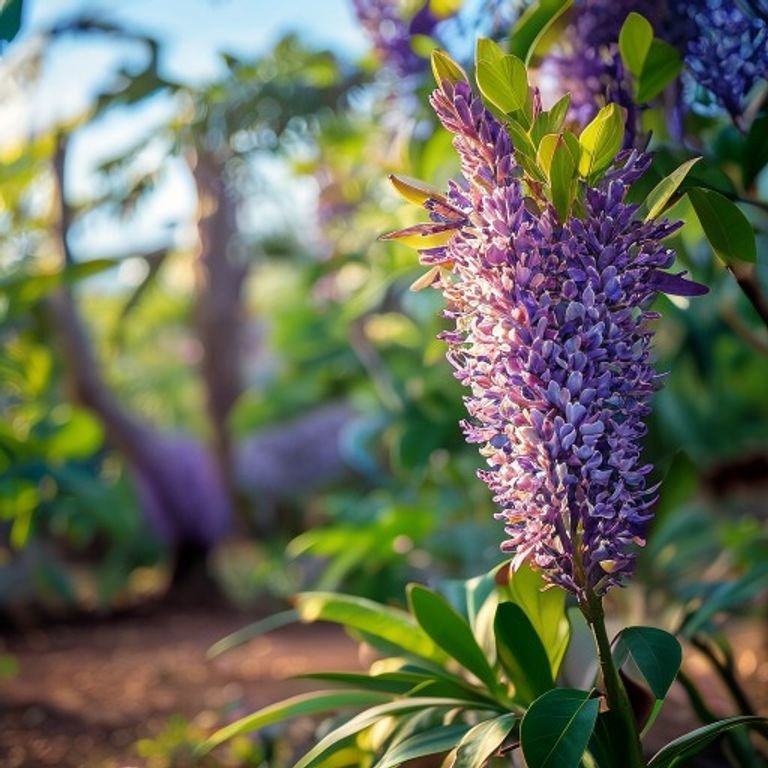
The most striking feature of the Jacaranda is its breathtaking floral display. Before the leaves fully emerge in spring, the tree is completely covered in a dense cloud of lavender-blue, trumpet-shaped flowers. This creates an unforgettable visual spectacle, turning streets and gardens into a sea of vibrant purple. The sheer abundance of blooms is truly a sight to behold, attracting admirers from all walks of life.
Flowers
The individual flowers are delicate, tubular, and about 2 inches long, clustered in large, terminal panicles. Their vibrant purple-blue hue is unique and highly sought after, making the Jacaranda mimosifolia a popular choice for adding a splash of colour to the landscape. The flowering season typically occurs in spring, marking a beautiful transition from winter.
Foliage
Even when not in bloom, the Jacaranda tree boasts attractive, fern-like foliage. The leaves are bipinnately compound, meaning they are divided into many small leaflets, giving them a delicate, feathery appearance. This elegant foliage provides a beautiful dappled shade, making the Jacaranda an excellent shade tree for outdoor seating areas or as an avenue tree along driveways and roads.
Fragrance
While the Jacaranda tree is renowned for its visual beauty, it does not possess a significant fragrance. Its charm lies purely in its magnificent floral display.
Decorative Value
The decorative value of the Jacaranda tree is immense. It is often planted as a specimen tree to highlight its stunning beauty, or in avenues and large parks to create dramatic, colourful boulevards. Its widespread canopy also makes it an excellent choice for landscaping, providing both shade and an exceptional spring flower show that enhances the overall appeal of any property.
Growing Requirements
To ensure your Jacaranda tree thrives and graces your garden with its stunning blooms, understanding its specific growing requirements is crucial.
Light
The Jacaranda tree absolutely loves sunlight. For abundant flowering, it requires full sun exposure, meaning at least 6-8 hours of direct sunlight per day. In the Indian climate, ensure it’s planted in a location where it receives maximum sun throughout the day. Insufficient light is one of the most common reasons a Jacaranda might not flower prolifically.
Water
Jacarandas prefer moderate watering. While young trees require regular watering to establish a strong root system, especially during dry spells, mature trees are quite drought-tolerant once established. In India, during the hot, dry months, established trees will appreciate a deep watering once every two weeks. During the monsoon season, reduce watering significantly as natural rainfall will suffice, and excess water can lead to problems. Good drainage is paramount to prevent waterlogging.
Temperature
Jacaranda mimosifolia thrives in warm, tropical to subtropical climates, which are prevalent across much of India. Mature trees can tolerate mild frosts, but young Jacaranda plants are particularly susceptible to frost damage. If you live in a region that experiences colder winters, it’s wise to protect young trees from frost using coverings or by planting them in a sheltered spot until they are well-established.
Humidity
Jacarandas are generally adaptable to various humidity levels found in their natural range and across India. They don’t have extremely strict humidity requirements, performing well in both moderately humid and drier conditions, provided their watering needs are met.
Soil
Well-drained soil is non-negotiable for a healthy Jacaranda tree. It can tolerate a range of soil types, from sandy to loamy, but heavy clay soils that retain too much moisture should be avoided or amended. Poor drainage can quickly lead to root rot, especially during the monsoon. A slightly acidic to neutral soil pH (6.0 to 7.0) is ideal.
Potting Mix
Given its eventual size, the Jacaranda is not suitable for long-term container growth. If starting from a sapling in a pot, use a high-quality potting mix that offers excellent drainage. However, it should be transplanted into the ground as soon as possible to allow for proper root development.
Fertilizer
Young Jacaranda trees benefit from a balanced, slow-release fertilizer during their first few years to encourage strong growth. Apply it in early spring as new growth begins. For mature, established trees, fertilization is often not necessary if the soil is reasonably fertile. Excessive nitrogen fertilizer can promote leafy growth at the expense of flowers, so opt for a fertilizer with a lower nitrogen content if you choose to feed an established tree, or simply amend the soil with organic compost annually.
How to Care for This Plant
Caring for a Jacaranda tree is a rewarding experience, leading to a spectacular floral display. Here’s a practical, step-by-step guide for its care:
1. Choosing the Right Location: Select a spot in your garden that receives full sun for most of the day. Remember, the Jacaranda grows into a large tree with a spreading canopy, so ensure it has ample space – at least 20-30 feet away from buildings, walls, and other large trees to avoid root damage and allow its canopy to develop fully.
2. Planting: Dig a hole that is twice as wide as the root ball and just as deep. Gently remove the tree from its nursery container, loosen any circling roots, and place it in the hole so that the top of the root ball is level with the surrounding soil. Backfill with the excavated soil, mixed with some organic compost for improved drainage and fertility. Water thoroughly after planting.
3. Watering Schedule: For the first 1-2 years after planting, water your Jacaranda regularly and deeply, especially during dry periods, to help establish a robust root system. Once mature, it is more drought-tolerant. During India’s hot summers, deep water every 10-14 days if there’s no rain. Reduce watering in cooler months and cease during the monsoon if natural rainfall is adequate. Always check the soil moisture before watering – it should feel dry a few inches down.
4. Pruning: Jacarandas generally require minimal pruning. The best time to prune is after flowering has finished. Focus on removing any dead, diseased, or damaged branches. You can also prune to shape the tree when it’s young, creating a strong central leader and good branch structure. Avoid heavy pruning, especially topping, as this can weaken the tree and spoil its natural form.
5. Pest and Disease Management: Regularly inspect your Jacaranda for any signs of pests or diseases. Early detection makes treatment easier. Maintain good garden hygiene by removing fallen leaves and debris.
6. Protection for Young Trees: If you’re in an area prone to occasional mild frosts, provide protection to young Jacaranda trees during winter by wrapping their trunks or covering them with a frost cloth on cold nights. Once they mature, they become more resilient.
7. Tidying Up: Be prepared for the flowers to drop, creating a carpet of purple beneath the tree. While beautiful, this can be considered messy in some settings, especially near paved areas or swimming pools. Regular sweeping may be required during the flowering season.
Common Problems and Solutions
Even with the best care, Jacaranda trees can sometimes encounter a few issues. Here are some common problems and their solutions:
* Yellow Leaves: This can be a sign of overwatering or underwatering, nutrient deficiency (especially iron chlorosis in alkaline soils), or simply seasonal changes.
* Solution: Check soil moisture before watering. Ensure good drainage. If nutrient deficiency is suspected, a soil test can confirm and guide the application of appropriate micronutrients or chelated iron.
* Pests: Aphids and scale insects are the most common pests for Jacarandas. They typically feed on new growth, causing leaves to curl or turn yellow.
* Solution: For mild infestations, a strong spray of water can dislodge them. For more severe cases, use neem oil spray or an insecticidal soap, ensuring thorough coverage of affected areas.
* Fungal Diseases: While generally resistant, poor air circulation and persistently wet conditions can sometimes lead to fungal issues like powdery mildew or leaf spot.
* Solution: Ensure adequate spacing for good air circulation. Remove and dispose of affected leaves. Apply appropriate organic fungicides if the problem persists.
* Root Rot: This is almost always caused by waterlogged soil due to poor drainage or overwatering, especially prevalent during heavy monsoon rains.
* Solution: Ensure the planting site has excellent drainage. If the tree is in heavy clay soil, consider improving drainage or relocating it. Reduce watering frequency.
* Poor Flowering: A common complaint. Reasons can include insufficient sunlight, the tree being too young to flower (Jacarandas can take several years to bloom), excessive nitrogen fertilizer, or pruning at the wrong time.
* Solution: Ensure full sun exposure. Be patient with young trees. Avoid high-nitrogen fertilizers. Prune only after flowering.
* Slow Growth: If your Jacaranda is growing slowly, it might be due to poor soil, insufficient water or nutrients, or inadequate sunlight.
* Solution: Improve soil quality with organic compost. Ensure proper watering and consider a balanced fertilizer for young trees. Verify it’s receiving enough sunlight.
* Leaf Drop: It’s natural for Jacaranda trees to drop some leaves, especially before flowering in spring. If leaf drop is excessive and outside the normal season, it could indicate stress from extreme weather, water issues, or pests.
* Solution: Observe other symptoms. Adjust watering. Check for pests.
Benefits
Beyond its captivating beauty, the Jacaranda tree offers several valuable benefits for Indian homes and gardens.
Home Decoration & Landscaping
The Jacaranda is a premier choice for landscaping. Its stunning purple-blue spring flowers create an unparalleled visual impact, making it a perfect specimen tree to highlight a garden’s entrance or focal point. When planted in rows, they transform streets and avenues into breathtaking floral tunnels, adding immense charm to urban and rural landscapes alike. Its mature size makes it ideal for large gardens, public parks, and institutional grounds.
Shade Tree
With its spreading growth habit and fern-like foliage, the Jacaranda provides excellent dappled shade during the hot Indian summers. This makes it a perfect tree for creating cool, inviting spaces in your garden, under which you can relax and escape the heat.
Pollinator Friendly
While not heavily fragrant, the trumpet-shaped flowers of the Jacaranda are attractive to various pollinators, including bees. Planting Jacarandas contributes to supporting local bee populations, which are vital for the ecosystem.
Frequently Asked Questions
Here are answers to some common questions about the Jacaranda tree:
When do Jacaranda flowers appear?
Jacaranda flowers typically appear in spring, often before the new leaves fully emerge, creating a spectacular display of lavender-blue blooms.
Does the Jacaranda tree need pruning?
Jacaranda trees generally require minimal pruning. It’s primarily done to shape the tree when it’s young, remove any dead or diseased branches, and maintain its structure. Avoid heavy pruning, especially after the tree has matured.
Is the Jacaranda tree suitable for small gardens?
No, the Jacaranda tree is not suitable for small gardens. It is a large tree that can grow to a height of 25-40 feet with a wide, spreading canopy, requiring ample space to thrive and showcase its beauty.
Final Thoughts
The Jacaranda tree is undoubtedly a jewel in the crown of Indian horticulture. Its magnificent spring blooms, followed by its graceful, fern-like foliage and the generous shade it provides, make it an indispensable addition to large gardens, parks, and avenues across the country. With its relatively moderate care requirements and enduring beauty, the Jacaranda truly offers a rewarding experience for any gardener. By understanding its needs for full sun, well-drained soil, and thoughtful watering, you can cultivate a majestic specimen that will be a source of pride and joy for generations.
Plantrea is the online plant platform from Wynorg, helping plant lovers across India discover quality plants, practical growing advice, and trusted nursery sourcing. We are dedicated to empowering you with the knowledge needed to grow healthy, beautiful plants, making your gardening journey fulfilling and successful.
Interested in This Plant?
If the enchanting beauty of the Jacaranda tree has captured your imagination, and you’re considering adding this magnificent plant to your garden, we understand you might have more questions. Navigating the world of gardening can sometimes feel overwhelming, but you don’t have to do it alone!
Our Plant Expert chat, conveniently located at the bottom-right corner of every page, is here to assist you. Think of it as having a seasoned gardener right by your side. You can use this service to check whether the Jacaranda tree is currently available, ensuring you can acquire a healthy specimen directly from a trusted source.
Beyond availability, our Plant Expert can provide personalised plant recommendations tailored to your specific home and garden conditions, helping you find the perfect match for your space. You can also ask any lingering questions you have about Jacaranda care and maintenance, from watering specifics to dealing with pests. And if, for any reason, the Jacaranda isn’t the right fit or is unavailable, our expert can help you discover suitable alternative plants that offer similar aesthetic appeal or benefits. We’re here to help you cultivate your green dreams with confidence!
Want to buy this plant? Visit https://plantrea.com/shop-2/