Ashoka Tree – Sacred Fragrant Flowers for Temple | Wynorg Nursery
The Ashoka tree, with its vibrant clusters of orange-yellow flowers and deep cultural roots, holds a special place in the hearts and gardens of India. Revered in ancient texts and traditions, this majestic tree is not just a treat for the eyes but also a symbol of peace, love, and spiritual significance. Many Indian homes and temple gardens cherish the Ashoka tree for its beauty and the serene ambiance it creates. If you’re looking to cultivate a plant with both aesthetic appeal and profound cultural importance, the Ashoka tree is an excellent choice. Plantrea is the online plant platform by Wynorg, a trusted Indian brand known for delivering healthy live plants safely across India, helping you bring such cherished botanical treasures into your space.
Whether you’re a seasoned gardener or just starting your green journey, understanding the nuances of caring for the Ashoka tree will ensure it thrives and graces your surroundings for years to come. Its dense canopy offers welcome shade during the warmer months, while its fragrant blossoms attract admirers from near and far.
Botanical Overview
The Ashoka tree is botanically known as Saraca asoca, a name that evokes its noble stature. It belongs to the Fabaceae family, which is one of the largest plant families, encompassing a wide variety of trees, shrubs, and herbaceous plants, including peas and beans. Native to the Indian subcontinent, particularly in the central and eastern Himalayas, as well as parts of Sri Lanka, this tree is deeply embedded in the region’s flora and culture.
As a perennial tree, the Ashoka tree is known for its relatively slow but steady growth, eventually reaching impressive heights. Its growth habit is spreading, forming a beautiful, dense, and often symmetrical canopy that provides ample shade. This characteristic makes it an ideal specimen for landscaping larger gardens, parks, and, of course, temple premises where its sacred significance is often celebrated.
Why People Love This Plant
Appearance
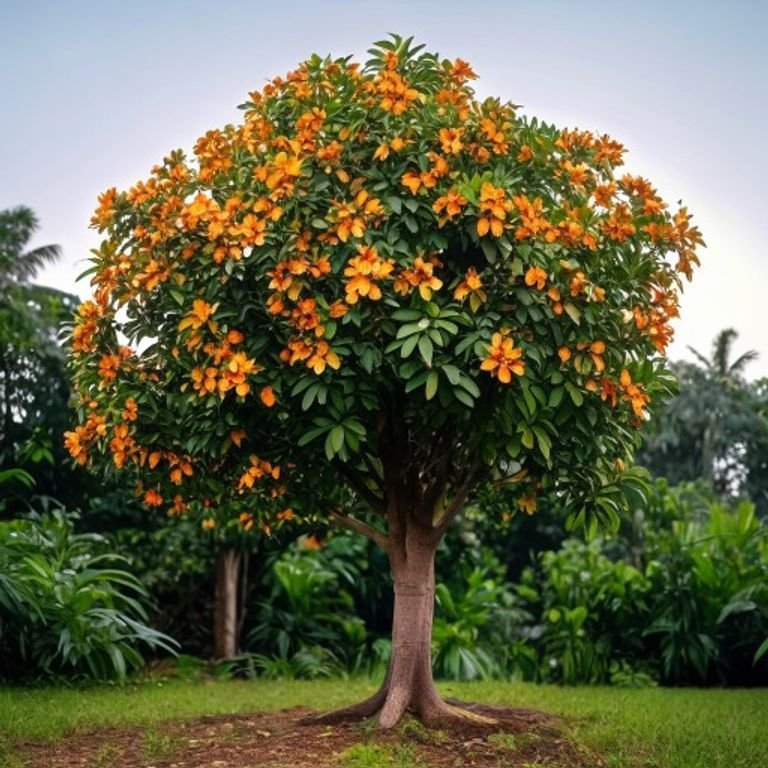
The Ashoka tree is undeniably stunning. Its most striking feature is its vibrant display of flowers, but its overall form is equally captivating. The tree develops a well-branched, somewhat compact crown, making it an elegant addition to any landscape. The new leaves emerge a reddish-brown, gracefully unfurling into a lush, dark green foliage that remains attractive throughout the year.
Flowers
One of the main reasons the Ashoka tree is so cherished is its spectacular flowering. Typically blooming from spring to summer, it produces dense clusters of bright orange-yellow flowers. These inflorescences are often found directly on the trunk and older branches, a phenomenon known as cauliflory, which adds to its unique charm. The colour can vary from deep orange to a softer yellow, often with hints of red as the flowers mature. The sheer volume of blossoms can transform the tree into a golden spectacle.
Foliage
Beyond its flowers, the foliage of Saraca asoca is also highly ornamental. The leaves are compound, meaning each leaf consists of several smaller leaflets. They are generally elongated, lance-shaped, and possess a glossy texture. The rich, dark green colour provides a beautiful contrast to the bright flowers and creates a dense canopy perfect for providing shade.
Fragrance
Adding to its allure, the flowers of the Ashoka tree are distinctly fragrant. The sweet, delicate scent is most noticeable during the cooler parts of the day, particularly in the morning and evening, and can permeate the air, creating a truly enchanting atmosphere. This pleasant fragrance is another reason why it’s a popular choice for temple gardens and areas where a serene, aromatic environment is desired.
Decorative Value
The decorative value of the Ashoka tree extends beyond its individual features. As a whole, it makes a magnificent specimen tree. Its spreading growth habit, dense evergreen foliage, and stunning seasonal blooms make it an excellent choice for landscaping. Whether planted as a focal point, along avenues, or as part of a larger garden design, the Ashoka tree adds a touch of grandeur and natural beauty. Its ability to provide excellent shade further enhances its appeal as a functional and ornamental tree.
Growing Requirements
To ensure your Ashoka tree (Saraca asoca) thrives and bestows its beautiful blooms, understanding its specific growing requirements is key. While it is a relatively hardy tree once established, providing optimal conditions during its younger years is crucial for robust growth.
Light
The Ashoka tree prefers partial sun. This means it needs a few hours of direct morning sun or dappled light throughout the day, especially in the intense Indian climate. While mature trees can tolerate more sun, young Ashoka trees are particularly sensitive to harsh afternoon sun, which can scorch their delicate leaves. Planting it in a location where it receives protection from the scorching midday sun is ideal.
Water
Moderate watering is essential for the Ashoka tree. It prefers consistently moist, but not waterlogged, soil. During its establishment phase (the first 1-2 years), regular watering, perhaps 2-3 times a week, is vital, especially during dry spells. Once mature, the Ashoka tree becomes more drought-tolerant, but still benefits from deep watering during prolonged dry periods, particularly when it’s flowering. Always check the top few inches of soil – if it feels dry, it’s time to water.
Temperature
Being native to tropical and subtropical regions, the Ashoka tree thrives in warm climates. It prefers temperatures between 20°C to 35°C. It can tolerate cooler temperatures for short periods but is not frost-tolerant. In regions with very cold winters, it may struggle, making it best suited for the warmer parts of India.
Humidity
High humidity is beneficial for the Ashoka tree, mirroring its natural habitat in rainforest understories. In naturally humid regions of India, it will thrive effortlessly. In drier areas, ensuring the soil moisture is consistent can help compensate for lower atmospheric humidity.
Soil
Well-drained soil is paramount for the health of the Ashoka tree. It does not tolerate waterlogging, which can quickly lead to root rot. A rich, loamy soil with good organic content is ideal. The soil pH should be slightly acidic to neutral (6.0-7.0).
Potting Mix
For young Ashoka saplings or if you are initially growing it in a large container before transplanting, use a high-quality potting mix that is rich in organic matter and offers excellent drainage. A mix designed for tropical plants, often containing cocopeat, compost, and perlite or sand, works well. Ensure the pot has ample drainage holes.
Fertilizer
Fertilize the Ashoka tree during its active growing season, which is typically spring and summer. A balanced, slow-release granular fertilizer or an organic compost can be applied once a year at the beginning of spring. For young trees, a liquid feed every 4-6 weeks during the growing season can encourage robust growth. Avoid over-fertilizing, as this can harm the roots. Always water the plant thoroughly before and after applying fertilizer.
How to Care for This Plant
Caring for an Ashoka tree is a rewarding experience, especially as it grows into a magnificent specimen. Here’s a practical, step-by-step guide to help you nurture your Ashoka tree.
- Planting Location: Choose a spot that offers partial sun exposure. Ensure it has enough space to grow to its mature height of 20-30 feet and its spreading canopy, away from foundations or utility lines.
- Initial Planting: When planting an Ashoka sapling, dig a pit that is twice as wide as the root ball and just as deep. Gently place the sapling, ensuring the top of the root ball is level with the ground. Backfill with a mix of garden soil and compost, pressing gently to remove air pockets. Water thoroughly immediately after planting.
- Watering Schedule: For young Ashoka trees (first 1-2 years), water regularly, every 2-3 days, especially during dry periods, ensuring the soil remains consistently moist but not soggy. Once established, watering can be reduced. Mature trees are more tolerant to short dry spells but benefit from deep watering once a week during flowering season or prolonged dry weather.
- Mulching: Apply a layer of organic mulch (like wood chips or compost) around the base of the Ashoka tree, keeping it a few inches away from the trunk. Mulch helps retain soil moisture, regulate soil temperature, and suppress weeds.
- Pruning: Ashoka trees generally require minimal pruning. Focus on removing any dead, diseased, or damaged branches to maintain the tree’s health and shape. You can also lightly prune to encourage a denser canopy or to manage its size, but avoid heavy pruning, especially during the flowering season. The best time for light pruning is after the flowering period.
- Pest and Disease Monitoring: Regularly inspect your Ashoka tree for any signs of pests or diseases. Early detection makes treatment much easier.
- Protection for Young Trees: Young Ashoka trees can be vulnerable. Protect them from strong winds and harsh direct sun, especially during their first year, by using temporary shade structures or stakes if needed.
- Seasonal Care: In preparation for the flowering season (spring-summer), ensure the tree is well-watered and consider a light feeding. During the monsoon, ensure proper drainage to prevent waterlogging.
Common Problems and Solutions
While the Ashoka tree is relatively robust, like all plants, it can face certain challenges. Being aware of these common problems and knowing how to address them can help keep your Ashoka tree healthy and vibrant.
- Yellow Leaves: This is often a sign of either overwatering or nutrient deficiency.
- Solution: Check soil moisture. If it’s soggy, reduce watering. Ensure good drainage. If the soil is well-drained, consider a balanced fertilizer application.
- Scale Insects: These tiny pests appear as small, immobile bumps on stems and leaves, sucking sap and weakening the tree.
- Solution: For mild infestations, gently scrape them off. For heavier infestations, apply neem oil spray or an insecticidal soap, ensuring thorough coverage. Repeat applications may be necessary.
- Fungal Diseases: Fungal issues can sometimes occur, especially in humid conditions with poor air circulation, leading to leaf spots or powdery mildew.
- Solution: Improve air circulation by light pruning. Remove affected leaves. Apply an appropriate fungicide if the problem persists, following product instructions carefully.
- Root Rot: A serious condition caused by consistently waterlogged soil, leading to rotting roots and eventual plant death.
- Solution: Prevention is key – ensure excellent drainage. If detected early, try to improve drainage and reduce watering. Severely affected trees may be difficult to save.
- Poor Flowering: If your Ashoka tree isn’t flowering as expected, it could be due to insufficient light, lack of nutrients, or an immature tree.
- Solution: Ensure it receives adequate partial sunlight. Fertilize with a phosphorus-rich fertilizer before the flowering season. Remember, young trees take a few years to establish and start flowering profusely.
- Slow Growth: Especially initially, the Ashoka tree can be slow growing.
- Solution: Be patient. Ensure all growing requirements (light, water, soil, nutrients) are met. Young trees need consistent care to establish a strong root system.
- Leaf Drop: A sudden drop of leaves can be a stress response to drastic environmental changes, severe overwatering/underwatering, or pest infestation.
- Solution: Assess recent changes in care or environment. Check for pests or root rot. Adjust watering as needed.
Benefits
The Ashoka tree offers a multitude of benefits, extending beyond its aesthetic appeal to its deep cultural roots and practical applications.
Sacred Religious Significance
Perhaps the most significant benefit of the Ashoka tree is its profound religious and cultural importance. It is one of the most sacred trees in Hinduism and Buddhism. In Hindu mythology, it is associated with Kamadeva, the god of love, and is believed to alleviate sorrow and bring joy. The tree is famously mentioned in the Ramayana, where Sita found solace under an Ashoka tree in Lanka, leading to one of its popular names, “Sita Ashoka.” It is revered in temple gardens across India, often planted near shrines and used in religious ceremonies, making it a truly religious plant.
Fragrant Flowers
The beautiful, fragrant orange-yellow flowers are a major draw. Their sweet scent adds a delightful dimension to any garden or sacred space, creating a calming and inviting atmosphere. The visual spectacle of the blooms combined with their aroma makes the Ashoka tree a sensory delight.
Traditional Medicinal Use
Beyond its beauty and sacred status, the Ashoka tree has a long history of traditional medicinal use in Ayurveda. Various parts of the tree, particularly the bark, have been used for their purported therapeutic properties, especially in treating gynecological disorders. While these traditional uses are well-documented, it’s important to consult with qualified medical professionals for any health concerns.
Home Decoration & Landscaping
The Ashoka tree, with its elegant form and vibrant flowers, is an excellent choice for home decoration in larger gardens and for general landscaping. Its spreading growth habit provides excellent shade, making it a valuable addition to parks, avenues, and large private gardens where a majestic shade tree is desired. Its ability to create a dense, green canopy contributes significantly to the aesthetic appeal of any outdoor space.
Frequently Asked Questions
Why is it called Sita Ashoka?
The Ashoka tree is often called ‘Sita Ashoka’ due to its association with Goddess Sita in the ancient Hindu epic, the Ramayana. Legend has it that when Sita was abducted by Ravana and held captive in Lanka, she found solace and comfort under an Ashoka tree in the Ashoka Vatika. This profound connection enshrined the tree with her name, signifying its ability to dispel sorrow (‘a-shoka’ literally means ‘without sorrow’).
Does it flower every year?
Yes, the Ashoka tree typically flowers every year, primarily during the spring to summer months. Once established and mature, it reliably produces its beautiful clusters of orange-yellow, fragrant blooms. The intensity and duration of flowering can sometimes be influenced by environmental factors such as water availability, sunlight, and overall plant health.
How tall does it grow?
The Ashoka tree is a medium to large-sized tree that can reach an impressive height of 20 to 30 feet (approximately 6 to 9 meters) under ideal growing conditions. Its spreading canopy can also become quite wide, offering significant shade. It’s important to consider its mature size when choosing a planting location to ensure it has ample space to grow and flourish.
Final Thoughts
The Ashoka tree, or Saraca asoca, is truly a gem in the Indian landscape. Its rich heritage, stunning fragrant flowers, and practical benefits as a shade tree make it a cherished addition to any garden or sacred space. With a moderate level of care, providing it with partial sun, moderate water, and well-drained soil, you can enjoy the majestic beauty and peaceful aura this tree brings for decades.
Cultivating an Ashoka tree is more than just gardening; it’s an invitation to connect with a living legacy, a symbol of joy and tranquility that has graced Indian homes and temples for centuries. Whether you’re drawn to its spiritual significance, its fragrant blooms, or its impressive shade-giving capacity, the Ashoka tree is a wonderful choice for your outdoor space. Plantrea is the online plant platform from Wynorg, helping plant lovers across India discover quality plants, practical growing advice, and trusted nursery sourcing.
Interested in This Plant?
Thinking about adding the beautiful Ashoka tree to your garden or temple? It’s a truly wonderful choice with its sacred significance and stunning fragrant flowers. If you have questions about its suitability for your specific location or need further gardening tips, our Plant Expert chat is here to help you.
Our experienced gardening assistant can help you check whether the Ashoka tree is currently available through Plantrea. You can also get personalised plant recommendations tailored to your home or garden conditions, ensuring you choose the perfect plants for your space. Don’t hesitate to ask any questions you have about Ashoka tree care and maintenance, from watering schedules to soil preferences.
And if, for any reason, the Ashoka tree isn’t quite right for you or is currently unavailable, our Plant Expert can even help you find suitable alternatives that offer similar benefits or growing requirements. Just look for the chat icon at the bottom-right corner of your screen to connect with an expert who understands Indian gardening conditions.
Want to buy this plant? Visit https://plantrea.com/shop-2/